
Is a stainless steel water bottle safe for OEM in EU/US? Liners and coatings
You ordered 10,000 bottles from China. Your US distributor rejected the shipment. The coating failed FDA testing. You lost $50,000 and three months of sales. I see this happen every year to buyers who skip material verification.
Food-grade stainless steel bottles using 304 or 316 grades are safe for EU and US markets when properly manufactured. The key is ensuring exterior coatings stay on the outside, interior surfaces remain bare metal, and all plastic components are BPA-free with proper certifications.
I work with North American buyers every day. The main question they ask me is always about safety compliance. Material composition determines everything in this business. One wrong choice costs you your entire order.
Do stainless steel water bottles have a coating?
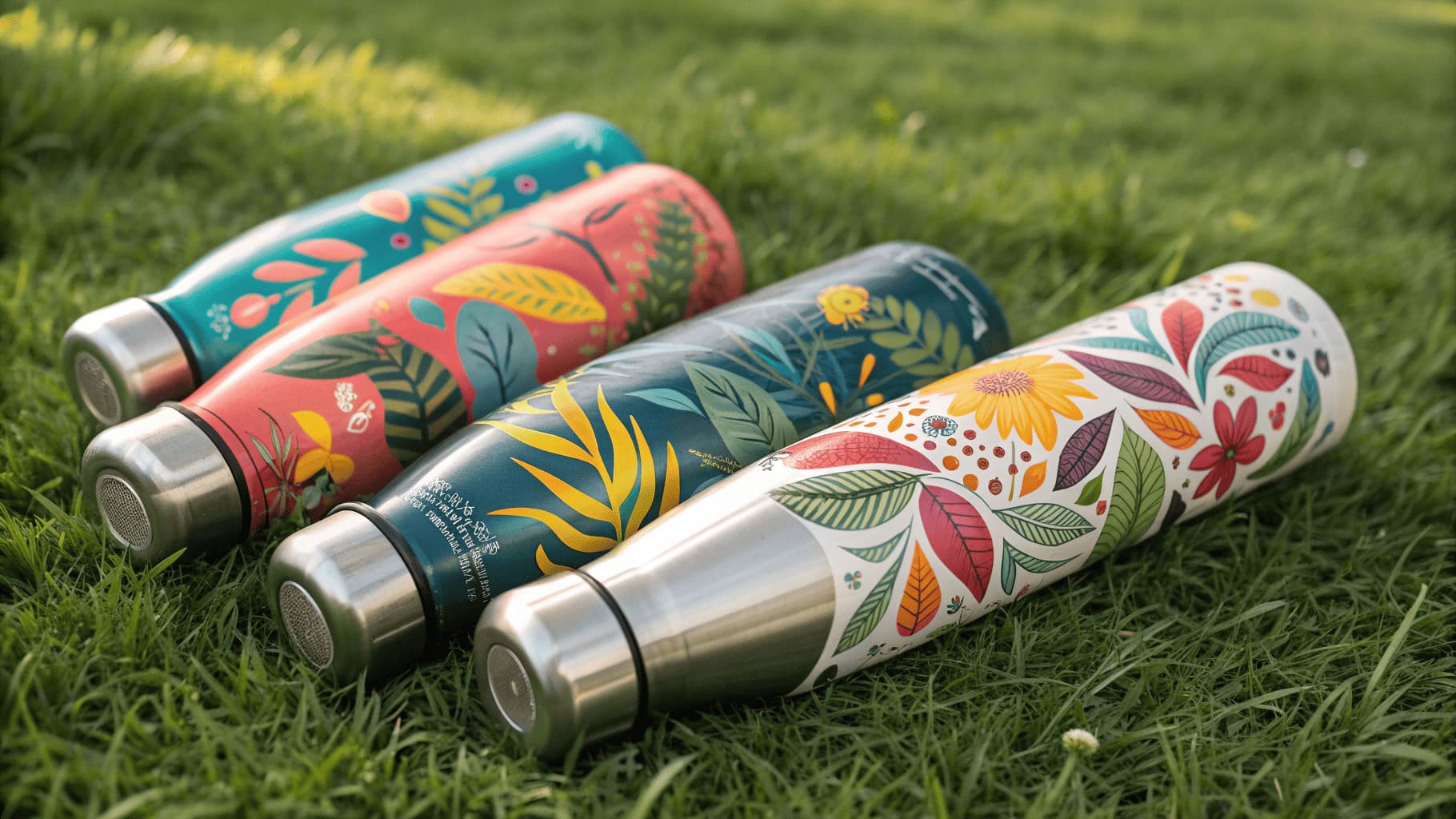
Your customers see colorful bottles on store shelves. They assume the color goes all the way through. This assumption creates the first major safety concern. Most coatings sit on the exterior surface only.
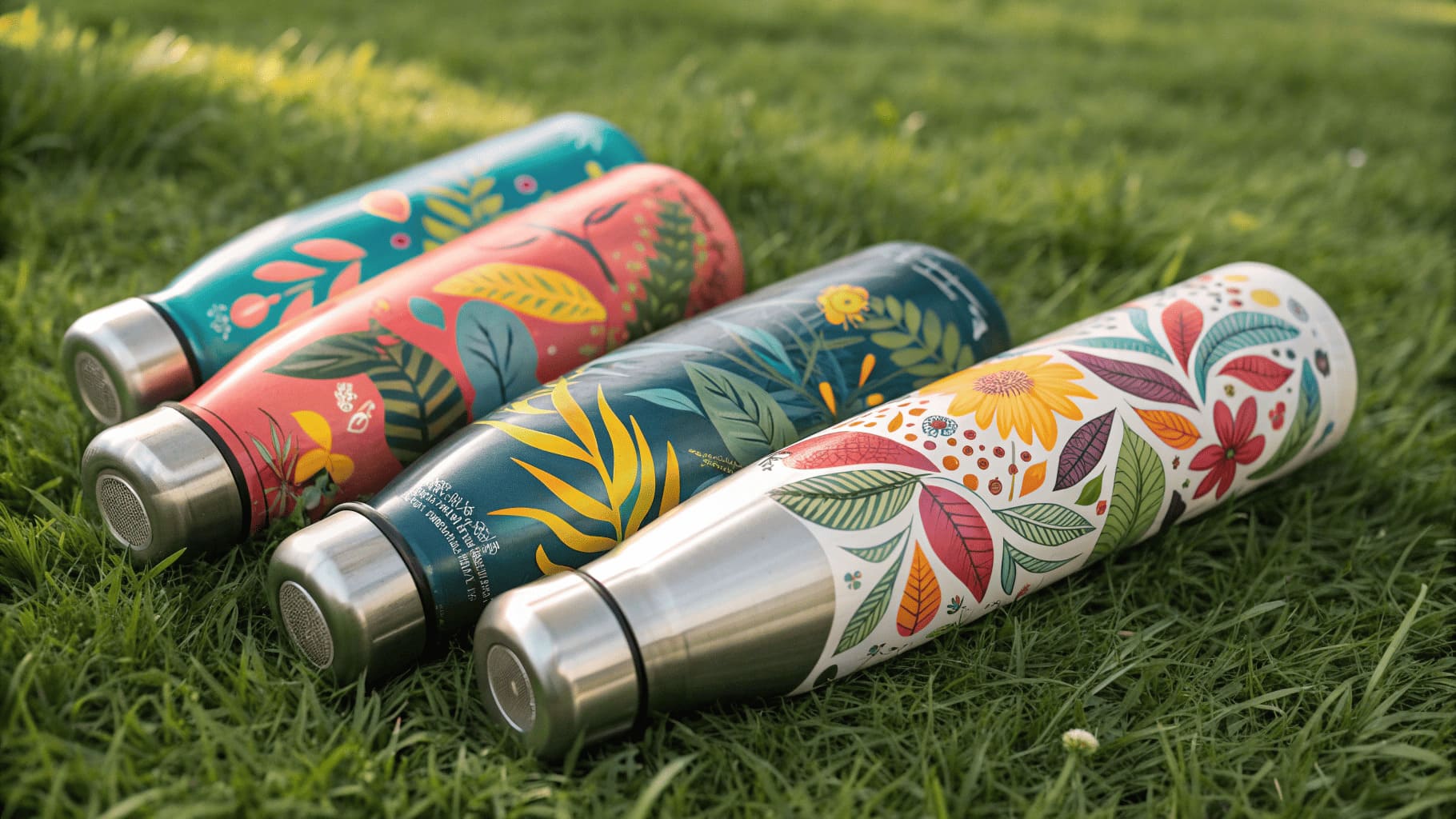
Quality stainless steel bottles use powder coating or spray paint on the outside for color and branding. The interior surface stays bare metal. This design prevents any coating material from touching the beverage inside.
Understanding exterior coatings and their purpose
I ship bottles to Canada every month. The exterior coating serves three main purposes. First, it protects the metal from scratches during shipping and daily use. Second, it provides the color options your brand needs for market differentiation. Third, it creates a better grip surface compared to bare polished metal.
The coating application happens after the bottle body is formed. Workers spray the coating onto the exterior surface in a controlled environment. The bottle goes into an oven for curing. This heat treatment bonds the coating permanently to the metal surface.
Your safety concern should focus on the drinking area. The bottle mouth where lips touch the surface needs special attention. Quality manufacturers mask this area during coating. The rim stays as bare stainless steel. Some cheaper suppliers coat right up to the edge. This creates a risk of coating particles entering the beverage.
| Coating Type | Application Area | Safety Certification Needed | Durability |
|---|---|---|---|
| Powder Coating | Exterior body only | EU 10/2011, FDA CFR 175.300 | 5+ years |
| Spray Paint | Exterior body only | EU 10/2011, FDA CFR 175.300 | 3-5 years |
| Electroplating | Exterior body only | EU 10/2011, FDA 21 CFR 175.300 | 10+ years |
I recommend asking your supplier for coating test reports1. The documents should show migration testing results. These tests measure whether any coating material transfers into food simulants. EU regulation 10/2011 sets the standards for European markets. FDA CFR 175.300 covers US requirements.
Do stainless steel water bottles have a plastic liner?
Last month a Canadian buyer called me in panic. His customer found a plastic smell in the bottles. He thought the bottles had a hidden plastic liner. I explained that quality bottles never use plastic liners.
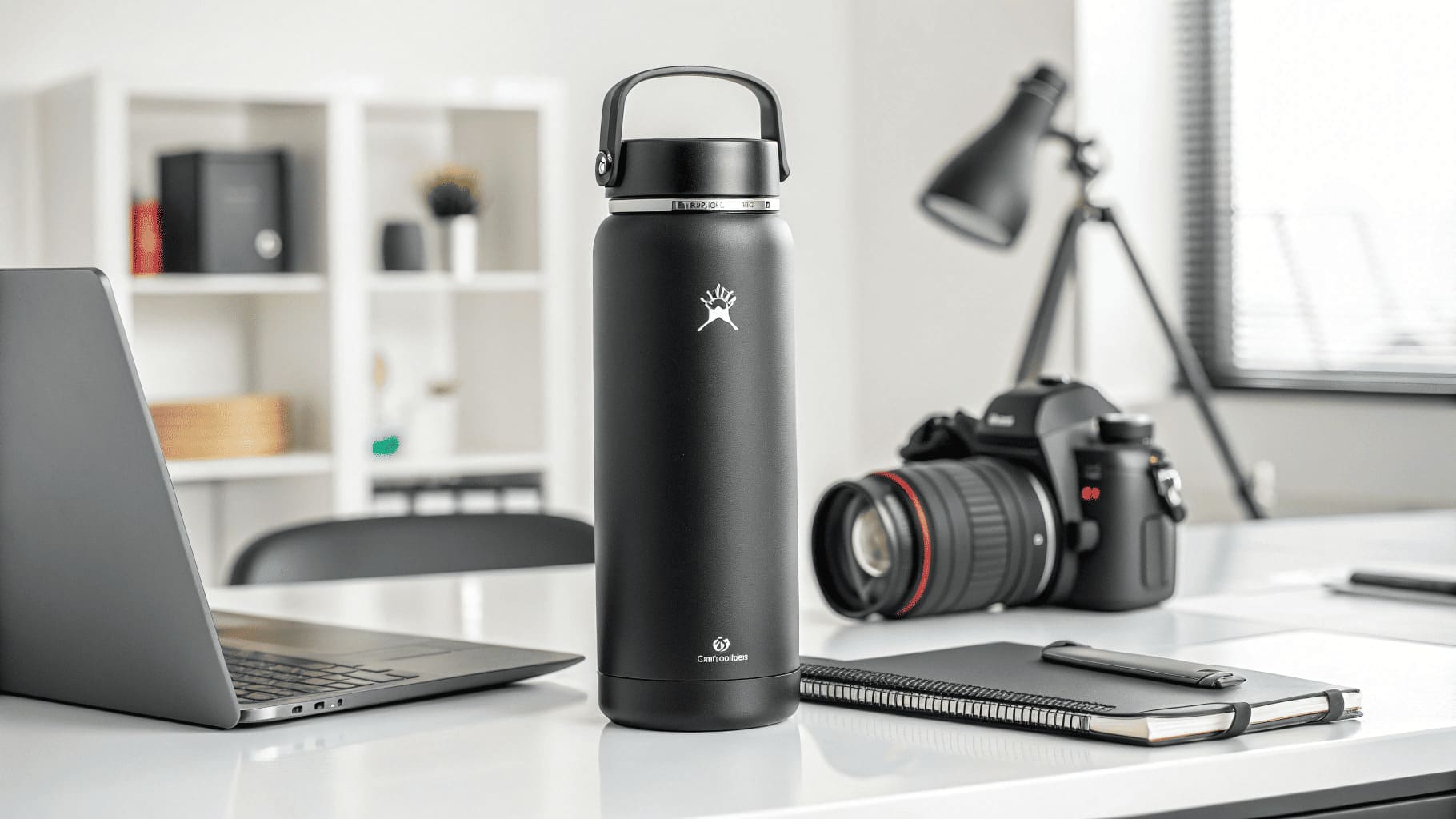
Genuine stainless steel bottles have no plastic liner inside. The bottle consists of two layers of stainless steel with a vacuum gap between them. This double-wall construction provides insulation without any plastic material.
The truth about double-wall vacuum construction
I manufacture bottles in China for 12 years now. The vacuum insulation design eliminates any need for liner material. The manufacturing process starts with two separate steel shells. Workers weld the inner and outer shells together at the mouth opening. Then they pump out the air from the gap between the walls.
Some buyers confuse the bottle construction with cheap plastic bottles. Plastic bottles sometimes have multiple layers with different plastic types. This never happens with real stainless steel bottles. The metal walls touch nothing except air in the vacuum gap.
Your concern about plastic should focus on other components. The lid assembly uses plastic parts. The gasket that seals the lid is silicone or rubber. The straw in some models is plastic or silicone. These components need BPA-free certification.
I always tell buyers to check three areas. First, verify the bottle body is 304 or 316 stainless steel. These grades are food-safe and corrosion-resistant. Second, confirm all plastic parts are BPA-free. Third, ensure any paint or coating stays on the exterior only.
| Component | Material | Safety Standard | Replacement Frequency |
|---|---|---|---|
| Inner Wall | 304/316 Stainless Steel | FDA, LFGB | Never (unless damaged) |
| Outer Wall | 304/316 Stainless Steel | FDA, LFGB | Never (unless damaged) |
| Lid | PP Plastic or Stainless Steel | BPA-free, FDA | 1-2 years |
| Gasket | Food-grade Silicone | FDA, LFGB | 6-12 months |
| Straw | PP or Silicone | BPA-free, FDA | 3-6 months |
The vacuum gap sometimes gets compromised. This happens when the bottle body gets a major dent. The dent pushes the inner wall against the outer wall. Air enters the gap. The bottle loses its insulation ability but remains safe for beverages.
Some factories in China try to cut costs. They use 201 stainless steel instead of 304. This cheaper grade contains less chromium and nickel. It can corrode when exposed to acidic drinks. The corrosion creates a metallic taste and potential health concerns. I refuse to work with factories using 201 grade.
When should I throw away my stainless steel water bottle?
A buyer from Vancouver asked me this question last week. His bottles were two years old. He wondered if the metal degraded over time. I told him stainless steel does not degrade like plastic does.
You should replace your stainless steel bottle only when physical damage occurs or when cleaning becomes impossible. Properly maintained bottles last for many years without safety concerns.
Identifying when replacement becomes necessary
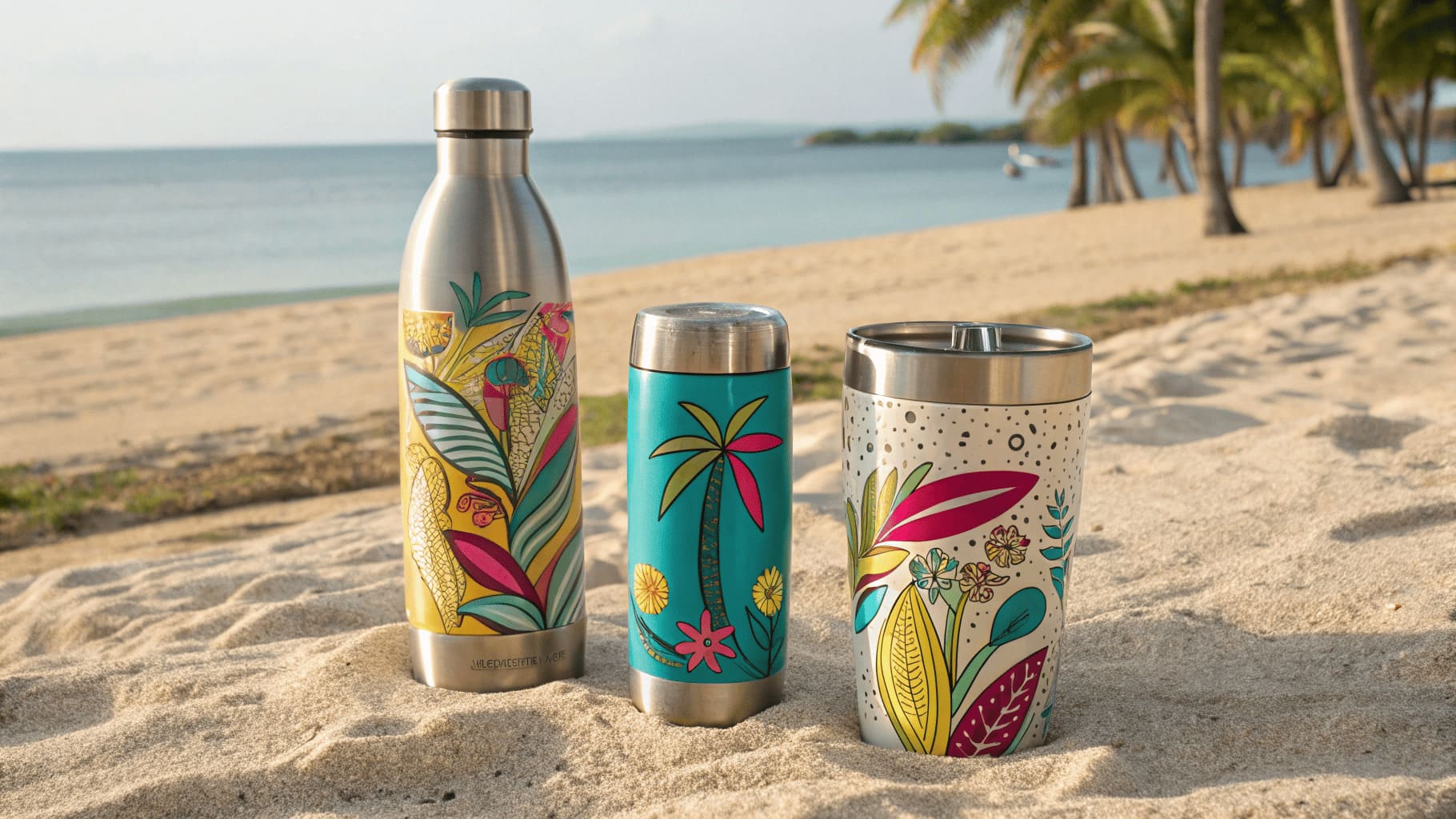
I use the same bottle in my office for five years. The exterior coating shows some wear. The interior remains perfect. Stainless steel maintains its integrity indefinitely when you care for it properly.
Physical damage creates the first replacement trigger. A major dent in the body can break the vacuum seal. You notice this when the bottle stops keeping drinks cold or hot. The insulation failure does not make the bottle unsafe. It just stops working as designed. You can continue using it as a regular non-insulated bottle.
Damage to the mouth area requires immediate replacement. Cracks or chips in the drinking rim can harbor bacteria. They also create sharp edges that might cut your lips. No amount of cleaning fixes this problem.
The second replacement trigger involves impossible-to-clean situations. Milk proteins or sugary drinks sometimes create residue in hard-to-reach areas. If you smell sour odors after thorough cleaning, bacteria have colonized somewhere you cannot reach. Replace the bottle at this point.
| Condition | Action Required | Reason | Still Safe to Use? |
|---|---|---|---|
| Minor exterior scratches | None | Cosmetic only | Yes |
| Major dent in body | Replace if insulation needed | Vacuum seal broken | Yes, but no insulation |
| Crack in mouth rim | Replace immediately | Bacteria harbor, injury risk | No |
| Persistent odor after cleaning | Replace | Bacterial contamination | No |
| Corroded interior surface | Replace immediately | 201 steel or acid damage | No |
| Worn gasket | Replace gasket only | Normal wear | Yes |
Some buyers worry about metal leaching into beverages. Food-grade 304 and 316 stainless steel are chemically stable. They do not leach metals into drinks under normal use conditions. You can use the same bottle for decades without this concern.
Plastic bottles present a different situation. They degrade over time. UV light breaks down the plastic structure. Repeated heating and cooling cycles create micro-cracks. These cracks release plastic particles into beverages. This never happens with stainless steel.
I always recommend proper daily maintenance. Wash the bottle with warm soapy water after each use. Let it air dry completely before sealing the lid. Deep clean once a week with baking soda and water. These simple steps extend bottle life indefinitely.
The lid and gasket need more frequent replacement. The silicone gasket2 loses its elasticity after 6 to 12 months of daily use. You notice this when the lid starts leaking. Replace just the gasket. The bottle body continues working fine.
Conclusion
Food-grade stainless steel bottles are safe for EU and US markets when manufacturers use proper materials and coatings. Verify certifications, check component materials, and maintain bottles properly for long-term use.