
Is a 24oz insulated bottle with straw viable in 2026? MOQ and lid options
You worry about investing in the wrong product. Your inventory sits unsold. Your profit margins shrink while competitors move faster.
Yes, 24oz insulated bottles with straws remain highly viable in 2026. The capacity hits a sweet spot for daily use, straw lids meet consumer preferences, and flexible MOQs1 make market entry manageable for most buyers.
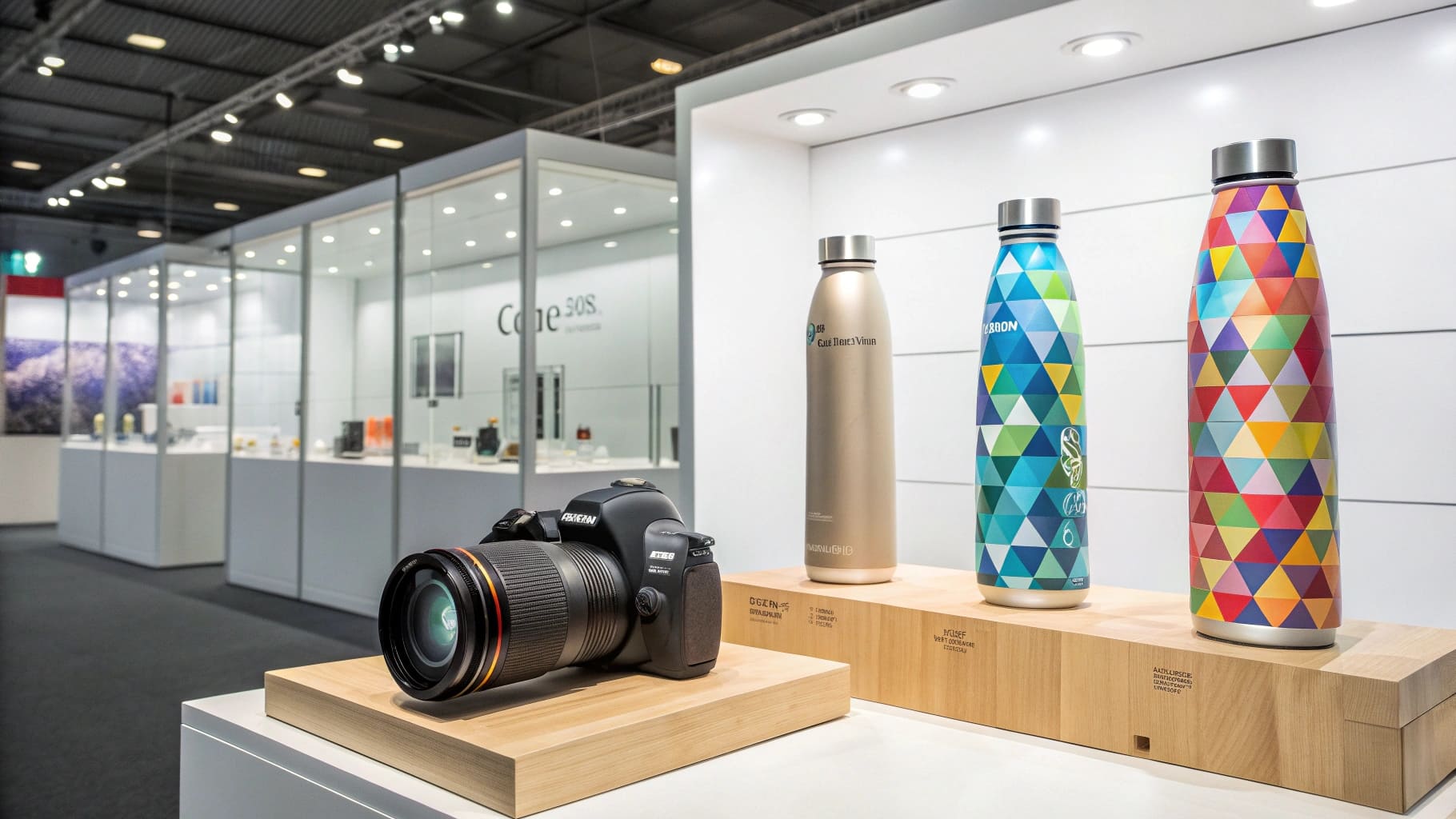
I have worked with hundreds of buyers like you over the past decade. Most ask the same questions before placing their first order. They want to know if their investment makes sense. They need real numbers, not marketing talk. Let me share what I have learned from actual production data and customer feedback.
Is a 24oz Water Bottle Big?
You hold a bottle and wonder if customers will find it too bulky. You compare it to other sizes on your desk. You calculate shipping costs in your head.
A 24oz bottle is not big. It sits between compact 16oz bottles and large 32oz options, offering practical daily hydration without excessive weight or size.
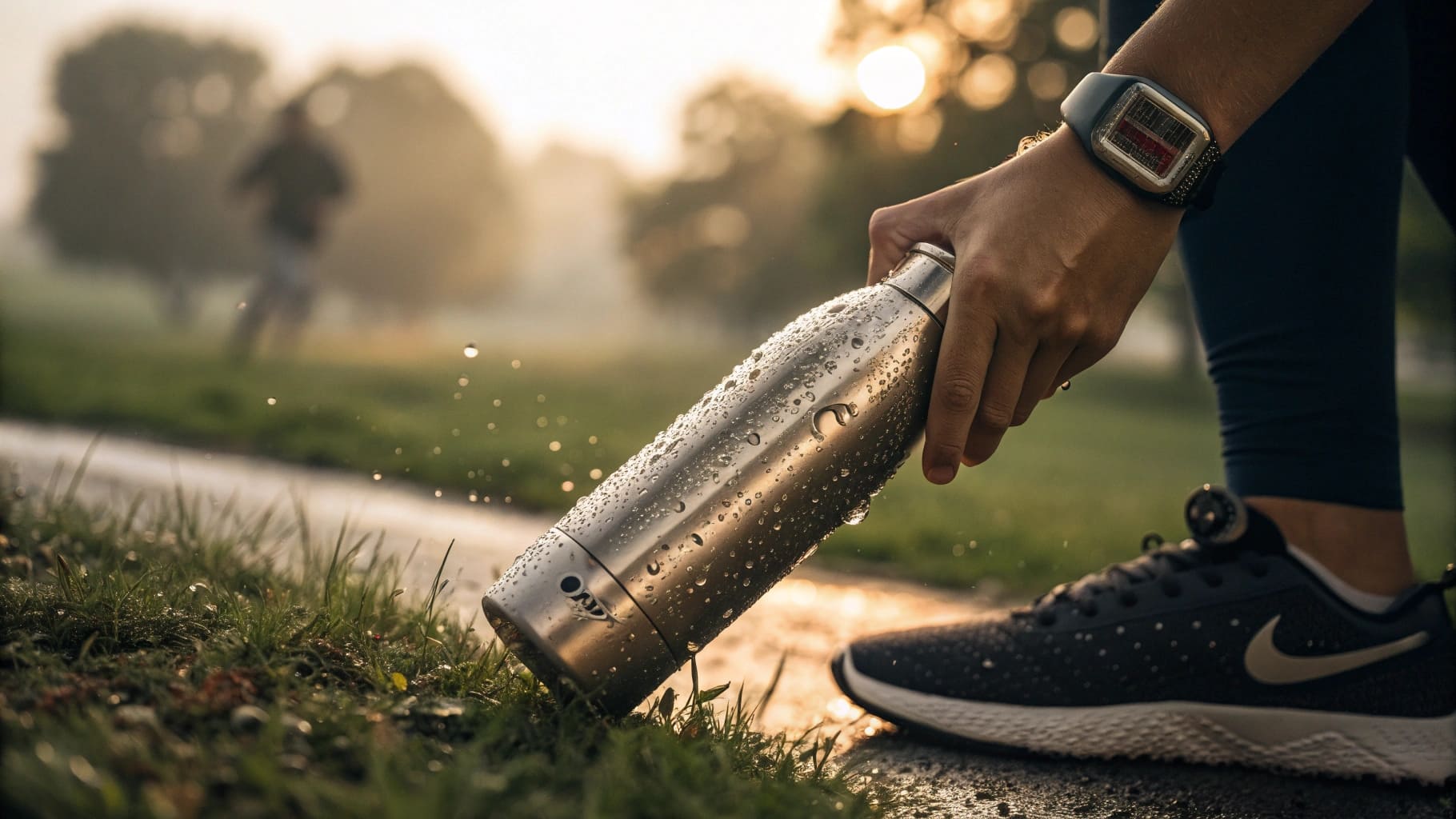
I measure bottles every day in my factory. A 24oz bottle typically stands around 9 to 10 inches tall with a 3-inch diameter. You can fit it in most car cup holders. It slips into a backpack side pocket without trouble. One of my Canadian buyers tested this size with his retail partners last year. He told me his customers appreciate the balance between capacity and portability.
The weight matters too. An empty 24oz stainless steel bottle weighs about 10 to 12 ounces. When full, you carry roughly 2.5 pounds total. This weight feels manageable for most users throughout the day. I compared this to a 32oz bottle, which reaches 3.5 pounds when filled. That extra pound makes a difference during long commutes or gym sessions.
Let me show you how different sizes compare:
| Bottle Size | Height | Diameter | Empty Weight | Full Weight | Best Use Case |
|---|---|---|---|---|---|
| 16oz | 7-8 inches | 2.8 inches | 8-9 oz | 1.8 lbs | Short trips, kids |
| 24oz | 9-10 inches | 3 inches | 10-12 oz | 2.5 lbs | Daily use, office |
| 32oz | 10-11 inches | 3.5 inches | 12-14 oz | 3.5 lbs | Long workouts, outdoor |
| 40oz | 11-12 inches | 4 inches | 14-16 oz | 4.3 lbs | All-day events |
The 24oz size works for multiple drink types. Your customers can use it for water, iced coffee, smoothies, or protein shakes. This versatility increases the perceived value. One buyer from Toronto orders 24oz bottles specifically because his market research showed this size gets used more frequently than larger options. People actually drink from them instead of leaving them in the car.
Are Water Bottles with Straws Good?
You see conflicting opinions online about straw bottles. Some sources praise them. Others claim they leak or break easily. You need facts from someone who makes them.
Water bottles with straws are good for most users. They allow one-handed drinking, work well during activities, and modern designs have solved most leakage issues.
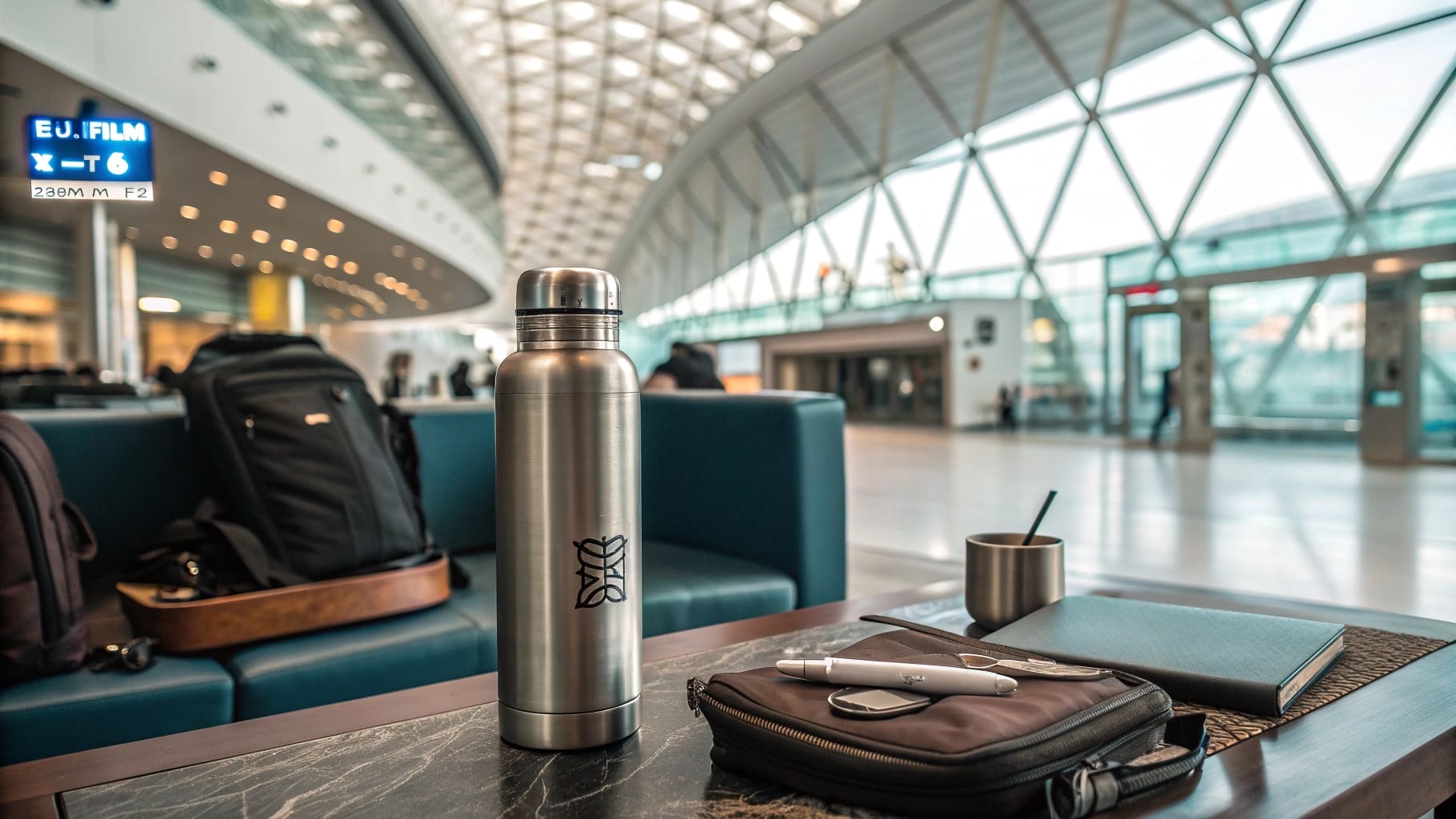
I have manufactured over 500,000 straw lid bottles in the past three years. The technology has improved dramatically. Early straw designs did leak frequently. We fixed those problems by upgrading the seal materials and redesigning the valve mechanism. Current straw lids use food-grade silicone gaskets that create watertight seals when closed properly.
The main advantage is convenience. Users can drink while driving, walking, or working at a computer. They do not need to tilt their head back or unscrew a cap. This feature matters especially for your target customers who multitask constantly. I remember a buyer from Vancouver who returned to order more straw bottles after his initial test run sold out in two weeks. His customers specifically requested the straw feature for office use.
Straw bottles do have considerations you should know about. Cleaning requires a brush to reach inside the straw mechanism. Some users find this extra step annoying. However, most of my buyers include a small cleaning brush2 with each bottle to address this concern. The added cost is minimal, around 10 to 15 cents per brush.
Different straw lid types serve different purposes:
| Lid Type | Straw Position | Key Feature | Best For | Price Point |
|---|---|---|---|---|
| Exposed Straw | Always visible | Quick access | Gym, sports | Lower cost |
| Flip Straw | Hidden when closed | Clean look | Office, travel | Medium cost |
| Push-Button Straw | Pops up on press | One-hand use | Driving, cycling | Higher cost |
| Twist Straw | Rotates to expose | Secure seal | Backpacks, bags | Medium cost |
I suggest the flip straw design3 for most B2B buyers targeting general consumers. It balances functionality with aesthetics. The exposed straw works better for athletic markets where quick hydration matters more than appearance. Push-button straws cost about 30 to 40 percent more than basic flip designs, but they command premium prices in retail.
Durability matters for repeat business. Our current straw mechanisms withstand at least 10,000 open-close cycles before showing wear. This translates to roughly three years of daily use. I test this myself with sample bottles in our quality control lab. We cycle the lids repeatedly until they fail, then adjust the design to improve longevity.
How Much Does a 24oz Water Bottle Hold?
You need precise measurements for your product descriptions. You want to convert ounces to milliliters for international customers. You wonder if the stated capacity matches actual usable volume.
A 24oz water bottle holds 710 milliliters or approximately three cups of liquid. The actual usable capacity typically ranges from 680 to 700 ml due to air space at the top.
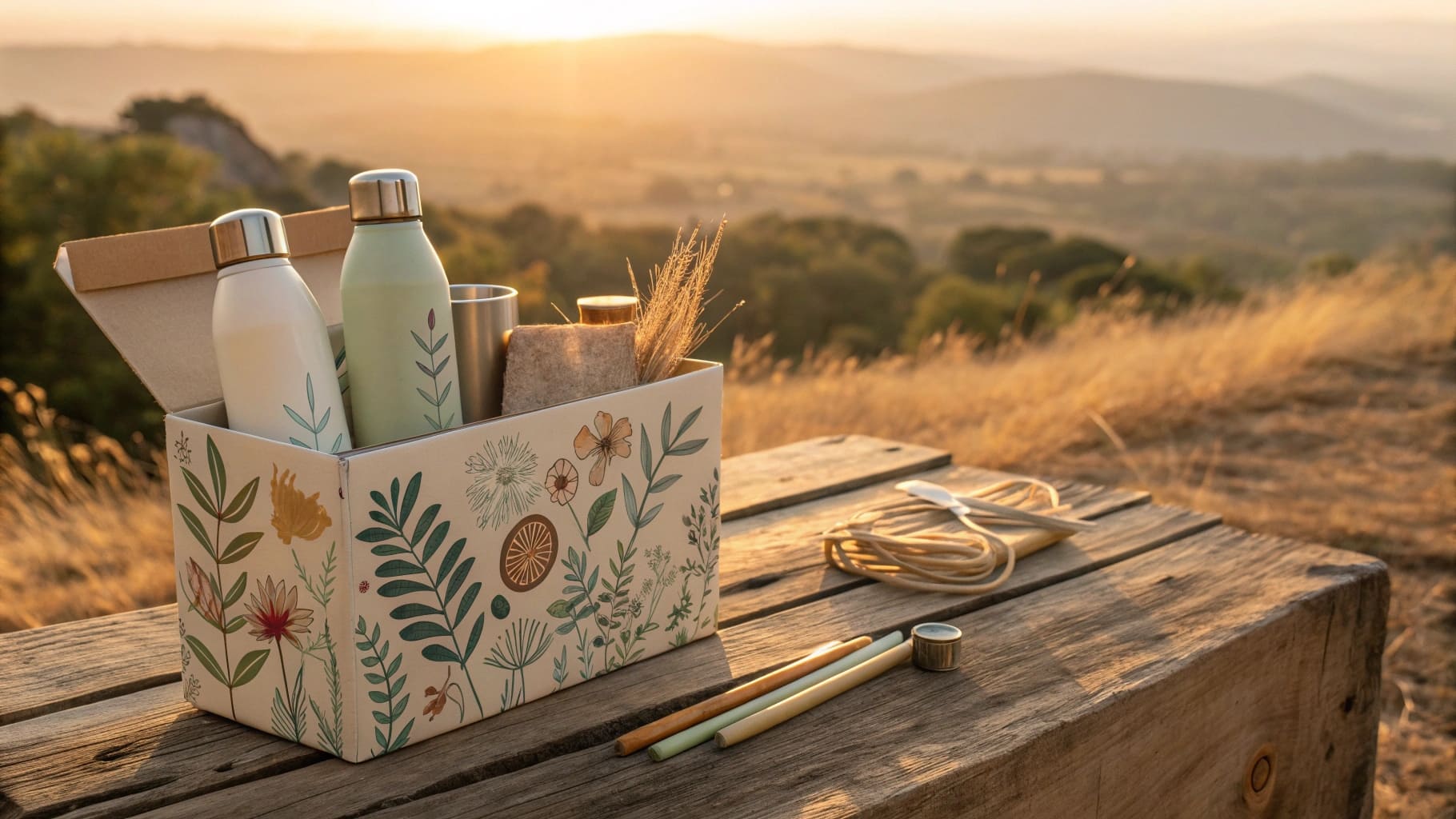
I measure every bottle design we produce to verify capacity. The 24oz designation refers to the total internal volume when filled to the brim. However, practical use requires leaving some air space to prevent spills when closing the lid. Most users fill to about 95 percent capacity, which equals roughly 675 ml of actual drinking liquid.
This capacity provides enough hydration for four to five hours of moderate activity. Health guidelines suggest adults drink about 2 liters daily. A 24oz bottle filled three times throughout the day meets this target. This calculation matters for your marketing because you can position the product as a complete daily hydration solution with multiple refills.
The capacity also affects your shipping costs and MOQ decisions. I calculate shipping by volumetric weight for international orders. A 24oz bottle occupies less space than larger options, allowing more units per container. This efficiency reduces your per-unit logistics cost by approximately 15 to 20 percent compared to 32oz bottles.
Let me break down the volume in different measurement systems:
| Measurement System | 24oz Equivalent | Common Reference | Daily Servings Needed |
|---|---|---|---|
| US Fluid Ounces | 24 oz | 3 cups | 3 bottles |
| Milliliters | 710 ml | Large coffee size | 3 bottles |
| Liters | 0.71 L | Wine bottle | 3 bottles |
| Imperial Ounces | 25 oz (UK) | Pint plus extra | 3 bottles |
The insulation performance also connects to capacity. Our double-wall vacuum insulation keeps drinks cold for 24 hours in a 24oz bottle. Larger bottles actually maintain temperature slightly better due to better volume-to-surface-area ratios, but the difference is minimal for practical use. I tested this by filling bottles with ice water and measuring temperature every four hours. The 24oz bottle maintained below 40 degrees Fahrenheit for the full 24-hour period.
Your customers care about weight when filled. A 24oz bottle with water weighs about 2.5 pounds total. This weight feels comfortable for most users to carry in a bag or hold during activities. I compare this to a typical laptop, which weighs 3 to 4 pounds. Most people can manage the bottle weight without fatigue.
One important detail affects your ordering decisions. The stated 24oz capacity assumes measurement to the very top of the bottle opening. Different lid types reduce usable capacity slightly. A straw lid occupies about 10 to 15 ml of internal space. A screw cap takes minimal space. Factor this into your product testing if you plan to make specific capacity claims in your marketing.
What Are the MOQ Options for 24oz Straw Bottles?
You calculate your initial investment. You worry about overstocking. You want to test the market without massive risk. You need clear numbers before committing.
Standard MOQs for custom 24oz straw bottles start at 1000 pieces per color. Some manufacturers offer 500-piece minimums for stock items with faster delivery, allowing smaller brands to enter the market.
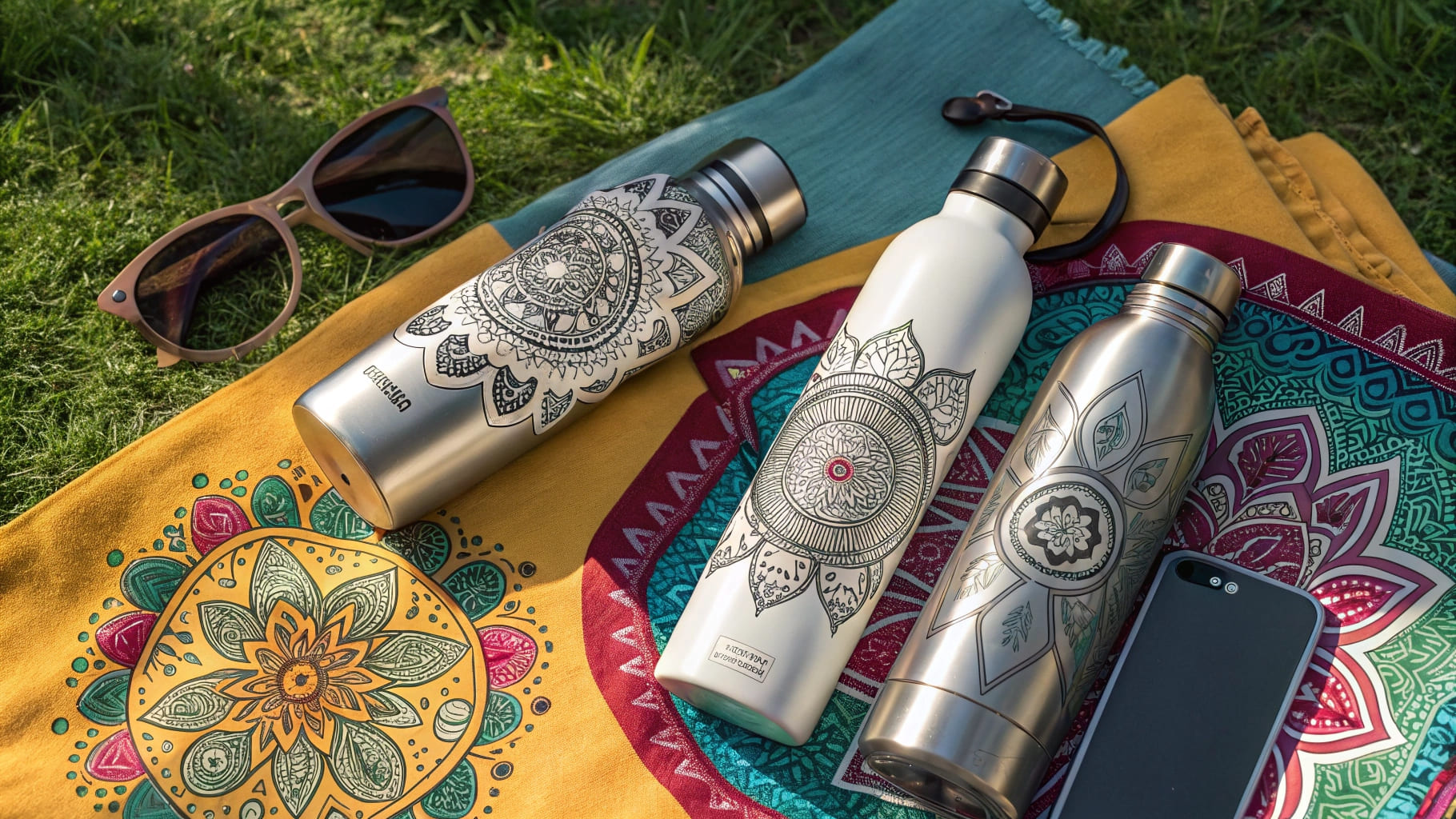
I price our production based on several factors. Custom colors and logos require dedicated production runs to avoid contamination between batches. This setup cost gets distributed across the order quantity. At 1000 pieces, the per-unit cost becomes reasonable for most buyers. Below 500 pieces, the economics usually do not work unless you accept stock colors and standard packaging.
The typical MOQ structure works like this. For fully customized bottles with your logo, custom color, and branded packaging, we require 1000 pieces minimum. This quantity allows us to dedicate a powder coating line, print your logo efficiently, and package everything without excessive setup time. The production timeline runs about 35 to 40 days from approved samples to shipping.
For faster market entry, we offer stock bottle options with lower MOQs. We maintain inventory of popular colors like black, white, navy, and grey. You can order 500 pieces with just logo printing. We complete these orders in 20 to 25 days because the bottles are already manufactured. You save time and reduce initial investment by roughly 40 percent.
Here is how different MOQ levels affect your costs:
| Order Quantity | Customization Level | Lead Time | Price Range per Unit | Total Investment | Best For |
|---|---|---|---|---|---|
| 500 pcs | Stock colors only | 20-25 days | Higher per unit | Lower total | Market testing |
| 1000 pcs | Custom colors allowed | 35-40 days | Standard pricing | Medium total | New brands |
| 3000 pcs | Full customization | 35-40 days | Better pricing | Higher total | Established brands |
| 5000+ pcs | All options available | 30-35 days | Best pricing | Highest total | Large distributors |
I work with many buyers starting their first orders. Most choose the 1000-piece minimum split across two colors. This approach lets them test different color preferences in their market without doubling the total investment. One buyer from Montreal ordered 500 pieces in black and 500 in white for his first shipment. He learned that white outsold black by three to one in his market. His second order focused primarily on white bottles.
The lid options affect MOQ too. Straw lids cost more to manufacture than simple screw caps. We typically charge an additional amount for straw mechanisms, but this cost decreases significantly at higher volumes. At 1000 pieces, the straw lid adds about 15 to 20 percent to the base bottle cost. At 5000 pieces, that premium drops to 10 percent.
Payment terms also factor into your risk management. We typically require 30 percent deposit when you place the order, with the remaining 70 percent due before shipping. Some buyers negotiate different terms based on order size and history. After your third successful order, we often extend net-30 terms to established customers.
Your container loading capacity matters for international shipping. A standard 20-foot container holds approximately 8000 to 9000 pieces of 24oz bottles, depending on packaging. A 40-foot container fits roughly 18,000 to 20,000 pieces. If you order 1000 pieces, you will need to use air freight or consolidate with other products to make ocean freight economical.
Conclusion
The 24oz insulated straw bottle remains a strong choice for 2026. The practical capacity, proven lid functionality, and accessible MOQs create solid opportunities for B2B buyers entering or expanding in this market.