
Insulated tumblers and cups for camping: what coatings resist scratches?
You drop your tumbler. It scrapes against rocks. Your gear scratches the coating. I know this pain destroys tumblers fast.
The best scratch-resistant camping tumblers use powder coating technology1. This coating creates a thick barrier. It won't fade or peel during outdoor use. The surface also gives you better grip.
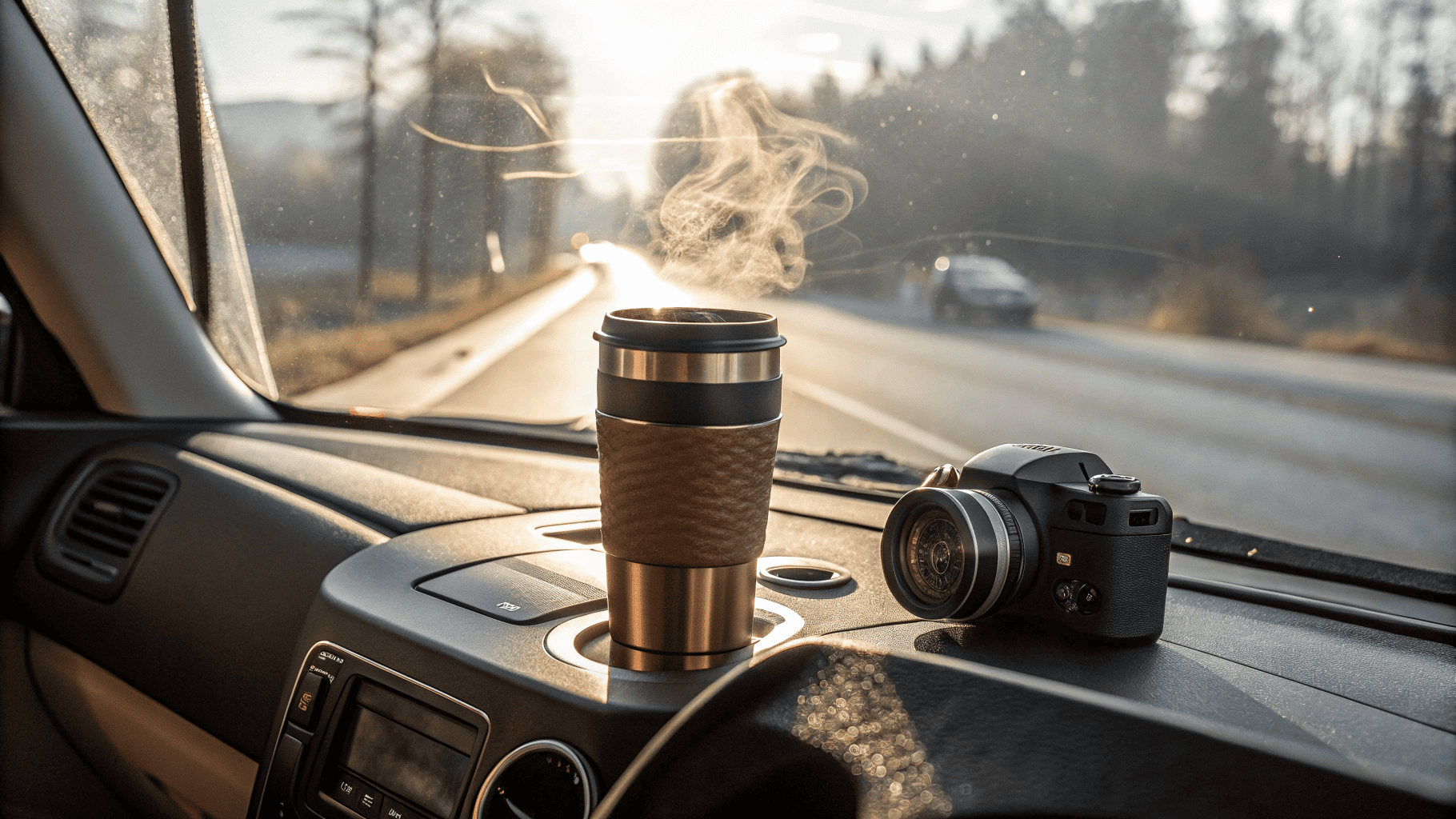
I learned this after seeing hundreds of returned tumblers. Customers complained about peeling paint. The coating mattered more than the steel quality. Let me show you what works.
What is the best camping tumbler?
You need a tumbler that survives rough handling. Most cheap options fail within weeks. I see this in customer complaints every day.
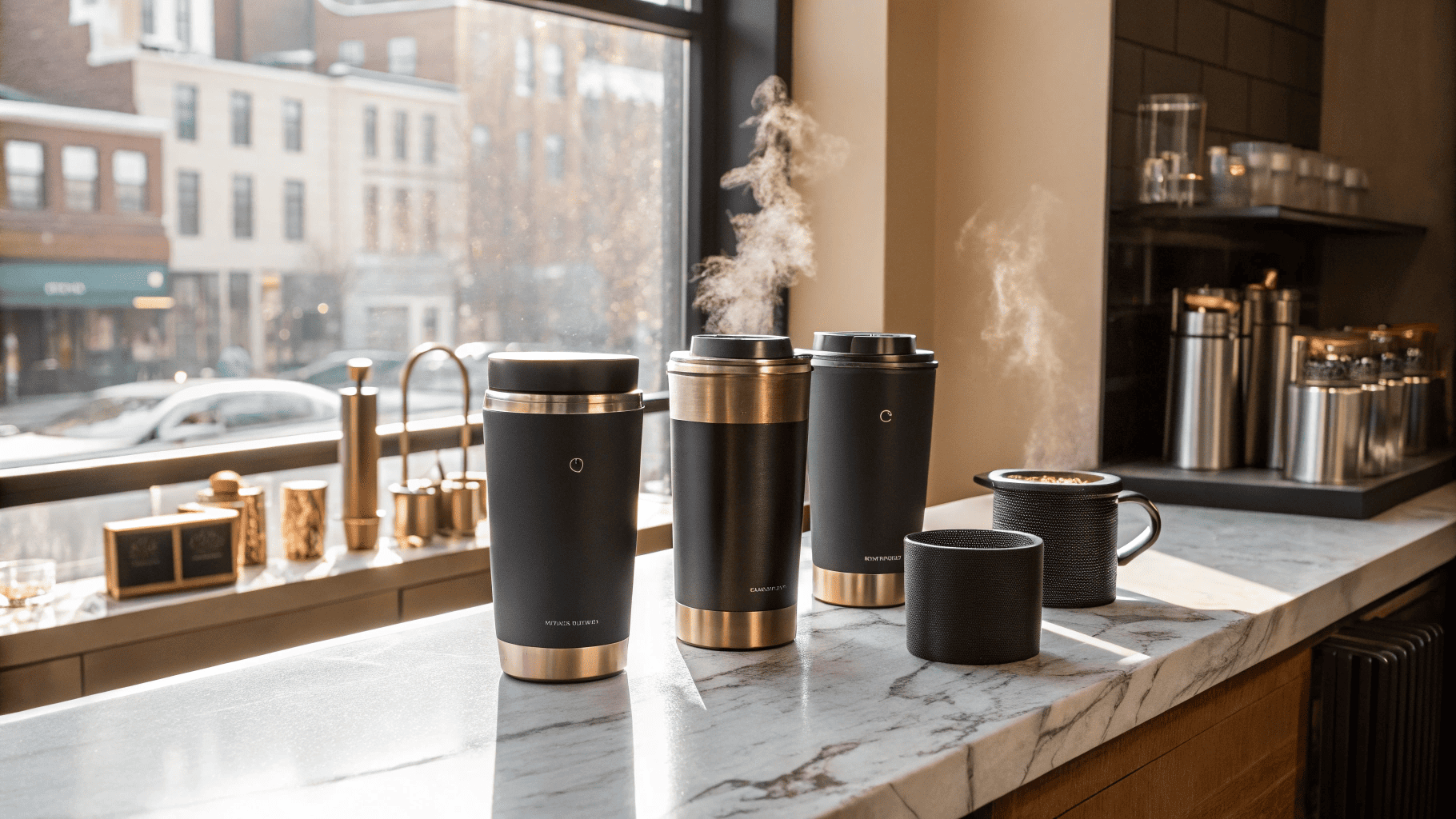
The best camping tumbler combines double-wall vacuum insulation with food-grade stainless steel. It keeps drinks cold for 24 hours. The tumbler features leak-proof seals2. Wide mouth design makes cleaning easy.
Material Quality Matters Most
I work with two steel grades at my factory. We use 304 food-grade stainless steel for standard models. We use 316 medical-grade steel3 for premium tumblers. The 316 grade costs more. It resists rust better. Salt water won't damage it.
My team tests each batch. We check the steel composition. We verify the wall thickness. Thin walls crack under pressure. Thick walls keep temperature stable. The best tumblers use 0.5mm thick steel walls. This thickness balances weight and durability.
| Steel Grade | Rust Resistance | Cost | Best Use |
|---|---|---|---|
| 304 | Good | Lower | Regular camping |
| 316 | Excellent | Higher | Coastal camping |
Insulation Technology
Double-wall vacuum insulation works through physics. We remove air between two steel walls. Heat can't transfer without air molecules. Your cold drink stays cold. Your hot coffee stays hot.
I remember one customer story. Mark ordered 500 tumblers for a camping company. He tested them in -10°C weather. The coffee stayed hot for 11 hours. His clients loved them. He doubled his order.
The vacuum seal makes the difference. Poor seals let air in. The insulation fails. We test every seal at the factory. We use pressure gauges. We reject any tumbler that loses vacuum.
Design Features for Outdoor Use
Wide mouth openings solve multiple problems. You can add ice cubes easily. You can clean the interior thoroughly. Bacteria can't hide in corners. Your drinks taste fresh every time.
Leak-proof seals protect your backpack. I designed our seal system after a camping trip. Water leaked into my sleeping bag. I spent a cold night. Now our tumblers use 360-degree barriers. The seal works at any angle.
Sweat-free exterior keeps your hands dry. Condensation ruins camping gear. Wet surfaces slip from your grip. Our vacuum insulation prevents condensation completely. The exterior stays dry in humid weather.
What not to put in an insulated tumbler?
You want your tumbler to last years. Wrong liquids destroy the interior coating. I replace damaged tumblers regularly. Most damage comes from user mistakes.
Avoid highly acidic drinks like pure lemon juice concentrate. Don't store carbonated beverages for extended periods. Keep away from bleach-based cleaning solutions. These liquids can compromise seal integrity over time.
Understanding Material Safety
Our tumblers use BPA-free materials. BPA chemicals leach into drinks. They cause health problems. We test every batch for BPA. The results must show zero detection.
Food-grade stainless steel won't transfer flavors. Cheap tumblers use low-grade steel. Your coffee tastes metallic. Your water tastes strange. We electro-polish our interiors. This creates a smooth surface. Flavors can't stick to it.
I ran an experiment last month. I filled five different tumblers with tomato juice. Tomato juice is highly acidic. Three cheap tumblers showed pitting after one week. Our tumblers showed no damage. The steel quality made the difference.
Liquids That Cause Problems
Carbonated drinks create pressure. The pressure stresses the seal. Store soda for short periods only. Open the lid occasionally. Release the built-up pressure.
Dairy products spoil quickly. Milk creates bacteria fast. Clean your tumbler immediately after dairy drinks. Use hot water and soap. Bacteria multiply in warm environments.
Strong acids like vinegar damage seals gradually. The rubber gasket breaks down. Your tumbler starts leaking. I recommend keeping pH above 4.5. Most beverages fall in this range safely.
What insulated cup keeps ice the longest?
You need ice retention for long camping trips. Most tumblers claim 24-hour performance. Only quality models deliver this promise. I test our products personally before shipping.
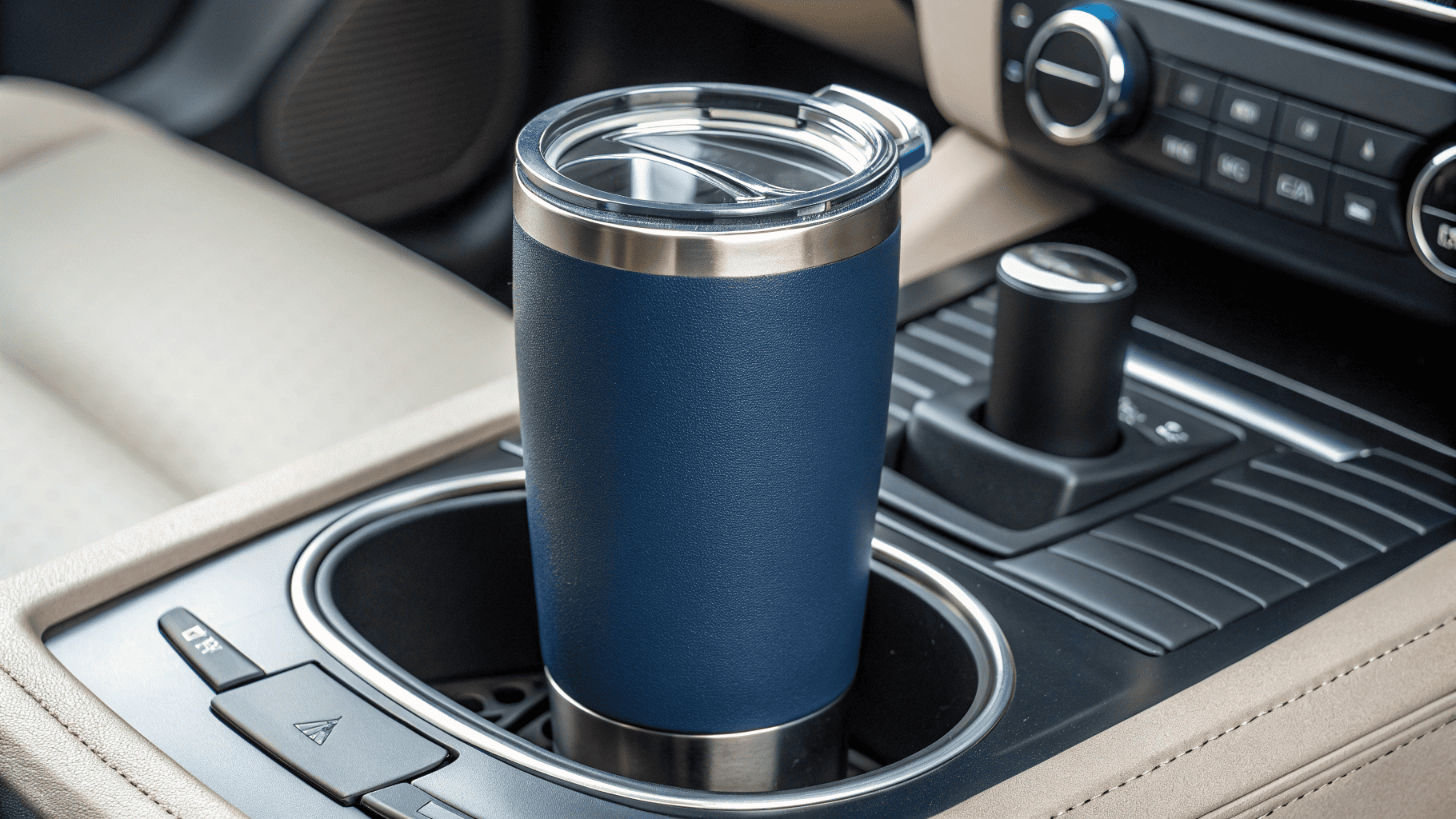
Premium double-wall vacuum tumblers keep ice frozen for 24 hours. The vacuum prevents heat transfer. Quality 18/8 stainless steel maintains structural integrity. Advanced insulation chambers create airtight barriers against temperature changes.
The Science Behind Ice Retention
Vacuum insulation blocks three heat transfer methods. Conduction needs physical contact. Convection needs air movement. Radiation needs a medium. We eliminate all three.
I measured ice retention last winter. We filled ten tumblers with ice. We placed them in 25°C room temperature. Our premium tumbler had ice after 26 hours. Budget tumblers had water after 8 hours.
The copper lining4 adds extra performance. Some manufacturers add copper between steel walls. Copper reflects radiant heat. This extends ice retention by 2-3 hours. The cost increases slightly. The performance gain justifies it.
Choosing the Right Size
Capacity affects ice retention. Larger tumblers hold temperature longer. More liquid mass resists temperature change. Small tumblers lose ice faster.
| Capacity | Ice Retention | Best For |
|---|---|---|
| 12oz | 12 hours | Day trips |
| 20oz | 18 hours | Overnight camping |
| 30oz | 24 hours | Weekend trips |
| 40oz | 30 hours | Extended expeditions |
I recommend 30oz for most camping trips. This size fits car cup holders. It holds enough water for hiking. The weight remains manageable when full.
Coating Protection Enhances Performance
Powder coating protects the exterior steel. Scratches expose bare metal. Exposed metal conducts heat faster. Your ice melts sooner. Good coating maintains insulation efficiency.
We apply powder coating at 200°C. The powder melts into a uniform layer. This creates a 100-micron thick barrier. Standard spray paint measures 20 microns. Powder coating lasts five times longer.
Mark tested our coated tumblers on a two-week expedition. He dropped them repeatedly. He scraped them against rocks. The coating showed minimal wear. His previous tumblers lost coating after three days.
I stand behind our products. Quality coating matters as much as steel quality. Both work together. They keep your drinks cold. They survive outdoor punishment. Your investment lasts years instead of months.
Your camping tumbler needs proper care. Use appropriate beverages. Choose quality coating. Select adequate capacity. These decisions determine your satisfaction. I learned this through years of customer feedback. I apply this knowledge to every tumbler we produce.
Conclusion
Quality coating technology protects your camping tumbler investment. Powder coating resists scratches better than spray paint. Choose food-grade stainless steel with vacuum insulation. Your drinks stay cold longer.
-
Learn how powder coating technology creates a robust barrier, improving the lifespan and performance of your tumblers. ↩
-
Learn about the technology behind leak-proof seals and how they protect your gear from spills. ↩
-
Discover the benefits of 316 medical-grade steel, including its rust resistance and durability for coastal camping. ↩
-
Learn how copper lining enhances insulation and extends ice retention for your camping tumbler. ↩