
Insulated thermal coffee mugs: LFGB/FDA, Prop 65, and BPA-free claims 2026?
You order a shipment of insulated coffee mugs. Your customers get sick. Your brand reputation collapses overnight. This nightmare becomes real when you skip proper certification checks.
In 2026, legitimate insulated thermal coffee mugs1 must carry LFGB, FDA, or Prop 65 certifications and verifiable BPA-free claims. These certifications prove that materials meet strict safety standards. They protect both your customers and your business from legal liability.
I have seen too many buyers face customs rejections because they trusted suppliers without verifying certificates. The certification landscape changed significantly in recent years. Buyers now need concrete proof that every component meets safety requirements. Let me walk you through what matters most when you source these products.
How to tell if a mug is lead-free?
You receive samples that look perfect. The supplier promises lead-free materials. But how do you know for sure? Wrong assumptions here can destroy your entire business.
Lead-free mugs display FDA, LFGB, or CA65 certification marks on packaging. Premium manufacturers use 304 or 316 stainless steel2. These materials contain zero lead by composition. Request third-party test reports to verify claims before placing orders.
Understanding Material Grades
I always tell my clients to focus on the stainless steel grade first. The grade determines everything about safety and performance.
304 stainless steel contains 18% chromium and 8% nickel. This composition creates a barrier against corrosion. Lead cannot exist in this alloy structure. 316 stainless steel adds 2-3% molybdenum. This makes it even more resistant to corrosion and chemicals.
Some suppliers claim lead-free status but use inferior grades. I once worked with a buyer who discovered this after receiving customer complaints. The supplier had mixed 201 stainless steel with 304. The 201 grade contains manganese instead of nickel. It corrodes faster and may contain trace metals.
| Stainless Steel Grade | Composition | Lead Risk | Best Use |
|---|---|---|---|
| 304 (18/8) | 18% Cr, 8% Ni | Zero | Standard food contact |
| 316 (18/10) | 18% Cr, 10% Ni, 2-3% Mo | Zero | Medical grade, premium products |
| 201 | 17% Cr, 4-5% Ni, 5-7% Mn | Possible trace elements | Not recommended for food |
Verification Methods
The certification documents tell only part of the story. I require suppliers to provide specific test reports.
SGS and Intertek conduct independent testing for heavy metals. These reports show exact lead content in parts per million. FDA regulations allow zero detectable lead in food contact surfaces. LFGB testing goes even deeper. It simulates actual use conditions with different liquids and temperatures.
Ask your supplier for batch-specific reports. Generic reports from years ago prove nothing. I learned this lesson when a client received mugs that failed their own testing. The supplier had used old certificates for new production batches. The new batches used different raw materials.
Visual Inspection Clues
Physical inspection cannot replace lab testing. But it helps you spot red flags quickly.
Quality stainless steel has a consistent color and finish. The interior should feel smooth without rough patches. Welds should appear clean and uniform. Poor welding often indicates substandard materials. I once rejected a shipment because the welds showed discoloration. Later testing confirmed the supplier had used recycled steel with unknown composition.
The weight tells you something too. Genuine 304 or 316 stainless steel has specific density. Mugs that feel too light might use thinner gauge steel or inferior alloys. I always weigh sample units and compare them to specifications.
What are the safest non toxic coffee mugs?
Your customers care about their health. They research product safety before buying. One toxic material claim can trigger mass returns and negative reviews.
The safest coffee mugs use food-grade 304 or 316 stainless steel construction with BPA-free silicone components. These materials resist chemical leaching under all temperature conditions. They maintain beverage taste without adding odors or toxins.
Material Hierarchy for Safety
I rank materials based on decades of industry experience and customer feedback.
Food-grade stainless steel sits at the top. It contains no plastics, no coatings, and no synthetic additives. The material itself is inert. Heat and cold do not trigger any chemical reactions. Acidic beverages like coffee cannot extract metals from properly manufactured stainless steel.
Silicone components come next. But only food-grade silicone3 qualifies. This material must meet FDA 21 CFR 177.2600 standards or European Regulation 10/2011. I test silicone by twisting it hard. Quality silicone springs back without whitening or tearing. Poor silicone shows stress marks. It also absorbs colors and odors over time.
Some buyers ask about plastic alternatives. Tritan copolyester offers BPA-free performance. PPSU handles high temperatures without degradation. PP remains stable for cold beverages. But none of these match stainless steel for durability and complete safety assurance.
| Material | Safety Rating | Temperature Range | Durability | Cost |
|---|---|---|---|---|
| 316 Stainless Steel | Highest | -40°C to 300°C | Excellent (10+ years) | High |
| 304 Stainless Steel | Highest | -40°C to 280°C | Excellent (8+ years) | Medium-High |
| Food-Grade Silicone | High | -60°C to 230°C | Good (5+ years) | Medium |
| Tritan | Medium-High | -10°C to 94°C | Good (3-5 years) | Medium |
| PPSU | Medium-High | -40°C to 180°C | Good (3-5 years) | High |
Coating Dangers
Many suppliers offer powder-coated or painted mugs. These coatings create serious safety concerns.
The coating itself might contain heavy metals or VOCs. But the bigger problem comes from coating failure. Coffee's acidity and heat cause coatings to break down. Tiny particles enter the beverage. Customers ingest these particles with every sip.
I refuse to source coated interiors. The risk is too high. If customers want colors, I recommend exterior powder coating only. The interior must remain bare stainless steel. This approach eliminates coating ingestion while still allowing design flexibility.
Component Safety
The mug body is just one part. Lids, gaskets, and straws also contact beverages.
I source lids made from food-grade PP or Tritan. These materials handle temperature changes without warping. The gaskets must use platinum-cured silicone. Peroxide-cured silicone costs less but releases compounds during initial uses. Customers complain about chemical smells.
Stainless steel straws solve the plastic straw problem. But cheap stainless steel straws use 201 grade. These corrode inside where you cannot see the damage. I specify 304 stainless steel for all straws. The small price difference prevents major quality issues.
Are insulated cups safe to use?
You see double-wall vacuum insulation4 everywhere now. Customers love the temperature retention. But some buyers worry about the vacuum space between walls.
Double-wall vacuum insulated cups are completely safe when constructed with food-grade materials and proper sealing. The vacuum itself is simply air removed from the space between walls. This creates no health risks. It actually prevents exterior heat transfer that could cause burns.
Vacuum Insulation Technology Explained
The vacuum space contains almost no air molecules. This prevents heat transfer through conduction and convection. Only radiation transfers any heat. This process is natural and completely safe.
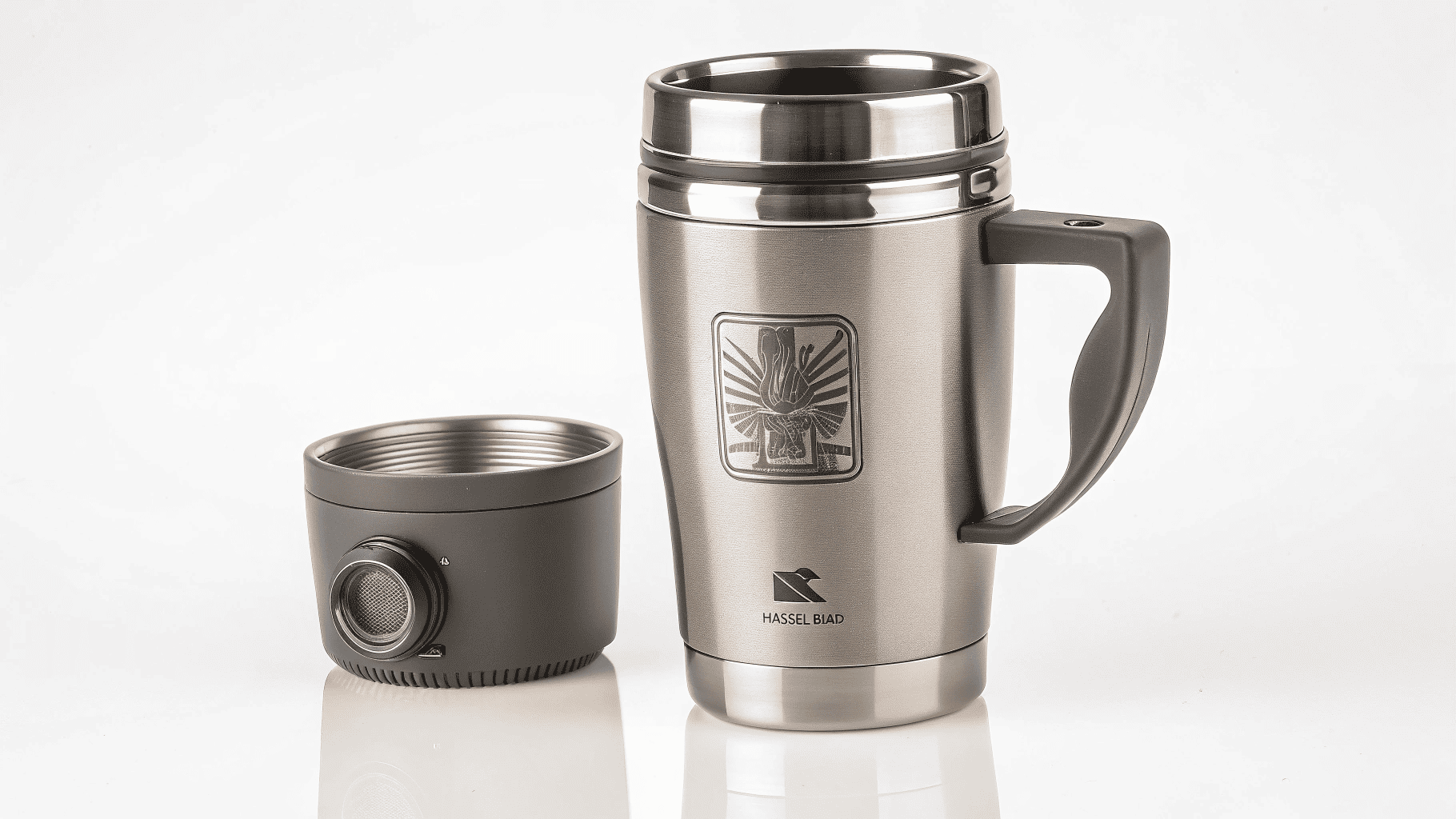
I explain to buyers that vacuum technology has been used for decades in laboratory equipment and industrial applications. The same physics apply to coffee mugs. The vacuum never touches the beverage. Two separate stainless steel walls contain the vacuum space. The inner wall contacts your drink. The outer wall touches your hand.
Quality manufacturers evacuate air through a tiny hole in the bottom. They then seal this hole with a copper or stainless steel plug. The seal must be permanent and leak-proof. I test this by submerging mugs in hot water. Bubbles indicate a failed seal. Failed seals mean the insulation stops working. But they create no safety hazards.
Material Safety Standards
The safety comes down to materials and manufacturing processes.
Both walls must use food-grade stainless steel. The inner wall needs particular attention because it contacts beverages. Some manufacturers use 304 for the inner wall and 201 for the outer wall. This saves money but creates problems. The outer wall can corrode. Corrosion eventually penetrates to the vacuum space.
I specify 304 stainless steel for both walls. This costs more upfront. But it eliminates long-term safety and quality concerns. My customers never receive complaints about rust or corrosion.
The welding process5 matters too. Poor welding introduces contaminants. It also creates weak points where corrosion starts. I visit factories to inspect welding equipment and techniques. Automated welding produces more consistent results than manual welding.
Real Safety Concerns
The actual safety issues have nothing to do with insulation technology.
Cheap suppliers skip proper cleaning after manufacturing. Metal dust, oil residues, and welding flux remain inside the mug. Customers taste these contaminants in their first beverage. I require suppliers to perform multi-stage cleaning. This includes degreasing, acid washing, and final rinse with purified water.
Lid design creates another concern. Poor sealing allows bacteria to grow in gaps between components. I once helped a buyer solve a mold problem. Their mugs had decorative ridges that trapped moisture. We redesigned the lid with smooth surfaces and proper drainage channels.
Long-Term Safety Performance
A safe mug stays safe for years. Poor quality mugs degrade over time.
The vacuum seal must remain intact. I recommend buyers request information about seal testing. Quality manufacturers test random samples from each production batch. They submerge mugs in hot water for 24 hours. Pressure changes reveal any microscopic leaks.
The stainless steel should show no pitting or corrosion after extended use. I keep sample mugs from every order. I check them annually. This helps me identify which suppliers maintain consistent quality. Several suppliers who looked good initially failed this long-term testing.
| Safety Factor | What to Check | Red Flags | Verification Method |
|---|---|---|---|
| Material Grade | 304/316 certification | No grade marking, vague claims | Request mill test certificates |
| Vacuum Seal | Sealed evacuation hole | Exposed hole, loose plug | Submersion bubble test |
| Interior Finish | Smooth, uniform surface | Rough patches, discoloration | Visual and tactile inspection |
| Component Assembly | Tight tolerances, proper fit | Gaps, loose parts | Assembly/disassembly test |
| Cleaning Protocol | Multi-stage process documented | No cleaning procedure provided | First-use taste and odor test |
Conclusion
Safe insulated thermal mugs require verified certifications and premium materials. I build my business on this foundation. Your customers and your reputation depend on getting these details right every single time.
-
Explore the advantages of insulated thermal coffee mugs for keeping beverages hot or cold. ↩
-
Explore the advantages of 316 stainless steel for premium food-grade applications. ↩
-
Learn about the safety and benefits of using food-grade silicone in products. ↩
-
Learn about the technology behind double-wall vacuum insulation and its benefits. ↩
-
Discover how the welding process affects the quality and safety of stainless steel products. ↩