
How to spec 8oz 304 dark-blue reusable bottles for school kits in 2026?
School procurement officers face a real problem when ordering water bottles for 2026 kits. Wrong specifications mean unhappy students and wasted budgets. I want to show you the exact specs that work.
An 8oz 304 stainless steel bottle for school kits needs these specifications: 237ml capacity, food-grade 18/8 material, powder-coated dark-blue finish with CE/FDA certification1, leak-proof lid, and dimensions around 6-7 inches tall by 2.5 inches diameter to fit school bags easily.
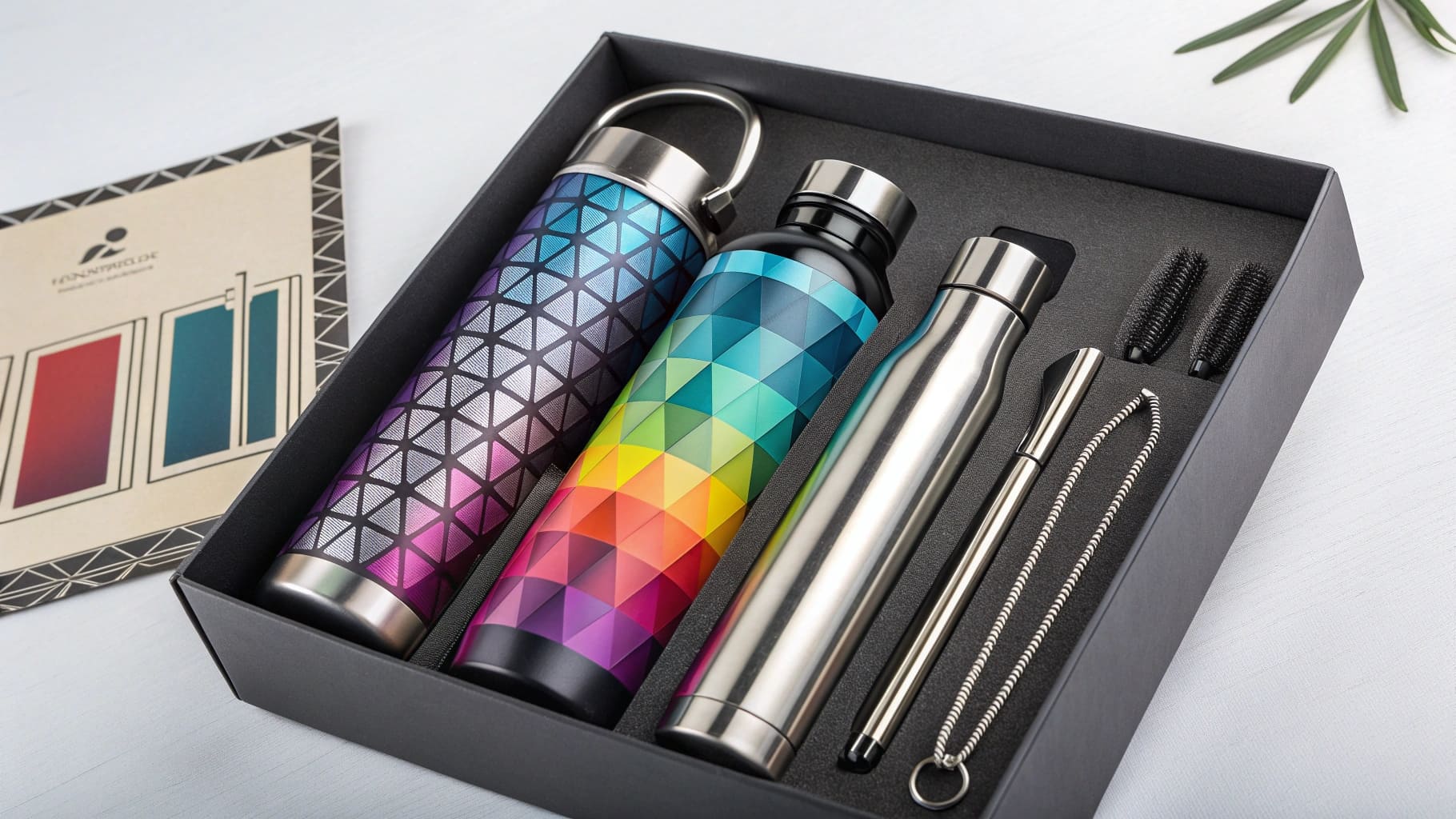
I have worked with hundreds of school kit buyers over the past decade. Most of them make the same mistakes when they first contact me. They focus only on price and color. Then they receive bottles that leak in backpacks or use cheap 201 stainless steel that corrodes within months. Let me walk you through the correct specifications that protect your investment.
What are the dimensions of an 8 oz water bottle?
You need precise measurements before placing bulk orders for school bottles. Wrong dimensions mean bottles that do not fit standard backpack pockets. I see this problem every time buyers skip the measurement verification step.
An 8oz water bottle typically measures 6-7 inches in height and 2.5 inches in diameter. This size fits comfortably in elementary students' hands and standard school bag side pockets without tipping over during transport.
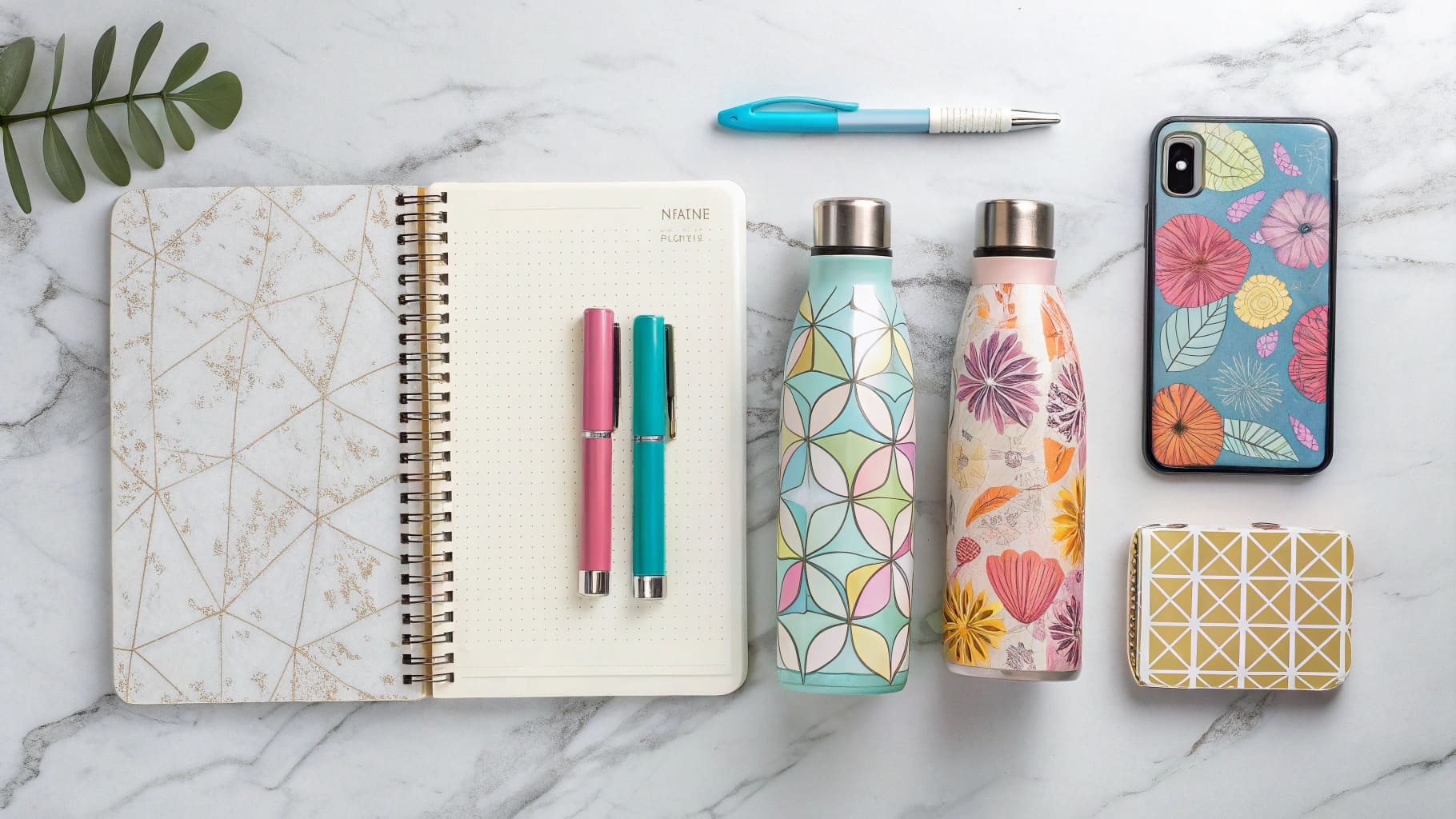
Understanding the 8oz capacity conversion
The 8oz measurement equals 237ml in metric units. I always provide both measurements to my clients. Some school districts use imperial units. Others prefer metric. You need to know both when you write your purchase order.
The height range of 6-7 inches depends on the bottle design. A slim bottle with a narrow base tends to be taller. A bottle with a wider base sits shorter. The diameter of 2.5 inches works well for young hands. Children aged 5-8 can grip this size without strain.
Physical dimensions table
| Specification | Measurement | Purpose |
|---|---|---|
| Capacity | 8oz (237ml) | Single serving size |
| Height | 6-7 inches | Fits backpack pockets |
| Diameter | 2.5 inches | Child-friendly grip |
| Mouth opening | 1.5-2 inches | Easy cleaning access |
| Weight (empty) | 150-200g | Lightweight for children |
I recommend you request a physical sample before finalizing orders. Digital specs look good on paper. The actual bottle needs to feel right in a child's hand. I send samples to all serious buyers because this step prevents costly mistakes later.
What is a good size water bottle for school?
School administrators often ask me about the best bottle size for student kits. An 8oz bottle seems small for a full school day. I have seen many schools regret ordering capacity that is too limited for student needs.
The best size water bottle for school ranges from 12oz to 16oz capacity. This range provides enough hydration for a full day without being too heavy for elementary students to carry comfortably in their backpacks.
Why 12-16oz outperforms 8oz for school use
Students spend 6-8 hours at school each day. Health guidelines recommend children drink water regularly throughout the day. An 8oz bottle requires multiple refills. This creates problems in schools with limited water fountain access.
I worked with a school district in California last year. They initially wanted 8oz bottles to reduce costs. I explained that students would need to refill 3-4 times daily. The school had only two water fountains for 500 students. They switched to 14oz bottles. The feedback from teachers was excellent. Students stayed hydrated without missing class time for constant refills.
Capacity comparison for school environments
| Bottle Size | Refills Needed | Best For | Weight Consideration |
|---|---|---|---|
| 8oz (237ml) | 3-4 times daily | Preschool, short programs | Very light (150g) |
| 12oz (355ml) | 2-3 times daily | Elementary school | Light (180g) |
| 16oz (473ml) | 1-2 times daily | Middle school | Moderate (220g) |
| 20oz+ | 1 time daily | High school, sports | Heavy for young children |
The 8oz size works well for specific applications. Short school programs of 2-3 hours benefit from this compact size. Preschool programs where teachers supervise hydration closely can use 8oz bottles effectively. Full-day school kits need larger capacity. You should match the bottle size to the actual daily schedule and student age group.
What is the best material for reusable bottles?
Material choice determines whether your school bottles last one year or five years. I receive complaints from buyers who chose aluminum or plastic bottles to save money. These materials fail quickly under daily student use.
Food-grade 18/8 stainless steel (304 grade) is the best material for reusable school bottles. This material is BPA-free2, corrosion-resistant, durable enough for daily student use, and maintains beverage temperature through double-wall vacuum insulation technology.
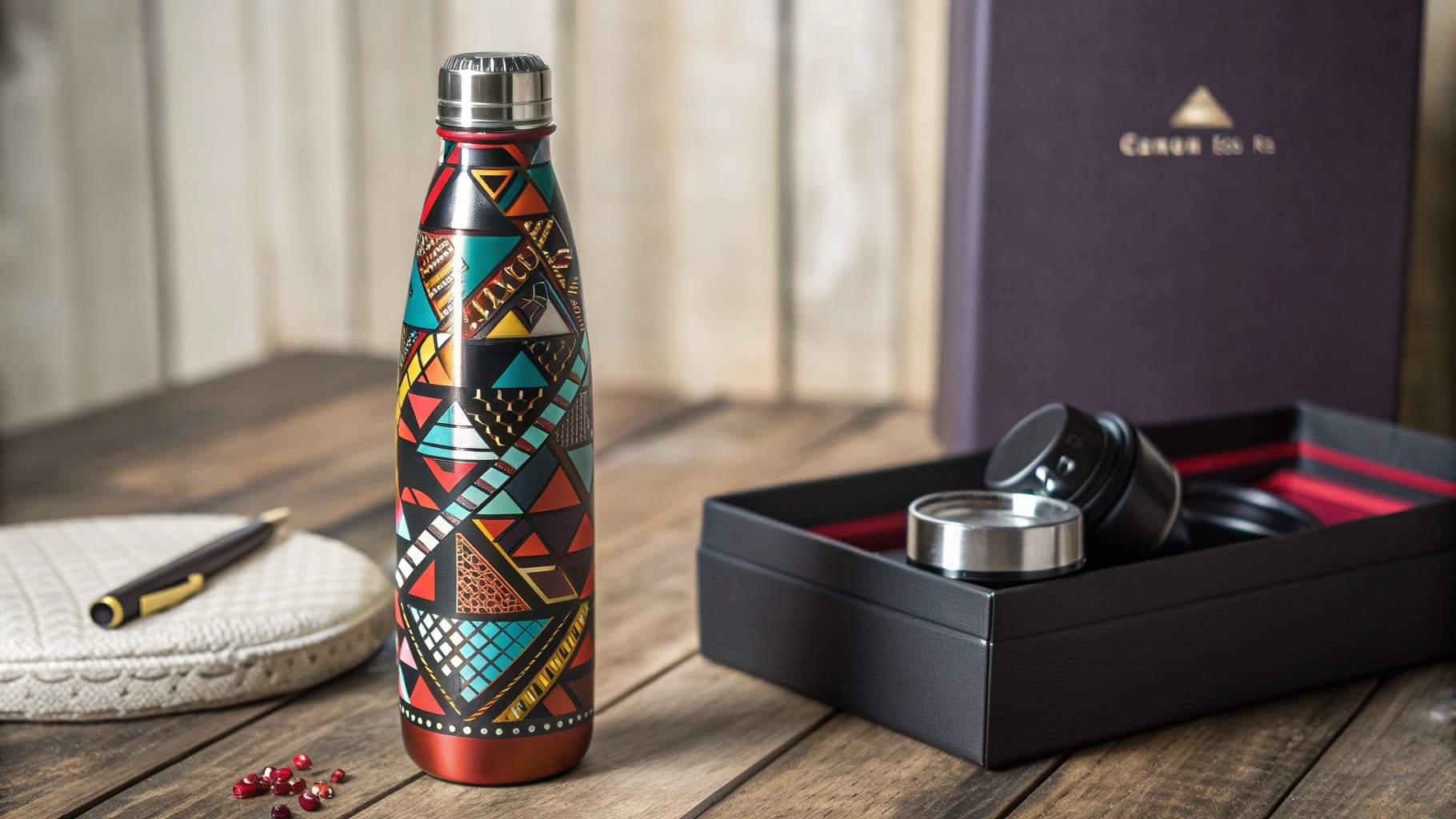
Why 304 stainless steel beats other materials
The 304 grade stainless steel contains 18% chromium and 8% nickel. This composition creates a protective layer that resists corrosion. Students often leave bottles with juice or milk residue overnight. Lower quality materials like 201 stainless steel corrode when exposed to acidic beverages repeatedly.
I had a buyer from a Canadian school district contact me three years ago. Their previous supplier provided 201 stainless steel bottles at a low price. Within six months, the bottles showed rust spots inside. Parents complained about safety concerns. The school had to replace all 2,000 bottles. They came to me for 304 grade replacements. Those bottles are still in use today with zero corrosion issues.
Material comparison for school bottles
| Material | Durability | Safety | Temperature Retention | Cost Factor |
|---|---|---|---|---|
| 304 Stainless Steel | Excellent (5+ years) | Food-grade, BPA-free | 6-12 hours | Higher initial investment |
| 201 Stainless Steel | Poor (6-12 months) | Corrodes with acidic drinks | 4-6 hours | 30% cheaper upfront |
| Aluminum | Moderate (2-3 years) | Requires inner coating | 2-4 hours | Mid-range price |
| Plastic (BPA-free) | Poor (1 year) | Absorbs odors and stains | No insulation | Lowest cost |
Dark-blue powder coating specifications
The dark-blue finish needs proper coating technology. Powder coating provides better durability than spray painting. The coating must meet CE, FDA, and LFGB certifications. These certifications ensure the coating does not contain harmful chemicals that could leach into beverages.
I test coating durability by scratching samples with keys and coins. Good powder coating shows minimal damage. Poor coating flakes off easily. Schools need bottles that look professional throughout the academic year. Dark-blue color hides minor scratches better than lighter colors. This color also works as a gender-neutral option that all students accept equally.
Essential features beyond material
Leak-proof lids prevent backpack disasters that damage textbooks and electronics. Wide-mouth openings allow easy cleaning and ice cube insertion. Integrated carrying handles help young students transport bottles independently. These features matter as much as the base material when you specify school bottles for 2026 delivery.
You should request certification documentation3 with every order. I provide CE, FDA, and LFGB certificates to all buyers automatically. Some suppliers claim certifications they do not actually hold. This creates serious liability issues if health inspectors test the bottles later. Always verify certificates directly with testing laboratories before finalizing large orders.
Conclusion
Specifying 8oz 304 dark-blue school bottles requires attention to dimensions, appropriate capacity sizing, premium 304 material selection, and certified powder coating. These specifications protect your investment and ensure student safety through 2026 and beyond.