
Tired of that funky smell in your reusable bottle? You want a fresh sip every time, but stubborn odors linger. It’s frustrating, right?
Yes, you can keep your bottle fresh! Regular washing with soap and hot water is key. For stubborn smells, baking soda or vinegar solutions work wonders. This prevents buildup and odor.
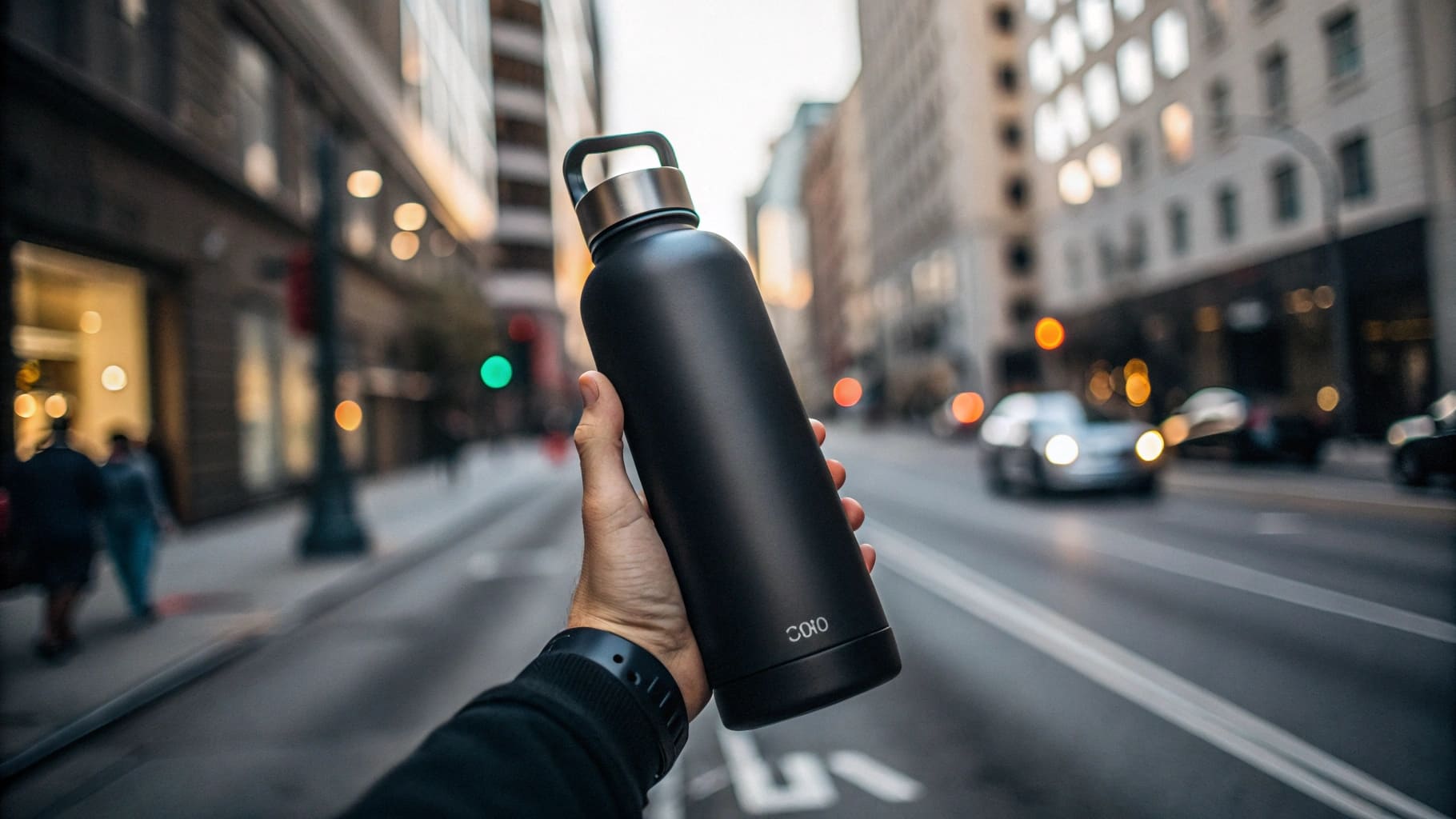
It's a common problem for anyone who uses a reusable bottle. We all want that clean taste. But what if the bottle itself makes cleaning harder? As someone who supplies these bottles from my company, Icobottle, I've learned that how easily a bottle can be cleaned is just as important as how you clean it. So, let's look at the best ways to clean. I'll also share some thoughts on what makes a bottle easy to keep fresh in the first place. This is something my business customers, often procurement officers or startup bosses, always appreciate knowing.
How to properly clean reusable water bottles?
Your bottle looks clean, but is it truly? Germs and grime can hide. You need a simple, effective cleaning routine for healthy hydration and peace of mind.
To properly clean, disassemble your bottle. Wash all parts with warm, soapy water. Use a bottle brush for the inside and lid threads. Rinse well and air dry completely.
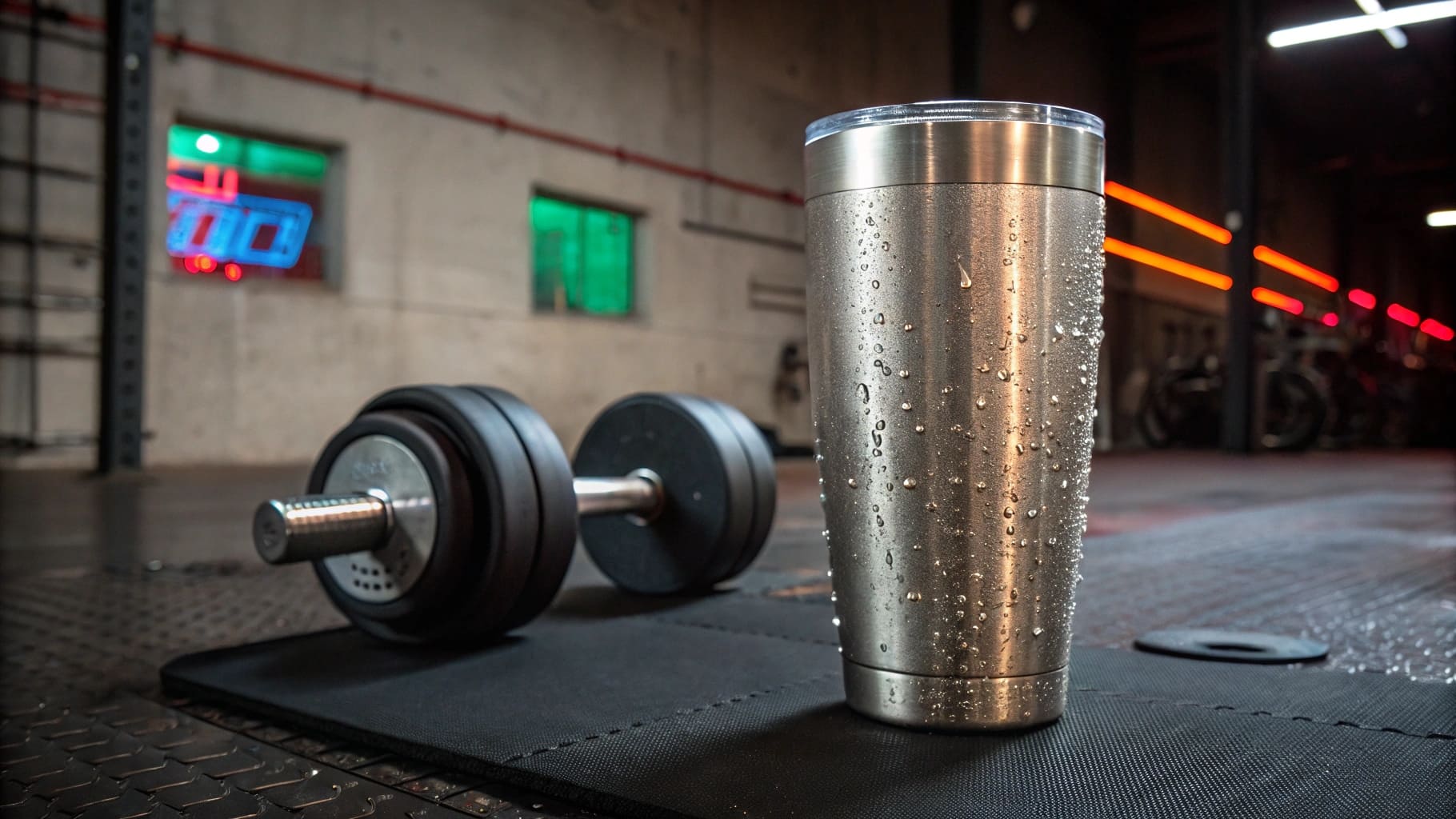
Proper cleaning goes beyond a quick rinse under the tap. It means getting rid of things you can't always see, like bacteria or tiny bits of old drinks. Think about all the places residue can hide. This is especially true for bottles with complex lids or very narrow necks. I've seen many designs in my years of supplying stainless steel water bottles.
Key Cleaning Steps: A Breakdown
- Disassemble First: Always take your bottle apart before washing. This means separating the lid from the bottle. If your lid has multiple parts, like a spout, seal, or straw, take those apart too. This is where good design really matters. I always advise my clients, who are often brand owners or procurement officers looking for wholesale bottles, to look for designs that are easy to take apart and put back together. Fewer complex parts mean fewer hidden spots for gunk.
- Wash Thoroughly with Soap: Use warm water and a bit of regular dish soap. A good bottle brush1 is your best friend here. It needs to be long enough to reach the bottom of the bottle. Scrub the inside walls and the bottom well. For the lid, pay special attention to the threads where it screws on, and any nooks in the spout or seals.
- Rinse Very Well: Soap residue can affect the taste of your water. It can even attract more dirt later on. So, rinse every part thoroughly with clean water until no soap bubbles remain.
- Air Dry Completely: This step is super important. Trapped moisture is a perfect breeding ground for bacteria and those unwanted smells. Let all parts air dry separately before you put the bottle back together. Placing them on a clean dish towel or drying rack works well. A wide-mouth bottle, for instance, dries much faster than a narrow-necked one because air can circulate better. When sourcing bottles for my B2B customers, I often highlight that choosing designs that air dry easily is a smart move for end-user satisfaction.
| Feature to Consider | Why it Matters for Easy Cleaning | My Tip for B2B Buyers (Procurement, Startups) |
|---|---|---|
| Wide Mouth Opening | Allows easy access for a cleaning brush, better airflow for drying. | Prioritize wide-mouth designs2. They improve user convenience significantly. |
| Simple Lid Design | Fewer small crevices where gunk can hide and build up. | Opt for lids with minimal, easy-to-clean parts. Simplicity is key. |
| Easy Disassembly | Allows thorough cleaning of all hidden surfaces and seals. | Ensure bottles and lids can be fully and easily disassembled without special tools. |
Getting these cleaning details right makes a huge difference for the person using the bottle every day. And for my business clients, it means happier customers and a better reputation for the products they sell.
How do you clean a water bottle so it doesn't smell?
That musty, unpleasant odor in your water bottle is a real turn-off. You reach for a refreshing drink, but get a whiff of something stale. It’s not what you want.
To prevent smells, clean your bottle daily with soap and water. For existing odors, use baking soda paste or a vinegar solution. Let it sit, then scrub and rinse thoroughly.
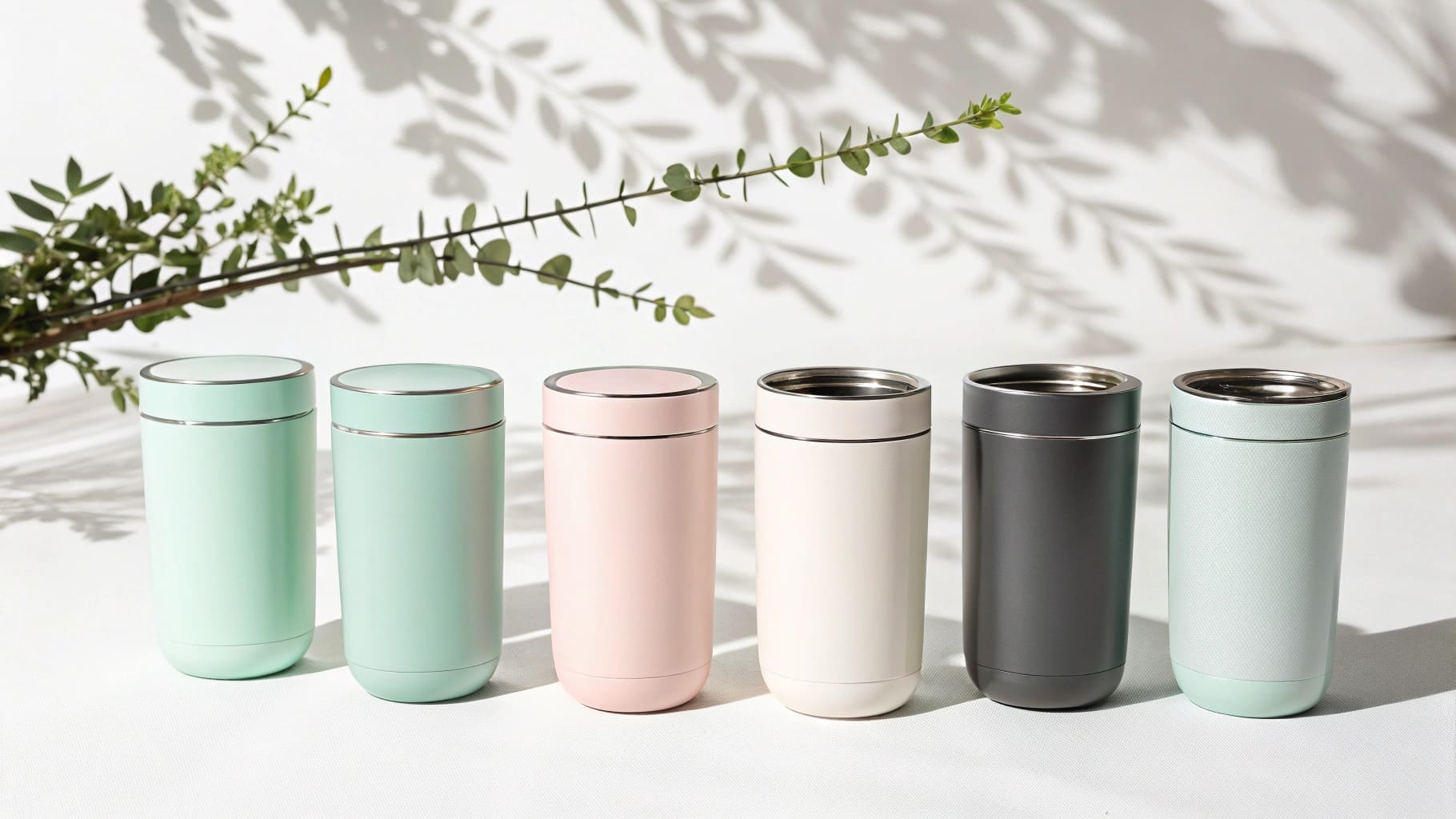
Bad smells in water bottles usually come from bacteria or mold. These tiny things love to grow when there's leftover drink residue and moisture. Coffee, tea, or sugary drinks are especially good at leaving behind a film that feeds these odor-causing culprits. Even plain water, if left too long in a sealed bottle, particularly in warm conditions, can start to smell a bit stale or musty.
Effective Deodorizing Methods You Can Use:
- Baking Soda Power: This is a classic for a reason. Mix a few tablespoons of baking soda with a little water to make a paste. Spread this paste inside the bottle and on the lid, especially in the threads and any seals. Let it sit for at least 15-30 minutes. For really tough smells, you can leave it overnight. Then, add some warm water, scrub well with a bottle brush, and rinse very, very well. Baking soda is great because it absorbs odors and is mildly abrasive, helping to scrub away residue.
- The Vinegar Rinse: White vinegar is another excellent deodorizer and disinfectant. Fill the bottle about one-third to one-half full with a solution of equal parts white vinegar and water. Close the lid and swish it around well, making sure the solution coats all interior surfaces. Let it sit for a few hours, or even overnight for stubborn odors. After soaking, pour out the vinegar solution, scrub if needed, and rinse thoroughly with plain water. The vinegar smell will go away completely once the bottle is dry.
- Regular Cleaning is Your Best Defense: The best way to stop smells is to prevent them from starting. Try to wash your bottle every day, or at least every other day, especially if you use it for anything other than plain water. A quick wash with soap and water is often enough for daily maintenance.
From my perspective as a supplier at Icobottle, material choice is vital in preventing odors. We primarily use high-quality, food-grade stainless steel, such as 304 stainless steel. This material is non-porous. This means it doesn't absorb flavors or odors as easily as some plastics can. When my clients, who are often looking to import and rebrand bottles for the American or European markets, ask about odor resistance, I always point to the quality of the steel. Also, a smooth interior finish, free from tiny crevices, means fewer places for smelly residues to cling to. This is a detail we pay close attention to in our manufacturing.
| Cleaning Agent | How it Works to Remove Odors | Best For Tackling |
|---|---|---|
| Baking Soda | Absorbs odors, acts as a mild abrasive | General bad smells, lingering residues |
| White Vinegar | Kills bacteria, neutralizes alkaline odors, dissolves some mineral buildup | Stubborn odors, mustiness, some stains |
| Regular Dish Soap | Breaks down oils and daily grime | Daily cleaning, preventing odor buildup |
By understanding these methods and the importance of material quality, you can ensure your customers enjoy fresh-tasting drinks every time.
How to remove smell from steel bottle?
Your trusty stainless steel bottle is great, but now it has a strange metallic tang or a lingering odor from yesterday's coffee. This is annoying when you expect a pure, clean taste.
For steel bottles, specific smells can sometimes arise. Use baking soda paste or a diluted vinegar soak. Ensure thorough rinsing. Sometimes, simply airing it out completely after washing helps.
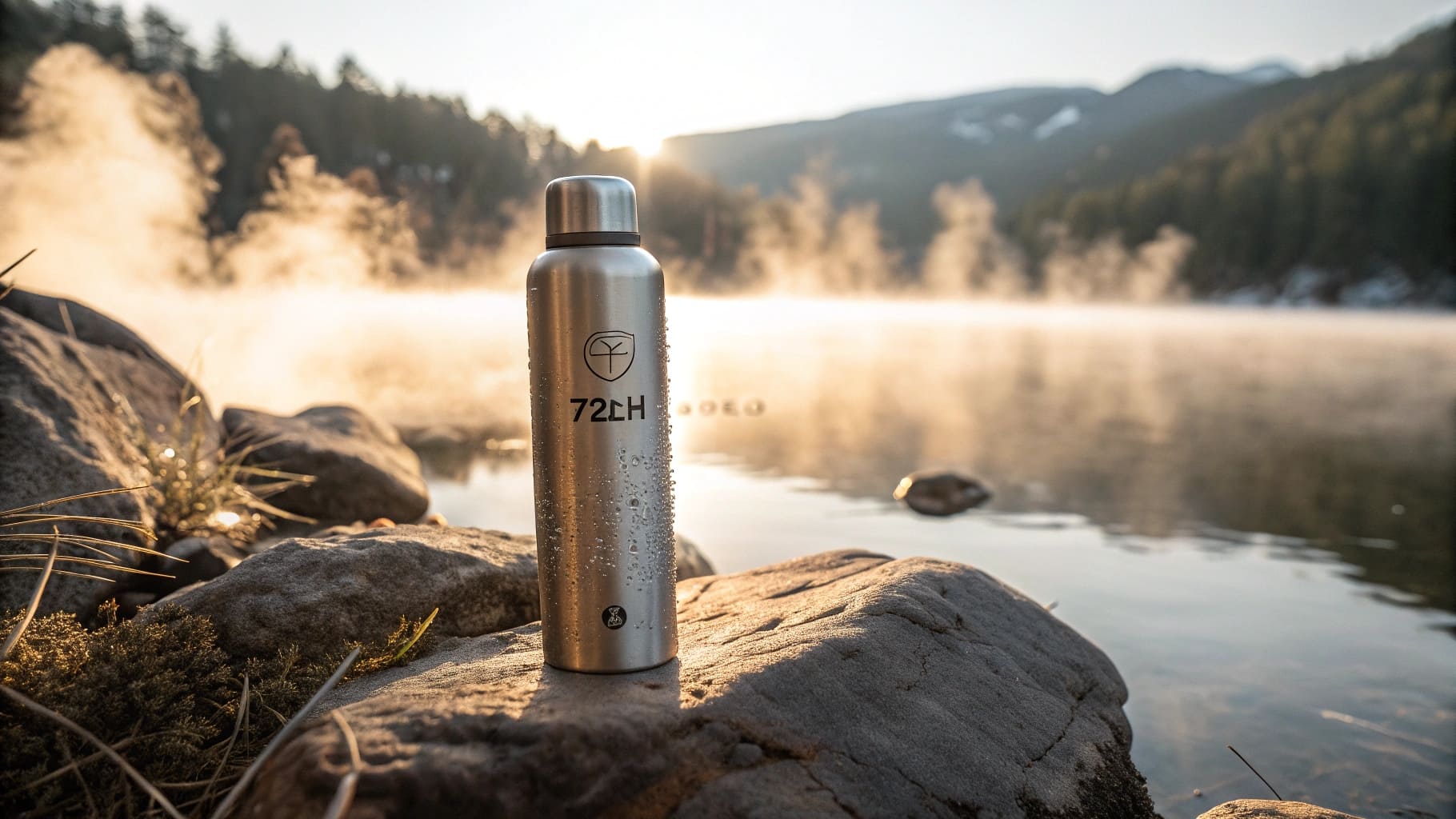
Stainless steel itself is highly resistant to odors. That's one of its biggest advantages and why it's so popular for food and beverage containers. When a steel bottle does develop a smell, it's usually because of a few specific reasons, not the steel itself. As a manufacturer and supplier through Icobottle, I've encountered these questions from clients like Mark Shenng in Canada, who values quality.
Why Steel Bottles Can Sometimes Smell and What to Do:
- Trapped Residue in Nooks: Most often, odors in steel bottles come from tiny particles of coffee, tea, protein shakes, or fruit juice that get stuck in hard-to-reach places. The main culprits are usually the lid threads, seals, or any complex spout mechanisms. These organic residues then start to break down and cause smells.
- Manufacturing Oils or Polishing Compounds (Very Rare for Quality Bottles): Very rarely, a brand new bottle might have a slight metallic or oily smell from the manufacturing process. A good initial wash with hot, soapy water usually solves this. At Icobottle, we ensure our products undergo thorough cleaning post-production to minimize this.
- Hard Water Minerals: If you live in an area with hard water, mineral deposits (like calcium) can sometimes build up on the inside of the bottle over time. While usually tasteless, a heavy buildup might contribute to an off-taste or a slight smell.
Targeting Smells in Steel Bottles Effectively:
- Focus on the Lid: As mentioned, lids are often the main source of odors. Disassemble it completely if possible. Soak all lid parts in a warm water solution with either baking soda (a few tablespoons) or white vinegar (about a 1:1 ratio with water) for at least 30 minutes. Use a small brush (an old toothbrush works well) to get into all the grooves, threads, and around any silicone seals. Rinse thoroughly.
- Boiling Water for the Bottle Body (Use with Caution): For a very stubborn smell in the stainless steel bottle body itself (not the lid, especially if it has plastic parts or delicate seals!), you can carefully pour boiling water into it. Let it sit for a few minutes, then carefully pour it out. Be extremely careful when handling boiling water to avoid burns. This helps to sanitize and dislodge any stubborn, stuck-on residues. Always check if your specific bottle type is rated safe for boiling water. Most quality single-wall stainless steel bottles are fine, but insulated ones might have different considerations.
- The Importance of Steel Grade: As I often discuss with my B2B clients, the grade of stainless steel matters for long-term performance. We use food-grade 304 (also known as 18/8) stainless steel as a standard for Icobottle products because it offers excellent corrosion resistance and is non-reactive. For clients who require even higher corrosion resistance, perhaps for very acidic drinks or specific industrial applications, 316 stainless steel is an even better option. Better corrosion resistance can also mean less chance of any metallic taste transfer over very long-term use, although this is extremely rare with quality 304 steel.
For B2B buyers, like procurement officers from large companies or startup bosses looking to source products, understanding these nuances is key. When you're evaluating suppliers, asking about the grade of stainless steel used (like 304 or 316), the design of the lid for easy cleaning, and the supplier's quality control for cleanliness can save your customers (and ultimately your brand) a lot of hassle down the line. A bottle that's easy to clean and inherently odor-resistant is a mark of quality that discerning customers appreciate. Mark, my client, is sensitive to quality and this is a point we often discuss.
| Issue in Steel Bottle | Targeted Solution for Steel Bottles | B2B Sourcing Consideration (for buyers like Mark) |
|---|---|---|
| General Lingering Odor | Baking soda paste soak, or vinegar soak. | Ensure supplier uses high-quality 304 or 316 food-grade stainless steel for its inherent odor resistance. |
| Odor from Lid Area | Disassemble lid completely. Soak parts in baking soda/vinegar. Scrub crevices and seals. | Select bottle designs with simple lid mechanisms that are easy for the end-user to take apart and clean thoroughly. |
| Slight Metallic Taste (Often in new or poorly cleaned bottles) | Thorough initial wash with hot, soapy water. A boiling water rinse (bottle body only, with care). | Confirm with supplier about their post-production cleaning processes. High-grade steel minimizes this. |
| Hard Water Buildup | Vinegar soak can help dissolve minerals. | While not a manufacturing issue, inform clients in hard water areas about occasional descaling with vinegar. |
Ensuring these details helps maintain the bottle's integrity and the pure taste of its contents.
Conclusion
Regular cleaning keeps your bottle fresh and odor-free. Choosing well-designed bottles made from quality materials, like good stainless steel, makes this task much easier for everyone.