
How to plan tumbler SKUs by channel: Amazon FBA vs retail gift sets mix?
You ordered 5,000 tumblers last season. Half went to Amazon, half to retail stores. Now you have 2,000 units sitting in expensive FBA storage while retail buyers want gift sets you cannot fulfill. The SKU planning was wrong.
Amazon FBA needs high-volume single SKUs with standardized packaging and free FBA labels. Retail gift sets need custom bundles with premium packaging and lower MOQs per configuration. Plan separate SKU streams for each channel using manufacturers who support both.
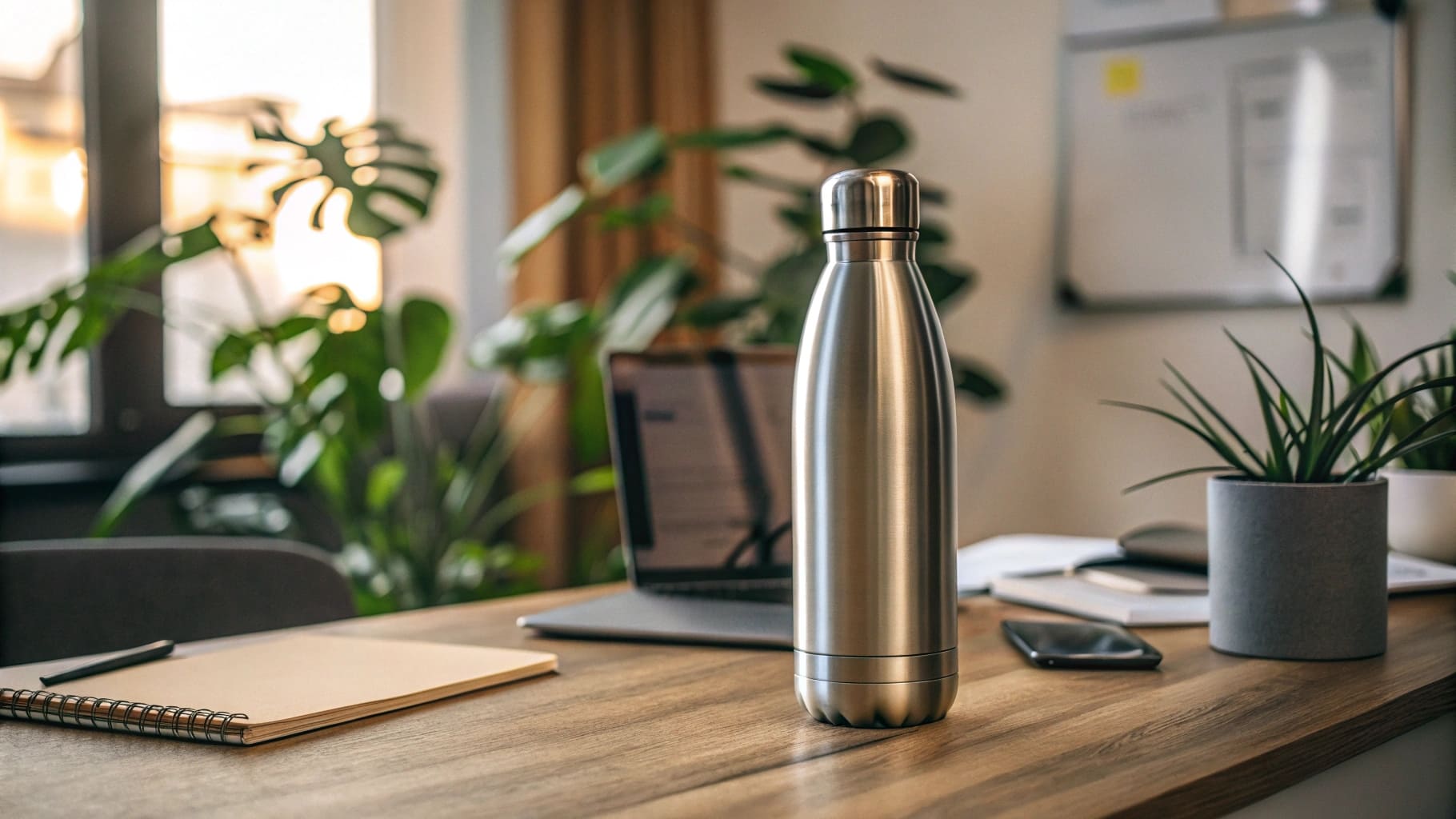
I learned this lesson three years ago when a Canadian buyer ordered 3,000 units without separating his Amazon and retail inventory strategy. His Amazon listings performed well but his retail partners rejected the plain carton packaging. He lost the retail contracts and came back asking for custom gift box solutions on a rush timeline. The cost was 40% higher than it should have been. That experience taught me that channel-specific SKU planning starts at the ordering stage, not after the containers arrive.
Is retail arbitrage allowed on Amazon?
You bought tumblers wholesale, rebranded them, and now wonder if selling them on Amazon violates platform rules. Many buyers worry about account suspension when their business model involves purchasing from suppliers and reselling under their brand name.
Retail arbitrage is allowed on Amazon if you own the brand rights or have proper authorization. The key difference: buying generic products and applying your registered trademark is private labeling, not arbitrage. Amazon supports this business model.
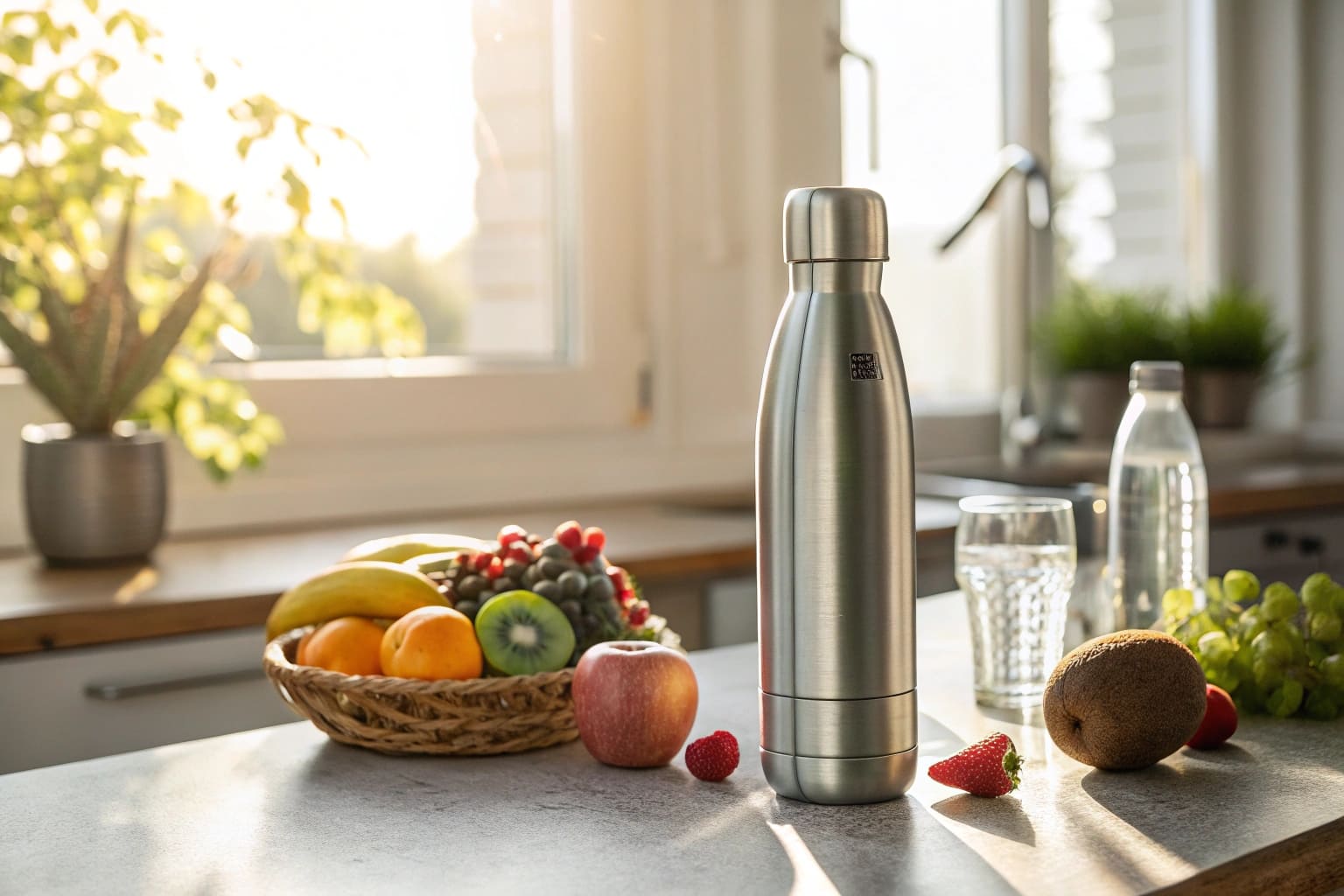
Understanding Amazon's Brand Registry Requirements
Amazon distinguishes between three business models. Retail arbitrage means buying branded products from retail stores and reselling them on Amazon without brand owner permission. Private labeling means working with manufacturers to create products under your owned trademark. Wholesale means authorized distribution of existing brands. The table below shows the compliance requirements:
| Business Model | Brand Ownership | Trademark Required | Amazon Policy |
|---|---|---|---|
| Retail Arbitrage | None | No | Risky - brand complaints common |
| Private Label | You own it | Yes | Fully supported with Brand Registry |
| Authorized Wholesale | Brand owner's | No | Allowed with authorization letters |
When you work with us to customize tumblers with your logo, you are private labeling. You need a registered trademark in your target market. We provide the product, you own the brand. Amazon's Brand Registry program protects your listings from hijackers once you enroll with your trademark number. The business structure is clean and sustainable. I have worked with 47 buyers who built their Amazon presence this way since 2019. None faced account issues related to product sourcing when they followed the private label model with proper trademark registration. The confusion about "arbitrage" usually comes from buyers who have not yet registered their brand. Once you have that trademark certificate, your business model shifts from arbitrage to legitimate brand building.
What is the best business structure for Amazon FBA?
You want to scale your tumbler business on Amazon but worry about taxes, liability, and cross-border complexity. The wrong business structure creates unnecessary costs or exposes you to legal risks you did not plan for.
The best structure for Amazon FBA depends on your country and scale. Most serious sellers use an LLC in the US or equivalent limited company in their home country to separate personal liability and access Amazon Brand Registry benefits.
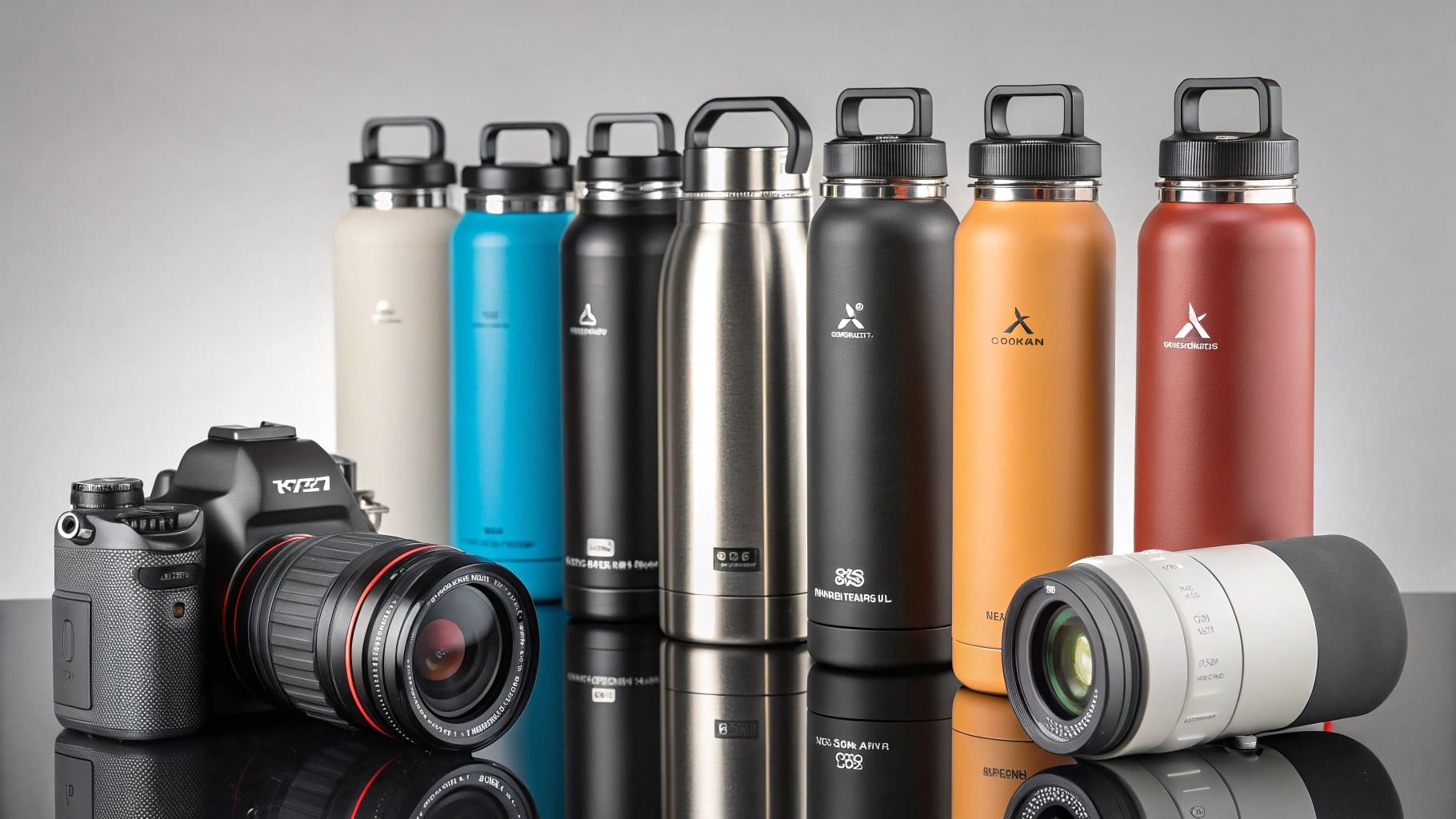
Comparing Business Structure Options for FBA Sellers
Your business structure affects three critical areas: liability protection, tax treatment, and Amazon's verification requirements. Sole proprietorships are easiest to start but offer no liability protection. If a customer lawsuit happens, your personal assets are at risk. LLCs create a legal barrier between your business and personal finances. Corporations offer similar protection but come with more complex tax filing requirements. The choice depends on your sales volume and growth plans:
| Structure Type | Liability Protection | Tax Complexity | Amazon Account Setup | Best For |
|---|---|---|---|---|
| Sole Proprietor | None | Simple | Easy | Testing phase under $50k/year |
| LLC / Ltd Company | Full | Moderate | Requires EIN/registration | Scaling phase $50k-$500k/year |
| S-Corp / C-Corp | Full | Complex | Requires legal filing | Established brands over $500k/year |
I work mainly with buyers who already formed LLCs or limited companies before their first container order. This structure gives them credibility during payment negotiations and customs clearance. Mark, the Canadian buyer I mentioned earlier, operates as an Ontario corporation. This structure helped him open business bank accounts, establish net-30 terms with logistics partners, and register his trademark without complications. When he expanded to the US market, his corporate structure made opening an Amazon US seller account straightforward because Amazon verified his business registration documents quickly. The upfront cost of forming an LLC ranges from $100 to $800 depending on the state or country. That investment protects you if product liability issues arise and makes working with B2B suppliers like us more efficient because we can verify your business legitimacy through public registries.
What is the most profitable category on Amazon?
You want to launch tumblers on Amazon but wonder if the category is saturated or if other product lines offer better margins. Profitability data influences your SKU selection and inventory investment decisions.
Drinkware including tumblers ranks among Amazon's top-20 profitable categories with margins between 30-50% for private label sellers. The category has high search volume, repeat purchases, and customization opportunities that support premium pricing despite competition.
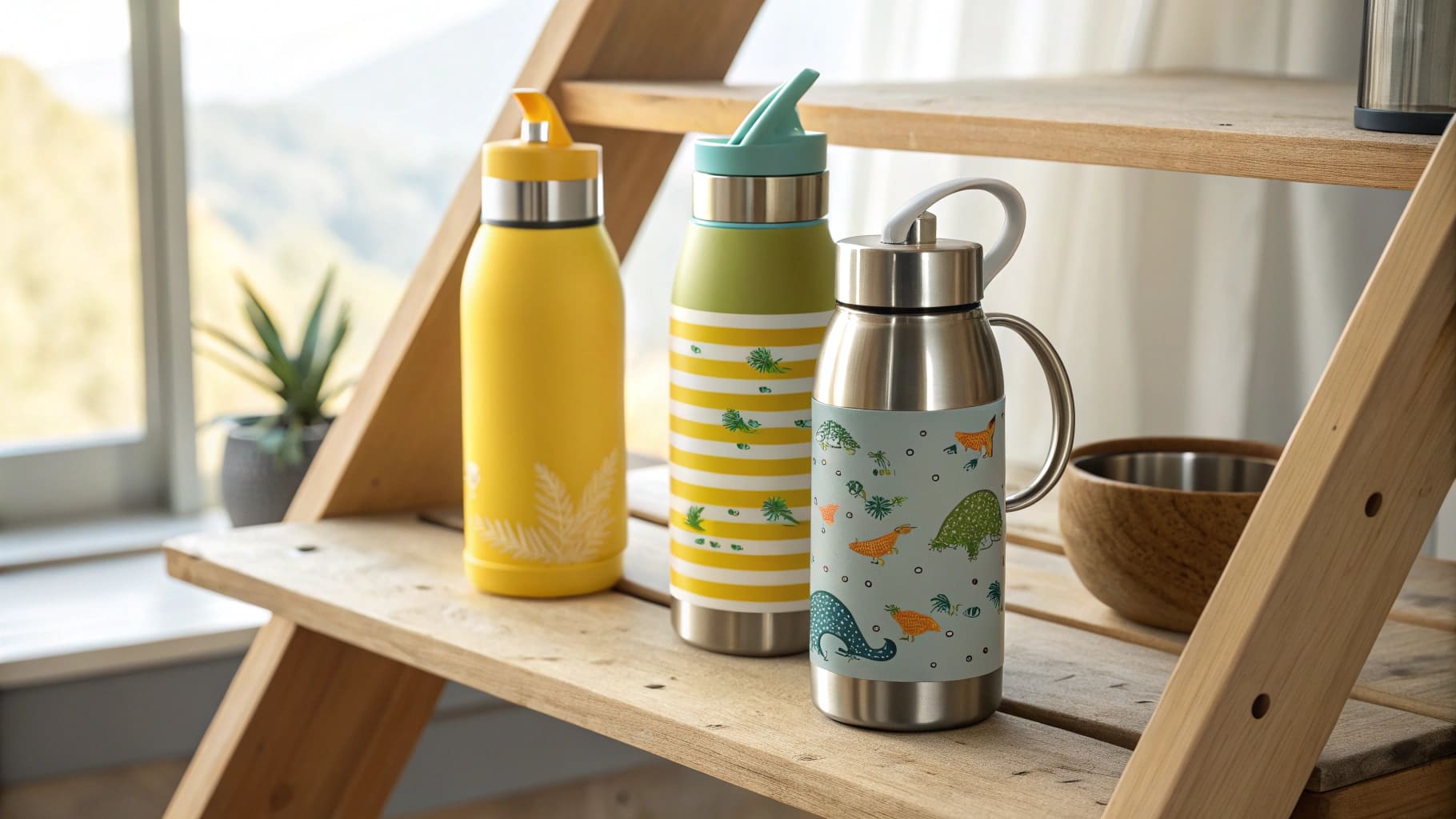
Breaking Down Tumbler Profitability on Amazon FBA
Category profitability depends on four factors: product cost, Amazon fees, advertising spend, and achievable retail price. Tumblers perform well because the manufacturing cost is predictable, the product is durable so return rates stay low, and customers accept premium pricing for quality and design. Here is how a typical 20oz stainless steel tumbler breaks down financially:
| Cost Component | Amount per Unit | Percentage of Sale Price |
|---|---|---|
| Manufacturing Cost (MOQ 1,000+) | $3.50 - $4.50 | 17-22% |
| Shipping & Customs | $1.20 - $1.80 | 6-9% |
| Amazon FBA Fees | $4.85 - $5.20 | 24-26% |
| Amazon Advertising (PPC) | $2.00 - $3.00 | 10-15% |
| Retail Price | $19.99 - $21.99 | 100% |
| Net Profit | $6.44 - $9.44 | 32-47% |
The profit margin assumes you optimize your supply chain. Buyers who order less than 500 units per SKU pay 25-30% more in manufacturing costs, which cuts profit to 15-20%. That is why I recommend the 1,000-piece threshold. At that volume, we include free product photography, free FBA labeling, and free warehousing for up to two months. These services save you $800-$1,200 per SKU in external costs. The most profitable tumbler sellers I work with focus on 2-3 core SKUs at high volume rather than 10+ SKUs at low volume. They achieve economies of scale in manufacturing while keeping inventory management simple. Competition exists in every category on Amazon. Tumblers face competition but the market keeps growing because of corporate gifting demand, fitness trends, and environmental awareness driving reusable drinkware adoption. Your profitability comes from brand differentiation and operational efficiency, not from finding an "undiscovered" category.
Planning Amazon FBA SKU Strategy
Amazon FBA requires different SKU planning than retail channels. You need to think about storage fees, fulfillment speed, and listing optimization. I recommend starting with 2-3 capacity options (20oz and 30oz) in 3-4 proven colors (black, white, stainless steel, navy blue). This creates 6-12 SKUs total. Each SKU should hit 1,000-piece minimum order quantity to unlock free services that improve your listing quality and reduce time-to-market.
We affix all Amazon FBA labels for free when you order 1,000+ pieces per SKU. This includes FNSKU labels on each unit, carton labels, and pallet labels if you ship full containers. We understand Amazon's packaging requirements so your shipments pass receiving without delays. We also provide 3-5 white background product photos for each SKU at this order volume. These photos meet Amazon's main image requirements and give you a foundation for A+ Content. The combination of free labeling and free photography reduces your pre-launch costs by approximately $1,200 per SKU.
Storage strategy matters on Amazon FBA because long-term storage fees start after 365 days and increase substantially. We offer free warehousing for 1-2 months at our facility. This lets you split shipments to different Amazon fulfillment centers based on demand patterns without paying storage fees at both locations. Some buyers send 60% of inventory to Amazon immediately and keep 40% at our warehouse for replenishment 4-6 weeks later. This approach balances inventory availability with cost control.
Planning Retail Gift Set SKU Strategy
Retail gift sets follow different rules than Amazon FBA. You need visual shelf appeal, premium packaging, and configurations that justify higher price points. A single tumbler in a brown carton works for Amazon but fails in retail where customers evaluate products through packaging before touching the item itself. Gift sets combine tumblers with accessories like cleaning brushes, stainless steel straws, silicon boots, or paracord handles. The bundle creates perceived value above the individual components.
Custom packaging drives retail gift set success. We design gift boxes with your brand colors, logo placement, and product information windows. The packaging cost adds $1.50-$2.50 per unit but supports retail prices 35-50% higher than basic configurations. A 20oz tumbler that sells for $12 wholesale in plain packaging can sell for $18-$22 as a gift set in custom packaging. The margin improvement justifies the packaging investment. Retail buyers prefer gift sets for holiday seasons, corporate gifting programs, and promotional events. These occasions represent 60-70% of retail tumbler volume outside of summer months.
MOQ flexibility becomes important for retail gift sets because you are testing multiple configurations. We accept customization for small orders depending on your project requirements. You might order 500 units of a holiday-themed gift set to test retail response before committing to 2,000 units. This flexibility reduces risk when you are entering new retail accounts or testing seasonal designs. Payment terms also adapt to order size. We accept PayPal for small orders under $5,000, which gives you buyer protection and faster transaction processing compared to traditional wire transfers.
Multi-Channel Inventory Management
Managing inventory across Amazon FBA and retail channels creates complexity if you treat them as one pool. I recommend separating SKUs by channel from the manufacturing stage. Your Amazon FBA SKUs use standardized packaging with FNSKU labels applied at our facility. Your retail SKUs use custom gift boxes without Amazon labeling. This separation prevents mistakes where Amazon-labeled units accidentally ship to retail accounts or retail gift sets create confusion in Amazon fulfillment centers.
We ship directly to Amazon fulfillment centers or to your specified warehouse addresses. You can split one production run into multiple destinations. For example, a 3,000-unit order might split: 2,000 units to Amazon FBA warehouses (we apply FNSKU labels), 800 units to your retail distribution center (custom gift box packaging), and 200 units to your office for marketing samples. We coordinate the logistics and provide separate documentation for each destination. This service eliminates the need for you to receive full shipments and repackage or relabel before forwarding to final destinations.
The payment structure for multi-channel orders follows industry standards: 30% deposit after you sign the order confirmation and 70% balance against copy of bill of lading before shipment. This protects both parties and aligns with letter of credit requirements if your bank prefers that payment method. We provide proforma invoices that detail SKU quantities, packaging specifications, and destination addresses before production starts so you can verify everything matches your channel planning strategy.
Conclusion
Plan separate SKU streams for Amazon FBA and retail from the start. Use manufacturers who provide channel-specific services to reduce costs and avoid operational mistakes that hurt profitability.