
How to plan 40oz bottle SKUs for 2026: handles, colorways, Pantone control?
I see buyers chase trendy 40oz bottles, then suffer slow stock, color mismatch, and late launches. The problem is not demand. It is SKU planning.
I plan 40oz bottle SKUs for 2026 with a core line of proven handles, safe colorways, and strict Pantone checks. I add seasonal colors and handle variants only when MOQ, tooling, testing, and shipment timing are clear.
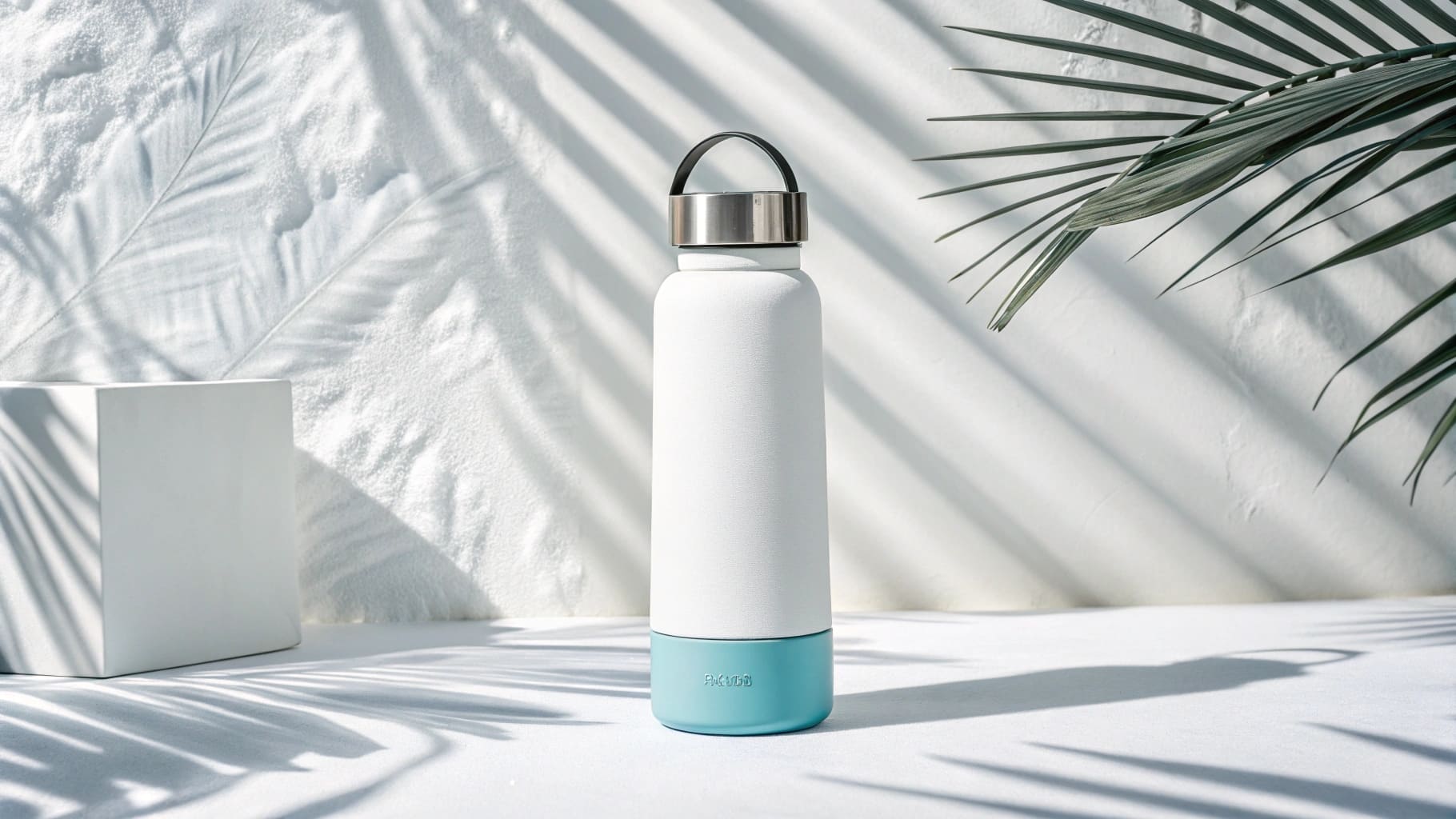
I write this from daily B2B work with buyers who sell in North America and Europe. I often talk with buyers like Mark in Canada. He understands sales. He knows what colors move in retail. But he does not want weak answers from a supplier when he asks about coating, inspection, certificates, or shipment dates. I use a simple planning rule for the 40oz segment. I keep the core range stable. I use black, white, grey, navy, cream, and earth tones for steady reorder volume1. I then reserve part of the line for trend colors that can catch attention in peak seasons. I also separate handle types by user scene. I use carry loops for gym, outdoor, and travel buyers. I use side handles for office, home, and car users who care about easy drinking and pouring. For Pantone control, I do not trust only screen colors. I ask for real swatches, sample checks, and batch records. I also check logistics early, because a perfect SKU that ships late is still a failed SKU.
How many 40oz bottles make a gallon?
I hear buyers say gallon math is boring, then I watch weak product copy lower conversion. Capacity confusion costs real shelf attention.
I explain that one gallon equals 128 fluid ounces2. I treat a 40oz bottle as about one third of a gallon. I use three full bottles as 120oz and one small extra pour as the balance.
Why I use gallon math in SKU planning
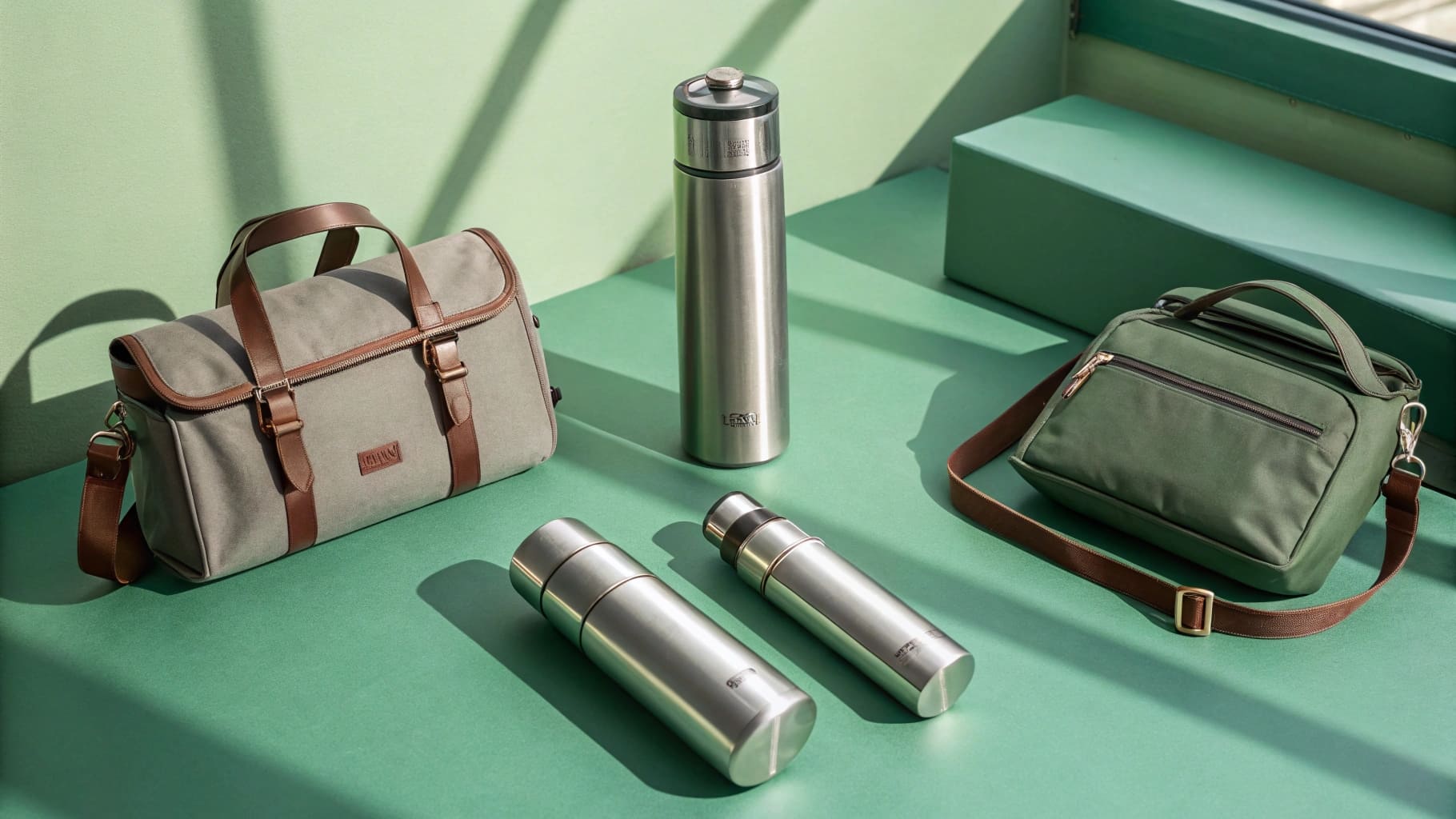
I use gallon math because many North American buyers still think in gallons, ounces, and daily refill goals. When I plan a 40oz bottle, I do not see only a steel container. I see a selling message, a carton mark, a user promise, and a reorder reason. I can say one bottle is close to one third of a gallon, so the buyer can place the product between a small daily bottle and a full-day jug. This helps when I compare 32oz, 40oz, and 64oz items in one product line. I also use the gallon link to keep product claims honest. I do not call a 40oz bottle a full-day gallon bottle. I call it a large daily bottle with fewer refills. That wording feels safer for B2B packaging and online copy.
How I connect capacity with buyer use
| Capacity point | How I explain it to buyers | SKU planning use |
|---|---|---|
| 40oz | I position it as a large daily bottle | Main hero SKU |
| About one third gallon | I make the value easy for North American users | Simple product copy |
| Three bottles plus extra pour | I show a full gallon goal in real life | Hydration challenge copy |
| Larger than 32oz | I show fewer refills during work or travel | Premium price support |
I also use this math when I plan accessories. A 40oz body usually needs stronger lid testing, better straw fit, and stable carton protection. The bottle has more weight when filled, so the handle design matters more than it does on small bottles. If I choose an integrated loop, I check the pull strength and hinge feel. If I choose a side handle, I check comfort, grip space, and balance when the bottle is full. I do this before I talk about colors, because a beautiful bottle with a weak handle will create returns.
How many cups are in a 40oz bottle?
I see teams print cup counts too late, then cartons and inserts need rework. A simple unit mistake becomes a launch delay.
I explain that a 40oz bottle holds 5 US cups because one US cup equals 8 fluid ounces3. I use this as a simple consumer message for hydration tracking.
Why I put cup count on the product brief
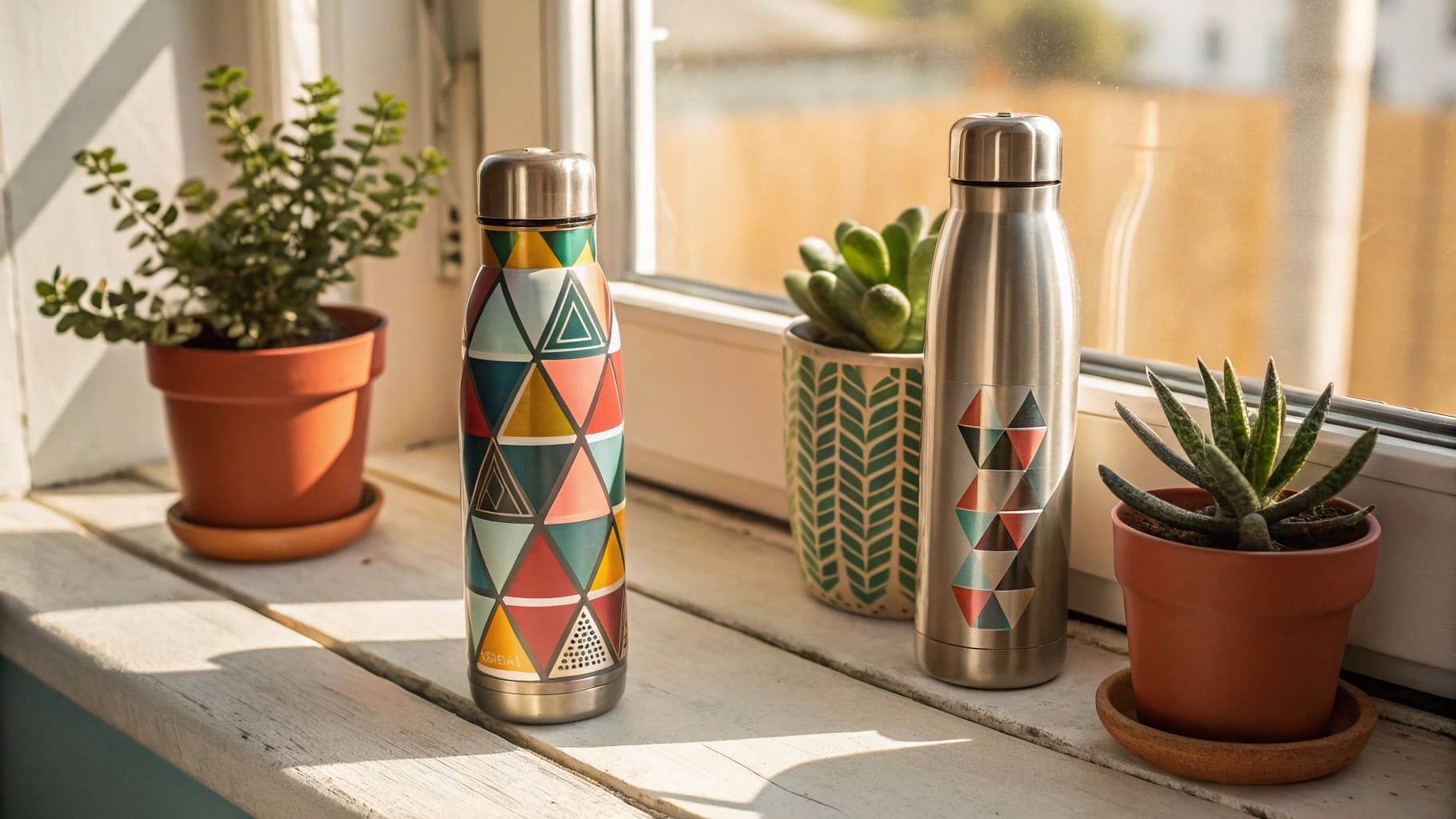
I use the cup count because it makes the bottle easier to understand for normal users. Many shoppers do not think in ounces every day. They understand cups, refills, and daily habits. When I tell a buyer that a 40oz bottle equals 5 cups, the buyer can use that line in product pages, shelf cards, and sales training. I also use it to compare lid and straw choices. A straw lid fits users who sip through the day. A screw lid fits users who carry the bottle in a bag. A chug lid fits users who drink fast during sports or outdoor work. The same 40oz capacity can serve different user groups if I match the lid, handle, finish, and message in one clear SKU plan.
How I match handle and color with cup-based messaging
| User scene | Handle choice I prefer | Colorway I prefer | Message I would test |
|---|---|---|---|
| Gym and hiking | Integrated carry loop | Black, olive, sand, bright seasonal colors | I carry 5 cups with me |
| Office and desk | Side handle | White, cream, navy, soft grey | I refill less during work |
| School and team gifts | Loop or paracord handle | Brand Pantone colors | I keep my drink close all day |
| Retail gift sets | Side handle with straw lid | Seasonal gradients and soft tones | I get a large bottle with easy sipping |
I also think about MOQ at this stage. Each handle type may need different tooling, different lid fit, and different packing. Each color may need a separate powder coating run4. If the buyer wants too many colors and too many handle styles at once, the order can become slow and expensive. I prefer a clean matrix. I might start with one body size, two lid types, two handle choices, and a small color range. I then add trend colors only after I see sell-through or confirmed preorders. This keeps the first order easier to inspect. It also helps the buyer avoid too much dead stock. I care about this because many buyers do not lose money on demand. They lose money when the SKU plan becomes too wide before the market proves it.
How many 40oz water bottles should I drink a day?
I hear brands promise daily hydration too strongly, then legal and buyer teams push back. Health claims need care, not louder slogans.
I present a 40oz bottle as a daily hydration tool, not a medical rule. I tell buyers many adults may use about two bottles a day, while active users may need more based on heat, sweat, body size, and health needs.
Why I avoid overpromising daily intake
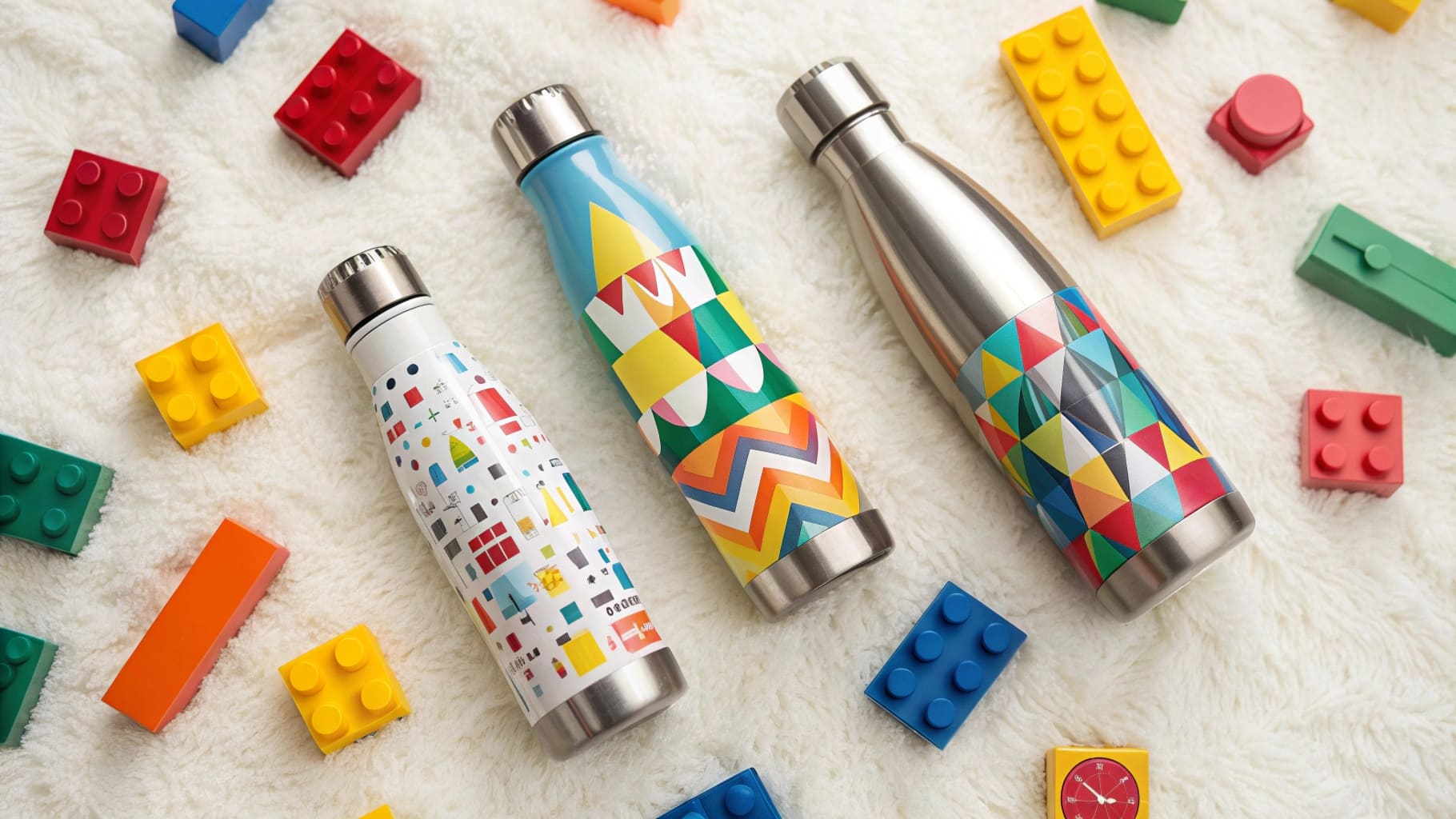
I avoid strong medical claims because B2B buyers need safe and flexible copy. A 40oz bottle can support a daily hydration plan, but it should not tell every person to drink the same amount. I prefer wording that says the bottle helps users drink more water with fewer refills. This line is clear, useful, and safer. I also connect this message with real product quality. If a user carries two full bottles worth of water through a long day, the lid must seal well. The coating must resist scratches. The straw must fit tightly. The handle must feel strong. The bottom should stay stable on desks, cars, and gym floors. Good hydration copy only works when the product can support daily use.
How I turn daily use into a 2026 SKU plan
| Planning area | My practical choice | Why I choose it |
|---|---|---|
| Handle | I offer loop handle and side handle options | Different users carry and drink in different ways |
| Core colors | I keep black, white, grey, cream, and earth tones | These colors support steady B2B reorders |
| Trend colors | I reserve part of the line for seasonal tones | Trend colors create attention without too much risk |
| Pantone control | I confirm swatches before bulk coating | Brand buyers need color consistency |
| Inspection | I check coating, leakage, lid fit, and handle strength | Daily-use bottles face more stress |
| Certificates | I verify real test reports and factory documents | Buyers want lower compliance risk |
| Logistics | I lock the shipment plan early | Late goods can miss peak sales seasons |
I use Pantone control as a serious step, not a decoration step. I ask the buyer to confirm a physical swatch before mass production. I then ask the factory to keep the coating batch stable. Powder coating can shift when temperature, powder lot, or surface prep changes5. A small change may look harmless in the workshop, but it can become a big problem when the bottle sits beside branded packaging. I also ask for pre-shipment photos under normal light and close-up views. For larger buyers, I prefer a color meter check. This gives both sides a clearer record. I have seen buyers lose trust when a supplier says the color is close enough. For branded wholesale, close enough is not enough. I would rather slow down the sample stage than ship a wrong color in bulk.
Conclusion
I plan the 40oz line with clear math, useful handles, controlled color, and honest copy, so I can help buyers launch safer SKUs.
-
"The Influence of Packaging Color on Consumer Perceptions ...", https://pmc.ncbi.nlm.nih.gov/articles/PMC10648973/. Consumer behavior research on color and purchasing decisions indicates that neutral palettes are associated with broader demographic appeal and lower obsolescence risk, supporting their use as anchor SKUs in product line planning. Evidence role: general_support; source type: research. Supports: Neutral and achromatic colorways tend to show more stable long-term sales performance in consumer goods compared to trend-driven colors. Scope note: Published studies on color preference are largely category-agnostic; direct empirical data specific to the 40oz insulated drinkware segment is not available in peer-reviewed literature. ↩
-
"NIST HB 44 2024 Appendix C General Tables of Units of Measurement", https://www.nist.gov/document/nist-hb-44-2024-appendix-c-general-tables-units-measurement. The US customary system defines one liquid gallon as equivalent to 128 fluid ounces; this relationship is codified in US weights and measures standards maintained by the National Institute of Standards and Technology (NIST). Evidence role: definition; source type: government. Supports: One US liquid gallon equals 128 US fluid ounces under the US customary measurement system. Scope note: This conversion applies specifically to US customary units; the imperial gallon (used in some Commonwealth markets) equals approximately 160 imperial fluid ounces and should not be conflated. ↩
-
"NIST HB 44 2024 Appendix C General Tables of Units of Measurement", https://www.nist.gov/document/nist-hb-44-2024-appendix-c-general-tables-units-measurement. Under the US customary system, one cup is defined as 8 fluid ounces, a standard maintained in NIST Handbook 44 and related federal weights and measures publications. Evidence role: definition; source type: government. Supports: One US customary cup equals 8 US fluid ounces, establishing that a 40 fl oz container holds 5 cups. Scope note: The metric cup (250 mL) and the imperial cup differ slightly from the US customary cup; product copy targeting non-US markets should specify which standard is applied. ↩
-
"INVITATION FOR BIDS - Corcraft", https://corcraft.ny.gov/ifb-1186-powder-coating. Industrial powder coating process documentation indicates that color changeovers require booth purging, gun cleaning, and powder recovery system clearing to prevent cross-contamination, effectively making each color a separate production batch with incremental setup time and material cost. Evidence role: mechanism; source type: research. Supports: Powder coating color changes require line purging, equipment cleaning, and separate powder loading, making each color a distinct production event with associated setup costs. Scope note: Actual changeover cost and minimum batch size vary by facility configuration, automation level, and powder supplier; the claim is directionally supported but specific figures depend on individual factory conditions. ↩
-
"Powder Coat Applications Final Report", https://nepis.epa.gov/Exe/ZyPURL.cgi?Dockey=P10120TC.TXT. Research on thermosetting powder coating processes identifies cure temperature uniformity, powder particle size distribution, and substrate pre-treatment as primary variables influencing final film color and gloss consistency. Evidence role: mechanism; source type: research. Supports: Process variables in powder coating—including cure temperature, powder lot chemistry, and substrate surface preparation—can produce measurable color variation in finished coatings. Scope note: Most published studies focus on industrial or automotive applications; direct data on consumer drinkware powder coating color drift is limited in peer-reviewed literature. ↩