
Struggling to find a hiking bottle that's light yet tough? A wrong choice means leaks or extra weight. Discover the ideal balance for your adventures.
The best lightweight stainless steel bottles for hiking and travel are single-wall versions. They offer durability and pure taste without the bulk of insulated bottles. This makes them perfect for carrying on the trail or in your bag.
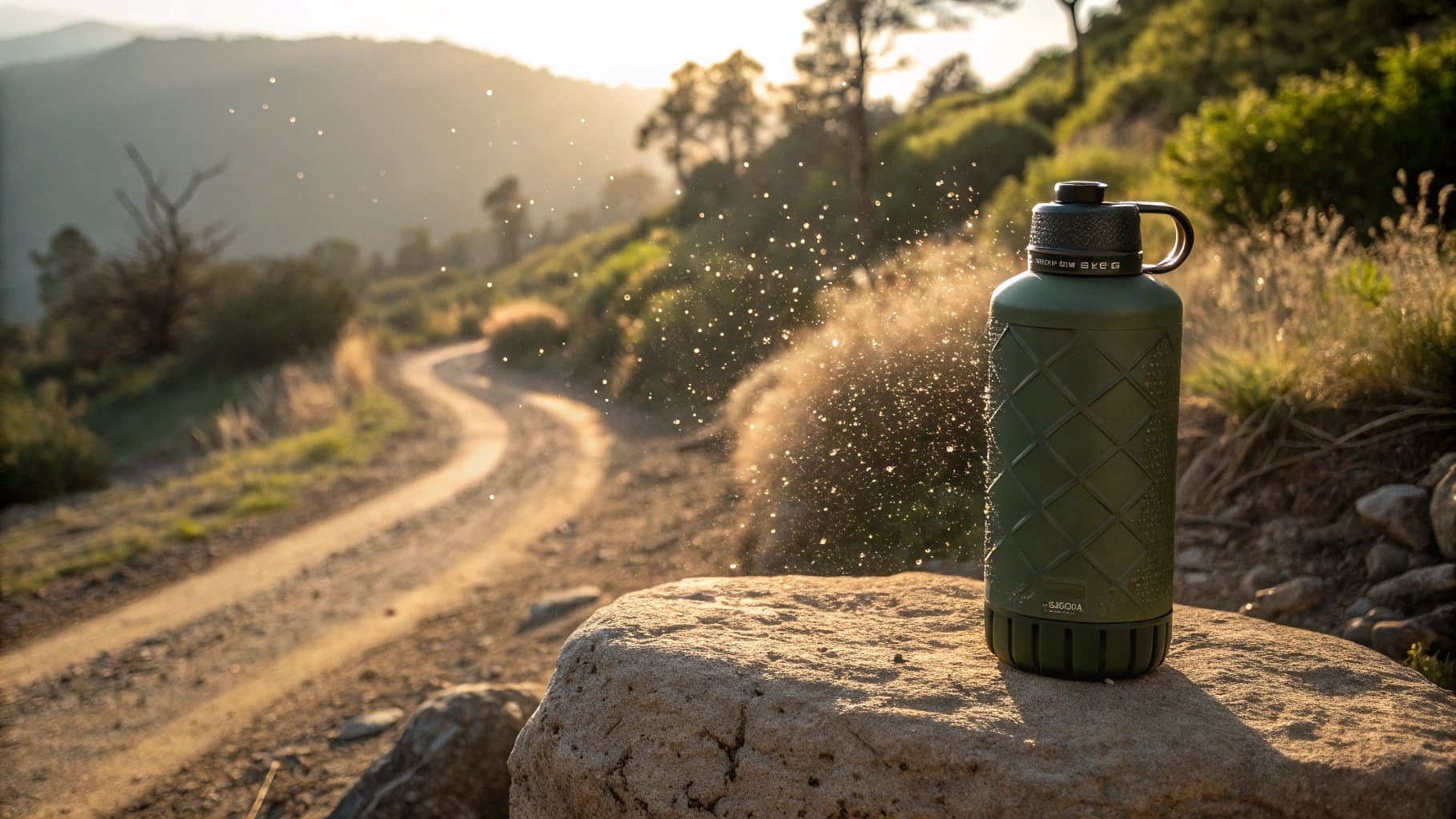
Choosing the right water bottle might seem simple. But for us hikers and travelers, it is a serious decision. It impacts our comfort, hydration, and even our enjoyment. So, let us look closer at what makes a great bottle for being on the move. We need to understand the options before we pick the best one.
What type of water bottle is best for hiking?
Overwhelmed by water bottle choices for hiking? Picking badly can ruin a good trek with leaks or heaviness. Let's find your perfect trail companion.
The best type depends on your priorities. For durability and purity, stainless steel is great. For extreme light weight, some use specific plastic bottles. Nalgene is known for toughness. Consider what matters most to you.
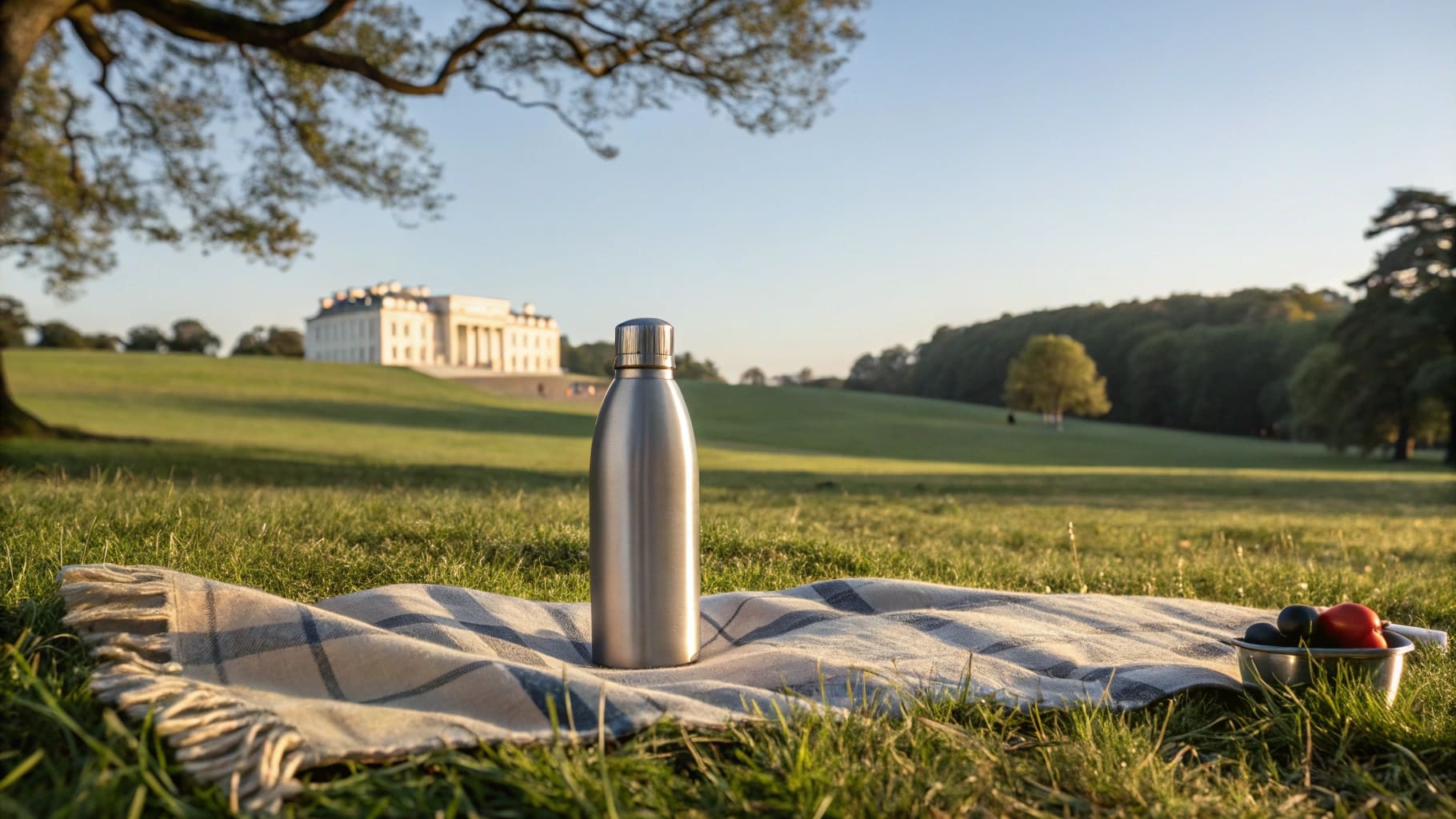
When I first started hiking, I grabbed any old plastic bottle. It did not take long to realize that was a mistake. The taste was off, and I worried about chemicals. As a business like Icobottle, we see these concerns from customers too. Procurement officers and startup bosses looking to supply hikers need to understand these material differences.
Comparing Bottle Materials for Hiking
Different materials serve different needs on the trail. Each has its own set of advantages and disadvantages. It is important to know them.
| Material | Pros | Cons | Ideal For |
|---|---|---|---|
| Standard Plastic | Cheap, lightweight | Can affect taste, durability concerns, environmental impact | Occasional, casual use |
| Nalgene (Tritan) | Very durable, wide mouth, often BPA-free | Can be bulky, heavier than some plastics | Rugged use, easy cleaning/filling |
| Smart Water Style | Extremely lightweight, fits some filters | Not very durable, disposable, environmental concerns | Ultralight hikers, short trips |
| Stainless Steel | Durable, no taste transfer, sustainable, good looks | Can be heavier (especially insulated), can dent | All-around use, health-conscious, eco-conscious |
Why Single-Wall Stainless Steel Shines for B2B
For B2B buyers, like those at large companies or startup bosses Mark Shenng might advise, single-wall stainless steel bottles are a smart choice. They hit a sweet spot. They are much tougher than disposable plastic. They also keep water tasting fresh. This is a big deal for hikers who use their bottles a lot. These bottles also align with what people want now: reusable products that last. Offering lightweight stainless steel means you give customers a quality option. It balances trail performance with being good for the planet. This appeals to many hikers and travelers. As Icobottle, we focus on providing these top-quality, customizable stainless steel options to our wholesale clients. This helps them meet the demand from thoughtful consumers.
Why do hikers use Nalgene bottles?
Ever wondered why so many hikers carry Nalgene bottles? Not knowing their benefits might mean missing out. Let's uncover the reasons for their popularity.
Hikers often use Nalgene bottles because they are extremely durable and hard to break. Their wide mouths make them easy to fill, clean, and add ice. Many are also BPA-free, which is important to health-conscious users.
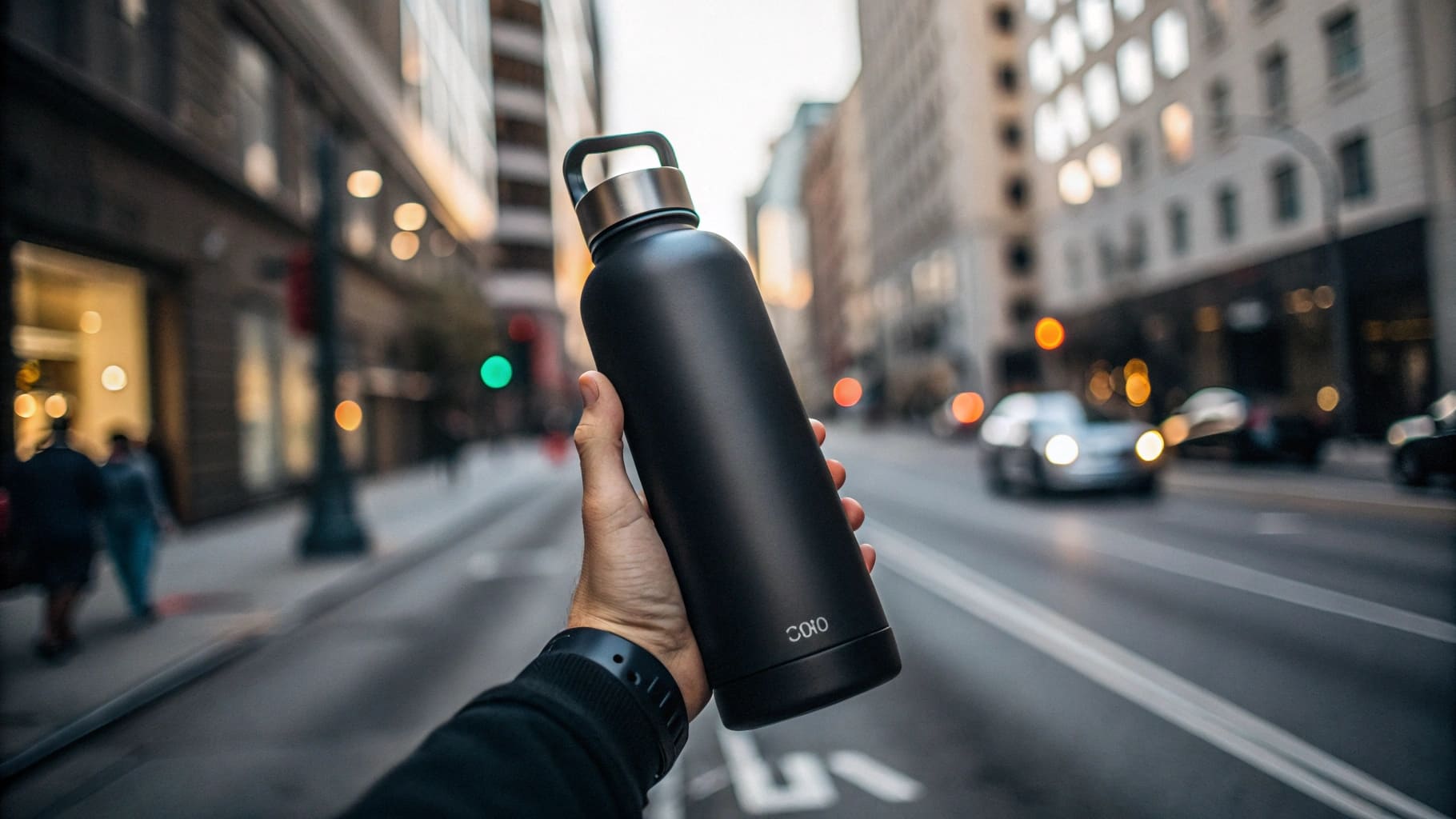
I remember my first Nalgene. It felt indestructible! For years, it was the go-to bottle for serious outdoor folks. Even today, when we at Icobottle discuss options with clients like Mark, who purchase for retail, the Nalgene legacy comes up. It set a standard for a long time.
The Nalgene Legacy: Built to Last
Nalgene bottles, typically made from Tritan plastic, earned their reputation. They can take a beating. You can drop them or knock them around. They usually survive. This toughness is a huge plus on rough trails. The wide mouth is another key feature. It is great for scooping water from streams (before filtering, of course!). It also makes cleaning with a brush super easy. You can even fit most water filter attachments directly onto them. For a while, they were also one of the first widely available BPA-free plastic bottles. This boosted their appeal. They often have measurement markings too. These are handy for cooking or tracking how much water you drink.
Considerations for Modern Hikers
While Nalgene bottles are tough, they are not the lightest option. For hikers counting every gram, this can be a downside. They are also not insulated. So they will not keep your water cold or hot. As preferences evolve, some hikers look for alternatives. They want something lighter or with insulation. This is where lightweight single-wall stainless steel bottles, like those we offer at Icobottle, provide a compelling alternative. They offer similar durability. But they have the added benefits of stainless steel, like no flavor retention and a premium feel. This is important for procurement officers choosing stock for their stores or brands.
Why do hikers use smart water bottles?
Seen hikers with disposable Smart Water bottles and felt puzzled? Choosing them seems odd for eco-conscious trekkers. Let’s understand this ultralight trend.
Hikers, especially ultralight backpackers, use Smart Water bottles mainly for their extremely low weight. The tall, thin design also fits well in pack side pockets. Plus, many popular water filters screw directly onto their threads.
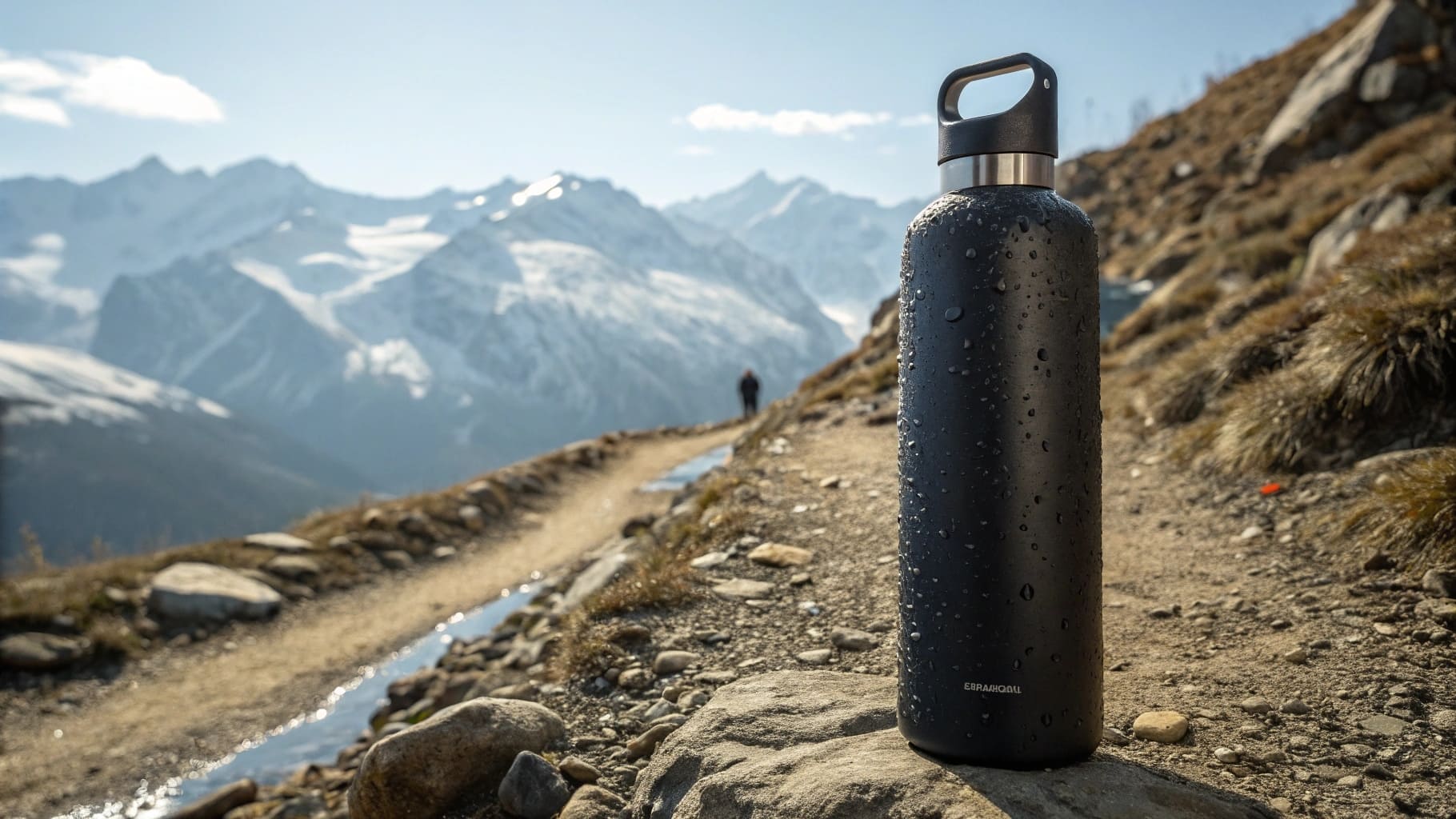
I will admit, the first time I saw an experienced thru-hiker using a disposable Smart Water bottle, I was surprised. It seemed counterintuitive. But for a certain type of hiker, it makes perfect sense. It is all about shaving off every possible gram. As someone in the B2B bottle business with Icobottle, understanding these niche preferences helps us advise clients like Mark Shenng.
The Ultralight Advantage: Shedding Grams
For ultralight backpackers, weight is everything. Smart Water bottles are incredibly light. They are significantly lighter than Nalgene or even most stainless steel options. When you are carrying everything on your back for days or weeks, ounces add up. The bottles are also cheap and widely available. Many hikers reuse them for a trip or two. A key reason for their popularity is their thread compatibility with filters like the Sawyer Squeeze. This allows for a very lightweight and efficient water purification system directly from the bottle. It makes hydrating on the go very simple for them.
Limitations and B2B Opportunities
However, these bottles are not designed for long-term reuse. They can puncture or crush more easily than dedicated hiking bottles. There are also concerns about plastic leaching over time. This is especially true with repeated use or sun exposure. From a B2B perspective, while Smart Water bottles serve a niche, there is a clear opportunity. Many hikers desire the lightweight aspect. But they also want durability and sustainability. This is where our lightweight single-wall stainless steel bottles from Icobottle come in. We can provide a product that is nearly as light as some plastics. But it is vastly more durable, taste-neutral, and eco-friendly. For importers and brands targeting hikers who want a premium, reusable, yet still lightweight option, this is a key selling point. They avoid the waste of disposable bottles. They also get a reliable product. This is something we emphasize to our clients in America and Europe. It helps them offer better value to their customers.
Conclusion
Choosing the best lightweight hiking bottle means balancing weight, durability, and purity. Stainless steel offers an excellent, sustainable solution for enjoyable, well-hydrated adventures and a great B2B product.