
How to Choose Insulated Bottles with Straws: Flow Rates, Seal Tests, and AQL
You have sourced bottles before. You know the pain when a customer returns an entire shipment because of leaking straws. That nightmare keeps you up at night, and you need a system to prevent it from happening again.
The best insulated bottles with straws combine three non-negotiable elements: optimal flow rate design, proven seal integrity, and strict AQL standards1. These three factors determine whether your product line succeeds or fails in competitive markets.
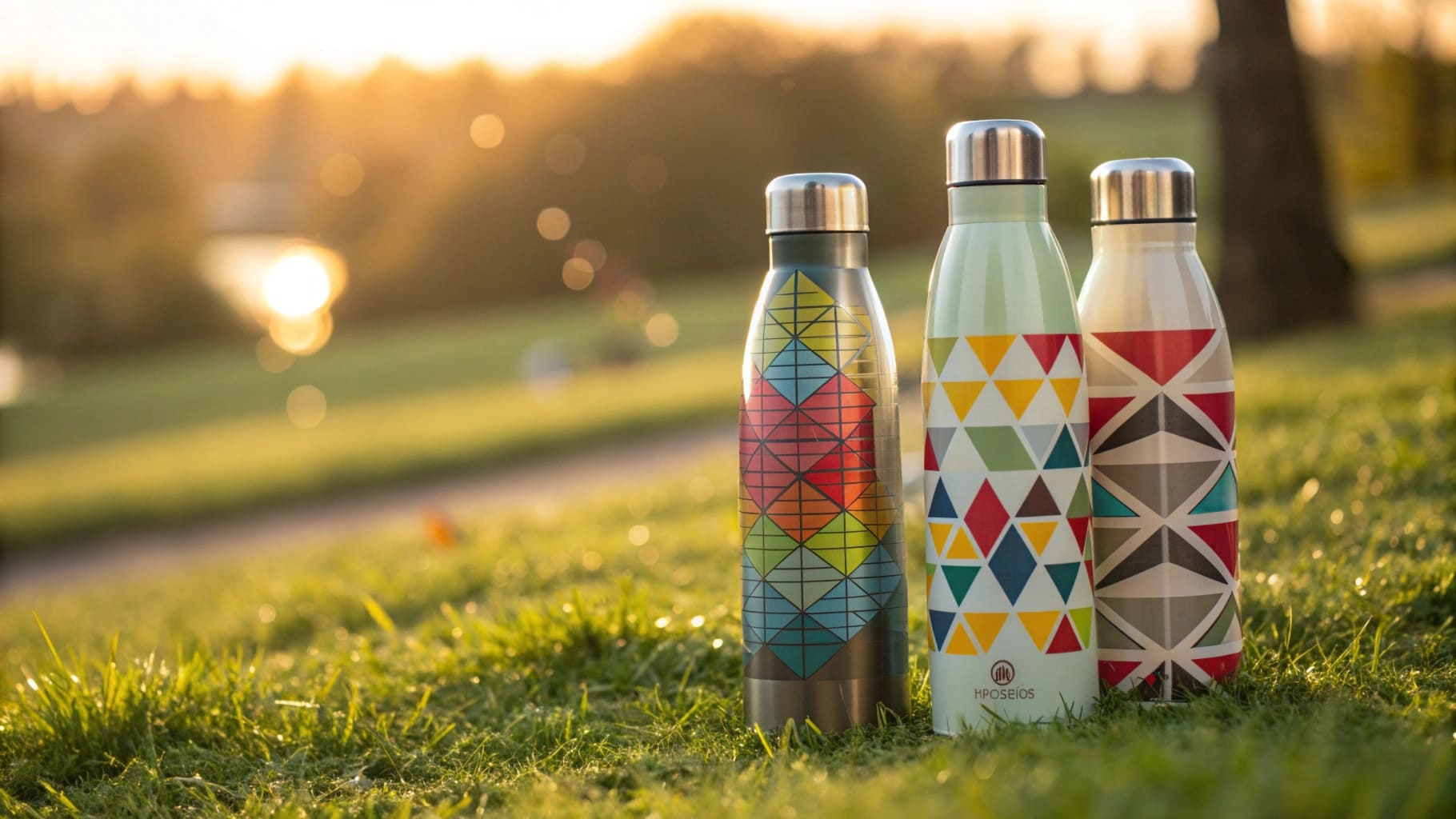
I started Icobottle after years in the stainless steel drinkware industry. I have seen buyers lose thousands because they skipped technical checks. This guide shows you the exact process I use to help clients choose straw bottles that pass quality tests and satisfy end customers.
What Is the Best Insulated Cup with Straw?
Your customers expect bottles that work perfectly every single day. One leak ruins your brand reputation. The problem gets worse when you realize most suppliers don't test their products properly before shipping.
The best insulated cup with straw features dual-functionality design, premium 304 stainless steel construction, and soft silicone straw components that stay safe after thousands of uses. These bottles keep drinks cold for 24 hours while maintaining leak-proof performance2.
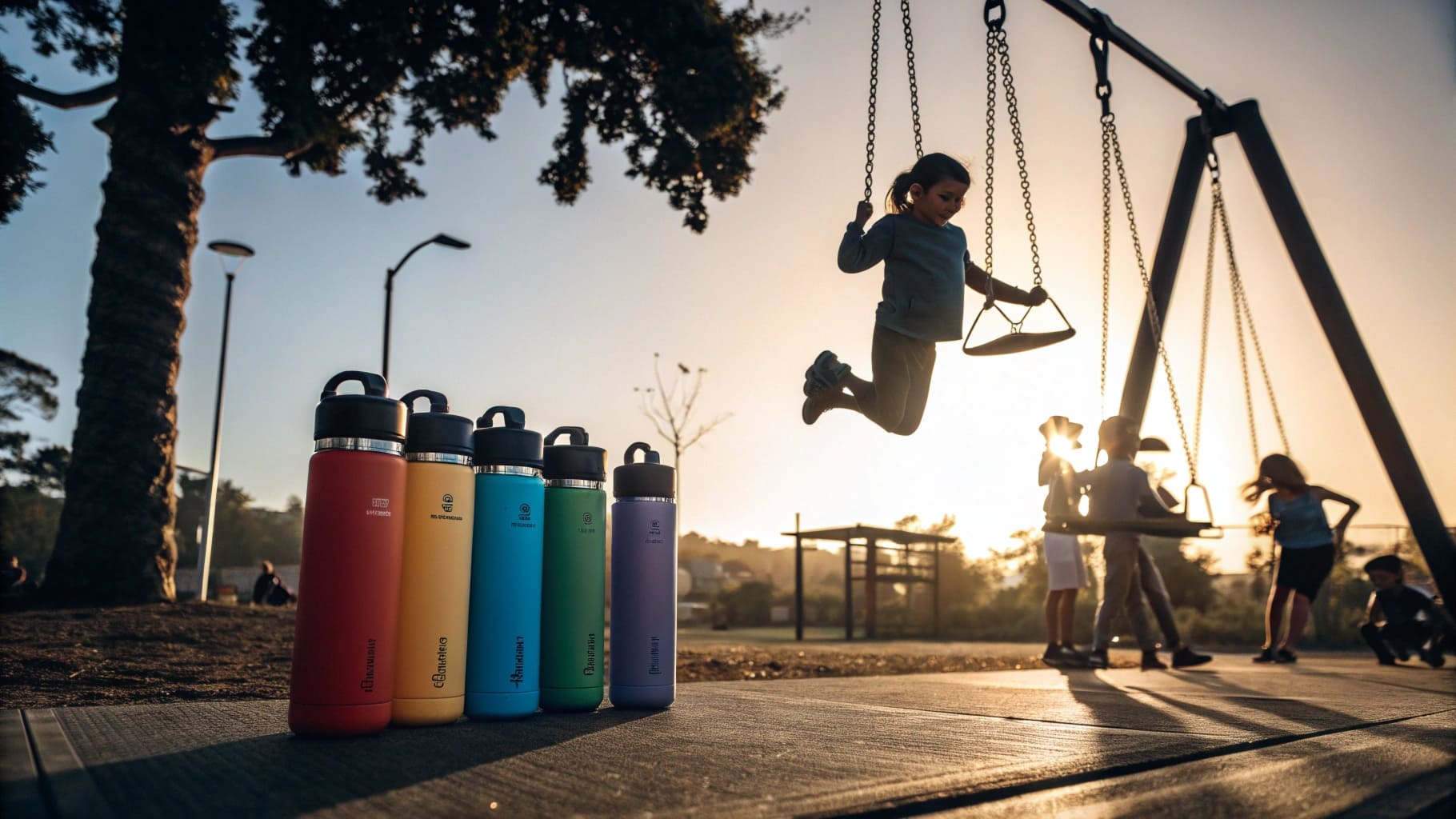
Breaking Down the Technical Requirements
I test every sample that comes through my factory. The process starts with material verification and ends with real-world use simulation.
Material Quality Standards
| Component | Required Material | Key Property | Testing Method |
|---|---|---|---|
| Body | 304 Food-Grade Steel | Antibacterial, rust-proof | Certificate verification |
| Straw | BPA-free Silicone | High-temperature resistant | Lab testing report |
| Lid | PP Plastic + Silicone Ring | Impact resistant | Drop test |
| Base | Silicone | Non-slip, shock-absorbing | Friction test |
The body material determines durability. I recommend 304 stainless steel because it resists acid and alkali corrosion. This matters when customers fill bottles with lemon water or coffee. Cheaper materials start showing rust spots after a few months.
The straw must be soft enough for comfort but firm enough to maintain shape. I have seen straws collapse when users drink quickly. High-quality silicone solves this problem. It handles temperatures up to 200 degrees Celsius and cleans easily in dishwashers.
The lid needs a secure locking mechanism. I test this by filling bottles and shaking them violently for 30 seconds. Good lids show zero leakage. Poor ones create wet messes immediately.
Insulation Performance Metrics
Double-wall vacuum insulation creates the temperature retention your customers expect. I measure this with ice water tests. The bottle should keep water below 10 degrees Celsius for 24 hours in room temperature conditions.
Hot beverage tests matter too. Premium bottles maintain temperatures above 60 degrees Celsius for 6-8 hours. This performance justifies higher pricing and reduces customer complaints.
The ergonomic design3 makes daily use comfortable. Silicone handles distribute weight evenly. Non-slip bases prevent scratches on desks and tables. These small details separate good products from great ones.
Are Water Bottles with Straws Better?
You need to understand why customers choose straw bottles over traditional designs. The answer determines your product strategy. Many buyers assume straws add complexity without benefits, but the data tells a different story.
Water bottles with straws offer superior convenience for on-the-go hydration, reduce spill risk during physical activities, and provide easier drinking for children and elderly users. The dual-drinking capability addresses different use scenarios effectively.
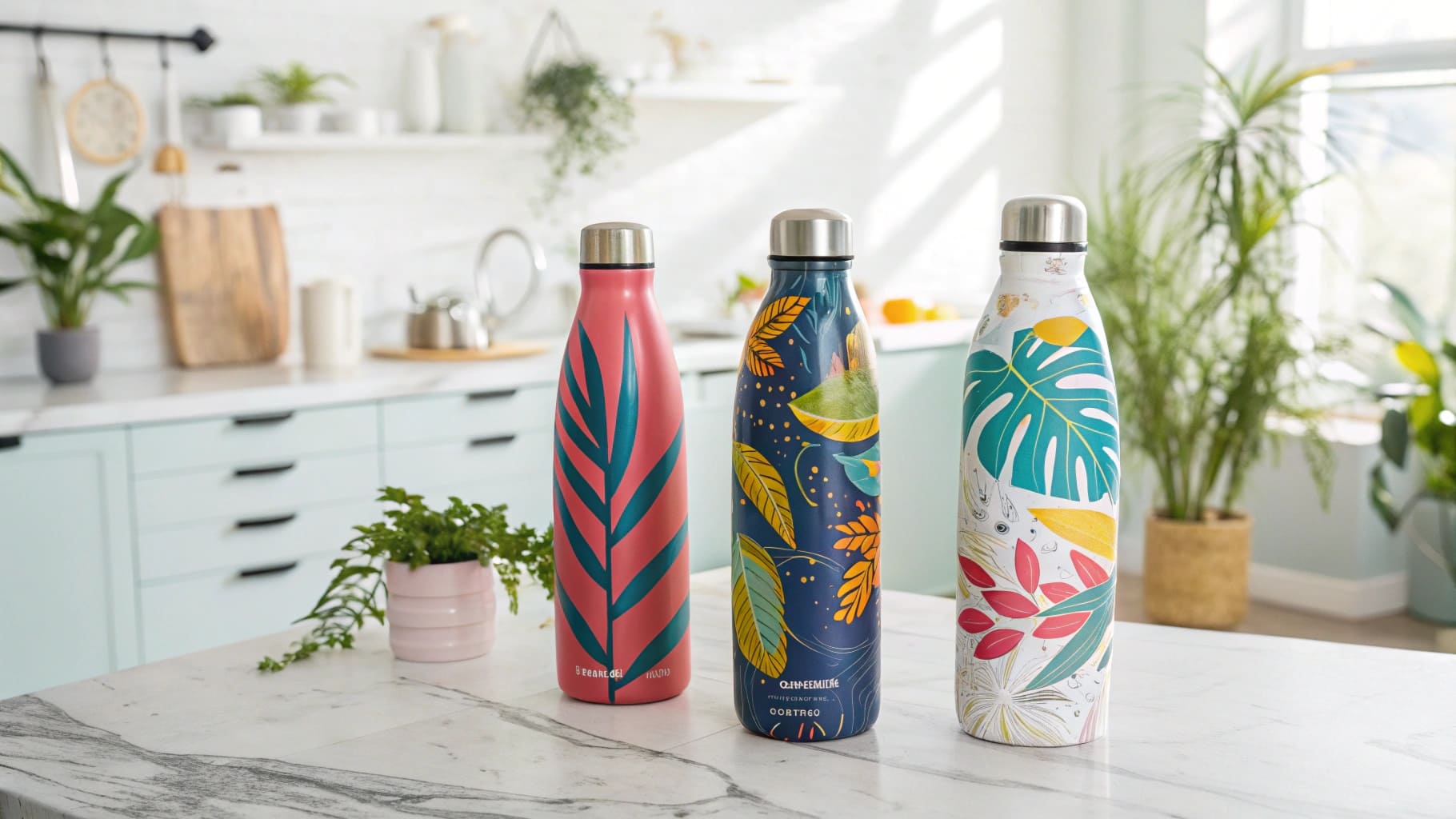
Analyzing Flow Rate Dynamics
I measure flow rates for every straw design that enters production. This number affects customer satisfaction more than most buyers realize.
Flow Rate Comparison
| Drinking Method | Average Flow Rate | Best Use Case | User Preference |
|---|---|---|---|
| Straw (6mm diameter) | 15-20 ml/second | Exercise, driving | 68% active users |
| Direct drink spout | 25-30 ml/second | Quick hydration | 45% office workers |
| Standard cap | 20-25 ml/second | Controlled drinking | 32% general users |
The straw design changes how users interact with bottles. During exercise or driving, users need hands-free sipping. Straws deliver this perfectly. The slower flow rate prevents choking and allows controlled hydration.
Children benefit most from straw bottles. The soft silicone protects developing teeth and gums. Parents report fewer spills and easier use compared to traditional bottles. This creates a strong market segment for B2B buyers targeting family products.
Elderly users face different challenges. Limited mobility and weaker grip strength make traditional bottles difficult. Straws reduce the effort needed to drink. The ergonomic handles I mentioned earlier combine with straws to create accessible designs.
Dual-Functionality Advantages
Premium models include both straw and direct-drink options. This flexibility increases product value. Users switch between methods based on their current activity. Office workers prefer direct drinking at desks. The same users choose straws during commutes.
I design lids with flip mechanisms that expose either option quickly. The locking system prevents accidental opening in bags. This versatility reduces the number of bottles customers need to own. Higher utility means stronger sales.
How to Pick Up a Bottle with a Straw?
Your purchasing decisions need a systematic approach. Random selection leads to quality disasters. I follow a checklist that eliminates 90% of potential problems before placing orders.
Pick straw bottles by verifying seal test documentation, confirming AQL compliance certificates, and conducting physical sample testing. Request detailed technical specifications4 from suppliers and compare multiple options before committing to large orders.
Implementing Seal Testing Protocols
Leak-proof performance determines product credibility. I refuse to ship bottles that fail seal tests. Your brand reputation depends on this quality benchmark.
Required Seal Testing Methods
| Test Type | Procedure | Pass Criteria | Frequency |
|---|---|---|---|
| Pressure Test | Fill with water, apply 0.5 bar pressure | Zero leakage for 5 minutes | Every production batch |
| Inversion Test | Fill completely, invert for 24 hours | No water escape | Random sampling |
| Temperature Cycling | Hot water to ice water, 10 cycles | Seal integrity maintained | New designs only |
| Drop Test | Fill and drop from 1 meter height | No lid separation or leaks | Pre-shipment inspection |
The silicone sealing ring quality matters most. I inspect these components under magnification. Surface imperfections create leak pathways. Premium rings show smooth, uniform surfaces without tears or gaps.
The locking mechanism needs robust construction. I test locks by attempting to open bottles with excessive force. Weak locks fail during normal use. Strong locks require deliberate action to open but stay secure during transport.
360-degree seal testing reveals design flaws. I fill bottles and rotate them through every angle. Water appears immediately if seals fail. This simple test catches problems before production starts.
Understanding AQL Standards
Acceptable Quality Level protocols define inspection procedures. I use AQL 2.5 for critical defects and AQL 4.0 for major defects. This balance ensures quality without unrealistic perfection standards.
Critical defects include any leakage, material contamination, or structural failure. These trigger automatic shipment rejection. I never compromise on these points because customer safety depends on them.
Major defects cover cosmetic issues and minor functional problems. Scratches on bodies or slightly misaligned logos fall into this category. AQL 4.0 allows small percentages while maintaining overall quality.
Supplier Verification Process
I request specific documentation before evaluating suppliers. Factory audit reports show production capabilities. Quality certifications confirm material standards. Customer references reveal reliability patterns.
The physical sample testing cannot be skipped. I order samples before bulk purchases. These samples undergo the same tests I described earlier. Suppliers who pass receive orders. Those who fail get removed from consideration.
Communication quality indicates supplier professionalism. I ask technical questions about flow rates and seal designs. Detailed answers demonstrate expertise. Vague responses suggest problems ahead.
Payment terms and logistics capabilities affect total costs. I negotiate terms that protect both parties. Reliable shipping partners prevent delays that miss peak sales seasons. These operational details determine whether partnerships succeed long-term.
Conclusion
Choose straw bottles using systematic testing, verify supplier credentials thoroughly, and maintain strict quality standards. This approach protects your investment and builds customer loyalty through consistent product excellence.
-
AQL standards help ensure product quality and safety, which is essential for maintaining customer trust. ↩
-
Leak-proof performance is critical for customer satisfaction; learn the best testing methods. ↩
-
Ergonomic designs improve user comfort and satisfaction, which can lead to increased sales. ↩
-
Requesting detailed technical specifications ensures that products meet quality and performance standards. ↩
