
Tired of your drink getting warm too fast? It is frustrating when your cold water or hot coffee does not stay that way. Understanding bottle design helps.
A stainless steel water bottle's ability to keep drinks hot or cold mainly depends on its double-wall vacuum insulation and how well the lid seals. These features greatly reduce heat transfer between your drink and the outside air.

You might wonder how these parts actually work together. It is quite interesting when you look closer. I have found that knowing these details helps my customers, like procurement officers and startup bosses, choose the best products. Let's explore this more so you can see why these design elements are so important for performance.
How does stainless steel keep water cold?
Does your cold water become lukewarm disappointingly fast? This can ruin a refreshing moment. Knowing how stainless steel bottles work will change that for you.
Stainless steel bottles keep water cold mainly through vacuum insulation. This creates a space between two walls with almost no air, stopping heat from outside getting in. The steel itself also does not transfer heat easily.

When we talk about keeping water cold, we are really talking about stopping heat from the outside from warming it up. Heat moves in a few main ways. I often explain this to clients like Mark Shenng, who values quality but also needs to understand the "why" for his business in Canada.
Key Ways Heat Enters Your Bottle:
- Conduction: This is heat transfer1 through direct touch. If the outside of the bottle is warm, that warmth tries to move to the inside.
- Convection: This is heat transfer through the movement of air or liquid. Warm air currents around the bottle can carry heat.
- Radiation: This is heat moving as invisible waves, like sunlight.
A well-designed stainless steel water bottle fights all these. The most important feature here is double-wall vacuum insulation2. Imagine two layers of stainless steel with a gap in between. We pump most of the air out of this gap. This creates a vacuum.
| Heat Transfer Type | How Vacuum Insulation Stops It | Why Stainless Steel Matters |
|---|---|---|
| Conduction | Very few air particles to conduct heat | Stainless steel (like 304 grade) is a poor heat conductor itself. |
| Convection | No air in the vacuum to create heat currents | A tight lid prevents warm air from entering. |
| Radiation | The vacuum itself isn't for radiation directly | Polished steel surfaces can reflect some heat. |
So, the vacuum is the big hero. It acts like a barrier. The warmth from your hand or the sunny car seat struggles to cross that empty space. This is why, as a supplier, I always emphasize the quality of the vacuum seal to my B2B customers. It is a core part of the bottle’s performance, keeping their customers happy with cold drinks for hours. This is crucial for procurement officers making bulk purchases.
What is the best water bottle to maintain temperature?
Choosing a bottle can be confusing with so many options. You want one that actually works, right? Knowing the key features makes selection easy for you.
The best water bottle for maintaining temperature will always have double-wall vacuum insulation. Also, look for a well-designed, insulated lid that seals tightly. These are the critical factors.
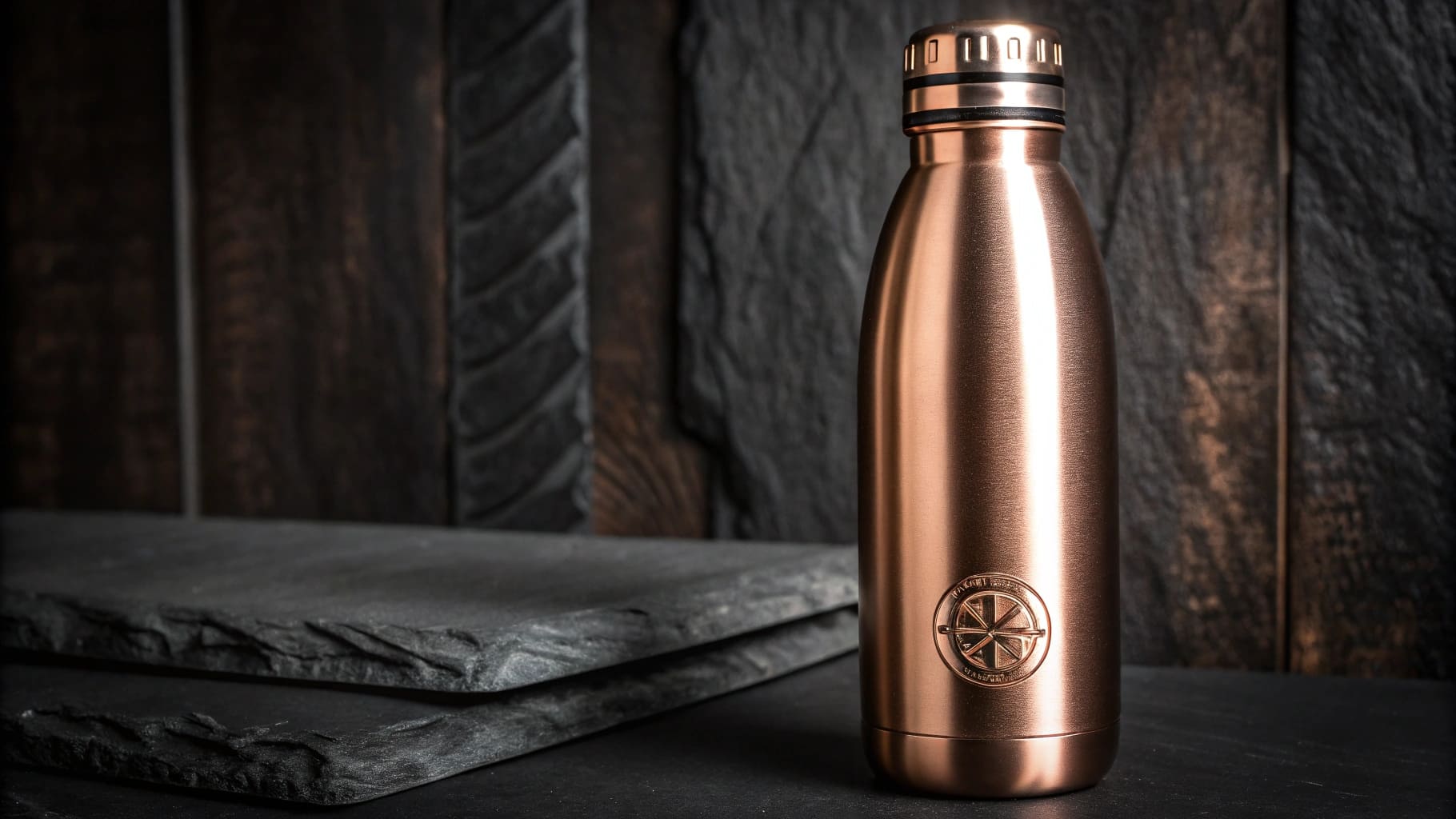
When I advise businesses on sourcing stainless steel water bottles, I tell them to look beyond just the words "insulated." The "best" bottle truly comes down to a few specific design choices that directly impact how long drinks stay hot or cold. For someone like Mark, who rebrands and sells these in Canada, getting this right is key to his profit model and customer satisfaction.
Essential Features for Temperature Control:
- Vacuum Quality: Not all vacuums are equal. A better, more complete vacuum means less air, which means less heat transfer. This is where quality manufacturing, something we pride ourselves on at Icobottle, really shows.
- Lid Construction: This is often underestimated.
- Insulation in the Lid: Some lids are just plastic, while better ones have insulation material inside them or are double-walled themselves. This stops heat escaping or entering through the top.
- Seal Quality: A tight seal, usually with a silicone gasket, prevents air exchange (convection) and leaks. If air can get in or out, so can heat.
- Material of Inner Wall: While most quality bottles use 18/8 (or 304) stainless steel, some might have an additional coating. For cold drinks, a polished interior is good. For hot, some bottles might claim a copper lining for better radiation reflection, though the vacuum is still the main player.
Let's look at how these features affect performance:
| Feature | Impact on Keeping Drinks Cold | Impact on Keeping Drinks Hot |
|---|---|---|
| High-Quality Vacuum | Significantly slows down external heat from warming contents. | Significantly slows down internal heat from escaping. |
| Insulated, Well-Sealing Lid | Prevents cold loss and warm air entry via the top. | Prevents heat and steam escape via the top. |
| Mouth Opening Size | A wider mouth can mean more potential heat exchange if the lid is off often, but lid quality is more critical. | Similar to cold; a good lid negates much of this. |
As a procurement officer or business owner, you should always ask potential suppliers about these specifics. For example, "What grade of stainless steel do you use?" or "Can you detail the lid's insulation properties?" These questions help ensure you are getting a product that truly delivers on its promise of temperature maintenance, which is vital for end-user satisfaction and repeat business.
How is a hot water bottle designed to prevent heat loss?
Is your morning coffee cold before you are halfway through? It is a common letdown. Understanding the bottle's design helps you choose one that keeps it hot.
A bottle designed for hot liquids uses double-wall vacuum insulation. This minimises heat escaping. A well-sealed, insulated lid is also vital to stop heat loss from the top.

When we want to keep beverages hot, the goal is to prevent the heat energy from the liquid from escaping into the cooler surrounding environment. The principles are very similar to keeping drinks cold, but we are looking at heat flow in the opposite direction. For my B2B clients, especially those whose customers rely on a hot drink throughout their morning, this is a key selling point.
Mechanisms Preventing Heat Loss:
- Vacuum Insulation (Again!): This is paramount. The vacuum between the two stainless steel walls drastically reduces heat loss through conduction (heat moving through the steel) and convection (heat carried by air molecules). Since there are very few molecules in the vacuum, there's little to carry the heat from the hot inner wall to the cooler outer wall.
- Reflective Surfaces: Stainless steel itself is naturally somewhat reflective to radiant heat. The polished inner surface of the bottle helps reflect some of the heat (infrared radiation) from the hot liquid back into the drink, rather than letting it absorb into the wall or radiate outwards. Some designs might incorporate an additional layer, like copper, on the outside of the inner wall (within the vacuum space) to further enhance this reflectivity.
- Lid Design: A significant amount of heat can be lost through the lid if it is not designed properly.
- Material: Lids made from materials with low thermal conductivity and ideally with their own insulation are better.
- Seal: A tight seal prevents hot steam from escaping (convection) and stops conductive heat loss where the lid meets the bottle.
Let's consider the types of heat loss and how design combats them for hot liquids:
| Heat Loss Method | Design Feature to Combat It | Why It's Effective |
|---|---|---|
| Conduction | Double-wall vacuum insulation, low-conductivity lid | Minimizes direct heat transfer through materials. |
| Convection | Vacuum insulation, tightly sealed lid | Prevents heat movement via air currents or steam escape. |
| Radiation | Polished inner stainless steel surface | Reflects radiant heat back into the hot liquid. |
For buyers like Mark, who are looking for quality products from China or Vietnam, it is important to verify these design aspects. Asking for details about the vacuum process, lid insulation, and materials used helps ensure the bottles will perform as expected. Things like certifications can be important, but understanding the core design for heat retention is fundamental. This knowledge helps avoid issues like customer complaints about drinks not staying hot long enough, which can impact a brand's reputation.
Conclusion
Ultimately, a stainless steel bottle's design, especially its vacuum insulation and lid quality, is key for keeping your drinks at the right temperature for longer.