
Choosing the right steel is tough. A wrong choice means rust and unhappy customers. We help you pick the best for quality.
304 stainless steel has much better corrosion resistance than 201. This is because 304 has more nickel and chromium, which protect it from rust and common liquids. 201 steel rusts easier.

Understanding this difference is very important for your business. When you source products like hip flasks or water bottles from us at Icobottle, the steel grade directly impacts quality and customer satisfaction. Let's look closer at why these differences matter so much. You need to make the best choice for your brand.
How corrosion resistant is 304 stainless steel?
Worried your products might rust? This can hurt your brand reputation. 304 stainless steel offers great protection against corrosion.
304 stainless steel is very corrosion-resistant. It's often called 18/8 steel because it has 18% chromium and 8% nickel. This mix protects it well from everyday liquids like water and coffee.
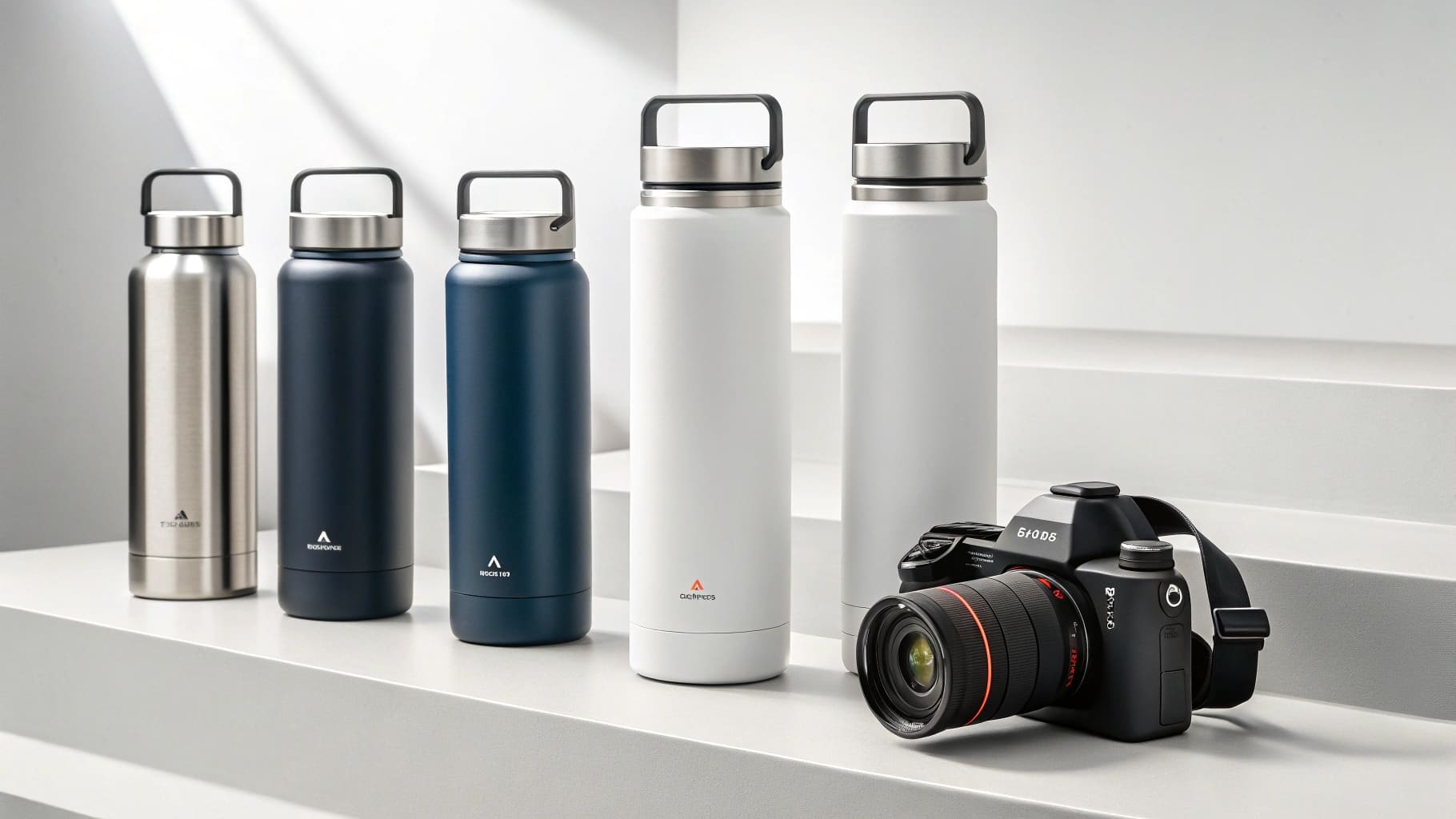
When we talk about 304 stainless steel, its corrosion resistance is a key feature. As a B2B buyer, you probably know it as 18/8 stainless steel. This name comes from its chemical makeup. It has about 18% chromium and 8% nickel. These elements are crucial. Chromium creates a passive layer on the steel's surface. This layer is very thin but strong. It protects the steel from reacting with oxygen and moisture. Oxygen and moisture cause rust. Nickel helps to make this protective layer even stronger and more stable. This is especially true against acidic substances.
For products like water bottles, coffee mugs, and hip flasks, this is a big deal. Think about what these items hold. They hold water, coffee, tea, juice, and sometimes even mildly alcoholic drinks. 304 stainless steel handles these substances very well. It does not corrode or leach harmful materials. This is why it's the industry standard for food-grade applications. It ensures the product lasts long. It also keeps the contents safe for consumers. For my business, Icobottle, choosing 304 for our stainless steel products means we can confidently tell our clients they are getting top-quality items. These items won't easily rust or tarnish. This directly means fewer customer complaints and a stronger brand image for importers like Mark Shenng in Canada.
Here's a simple breakdown:
| Feature | 304 Stainless Steel (18/8) |
|---|---|
| Chromium Content | ~18% |
| Nickel Content | ~8% |
| Key Benefit | Excellent corrosion resistance |
| Protective Layer | Strong, passive layer formed by chromium |
| Common Uses | Food-grade containers, water bottles, coffee mugs |
| Everyday Liquids | Handles water, coffee, tea, mild acids well |
This quality is what B2B buyers look for. They want to ensure product longevity and consumer safety.
How rust resistant is 201 stainless steel?
Trying to save costs with cheaper steel? This might lead to rusty products later. 201 stainless steel offers less rust protection.
201 stainless steel is not very rust-resistant. It has less nickel and more manganese. This makes it cheaper but much more likely to rust and corrode, especially with certain liquids or in damp places.
Now, let's look at 201 stainless steel. The main reason some businesses consider 201 steel is its lower cost. This cost difference comes from its composition. 201 stainless steel has less nickel and more manganese compared to 304. Nickel is an expensive material. So, reducing it makes the steel cheaper. However, this change significantly weakens its defense against corrosion. Manganese does increase hardness. But it doesn't offer the same protective qualities as nickel when it comes to rust.
What does this mean for your products, like water bottles or tumblers? It means they are much more likely to show signs of rust or pitting over time. This is especially true if the products are used in humid environments. It is also true if they frequently contact even mildly corrosive substances. Many beverages can be mildly corrosive. I've heard stories from procurement officers. They initially chose 201 steel to save money. They often faced higher rates of customer returns. They also got complaints about rust spots appearing on their products. This can seriously damage a brand's reputation. For someone like Mark, who values quality, receiving a batch of 201 steel items that start to show rust would be a big problem. This would lead to lost sales and trust. While the upfront savings with 201 steel might seem attractive, the long-term costs often outweigh these initial benefits. These costs are associated with product failures and brand damage. It's a risk that I, Aries Hua from Icobottle, generally advise my B2B clients to avoid for food and beverage containers.
Consider this comparison:
| Feature | 201 Stainless Steel |
|---|---|
| Nickel Content | Lower (replaced partly by manganese) |
| Manganese Content | Higher |
| Cost | Lower than 304 |
| Corrosion Risk | Significantly higher than 304 |
| Common Issues | Prone to pitting and rusting |
| Best Avoided For | Food/beverage containers, humid environments |
Choosing 201 for drinkware can be a gamble. It might save money initially but cost more later.
Is ss304 more corrosion resistant than ss316?
Thinking 304 is the ultimate choice? For very harsh conditions, there's an even stronger option. 316 steel offers superior protection.
Yes, 316 stainless steel is more corrosion resistant than 304. 316 steel includes molybdenum. This element gives it extra protection, especially against chlorides and harsh industrial chemicals.
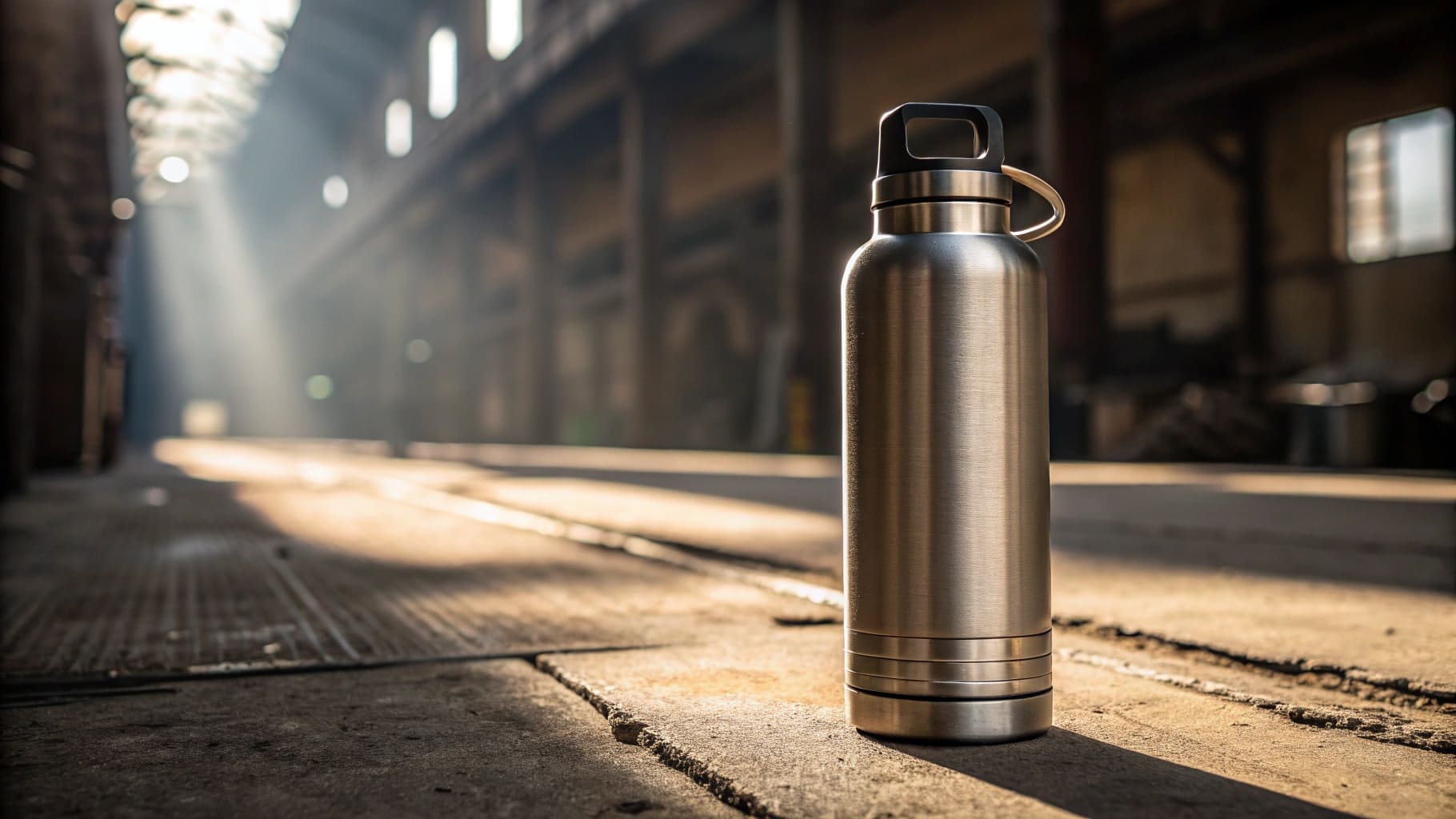
So, we've established that 304 stainless steel is very good. But is it the best? Not always. There's also 316 stainless steel. It offers even better corrosion resistance than 304. The key difference is the addition of a chemical element called molybdenum. 316 steel usually has around 2-3% molybdenum. This molybdenum significantly boosts its ability to fight off corrosion. This is particularly true against chlorides and other harsh industrial chemicals. Think about saltwater environments. Or consider applications where the product might be exposed to strong cleaning agents. In these cases, 316 steel is the preferred choice.
However, for most everyday applications like stainless steel water bottles, coffee mugs, or hip flasks, 304 stainless steel provides more than enough protection. These items usually encounter water, coffee, tea, or mild acids. 304 handles these perfectly well. Using 316 steel for a standard water bottle might be overkill. It would also add to the cost unnecessarily. For B2B buyers like Mark, their primary concern is good quality at a competitive price for general consumer use. For them, 304 strikes the right balance. It offers excellent durability and safety. It does this without the premium price tag of 316. 316 is generally reserved for marine applications, medical implants, or high-end products marketed for extreme durability. So, while 316 is technically superior in corrosion resistance, 304 is often the more practical and cost-effective choice for the wholesale stainless steel drinkware market that I serve at Icobottle. Investing in 304 over 201 is a smart move. But upgrading to 316 from 304 is only necessary for very specific, demanding situations.
Here's how they stack up:
| Feature | 304 Stainless Steel | 316 Stainless Steel |
|---|---|---|
| Molybdenum Content | No | Yes (typically 2-3%) |
| Corrosion Resistance | Excellent | Superior (especially against chlorides) |
| Cost | Moderate | Higher |
| Common Drinkware Use | Standard, highly suitable | Premium, often unnecessary for most drinkware |
| Ideal For | Everyday liquids, general food contact | Harsh environments, marine applications |
For most of my clients purchasing hip flasks, water bottles, and mugs, 304 provides the optimal mix of performance and price.
Conclusion
304 steel beats 201 for rust resistance. For most drinkware, 304 offers great value and quality. 316 is tougher for harsh conditions. Choose wisely for your brand.