How Do You Scale Personalized Insulated Tumblers? Data Merge, Fonts, QA Checks
I struggled with my first bulk personalized tumbler order. Each name had to be perfect, but my process was chaos. Sound familiar?
You scale personalized tumblers through automated data merge systems, consistent font libraries, and three-stage quality checks. Production efficiency jumps from 50 to 500+ units daily when you implement proper workflow management.
I learned this the hard way when a corporate client ordered 800 tumblers with individual employee names. My manual approach nearly destroyed the deadline. That failure pushed me to develop systematic solutions that I now use with every personalized order. Let me show you what actually works.
How to Personalise a Tumbler?
I watched countless designs fail before understanding the fundamentals. Poor color matching ruined my first samples. The client was not happy.
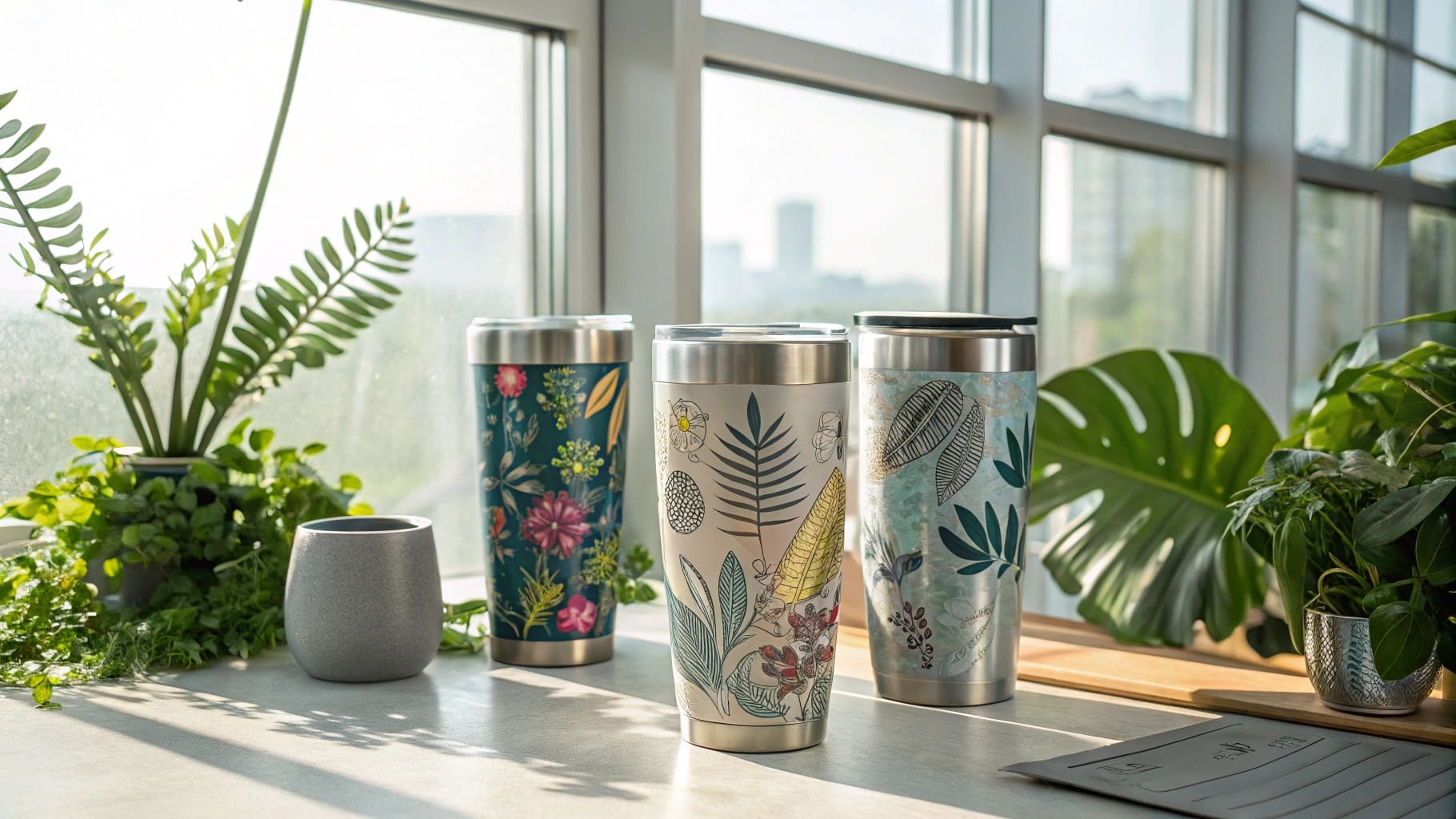
Tumbler personalization uses five main methods: sublimation printing1 for full-color designs, laser engraving for permanent marks, vinyl decals for quick application, spray printing for gradient effects, and electroplating2 for metallic finishes.
Understanding Each Personalization Method
I work with different techniques based on client needs and order volumes. Each method has specific advantages.
Sublimation printing works only on polymer-coated tumblers. The process requires special paper and high heat. I transfer designs at temperatures between 180-200°C for 60-90 seconds. The colors become part of the coating surface. This method handles photographs and complex graphics beautifully. I typically recommend it for orders above 100 units because setup costs make sense at that volume.
Laser engraving cuts into the stainless steel surface. No coatings needed. The mark is permanent and cannot wash off. I use this for premium products where durability matters most. The downside is that you get only one color - the exposed metal underneath.
Vinyl application is my fastest method. I cut designs from colored vinyl sheets and apply them with heat or pressure. Perfect for rush orders under 50 units. The vinyl can peel over time with rough handling though.
Here is how I choose methods based on different factors:
| Method | Best For | Minimum Order | Durability | Color Options |
|---|---|---|---|---|
| Sublimation | Full-color photos | 100+ units | High | Unlimited |
| Laser Engraving | Premium branding | 1+ units | Highest | One (metal) |
| Vinyl Decals | Quick turnaround | 1+ units | Medium | Limited |
| Spray Printing | Gradient effects | 200+ units | High | Multiple |
| Electroplating | Metallic finish | 500+ units | Highest | Gold, Silver, Rose Gold |
How Much to Sell Custom Tumblers For?
I underpriced my first batch and barely broke even. Calculating costs seemed simple but I missed hidden expenses. That mistake cost me real money.
Custom tumbler pricing requires manufacturing cost plus customization fees plus packaging plus shipping, then multiply by 2-4x based on your market positioning and target profit margin.
Breaking Down Your Cost Structure
I track every expense now. My pricing spreadsheet has saved me from repeating early mistakes.
Manufacturing costs vary by material grade and construction. I pay different prices for 304 versus 316 stainless steel. The 316 grade costs about 15-20% more but resists corrosion better. Vacuum-sealed double-wall construction adds another cost layer compared to single-wall designs. My typical 20oz stainless steel tumbler base cost ranges from $3.50 to $6.00 depending on these factors.
Customization fees change with complexity and volume. A simple one-color logo costs less than full-wrap sublimation designs. I pay around $0.50-$2.00 per unit for basic customization. Complex designs push that to $3.00-$5.00 per unit. Volume discounts kick in at different thresholds with my suppliers.
Packaging often gets overlooked. I learned this when clients complained about damaged deliveries. Individual gift boxes add $0.30-$0.80 per tumbler. Bulk packaging in master cartons costs less but provides less protection. I also factor in custom packaging design costs3 if clients want branded boxes.
Shipping is the variable that surprises new sellers. International freight, customs, and last-mile delivery all add up. For orders from China to North America, I budget $1.50-$3.00 per tumbler depending on volume and speed requirements.
My pricing formula looks like this:
| Cost Component | Low End | High End | Notes |
|---|---|---|---|
| Base Tumbler | $3.50 | $6.00 | Depends on material grade |
| Customization | $0.50 | $5.00 | Complexity and method |
| Packaging | $0.30 | $0.80 | Individual vs bulk |
| Shipping | $1.50 | $3.00 | Volume and destination |
| Total Cost | $5.80 | $14.80 | Per unit landed cost |
| Selling Price | $11.60 | $59.20 | 2-4x markup applied |
I apply different markups based on the customer segment. Corporate bulk orders get 2x markup because competition is fierce and buyers compare quotes. Retail customers pay 3-4x markup because they value convenience and small quantities.
Is a Tumbler Business Worth It?
I questioned this myself during slow months. Competition seemed overwhelming. My confidence wavered when big retailers entered the market with lower prices.
A tumbler business is worth it if you find a specific niche, maintain reliable supplier relationships, and achieve minimum monthly volumes of 500+ units with healthy margins above 50%.
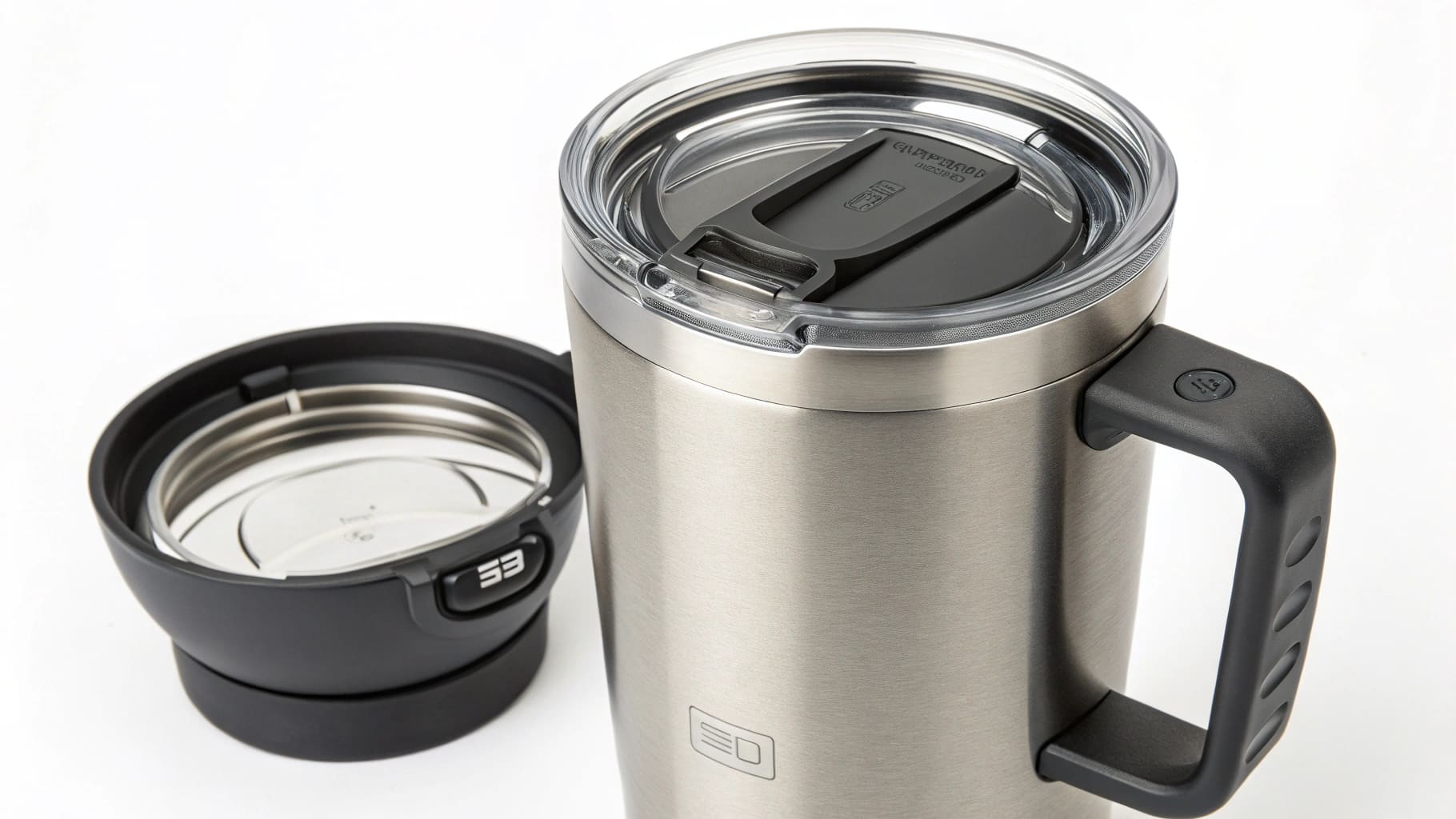
Evaluating Business Viability Factors
I measure success differently now than when I started. Revenue alone tells an incomplete story.
Finding reliable manufacturing partners determines long-term success. I work with OEM manufacturers who offer flexible MOQs. This flexibility let me test market response without huge upfront investment. My current supplier accepts orders as low as 50 units for new designs. This was crucial when I was validating product-market fit. They scaled up to thousands of units once I found winning designs.
Quality consistency across batches matters enormously. I implement three-stage quality checks now. First, I review samples before bulk production starts. Second, I require photo documentation during production. Third, I conduct random inspection of finished goods before shipping. This process catches problems early. A bad batch can destroy your reputation with corporate clients.
The market positioning you choose impacts profitability dramatically. I started competing on price and barely survived. Now I focus on customization quality and customer service. My clients pay premium prices because they trust my delivery. I protect their intellectual property through NDA agreements. Many competitors skip this step, but corporate clients value it highly.
Production lead times affect cash flow and customer satisfaction. Standard production takes about four weeks from order confirmation to delivery. Rush orders cost more but satisfy urgent client needs. I keep some popular base designs in stock to offer faster turnaround on standard customizations.
Here is my framework for evaluating if this business makes sense:
Positive Indicators:
- You have identified an underserved niche
- You can commit to minimum 500 units monthly volume
- You have working capital for 60-90 day payment cycles
- You understand basic design and customization technology
- You can handle customer service and logistics coordination
Warning Signs:
- You plan to compete mainly on price
- You lack capital for inventory or deposits
- You have no existing sales channels or customer base
- You expect quick profits without building systems
- You cannot commit time to supplier relationship management
I track metrics monthly to assess business health. My key numbers include average order value, repeat customer rate, gross margin percentage, and inventory turnover. Successful months show average orders above $500, repeat rates over 30%, gross margins above 50%, and inventory turning every 45-60 days.
Conclusion
Scaling personalized tumblers demands systematic workflow, smart pricing, and reliable manufacturing partnerships. Start small, test your processes, and grow methodically based on proven demand.