
Struggling to find the right insulated bottle? Overwhelmed by choices and unsure what truly lasts? I can help you select the perfect, durable bottle for your needs.
To find a durable insulated bottle for your lifestyle, you need to look at its material, insulation type, and lid design. These factors ensure it keeps drinks at the right temperature and withstands daily use, matching your specific activities.

Finding that perfect insulated bottle can feel like a challenge. There are so many choices out there. Everyone says their bottle is the best. As someone who has been manufacturing these at Icobottle for years, and supplying to demanding markets in America and Europe, I've learned what truly matters. I want to share some of these insights with you. This knowledge will help you see what to look for. Then, you can confidently choose or source bottles that genuinely satisfy end-users, whether they're for a large company's procurement or a startup's new product line.
What is the best insulation material for water?
Want your water to stay truly cold or hot? Confused by insulation claims? I'll show you what material performs best for temperature control in water bottles.
The best insulation for water bottles is double-wall vacuum insulation. This uses food-grade stainless steel, usually 304 grade. It keeps water cold for many hours, sometimes up to 24, and hot for around 12 hours.
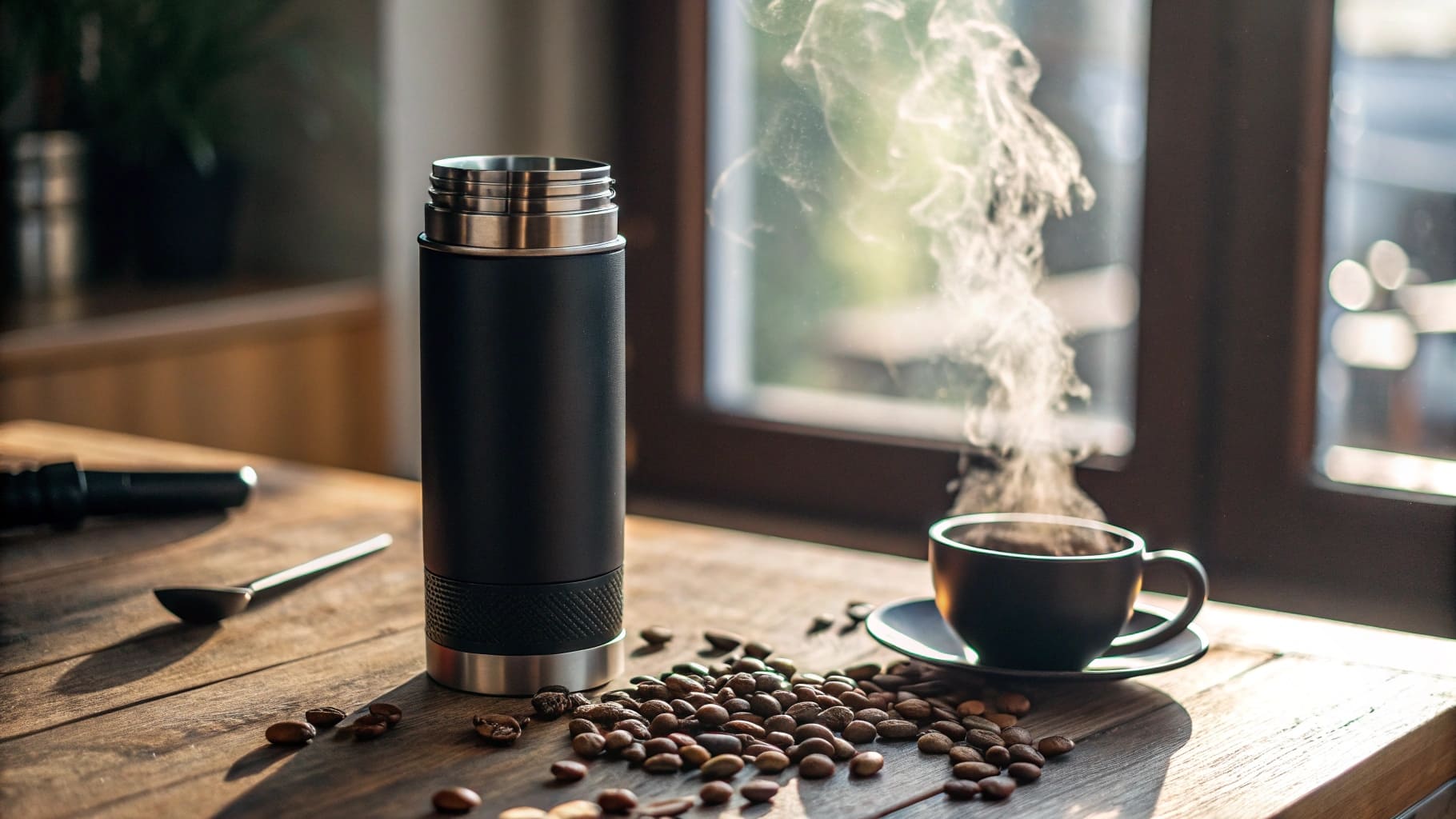
When we talk about the best insulation, we want to stop heat moving. As a B2B supplier from China, I explain this to clients like Mark Shenng. He values quality. Double-wall vacuum insulation is the top choice for bottles from Icobottle.
How Double-Wall Vacuum Insulation Works
Imagine two steel layers. A space is between them. We suck all air from this space. This makes a vacuum. Heat struggles to pass through a vacuum. So, outside temperature hardly affects inside liquid. Warmth or coolness stays put. Making this vacuum perfectly is key for quality.
Why 304 Stainless Steel?
We use 304 (or 18/8) stainless steel. It's great because:
| Feature | Benefit for Insulation & Durability |
|---|---|
| Strength | Protects the vacuum seal from damage. |
| No Rust | Keeps steel layers effective long-term. |
| Food Safe | No reaction with drinks, no taste change. Vital for health. |
| Temperature Lock | Vacuum between steel walls holds the temperature. |
This is reliable. Drinks stay cold up to 24 hours, hot up to 12. Understanding this helps buyers choose superior products.
What is the best material for everyday water bottles?
Need a bottle for daily use that's tough and safe? Worried about materials breaking or tasting funny? I'll explain the best material choice for your everyday hydration.
For everyday water bottles, 304 stainless steel is an excellent material. It is very durable against drops. It also resists rust and doesn't leave a strange taste in your water. This makes it safe and dependable for daily use.
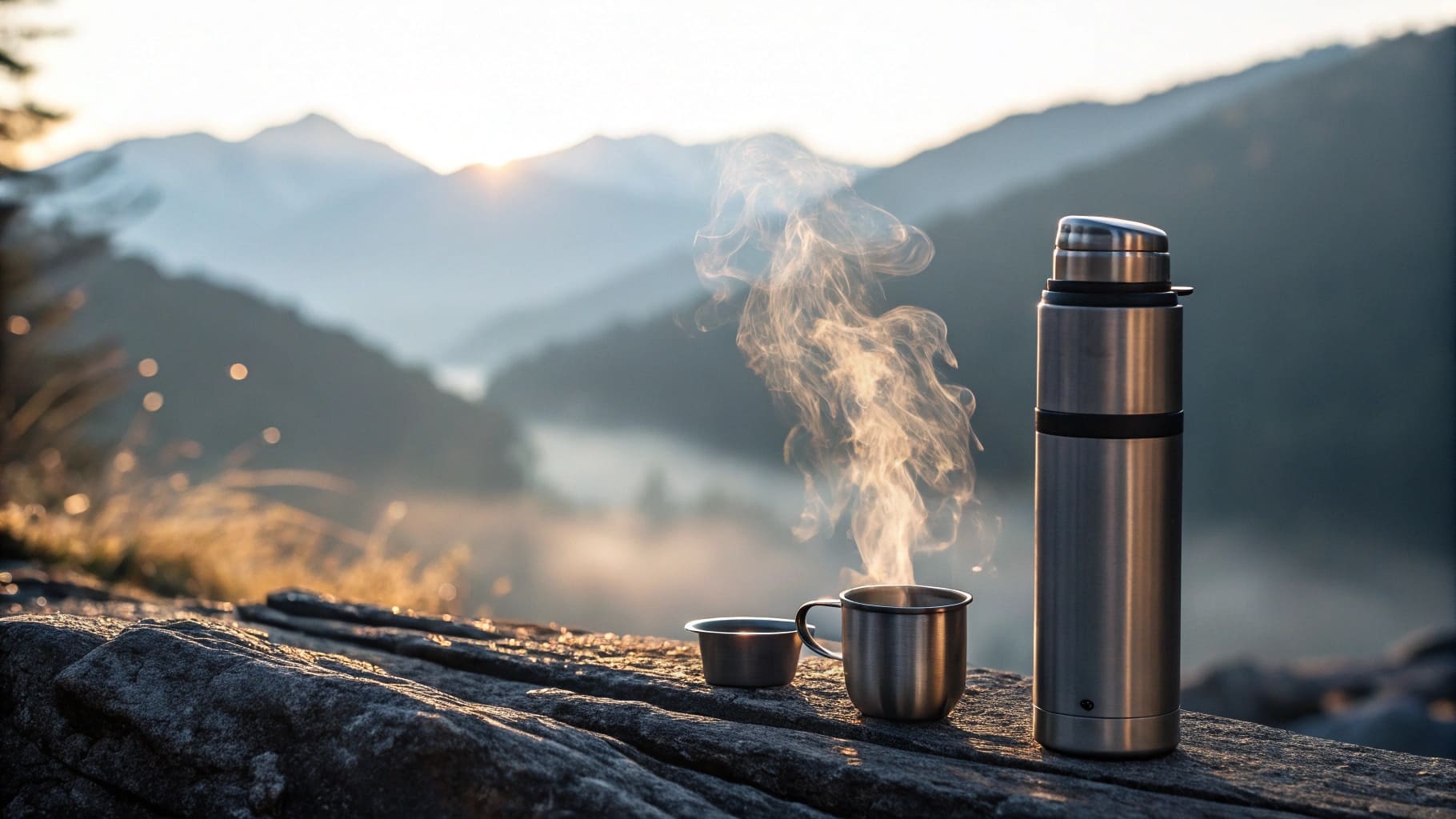
Picking material for daily bottles is key. You want safe, strong, easy to use. At Icobottle, I suggest 304 stainless steel. Clients like startup bosses or procurement officers like Mark appreciate this quality focus.
Why 304 Stainless Steel is Best
This 18/8 steel is great for everyday bottles:
- Tough: Handles drops well. Good for active lives or commuting.
- No Rust: Resists corrosion. Important for a water container.
- Safe: Food-grade steel doesn't leach chemicals. Water stays pure.
- Clean Taste: No old flavors. Water tastes fresh.
- Greener Choice: More sustainable than single-use plastics. It's durable and recyclable.
Other Materials Briefly
| Material | Pros | Cons |
|---|---|---|
| Plastic | Light, cheap | Can leach, holds smells, less strong, bad for environment |
| Glass | Pure taste | Heavy, breaks easily, not for on-the-go |
| Aluminum | Light | Needs liner (can degrade), dents, potential taste issues |
| Stainless Steel (304) | Strong, safe, pure taste, insulates, eco-friendlier | Heavier than plastic, costs more but lasts |
For businesses wanting quality and good reputation, 304 steel is top. It offers the best features for a dependable, safe, greener bottle.
Can I put hot water in an insulated water bottle?
Wondering if your insulated bottle can handle hot drinks? Afraid of damaging it or getting scalded? I'll clarify if it's safe to put hot water inside.
Yes, you can put hot water in high-quality insulated water bottles. Bottles made from stainless steel with vacuum insulation are designed for both hot and cold liquids. The insulation works to keep heat in, just like it keeps cold in.
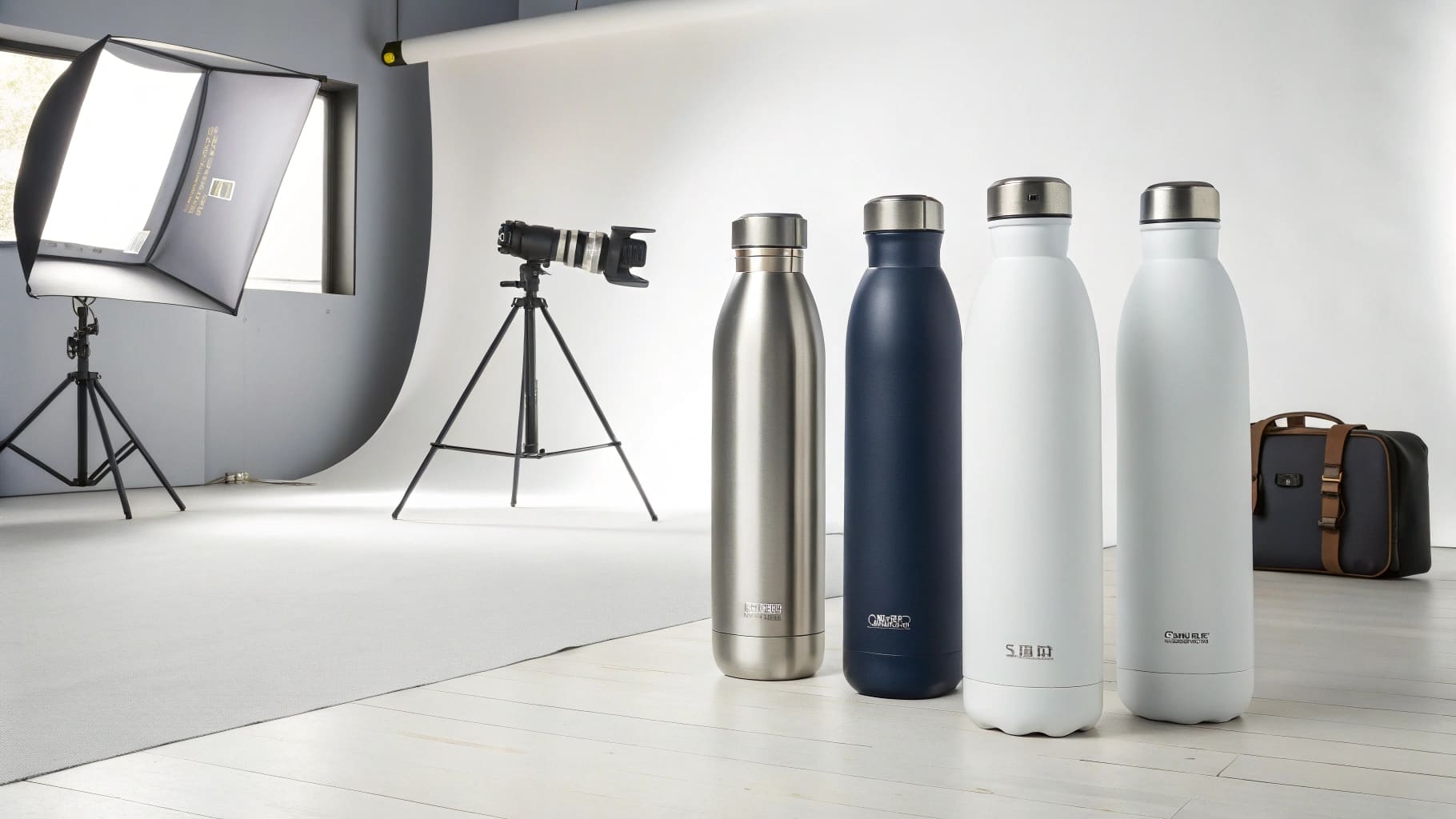
Can insulated bottles hold hot water? Yes, good ones can. We make these at Icobottle. This is key for B2B clients, like large company buyers or startup owners like Mark.
Insulation and Heat
Double-wall vacuum insulation keeps drinks hot, just like it keeps them cold.
- Heat Stays In: The vacuum stops heat loss. Coffee or tea stays hot for hours, often up to 12.
- Cool Outside: The bottle's exterior stays cool. No burnt hands, even with boiling liquid inside.
Lids are Important for Hot Drinks
The steel body handles heat. But the lid is also vital for hot drinks.
- Material: Lids must be heat-resistant and food-grade. We use BPA-free polypropylene. It doesn't warp or release bad things with heat.
- Seal: A tight seal is crucial. It stops hot liquid spills. Spills can be unsafe. A good seal also keeps heat in.
So, for hot liquids, look for:
| Component | Check For |
|---|---|
| Bottle Body | 304 stainless steel. |
| Insulation | Double-wall vacuum. |
| Lid Material | Heat-resistant, BPA-free plastic. |
| Lid Seal | Leak-proof design. |
This hot/cold ability is a great selling point. It adds value for the end user.
Conclusion
Choosing the right insulated bottle means looking at materials, insulation, and safe design for hot or cold use. This ensures durability and lifestyle fit for your customers.
