
Struggling with drinks losing their temperature too quickly? This daily frustration can ruin your coffee or refreshing cold drink. Optimal performance comes from smart vacuum flask design.
A vacuum flask achieves optimal performance by minimizing heat transfer between your drink and the outside environment. Its design, especially the vacuum layer, is key to keeping contents hot or cold for hours.
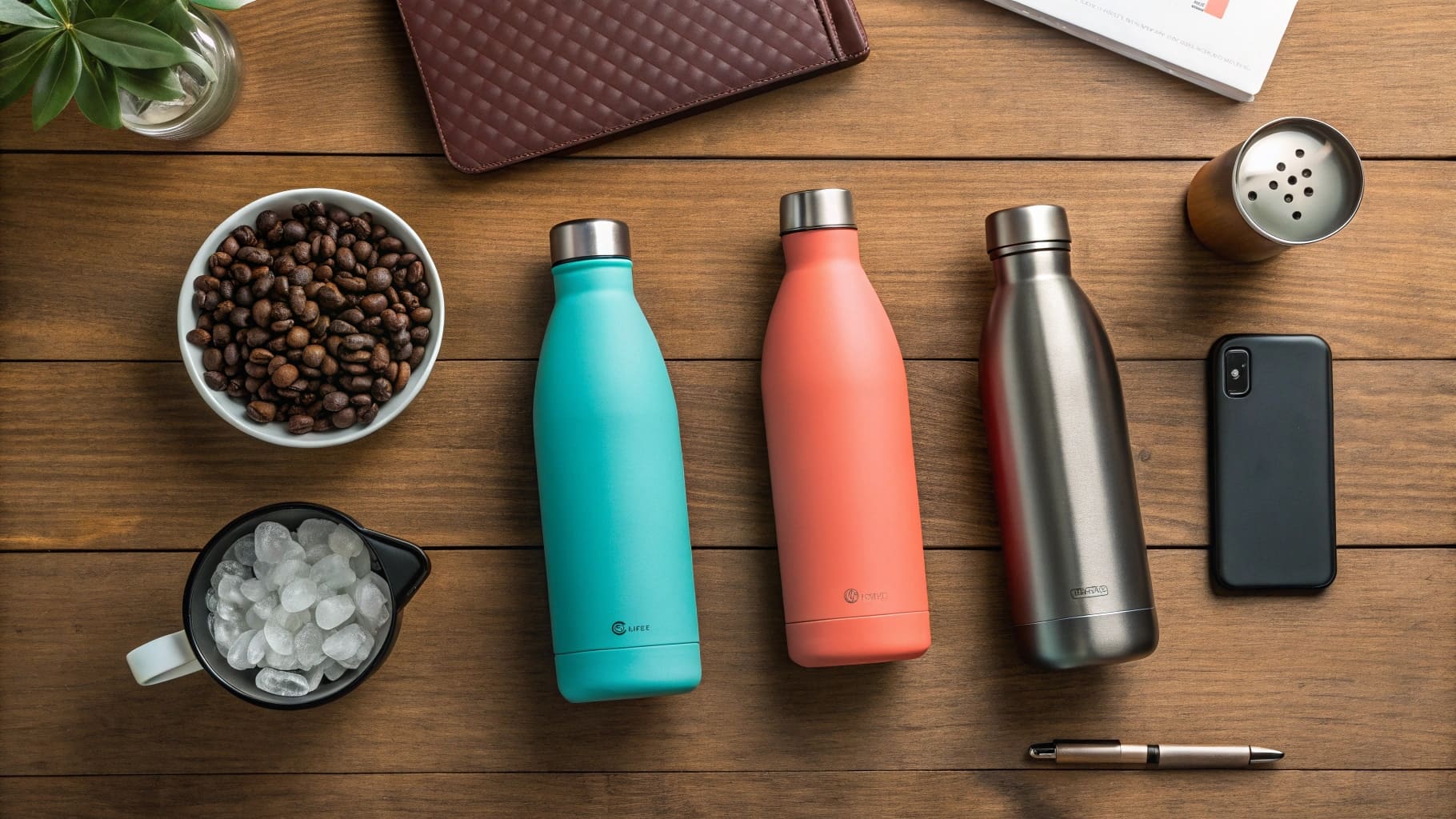
You might wonder how these simple-looking containers work so effectively. It's all about understanding the science of heat and how to stop it in its tracks. As someone who deals with these products daily at Icobottle, I've seen firsthand how crucial good design is. Let's explore the details that make a vacuum flask perform at its best. This understanding is vital not just for enjoying your drink, but for B2B buyers like Mark Shenng who need reliable products for their customers.
What are the benefits of a vacuum flask?
Tired of lukewarm coffee by mid-morning or melted ice in your water bottle? These small annoyances add up. A vacuum flask offers a simple, effective solution.
The main benefits of a vacuum flask include maintaining your drink's temperature for extended periods, portability, durability, and often a more eco-friendly choice than disposable cups. It provides convenience and enjoyment.

The advantages of a vacuum flask go beyond just keeping your tea hot or your water cold. I remember one particular sourcing trip where my days were packed. Having a reliable flask meant I could enjoy a hot coffee from my hotel throughout my morning meetings, saving me time and money. For professionals like Mark, offering products with tangible benefits is key to customer satisfaction and repeat business.
Everyday Convenience
A vacuum flask brings a level of convenience that many of us appreciate.
- Temperature Retention: The most obvious benefit is its ability to keep hot drinks hot and cold drinks cold. Imagine pouring coffee at 7 AM and it's still pleasantly warm at noon. Or packing an iced tea that remains chilled through a hot afternoon.
- Portability: Designed for on-the-go lifestyles, these flasks fit easily into bags or car cup holders. This means your preferred beverage can accompany you anywhere – to the office, the gym, or on a hike.
Economic and Environmental Impact
Using a vacuum flask can also be a smart choice for your wallet and the planet.
- Cost Savings: Regularly buying coffee or bottled water adds up. With a vacuum flask, you can prepare your drinks at home and take them with you, reducing daily expenses. I've personally cut down my coffee shop spending significantly since making this a habit.
- Reduced Waste: By opting for a reusable flask, you decrease your reliance on single-use plastic bottles and disposable coffee cups. This contributes to less landfill waste and a smaller environmental footprint. For my business, Icobottle, promoting reusable options is an important part of our ethos.
Here’s a simple comparison:
| Feature | Benefit | Impact for B2B Buyers (like Mark) |
|---|---|---|
| Temp. Retention | Customer satisfaction, drinks stay fresh | Higher perceived value, fewer complaints |
| Portability | Use anywhere, anytime | Appeals to active, mobile consumers |
| Durability | Long-lasting, often made of stainless steel | Reputation for quality, less frequent replacement |
| Reusability | Cost-saving, eco-friendly | Positive brand image, meets green demand |
Understanding these benefits helps businesses like Mark's position these products effectively to their target audience. It's not just a container; it's a lifestyle enhancement.
How is a vacuum flask designed to reduce unwanted energy transfers?
Ever wondered why your drink in a regular cup gets cold so fast? It’s all about energy transfer. A vacuum flask is specifically engineered to fight this.
A vacuum flask is designed with double walls. The space between these walls has the air removed, creating a vacuum. This significantly reduces heat transfer by conduction and convection.

The science behind it is quite clever. As a manufacturer, we at Icobottle focus a lot on the integrity of this vacuum. If it's not done right, the flask simply won't perform. For buyers like Mark, understanding this design is crucial for assessing quality. Let's delve into how these design elements work together.
The Core Principle: Minimizing Heat Flow
Heat energy naturally moves from warmer areas to cooler areas. A vacuum flask aims to stop this movement in three main ways:
- Conduction: Heat transfer through direct contact.
- Convection: Heat transfer through the movement of fluids (liquids or gases).
- Radiation: Heat transfer through electromagnetic waves.
Key Design Features and Their Roles
Several components work together to achieve thermal insulation:
-
Double Walls:
Most vacuum flasks, especially those we produce at Icobottle using 304 or 316 stainless steel, have an inner wall and an outer wall. This creates a gap.- Impact: Separates the contents from the external environment.
-
The Vacuum:
This is the most critical part. The air is pumped out from the space between the double walls.- Impact: Since conduction and convection require a medium (like air molecules) to transfer heat, removing the air drastically reduces these two forms of heat transfer. Without many air particles, there's very little to carry the heat across the gap. I recall a batch we tested where a slight imperfection in the vacuum seal made a huge difference in performance.
-
Reflective Surfaces:
The surfaces of the inner and outer walls facing the vacuum are often polished and reflective.- Impact: This helps to reduce heat transfer by radiation. Heat energy radiates outwards (from a hot drink) or inwards (towards a cold drink). Reflective surfaces bounce these heat waves back towards their source. Think of how a mirror reflects light.
-
Lid/Stopper:
A well-fitting, insulated lid is also essential.- Impact: The opening is a major point for heat loss or gain. A tight seal prevents air exchange (convection) and the material of the lid itself should be a poor conductor of heat.
Here's how these elements counter heat transfer:
| Heat Transfer Type | How Flask Design Reduces It |
|---|---|
| Conduction | Vacuum (few molecules to conduct), low-conductivity lid. |
| Convection | Vacuum (no air to create currents), sealed lid. |
| Radiation | Reflective inner surfaces of the double walls. |
For someone like Mark, who is sensitive to quality, knowing that a supplier understands and properly implements these design features is paramount. A flaw in any of these areas, especially the vacuum, means the product won't deliver on its promise.
Why is vacuum preferred in a thermos flask?
You might ask, why go to the trouble of creating a vacuum? Aren't there other ways to insulate? While other methods exist, a vacuum offers superior thermal insulation.
Vacuum is preferred in a thermos flask because it's extremely effective at minimizing heat loss or gain through conduction and convection. It creates a near-empty space, offering little medium for heat transfer.
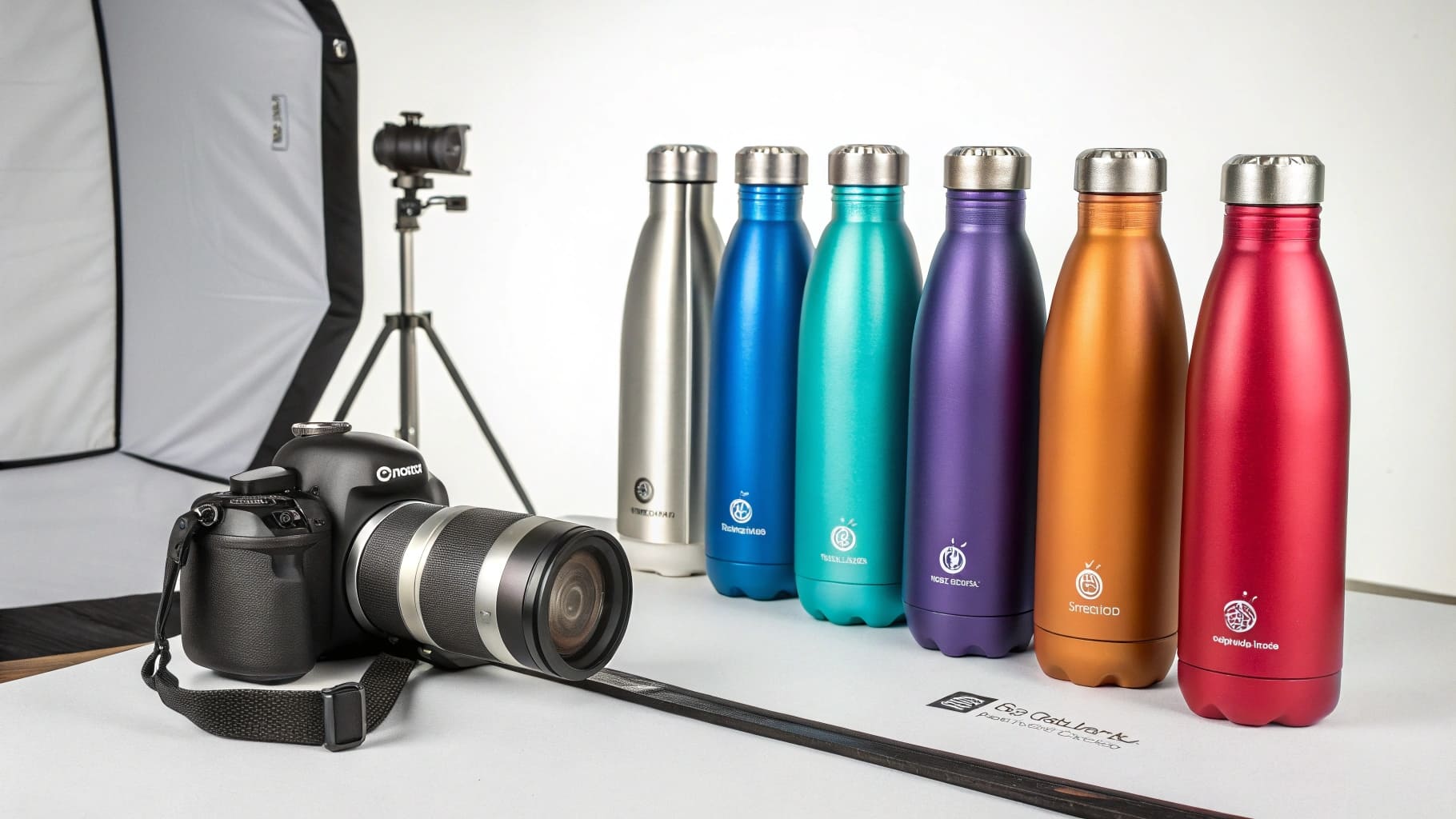
When I discuss product specifications with clients like Mark, the quality of the vacuum is always a key point. It's the heart of the flask's performance. Other insulators just don't match up for this specific application where compact, high-efficiency insulation is needed.
The Superiority of Vacuum Insulation
To understand why vacuum is king for thermos flasks, let's consider what it's up against. Heat wants to move, and it uses molecules to do so.
- Conduction: Imagine a line of people passing a ball. Each person is a molecule, and the ball is heat. If you remove most of the people (molecules), it's very hard to pass the ball. A vacuum removes most of the air molecules between the flask's walls, so there's very little to conduct heat from the inner wall (touching your drink) to the outer wall (touching your hand or the environment).
- Convection: This is like a current of air or water carrying heat. Warm air rises, cold air sinks. Inside the gap of a poorly insulated flask, air currents could carry heat away from a hot drink or towards a cold one. By removing the air to create a vacuum, you eliminate these currents almost entirely.
Comparing Vacuum to Other Insulators
While other materials can insulate, they often have drawbacks for a portable flask:
| Insulator Type | How it Works | Why Less Ideal for Flasks than Vacuum |
|---|---|---|
| Air (no vacuum) | Trapped air reduces conduction (air is a poor conductor) | Air still allows significant convection currents. |
| Foam | Traps air in small pockets, reducing conduction/convection | Can be bulky for the same level of insulation; may degrade. |
| Solid Insulators | Materials that conduct heat poorly. | Often need to be very thick to be effective, making the flask heavy. |
The effectiveness of a vacuum is primarily because it addresses both conduction and convection so well in a slim profile. The "My Insights" pointed out, "With very little air, there's almost nothing to carry the heat between the walls." This is the core reason. I’ve seen designs attempt to use just an air gap, but the performance difference compared to a true vacuum is significant.
Manufacturing Precision for B2B Buyers
For B2B buyers like Mark, this preference for vacuum translates to a need for manufacturing precision. Creating and maintaining a high-quality vacuum is not simple. It requires:
- Proper Sealing: The point where the vacuum is sealed off must be perfect. Any leak compromises the vacuum and thus the performance.
- Durable Materials: The flask (like our 304 or 316 stainless steel ones at Icobottle) must be strong enough to withstand the atmospheric pressure pushing inwards on the vacuum space.
- Quality Control: Rigorous testing to ensure the vacuum integrity of each unit.
This is why Mark, who focuses on quality, would scrutinize a supplier's ability to produce a reliable vacuum. It's the difference between a premium product and one that disappoints the end-user. The effectiveness of the vacuum is a direct measure of the flask's quality.
Conclusion
Optimal vacuum flask performance hinges on its smart design, chiefly the vacuum layer. This minimizes heat transfer, keeping drinks at the desired temperature for hours, a key selling point.
