
Staying hydrated on the move is tough. Dehydration ruins your day. The right tumbler is your simple fix.
The perfect size water tumbler depends on your daily needs. For most, 500ml to 1 liter stainless steel bottles offer a good balance of portability and capacity. This ensures you can maintain proper on-the-go hydration effectively.
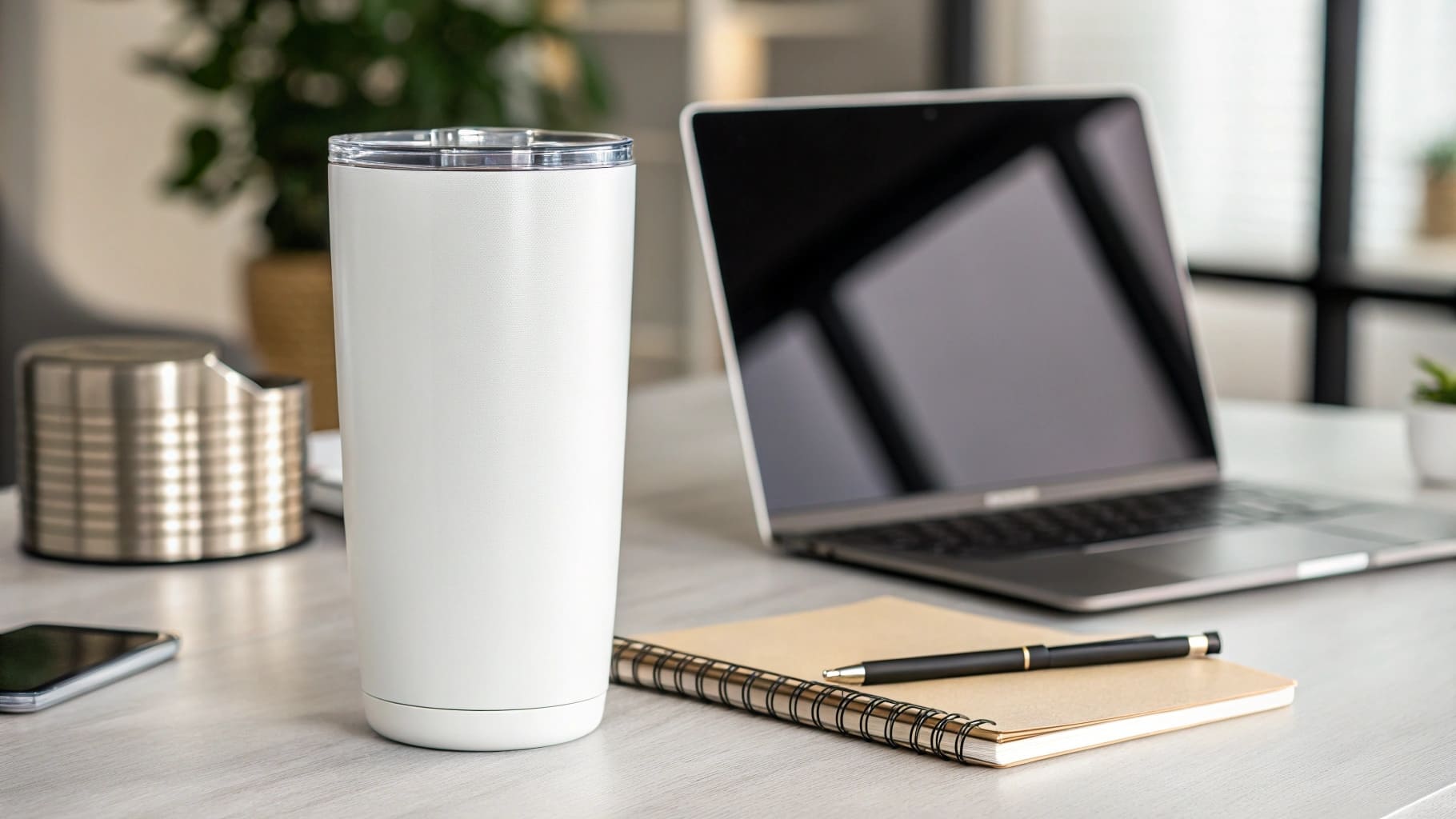
Choosing the right water tumbler can feel a bit overwhelming with so many options. But if you think about how you'll use it most, the decision becomes much clearer. As someone who has been manufacturing and exporting bottles for years, I’ve learned what works best for different people. Let’s explore this so you can find what you need.
Is there a water bottle that keeps track of intake?
Tracking water intake can be a chore. You might not drink enough. Smart bottles can make it easy for some.
Yes, smart water bottles1 exist. They use sensors and often connect to smartphone apps to monitor how much water you drink throughout the day. This can help you stay on top of your hydration goals.
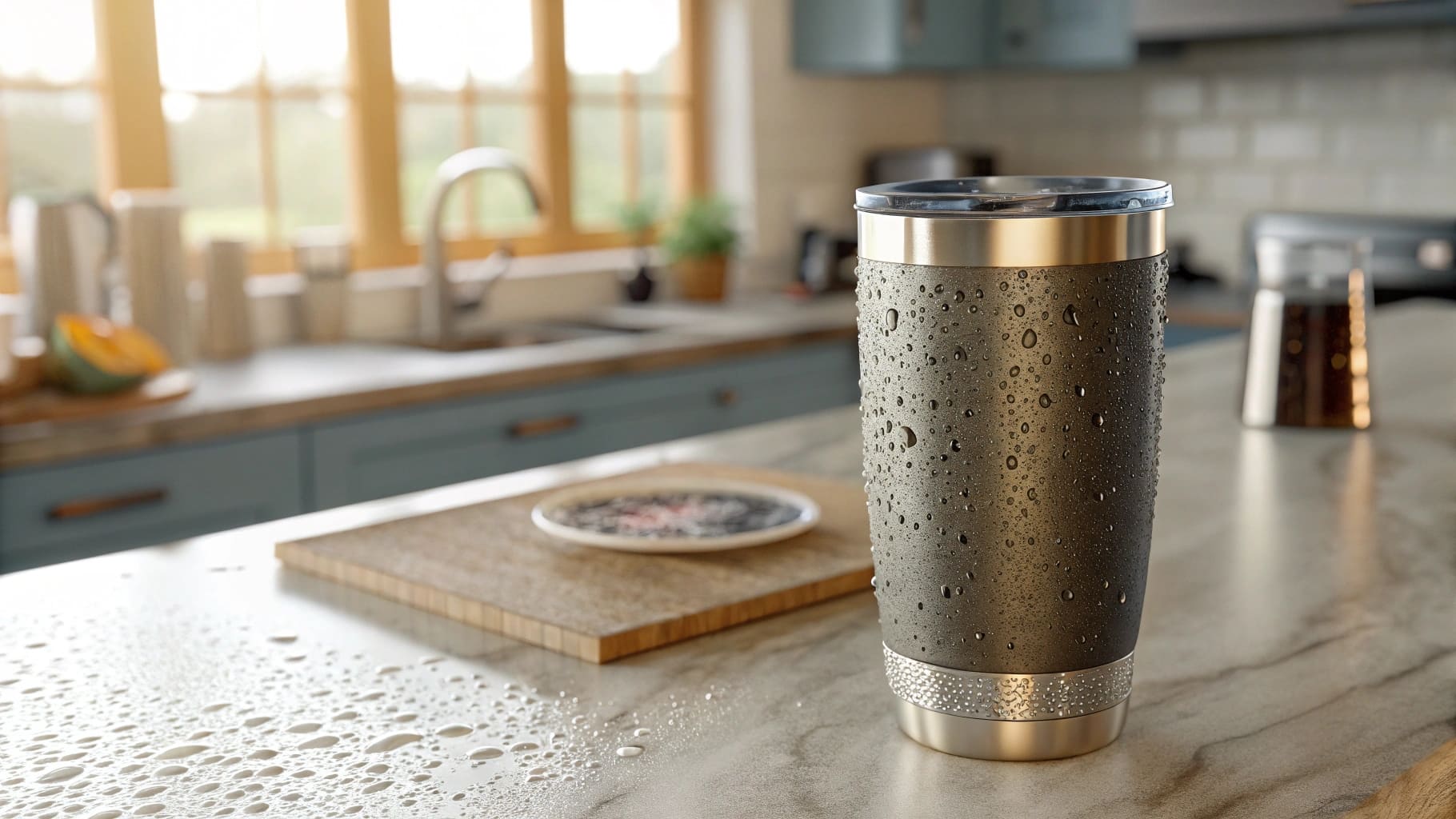
Smart bottles are definitely an interesting development in the hydration market. They use technology, like little sensors inside the bottle, to measure how much water you drink. Then, they usually connect to an app on your smartphone using Bluetooth. This app can be quite helpful. It can send you reminders if you haven't had a drink in a while. It can also track your daily, weekly, or monthly intake, showing you graphs and progress towards your hydration goals. Some even have cool features like glowing to remind you, or showing the water temperature.
From my perspective at Icobottle, supplying B2B clients like Mark, who then sells to consumers in Canada, these smart bottles are still a specialized item. Most of his orders, and indeed most of our wholesale orders, are for traditional insulated stainless steel bottles2. The main reasons businesses and consumers choose these are practicality, excellent insulation – keeping drinks hot or cold for hours – and, crucially, material safety. Everyone wants to know their bottle is safe.
Smart features add to the product's cost. They also mean there are more things that could potentially go wrong, like the electronics failing or battery issues. While the technology is clever, the core demand in the broader market, especially for businesses focused on volume and reliability, remains centered on high-quality materials, effective insulation, durability, and a competitive price point.
Here’s a breakdown of common smart bottle functionalities:
| Feature | Description | Potential Benefit to End-User | Consideration for B2B |
|---|---|---|---|
| Intake Tracking | Sensors measure volume of water consumed | Increased awareness of hydration habits | Higher cost, niche appeal |
| Glow Reminders | Bottle or cap illuminates to prompt drinking | Encourages consistent hydration | Battery life, durability |
| Smartphone App Sync | Connects for data logging, goal setting, customization | Detailed insights, personalized plans | App support, user tech-savviness |
| Temperature Display | Shows current liquid temperature on the bottle | Convenience for preferred drink temperature | Added electronic component |
So, while "smart" is a growing trend, for bulk B2B purchases, the foundation is still a well-made, non-smart bottle that performs its primary function perfectly. For my business, focusing on top-quality stainless steel that can be customized with logos and colors for my clients is key.
What is the best container to drink water from?
Worried about what your bottle is made of? Some materials are unsafe. Choose wisely for healthy hydration, especially when buying wholesale.
Food-grade stainless steel, typically 304 or sometimes 316 for enhanced corrosion resistance, is often the best. It is durable, safe, maintains beverage temperature, doesn't impart flavors, and is BPA-free.
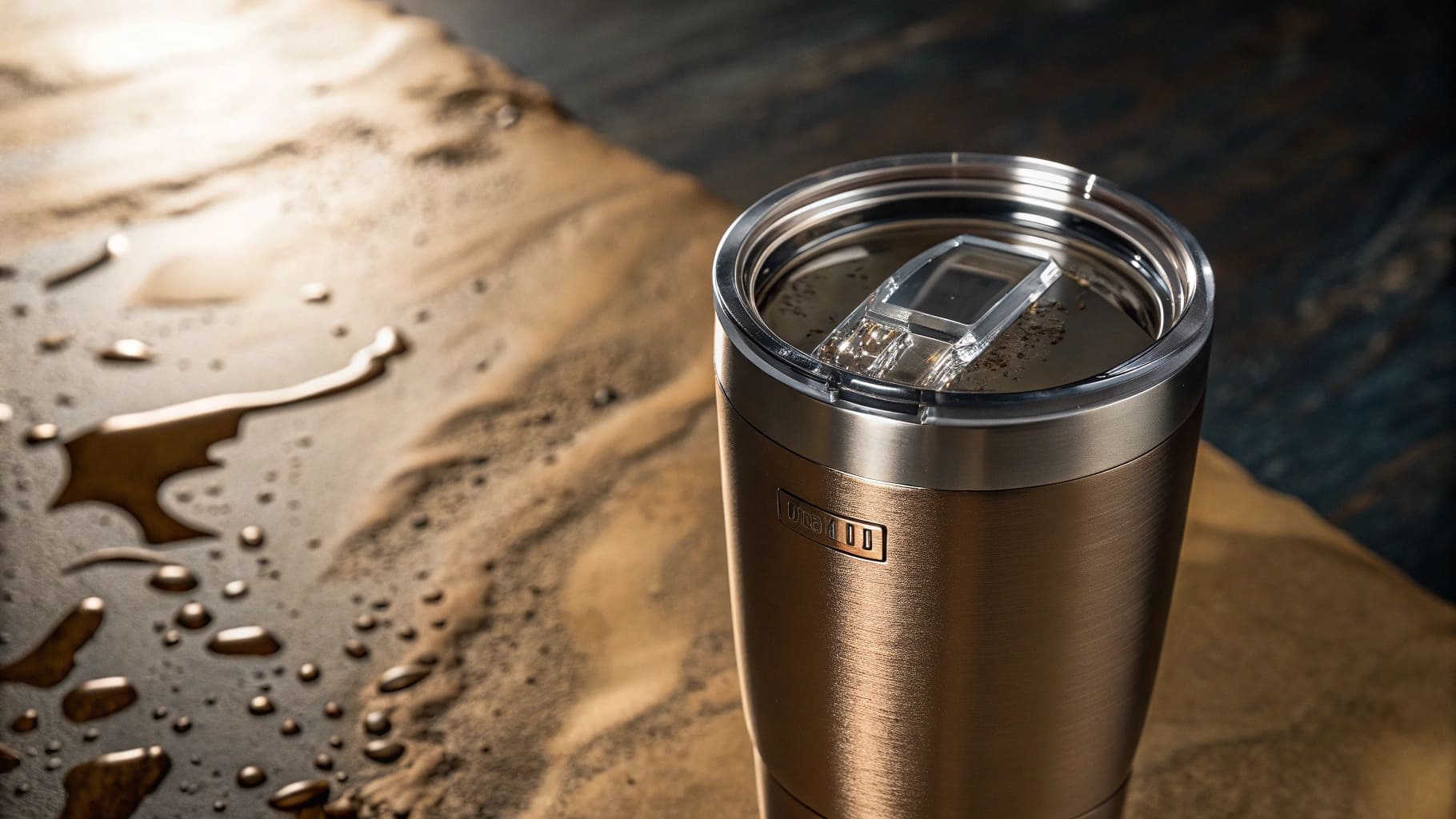
When I speak with experienced importers and brand owners, like Mark who brings products into Canada for his distribution business, the conversation nearly always turns to the material of the water bottle. He's very clear that his customers, and the market in general, are looking for food-grade stainless steel3. This material has become the gold standard for reusable water bottles, and for good reasons. As a manufacturer, this is what we specialize in at Icobottle.
Our primary material for tumblers, hip flasks, and water bottles is 304 stainless steel. It’s an excellent choice because it’s robust, highly resistant to rust and corrosion, and, most importantly, it doesn't leach any chemicals or flavors into the water. This means the water tastes fresh, just like it should. If water has an off-taste, people simply won't use the bottle, no matter how good it looks. We can also do custom logos and colors on these stainless steel products, which is key for branding efforts by companies like Mark's.
Occasionally, a client might have a specific need for 316 stainless steel. This grade offers even greater corrosion resistance, particularly against salts and more acidic substances. It might be chosen for marine environments or if the bottle is intended for drinks other than water regularly. However, for everyday water consumption, 304 stainless steel is perfectly adequate and offers a better balance of cost and performance for most wholesale orders.
A huge selling point for stainless steel, especially the double-walled vacuum insulated4 versions we produce, is temperature retention. A good stainless steel bottle can keep water refreshingly cold for up to 24 hours, or coffee hot for up to 12 hours. This feature significantly encourages people to drink more water, especially during hot weather or after exercise.
Let's quickly compare why stainless steel often comes out on top for B2B buyers like procurement officers:
| Material | Key Advantages | Key Disadvantages | Typical B2B Sentiment (for Water Bottles) |
|---|---|---|---|
| Stainless Steel | Durable, non-toxic, excellent insulation, no taste transfer, premium feel | Higher unit cost, can be heavier than plastic | Preferred choice for quality & safety |
| Plastic (BPA-free) | Lightweight, lower cost, wide range of designs | Potential for odor/taste retention, microplastic concerns, less durable, perceived lower quality | Good for budget-conscious segments |
| Glass | Purest taste, no chemical leaching, recyclable | Fragile, heavy, usually not insulated, can be slippery | Niche market, often with protective sleeve |
| Aluminum | Lightweight | Often requires an internal lining (which can degrade), dents easily | Less popular now due to lining concerns |
So, for B2B customers aiming to provide high-quality, safe, and desirable products to their end consumers, stainless steel is usually the most requested and reliable option. It meets the demands for quality inspection and certification that are so important to buyers like Mark.
Should I get a big or small water bottle?
Confused about the right bottle size for your customers? Too small means refills, too big is a pain. Match size to their lifestyle.
It depends on the primary activity of the end-user. Commuters might prefer 500-600ml. Active people or those on long trips often need 750ml to 1 liter. Offering a range is key for B2B.
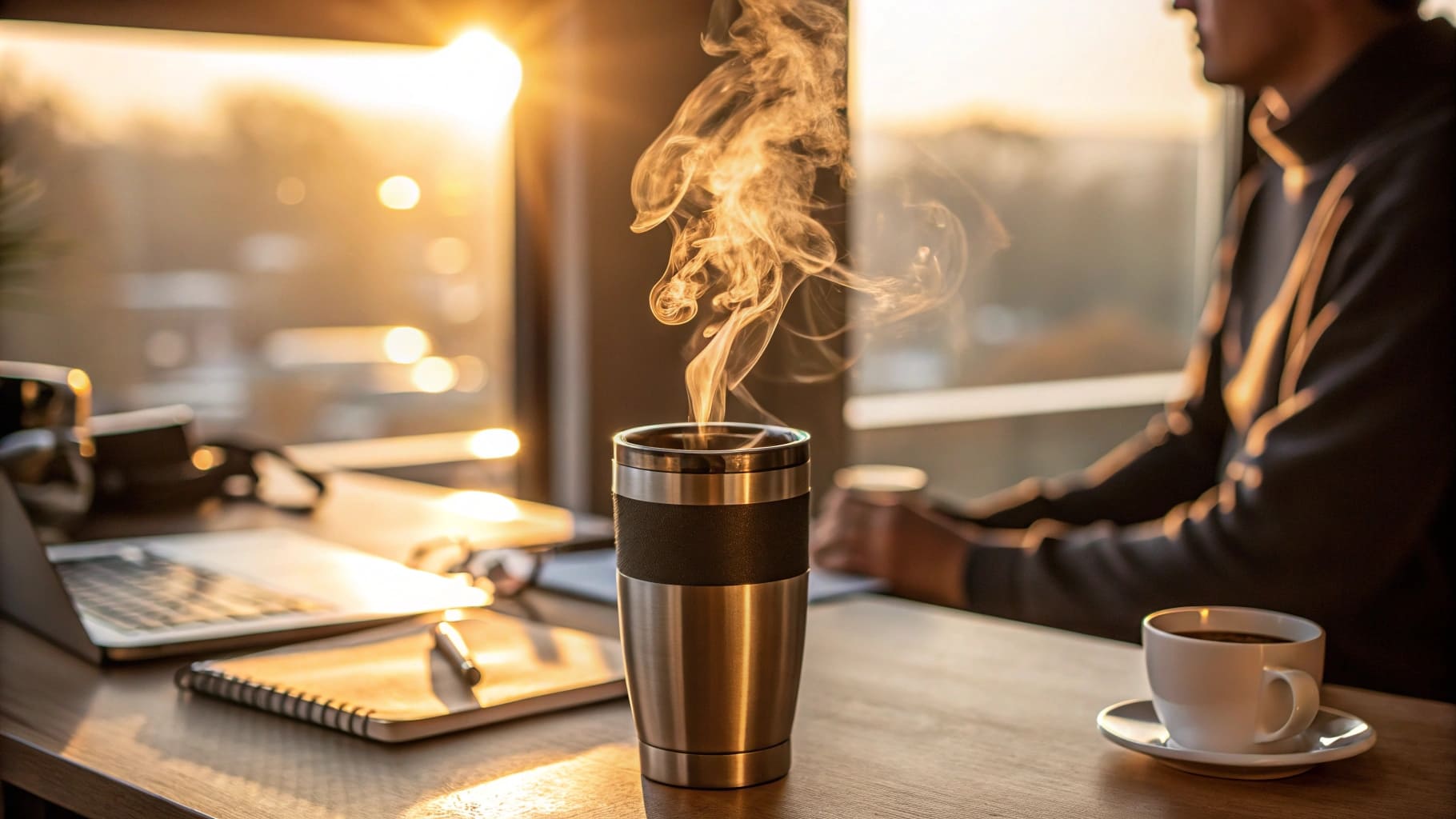
This question of "big or small" is one I discuss frequently with my B2B clients. These include procurement officers from large companies and startup bosses looking to launch their own brand of drinkware. They need to order quantities that will appeal to the widest range of their target end-users. As a manufacturer in China exporting worldwide, mainly to America and Europe, I've seen that there's no single "perfect" size that suits every single person or every situation. The key for a successful product line is to offer a selection that covers the most common needs.
At Icobottle, we always advise clients to think about the primary use cases for the water bottles. For someone who needs a bottle for their daily commute, to take to the office, or for running errands, a bottle around 500ml (which is roughly 17 ounces) to 600ml (around 20 ounces) is often ideal. These sizes are compact enough to fit into a handbag, backpack, or a car's cup holder without being too cumbersome or heavy when full. I personally find a 500ml bottle is perfect for my day-to-day activities around the factory and for short trips.
However, if the end-user is someone who is very active – perhaps they go to the gym regularly, enjoy long hikes, or spend extended periods outdoors – then a larger capacity is much more practical. For these individuals, a 750ml (approximately 25 ounces) or even a 1-liter (around 34 ounces) bottle makes more sense. This larger volume means they can stay hydrated for longer without needing to find a place to refill. Mark, my client in Canada who buys stainless steel water bottles wholesale from us, finds these larger sizes sell well to customers who enjoy Canada's great outdoors. He is sensitive to quality but also seeks competitive pricing for his rebranded products.
Here’s a more detailed look at how different sizes suit various lifestyles, which is crucial for B2B assortment planning:
| User Profile / Activity | Common Size Range | Rationale for B2B Stocking | Typical End-User Benefit |
|---|---|---|---|
| Office Worker / Daily Commuter | 500ml - 600ml (17-20oz) | High volume sales, fits most daily bags and routines | Portable, convenient, encourages desk hydration |
| School Children / Teens | 350ml - 550ml (12-18oz) | Lighter weight for smaller frames, fits in school bags | Easy for kids to handle and carry |
| Gym Goer / Fitness Enthusiast | 600ml - 1L (20-34oz) | Caters to increased hydration needs during exercise | Sufficient water for a full workout session |
| Outdoor Adventurer / Hiker | 750ml - 1.2L (25-40oz) | Essential for longer periods without access to refills | Ensures hydration in remote locations |
| Traveler (Air/Road Trip) | 500ml - 1L (17-34oz) | Versatile for different travel stages, reduces plastic use | Convenient, cost-saving, eco-friendly |
Therefore, when businesses like Mark's are deciding on their product assortment, offering a few key sizes, such as a popular medium size (e.g., 500-600ml), a larger option (e.g., 750ml-1L), and perhaps a smaller one for kids or light use, usually covers the market well. This strategy ensures that most consumers can find a bottle that fits their specific on-the-go hydration needs, helping my clients avoid missed peak sales seasons due to mismatched inventory.
Conclusion
Finding the right tumbler involves matching size to lifestyle and choosing a safe, durable material like stainless steel. This ensures hydration and satisfaction.
-
Explore the latest smart water bottles that track your hydration and offer innovative features to enhance your drinking experience. ↩
-
Discover why traditional insulated stainless steel bottles remain popular for their practicality and safety in hydration solutions. ↩
-
Explore the advantages of food-grade stainless steel, the gold standard for safe hydration, ensuring your water stays fresh and chemical-free. ↩
-
Discover how double-walled vacuum insulation keeps beverages at the perfect temperature, encouraging hydration throughout the day. ↩