
Struggling to pick tumbler sizes for your bulk order? It's tough when you don't want to waste money or miss an opportunity. I can help you figure this out.
To determine the right tumbler sizes, first think about who will use them and for what purpose. This understanding will guide you to the most suitable volumes for your specific needs.
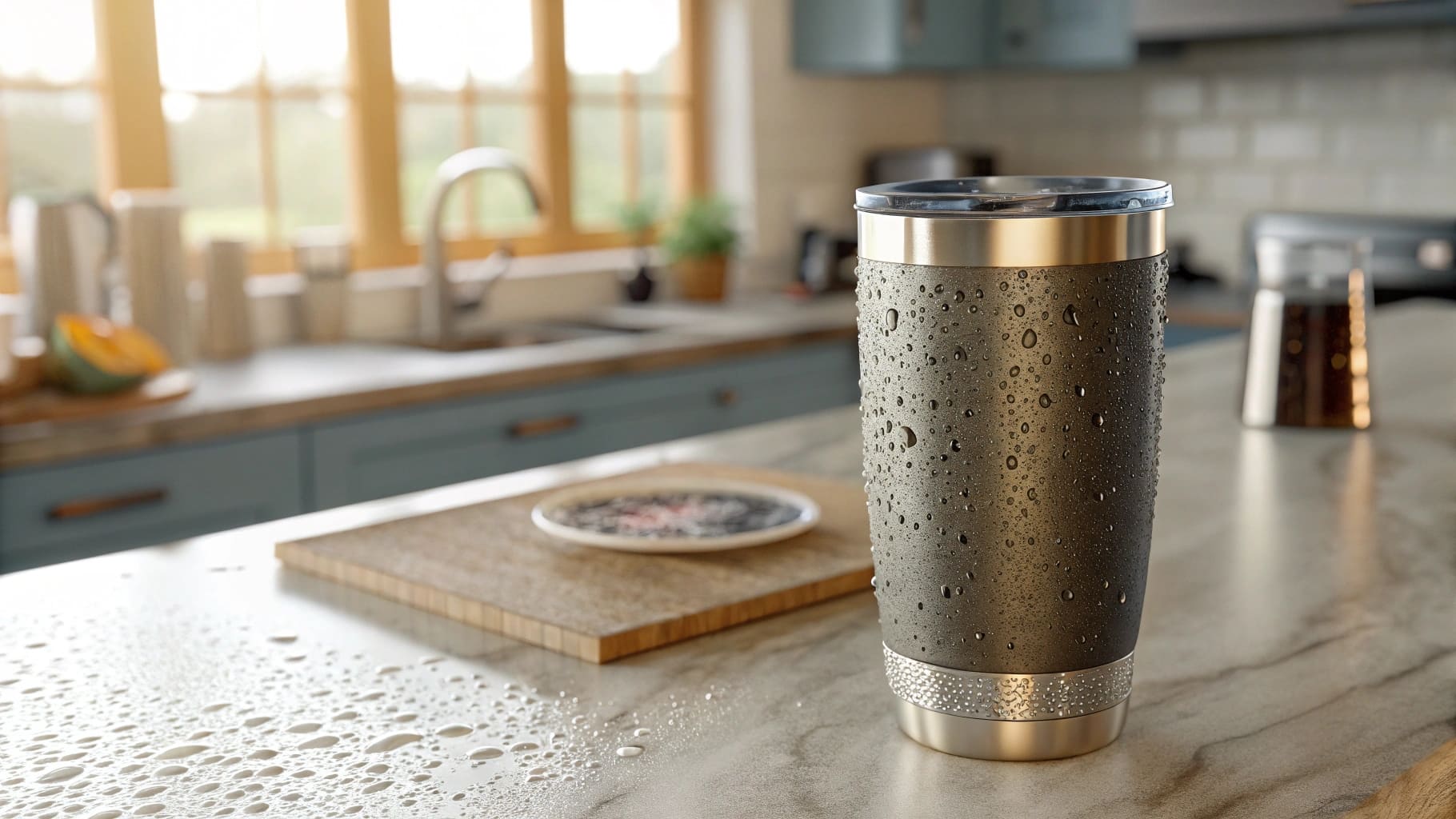
Choosing the right tumbler size is a common question I get from clients like Mark Shenng, a company owner from Canada. He needs to get it right because it impacts his sales. It's not just about picking a popular size. It's about matching the tumbler to its use. If you get this wrong, you might end up with stock that doesn't move. But if you get it right, your customers will love the tumblers, and they'll be a hit. Let's look into how you can make the best choice for your business or event.
What is the average size of a tumbler?
Wondering what's considered a "normal" tumbler size? It can be confusing with so many options, leading to potential order mistakes. I'll clarify this for you.
While "average" can be subjective, standard tumblers often range from 14 to 20 ounces. Many manufacturers, including us at Icobottle, offer a variety to suit diverse needs.

When people ask me about the average size, I tell them it really depends. There isn't one single "average" that fits everyone. For instance, a small 10-ounce tumbler might be perfect if you're giving them away at a coffee shop promotion. People can enjoy a single serving, and it’s a handy size. On the other hand, a larger 20-ounce tumbler is more versatile for daily hydration. Someone might use this at their desk all day. We see orders for many different sizes. Some common sizes are 10 oz, 12 oz, 16 oz, 20 oz, and even 30 oz or more. The key is to think about the end-user. What will they be drinking? Where will they be using it? Answering these questions helps narrow down the best "average" size for your specific situation, not just a general average.
Here's a simple table to illustrate common sizes and their uses:
| Tumbler Size (Ounces) | Tumbler Size (Milliliters, approx.) | Common Uses |
|---|---|---|
| 8-12 oz | 240-350 ml | Coffee, tea, kids' drinks, promotional events |
| 14-16 oz | 400-470 ml | Standard coffee, daily water intake |
| 20-24 oz | 590-710 ml | Extended hydration, iced beverages |
| 30 oz+ | 880 ml+ | Long trips, outdoor activities, maximum hydration |
For my business, Icobottle, we offer a range, but popular wholesale choices often fall between 16 to 20 ounces because they offer a good balance for general use.
What is the best material for tumblers?
Are you unsure which tumbler material is best for your needs? Choosing the wrong one can lead to unhappy customers or products that don't last. Let me guide you.
Stainless steel, especially 18/8 food-grade (SUS 304), is the top choice in the B2B market. It's durable, rust-resistant, great for temperature retention, BPA-free, and eco-friendly.
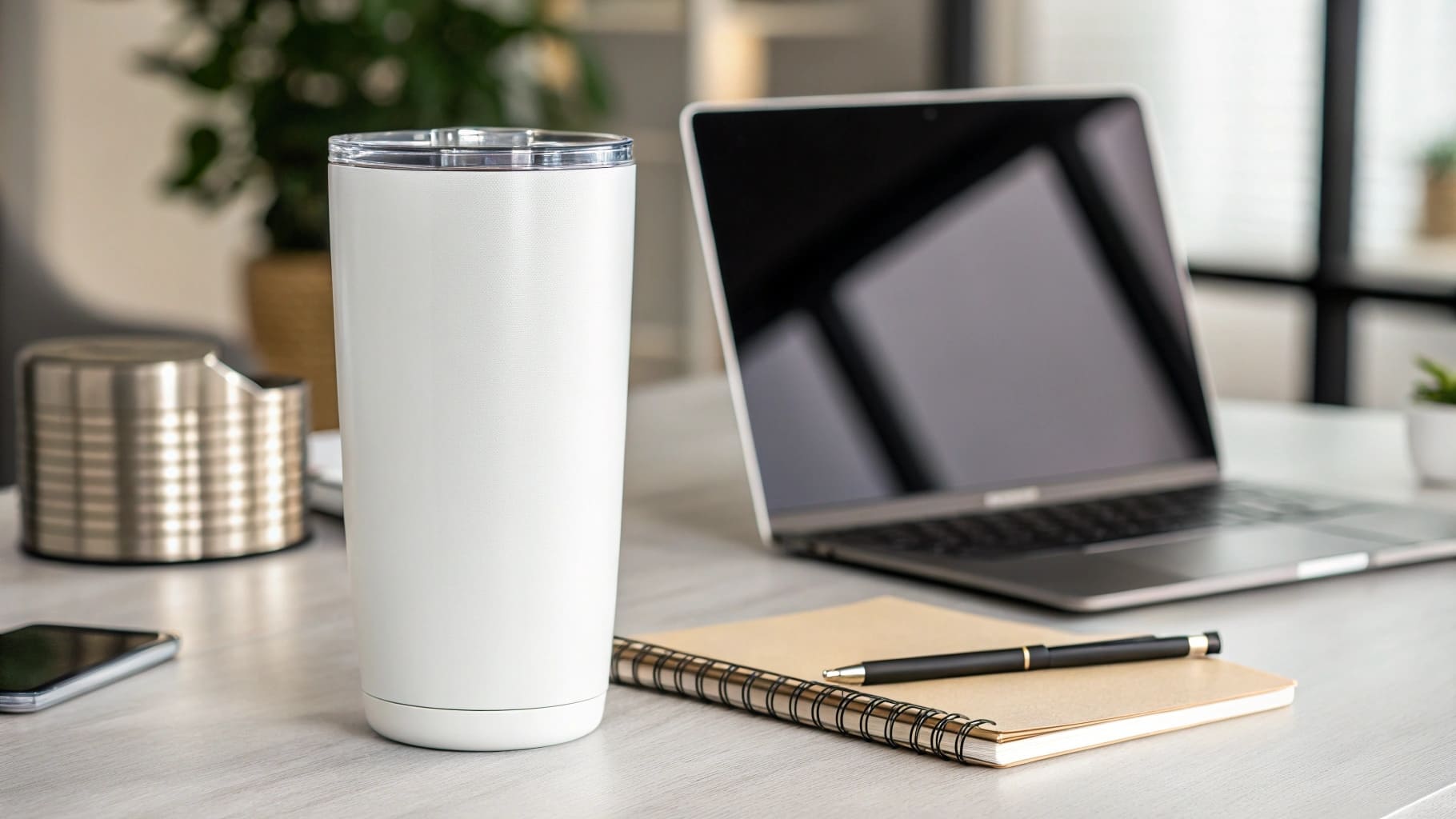
When my clients, like Mark, ask about materials, I almost always recommend stainless steel for insulated tumblers1. Specifically, we use 18/8 food-grade stainless steel, which is also known as SUS 304. This material has so many benefits. First, it's incredibly durable. It can handle daily use and won't break easily if dropped, unlike glass or ceramic. Second, it's rust-resistant, which is important for a product that constantly holds liquids. Third, its ability to keep drinks hot or cold for hours is a major selling point. This insulation capability is why stainless steel tumblers are so popular. Plus, it's BPA-free, so there are no worries about harmful chemicals. And it’s an eco-friendly option2 compared to single-use plastic bottles. While other materials exist, like plastic, glass, ceramic, and even bamboo, stainless steel really leads the pack for quality insulated tumblers. For my business, Icobottle, offering top-quality stainless steel products is key because our customers in America and Europe expect it.
Let's compare some common materials:
| Material | Durability | Insulation | Eco-Friendly | Cost | Main Use Cases |
|---|---|---|---|---|---|
| Stainless Steel | High | Excellent | High | Moderate | Insulated tumblers, daily use |
| Plastic | Moderate | Poor-Good | Low | Low | Non-insulated, budget-friendly |
| Glass | Low | Moderate | High | Moderate | Aesthetics, taste purity |
| Ceramic | Low-Medium | Good | Moderate | Low-Medium | Mugs, specific aesthetics |
| Bamboo | Moderate | Poor | High | Moderate | Eco-conscious, unique appearance |
For B2B wholesale, especially for businesses that want to customize with logos and colors, stainless steel offers the best combination of features and perceived value.
Who makes the best insulated tumbler?
Trying to find the "best" insulated tumbler manufacturer can feel overwhelming. You don't want to partner with a supplier who can't meet your quality or customization needs. I can offer some perspective.
The "best" insulated tumbler manufacturer3 really depends on your specific requirements. Look for experienced OEM manufacturers who emphasize quality control, design support, and can produce custom items.
When clients ask me this, I explain that "best" is subjective. What's best for one company might not be best for another. For example, my company, Icobottle, focuses on providing top-quality stainless steel tumblers with customized logos and colors, mainly for B2B clients in America and Europe. We pride ourselves on our manufacturing process and quality control. Companies like mine, or others such as KingStar and EverichHydro, position themselves as leading OEM (Original Equipment Manufacturer) partners. This means we can make products based on your designs and specifications. Things to look for in a good manufacturer include extensive experience – how long have they been in the business? Do they have strong quality control systems4? Can they support your design needs? Do they have automated production lines for consistency and efficiency? For instance, Mark Shenng, one of my clients from Canada, is very sensitive to quality but also needs competitive pricing. His main pain points with previous suppliers were inefficient communication and delayed shipments. So, for him, a "best" supplier isn't just about the product; it's also about reliable service, clear communication, and on-time delivery. He needs a partner who understands his business needs. He also values suppliers who are transparent about certifications and logistics. So, the "best" manufacturer is one that aligns with your specific business goals for quality, volume, customization, and service.
Here are key factors to consider when evaluating a manufacturer:
Key Factors for Choosing a Manufacturer
- Quality Control Systems: Do they have rigorous testing at multiple stages of production? Ask about their defect rates.
- Customization Capabilities: Can they handle your specific logo application, color matching (e.g., Pantone matching), and packaging requirements?
- Material Certifications: Can they provide proof that their materials (like 18/8 stainless steel) are food-grade and meet international standards (e.g., FDA, LFGB)?
- Production Capacity & Lead Times: Can they handle your order volume, and what are their typical production and shipping times? This is crucial, as Mark experienced missed sales seasons due to delays.
- Communication & Service: Is their sales team responsive, knowledgeable, and easy to communicate with? This was a major pain point for Mark.
- Experience & Reputation: How long have they been in business? Do they have experience exporting to your country? Can they provide references or case studies?
- Logistics & Payment: Are they flexible with shipping terms and payment methods?
Finding a partner who excels in these areas will likely be the "best" fit for your needs.
Conclusion
Choosing the right tumbler size, material, and manufacturer involves understanding your specific needs. Focus on your audience, desired features, and a reliable manufacturing partner for success.
-
Discover the best materials for insulated tumblers to enhance your product offerings and meet customer expectations effectively. ↩
-
Learn why stainless steel is an eco-friendly choice for tumblers, helping you make sustainable decisions in your product line. ↩
-
Explore this link to discover leading manufacturers that excel in quality and customization for insulated tumblers. ↩
-
Learn about effective quality control systems that ensure product quality and reliability in manufacturing processes. ↩