
Hip Flask Private Label: Engraving, Coatings, and Gift Box Packaging Options
You want to launch a private label hip flask line, but you worry about finding the right customization options1 that make your brand stand out. You need reliable manufacturing processes that deliver quality results without delays.
At Icobottle, we offer complete private label services for hip flasks, including laser engraving for logos, multiple coating options like powder coating and electroplating, and premium gift box packaging. We handle everything from material selection to final packaging.
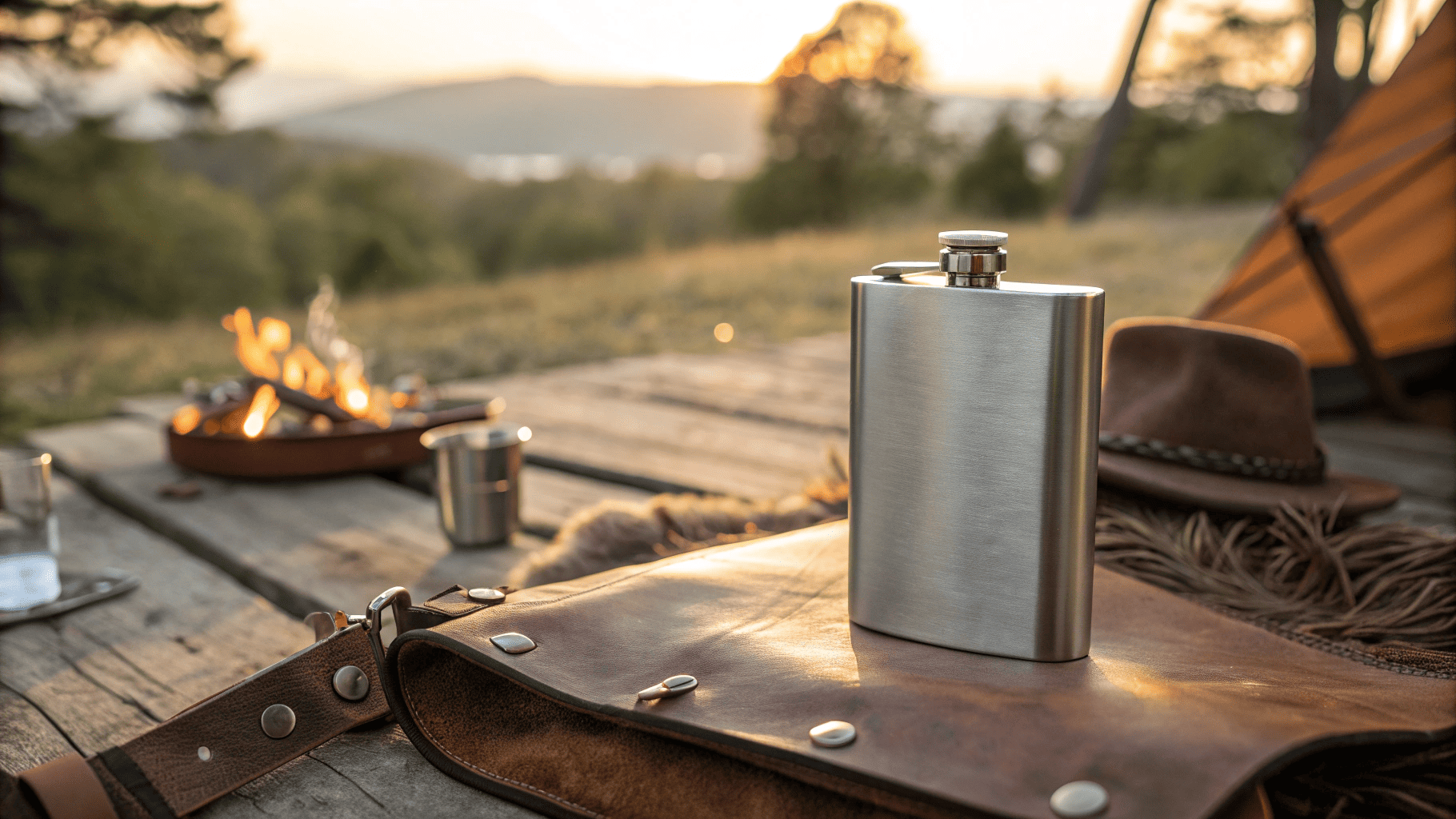
I started working with hip flask customization back in 2015. I remember when one of my first Canadian clients, similar to Mark, ordered 5,000 units with custom engraving. He was worried about quality consistency across the entire batch. That experience taught me how important it is to get every detail right from the start.
What is the best material for a hip flask?
You see cheap hip flasks everywhere. You wonder if they're safe for beverages. You worry about rust, strange tastes, or safety issues that could damage your brand reputation.
The best material for hip flasks is 18/8 food-grade stainless steel, also called 304 stainless steel. This material contains 18% chromium and 8% nickel, which prevents rust and keeps beverages safe.

Understanding Stainless Steel Grades
I use 18/8 food-grade stainless steel for most hip flask orders. The numbers 18/8 tell you exactly what's inside the metal. The 18 means the steel has 18% chromium. The 8 means it has 8% nickel. These two elements work together to protect against rust and corrosion.
This material meets all the major safety standards. I can provide FDA certification, LFGB certification from Europe, and CA65/Prop 65 compliance2 for California. When you order from me, I send you all these certificates before shipment.
Some buyers ask about 316 stainless steel. This is a premium option. It contains 18% chromium and 10% nickel, so people call it 18-10 grade. The extra nickel makes it even more resistant to corrosion. Medical equipment uses this grade. But it costs more than 304 stainless steel.
| Material | Chromium Content | Nickel Content | Corrosion Resistance | Cost Level |
|---|---|---|---|---|
| 304 (18/8) | 18% | 8% | Excellent | Standard |
| 316 (18-10) | 18% | 10% | Superior | Premium |
Why Material Choice Matters for Your Business
I learned this lesson the hard way. In 2017, a buyer ordered 3,000 hip flasks from another supplier who used low-grade steel. Three months later, the buyer emailed me photos of rusted flasks. His customers complained. His brand reputation suffered. He lost money on returns and refunds.
Now he orders only from me. I use certified 18/8 stainless steel for every order. I test the material before production starts. I keep material certificates in my files for at least five years. If you ever face questions from customs or your customers, I have the documentation ready.
The material affects more than just safety. It also impacts how easy the flask is to customize. Good quality 18/8 stainless steel accepts laser engraving cleanly. The engraving shows up sharp and clear. It also takes powder coating and electroplating well. The coating bonds properly to the surface and doesn't peel off after a few months.
What should you not put in a hip flask?
Your customers will use hip flasks in different ways. You worry they might damage the product or blame your brand if something goes wrong. You need to know what works and what doesn't.
Hip flasks work best with spirits and alcoholic beverages like whiskey, vodka, and rum. Avoid acidic drinks, sugary liquids, and dairy-based beverages as they can affect taste and may damage the interior over time.
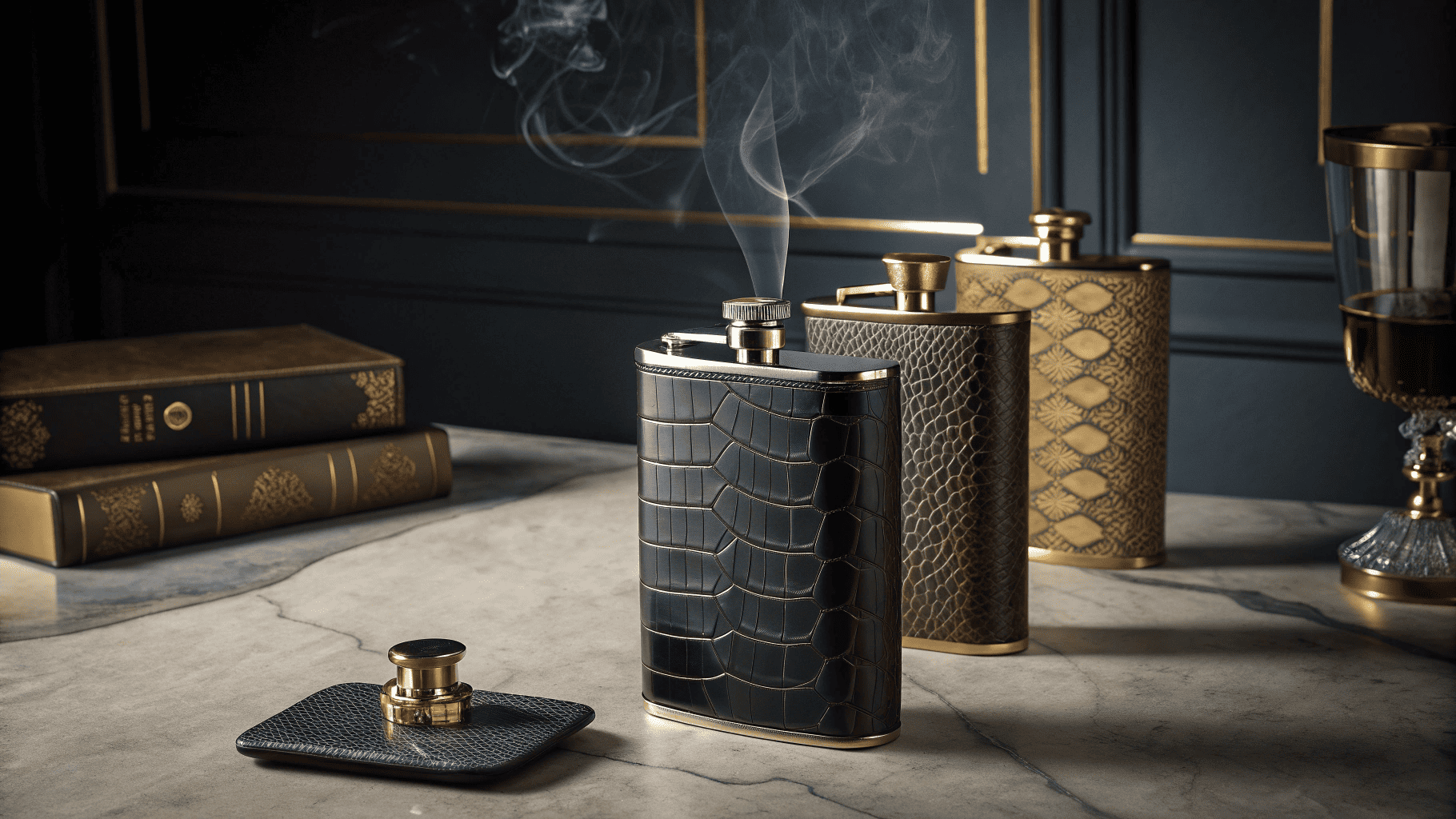
Safe Liquids for Hip Flasks
I always tell my buyers to educate their customers about proper use. Hip flasks were designed for spirits. The high alcohol content in whiskey, vodka, rum, and gin works perfectly with stainless steel. These drinks don't react with the metal. They taste the same after hours in the flask.
But some liquids cause problems. I learned this from customer feedback over the years. Here's what you should warn your customers about:
Acidic drinks like orange juice or lemonade can affect the taste. The acid interacts with the metal surface. Even though 18/8 stainless steel resists corrosion, these drinks might taste metallic after sitting in the flask for hours. Your customers won't be happy if their drink tastes wrong.
Sugary liquids create another problem. Soda, sweet cocktails, and energy drinks leave residue inside the flask. The sugar sticks to the walls. It becomes hard to clean. If your customer doesn't clean the flask properly, bacteria can grow in the sweet residue.
Creating User Guidelines
I recommend creating a simple user guide for your private label hip flasks. Include a small card in the gift box packaging3. List what drinks work best. Explain how to clean the flask properly. This small step prevents customer complaints and returns.
One of my regular buyers from California started including care instructions with every flask. His return rate dropped from 5% to less than 1%. Most returns happened because customers didn't know how to use or clean the product properly.
| Liquid Type | Suitable for Hip Flask | Reason |
|---|---|---|
| Whiskey, Vodka, Rum | Yes | High alcohol content, low acidity |
| Wine | Short-term only | Some acidity, best consumed quickly |
| Juice, Soda | No | High acidity or sugar content |
| Dairy drinks | No | Spoils quickly, hard to clean |
Why do they call it a hip flask?
You want to understand the product better. You need to explain to your customers why the design looks this way. You wonder about the history and how it affects modern design choices.
People call it a hip flask because the traditional design fits comfortably against the hip when carried in a pocket. The flat, curved shape conforms to body contours for discreet and comfortable carrying.
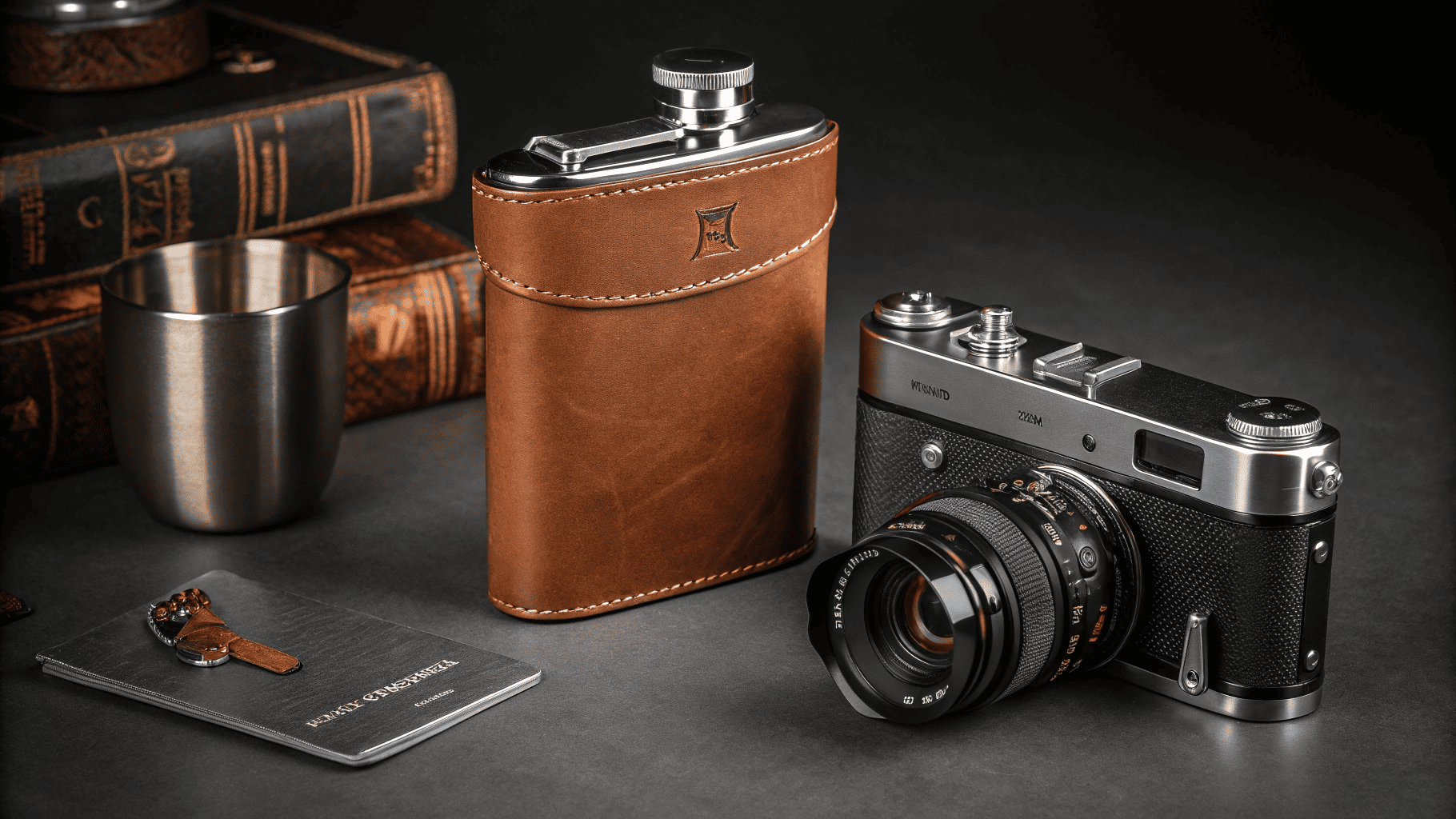
Design Features That Define Hip Flasks
I've manufactured thousands of hip flasks over the years. The shape always follows the same basic principle. The flask needs to be flat. It needs to curve slightly. It needs to slide easily into a pocket positioned near the hip.
This traditional design affects all the customization options I offer. When we do laser engraving, I always ask buyers where they want the logo. Most choose the flat front surface. This is the side that faces outward when someone carries the flask in their pocket. Your brand logo gets maximum visibility this way.
The typical capacity ranges from 6oz to 8oz. This size balances portability with functionality. A 6oz flask measures about 95mm tall and 85mm wide. An 8oz flask goes up to about 105mm tall and 95mm wide. Both sizes maintain that slim profile that fits comfortably against the body.
Modern Customization Options
The hip flask design evolved over time, but the basic shape stays the same. What changed is how we customize them. I offer several coating options that enhance both appearance and durability.
Powder coating adds color to the flask. I have over 50 colors available. The coating creates a matte finish that's easy to grip. It also protects the stainless steel from scratches. Popular colors include matte black, navy blue, forest green, and burgundy.
Electroplating gives a shiny, metallic finish. I offer gold, rose gold, silver, and copper plating. These finishes appeal to premium gift markets. They look elegant in display boxes. One buyer from New York orders 2,000 rose gold plated flasks every Christmas season. They sell out in three weeks.
For gift box packaging, I provide multiple options. The basic option is a black velvet pouch. Mid-range buyers choose cardboard gift boxes with foam inserts. Premium buyers select wooden presentation boxes with magnetic closures. The packaging choice depends on your target market and price point.
Positioning for Your Market
Understanding the hip flask's traditional design helps you position your private label product. I work with buyers who target different markets. Some focus on corporate gifts for executives. Others sell to outdoor enthusiasts. Some position hip flasks as groomsmen gifts or retirement presents.
Your customization choices should match your target market. Corporate gifts might feature subtle laser engraving with a company logo. Outdoor products might use powder coating in camouflage colors. Wedding gifts might include personalized engraving with names and dates.
I always recommend testing different designs with small orders first. Order 100 units in two or three different styles. Test them with your customers. See which sells better. Then place larger orders based on real market feedback.
Conclusion
Private label hip flasks offer great customization options that let your brand stand out. Choose certified materials, understand proper usage, and select packaging that matches your market positioning.
-
Find out about the various customization options that can make your hip flasks unique and appealing. ↩
-
Explore the implications of CA65/Prop 65 compliance for your hip flask business and customer safety. ↩
-
Explore various gift box packaging options that can enhance the presentation of your hip flasks. ↩
