
Hip Flask Funnels and Sets: Aperture Sizes, Polish Quality, and Carton Packs
Last month, a buyer canceled an order because the funnel didn't fit the flask aperture. I realized many buyers overlook these technical details when sourcing.
The standard hip flask aperture is 9mm diameter. Most sets include a matching funnel, with 8oz being the most popular size. Polish quality ranges from basic to electroplated finishes, and carton packs typically hold 24 pieces.
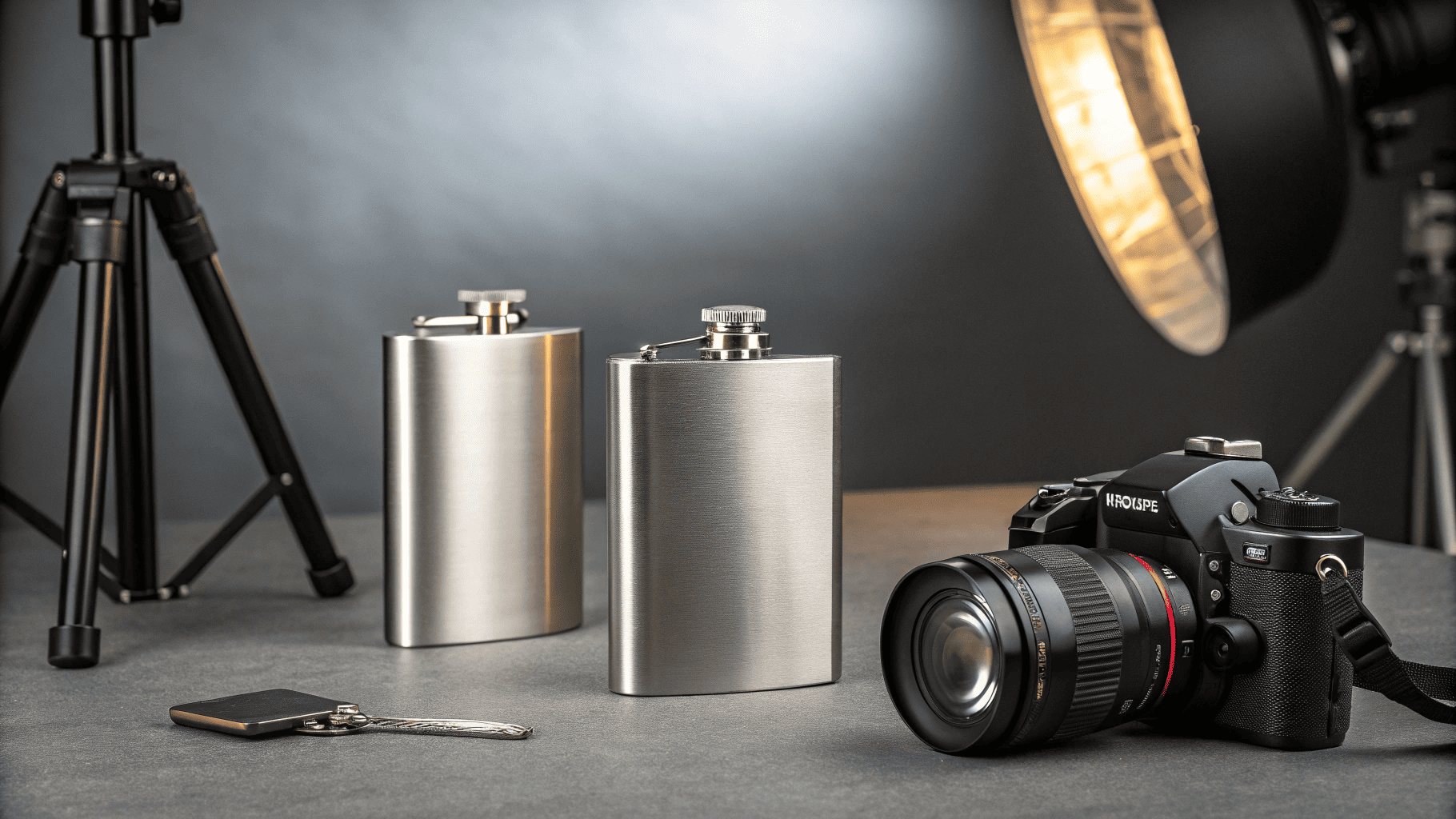
I've been manufacturing hip flasks at Icobottle for years. The technical specifications matter more than most buyers think. Getting the aperture size wrong means your customers can't fill the flask properly. Choosing the wrong polish affects your product positioning. Even the carton pack quantity impacts your shipping costs and storage efficiency. I want to share what I've learned from working with buyers like you.
What is the best size for a hip flask?
You're choosing between multiple sizes. Your customers have different preferences. You need data to make the right stocking decision.
The 8oz hip flask is the industry standard for wholesale orders. It holds 240ml of liquid, making it ideal for personal use. Most B2B buyers stock 70% in 8oz and 30% in 6oz.

Why 8oz dominates the market
I track our sales data every quarter. The 8oz size accounts for nearly three-quarters of all orders. This capacity strikes the right balance. It's large enough to be useful but small enough to fit in a pocket comfortably. Your end customers can carry it to events, camping trips, or outdoor activities without feeling burdened.
The 6oz size appeals to a specific segment. Women buyers prefer it because it's lighter and more compact. Some buyers order it for promotional campaigns where portability matters more than capacity. I had a buyer from Toronto who ordered 500 pieces of 6oz flasks for a wedding favor business. She told me her clients wanted something elegant that guests could slip into small purses.
Comparing common sizes
| Size | Capacity | Best Use Case | Market Share |
|---|---|---|---|
| 6oz | 180ml | Women's market, promotional items | 30% |
| 8oz | 240ml | General use, standard choice | 65% |
| 10oz | 300ml | Heavy users, specialty market | 5% |
The 10oz size exists but remains a niche product. It's too bulky for most pockets. I only recommend it if you have specific customer requests. One buyer I work with supplies hunting equipment retailers. His customers want maximum capacity for long trips. But this represents less than 5% of the total market.
What usually goes in a hip flask?
Your customers ask about appropriate contents. You need to advise them correctly. The wrong liquid can damage the flask or create safety issues.
Spirits like whisky, vodka, rum, and bourbon work best in hip flasks. The high alcohol content prevents bacterial growth. Avoid acidic beverages, dairy-based drinks, or anything carbonated as these can damage the stainless steel or cause pressure buildup.
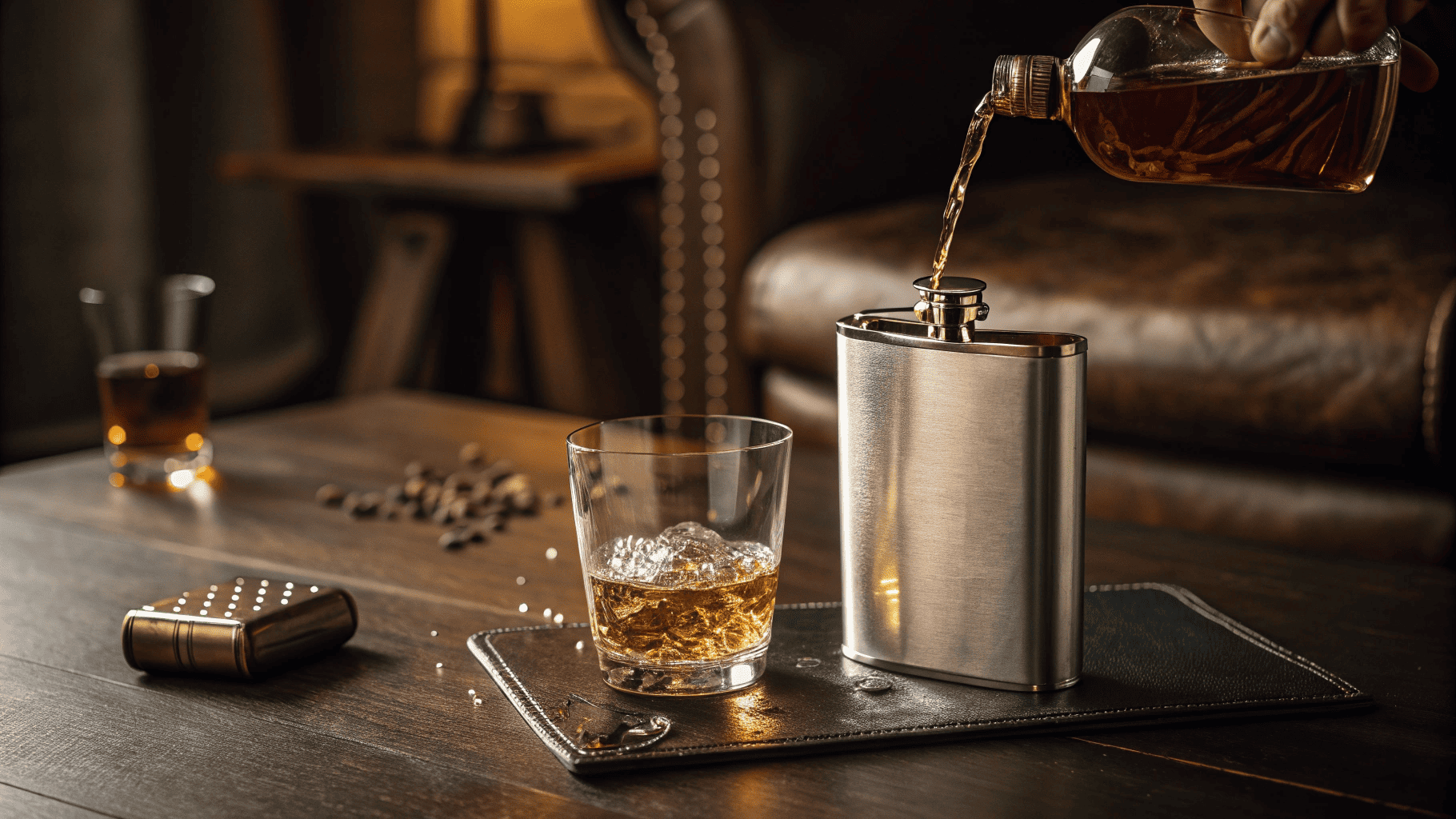
Understanding compatible liquids
The material matters here. I manufacture all our flasks with 18/8 food grade stainless steel. This grade contains 18% chromium and 8% nickel. The chromium creates a protective layer that resists corrosion. The nickel adds durability and maintains the shine.
Whisky is the most popular choice. Your customers associate hip flasks with whisky culture. The flask keeps the spirit at ambient temperature, which many whisky drinkers prefer. Vodka works equally well. It has a neutral taste that doesn't interact with the stainless steel. Rum and bourbon are also safe choices.
I learned about incompatible liquids the hard way. A buyer once complained that his flasks developed an odd smell. He discovered his retail customers were filling them with citrus-based cocktails. The citric acid reacted with microscopic imperfections in lower-grade steel. Since then, I only use premium 304 stainless steel and advise all my buyers about proper usage.
What to avoid
| Liquid Type | Why It's Problematic | Risk Level |
|---|---|---|
| Citrus juices | Acid corrodes steel | High |
| Dairy drinks | Spoils quickly, hard to clean | High |
| Carbonated beverages | Pressure buildup, potential leaks | Medium |
| Hot liquids | Can affect seal integrity | Medium |
Beer is technically possible but not recommended. The carbonation can create pressure. I've seen seals fail when customers ignore this advice. Hot coffee is another common mistake. The heat can compromise the rubber seal over time. Most flasks use silicone or rubber gaskets that aren't designed for high temperatures.
What is a hip flask also known as?
You're listing products on your website. You want to capture all relevant search terms. Different markets use different names.
A hip flask is also called a pocket flask or whisky flask. In some regions, people use the term liquor flask. The terminology varies by country and marketing context.
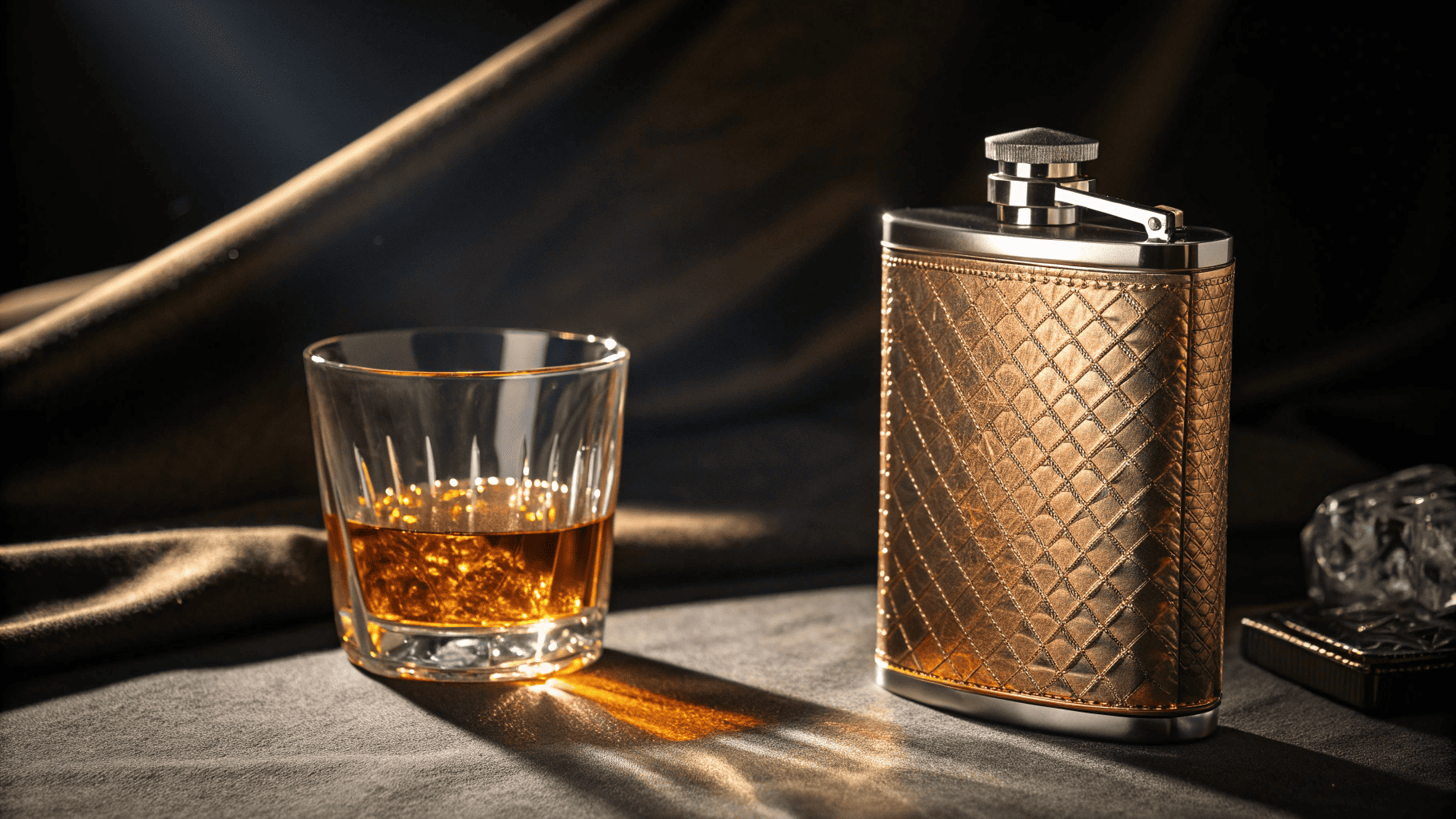
Regional naming variations
I ship to buyers across North America and Europe. The terminology differs significantly. In the United States, "hip flask" is standard. Your American customers search for this term most often. In the UK, "whisky flask" appears more frequently. I noticed this when helping a buyer from London optimize his product listings.
"Pocket flask" works universally. It describes the function clearly. Someone who has never heard of a hip flask immediately understands what a pocket flask does. I recommend this term for general e-commerce listings.
Marketing terminology matters
| Term | Primary Market | Search Volume | Best Use |
|---|---|---|---|
| Hip flask | USA, Canada | High | Main product title |
| Whisky flask | UK, Scotland | Medium | Secondary keyword |
| Pocket flask | Universal | Medium | Product description |
| Liquor flask | USA | Low | Alternative listing |
The term "liquor flask1" is technically correct but less common. I see it in formal product certifications and customs documentation. Some buyers use it to differentiate from specialty flasks designed for other purposes.
One buyer taught me about niche terminology. He supplies theater prop companies. They call them "costume flasks2" because actors use them as props. Another buyer who focuses on the wedding market prefers "gift flasks." These specialized terms work for targeted marketing but don't replace the standard terminology in wholesale contexts.
Choosing the right term for your business
Your product titles need optimization. I suggest using "hip flask" as your primary term. Add "pocket flask3" and "whisky flask" as secondary keywords. This strategy captures the broadest search volume while maintaining clarity.
The choice also depends on your target market. If you're selling primarily to Canadian buyers like yourself, "hip flask" works best. If you're expanding into the UK market, emphasize "whisky flask" in your British listings. I've seen buyers increase their visibility by 30% just by adjusting their terminology to match local preferences.
Conclusion
Selecting the right hip flask specifications, understanding proper usage, and using correct terminology determines your market success. Focus on 8oz capacity, ensure food-grade materials, and optimize your product listings with regional terminology.