
Does an insulated coffee mug with handle need lid gasket AQL and leak tests?
You found the perfect insulated mug design. Your logo looks great on it. Then your first shipment arrives and customers report leaks everywhere. This nightmare happens more often than you think in B2B sourcing.
Yes, lid gasket AQL inspection1 and leak tests are essential for insulated coffee mugs with handles. These quality controls prevent leaks and ensure the vacuum seal performs as promised. Without them, even premium mugs can fail and damage your brand reputation.

I learned this lesson the hard way early in my career at Icobottle. A buyer once skipped gasket inspection to save costs. The result was a container full of mugs that leaked from day one. We had to remake the entire order. That mistake taught me why gasket quality and leak testing matter so much in our industry.
What makes a mug insulated?
The double-wall vacuum structure2 creates the insulation in your mug. Your supplier removes air between two stainless steel walls. This vacuum space blocks heat transfer and keeps drinks hot or cold for hours.
An insulated mug works through vacuum technology that prevents heat from moving between the inner and outer walls. The empty space between walls acts as a thermal barrier, maintaining your drink's temperature far longer than single-wall containers.
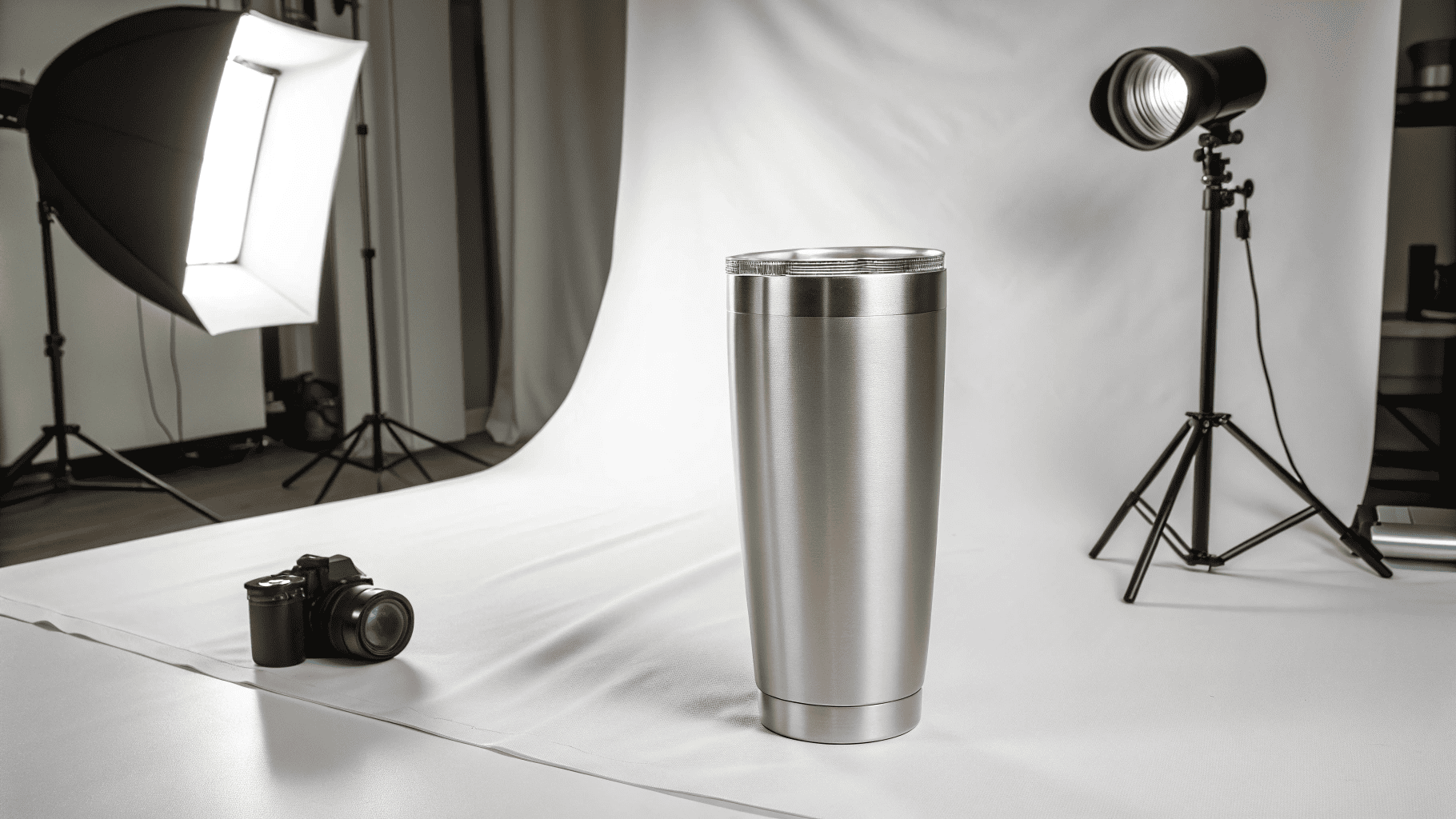
The vacuum layer does the heavy lifting in temperature retention. Think of it as an invisible shield that stops heat from escaping or entering. I compare it to a thermos bottle but in mug form. The inner wall holds your drink while the outer wall stays comfortable to touch. Between them sits nothing but vacuum.
The quality of this vacuum matters greatly. A poor vacuum seal means air leaks into the gap. Once air enters, heat transfers normally and your mug loses its insulation power. The welding points at the bottom determine vacuum integrity. These welds must be perfect. Even tiny holes will break the vacuum over time.
Material thickness also affects performance. We use food-grade stainless steel in both walls. The 18/8 grade gives us the right balance of durability and thermal efficiency. Thicker walls provide better structure but add weight. Thinner walls save weight but risk denting. I find the sweet spot sits around 0.5mm for inner walls and 0.4mm for outer walls.
| Component | Function | Impact on Insulation |
|---|---|---|
| Inner Wall | Holds liquid | Direct contact with drink temperature |
| Vacuum Layer | Blocks heat transfer | Primary insulation mechanism |
| Outer Wall | Protects vacuum | Maintains structural integrity |
| Bottom Weld | Seals vacuum space | Critical for long-term performance |
Are thermos leak proof?
No thermos comes truly leak-proof without a proper gasket seal. The lid gasket creates the barrier that stops liquid from escaping. This small silicone ring sits between the lid and the mug opening.
A thermos becomes leak-proof only when its lid gasket fits correctly and maintains proper compression. The gasket material, design, and installation quality determine whether your mug can sit upside down without dripping.
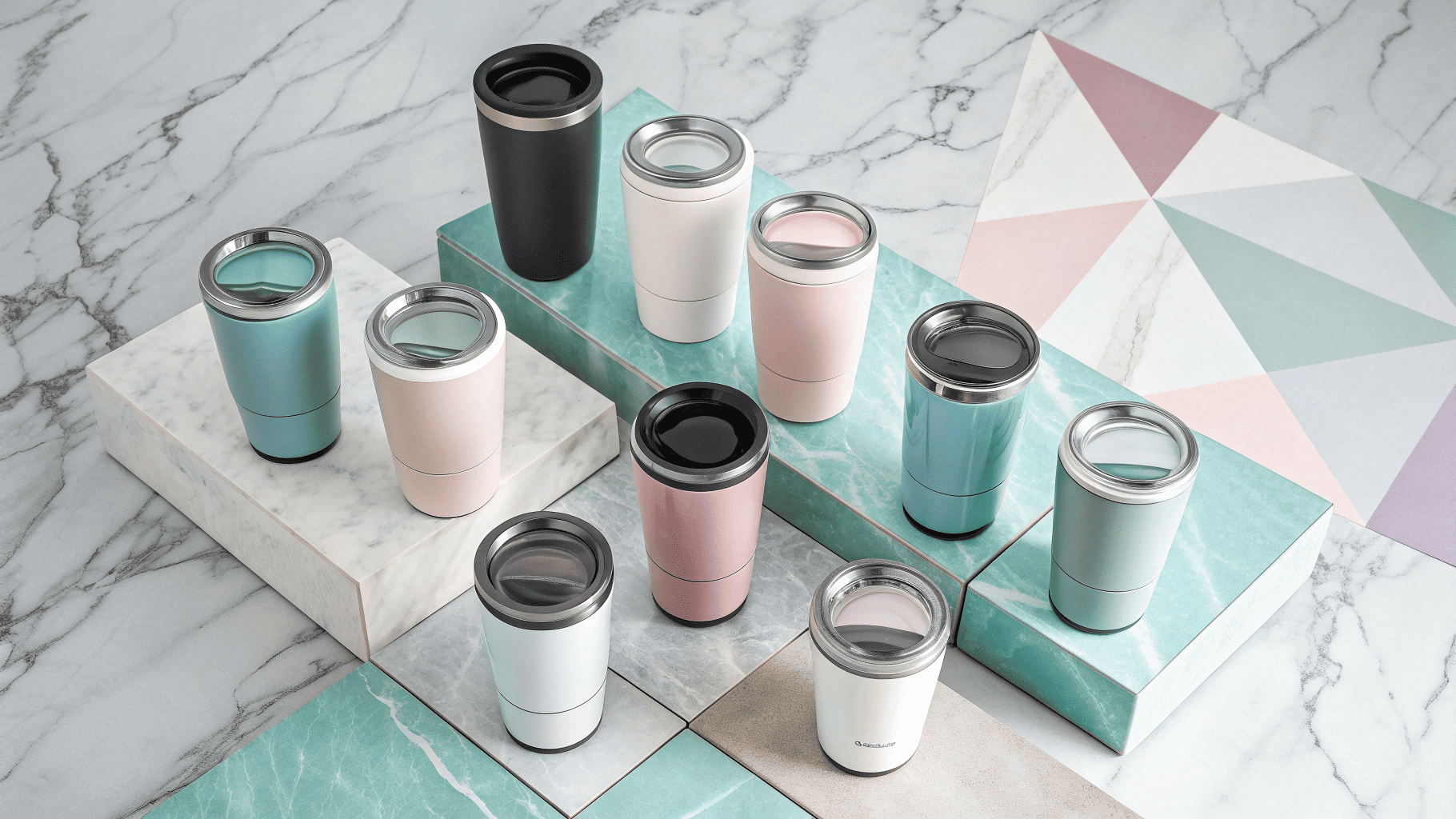
Gasket failure causes most leak complaints I see from buyers. The silicone ring must match the lid groove perfectly. Too loose and water seeps through. Too tight and the lid becomes hard to close. The gasket also needs enough thickness to compress properly when you screw the lid down.
Temperature extremes test gasket performance. Hot liquids make silicone expand slightly. Cold drinks make it contract. A quality gasket handles these changes without losing its seal. Poor gaskets crack in cold weather or become too soft in heat. I always request gaskets rated for -40°C to 230°C temperature range.
The gasket design itself varies between suppliers. Some use a simple O-ring shape. Others create custom profiles that fit specific lid threads. The cross-section shape matters because it determines how the gasket compresses. A round profile works well for simple lids. A square or rectangular profile suits flip-top designs better.
AQL standards for gasket inspection catch defects before shipping. I recommend AQL 1.5 for critical defects like tears or missing gaskets. AQL 2.5 works for major defects such as wrong hardness or poor fitting. This inspection happens separately from the mug body check. Many buyers miss this step and regret it later.
Testing methods prove gasket effectiveness. The inversion test flips filled mugs upside down for 24 hours. Pressure testing uses compressed air to find tiny leaks. Drop testing simulates rough handling during shipping. Each test reveals different failure modes. I run all three on every new design before approving production.
How to know if a mug is safe to drink out of?
Material certification tells you if your mug meets safety standards. Food-grade stainless steel should carry FDA approval or LFGB compliance. The gasket needs separate food-contact certification.
A safe drinking mug shows documented proof of food-grade materials, BPA-free components, and passed safety testing from recognized laboratories. Check for FDA, LFGB, or equivalent certifications that confirm both the steel body and all lid components meet food-contact standards.
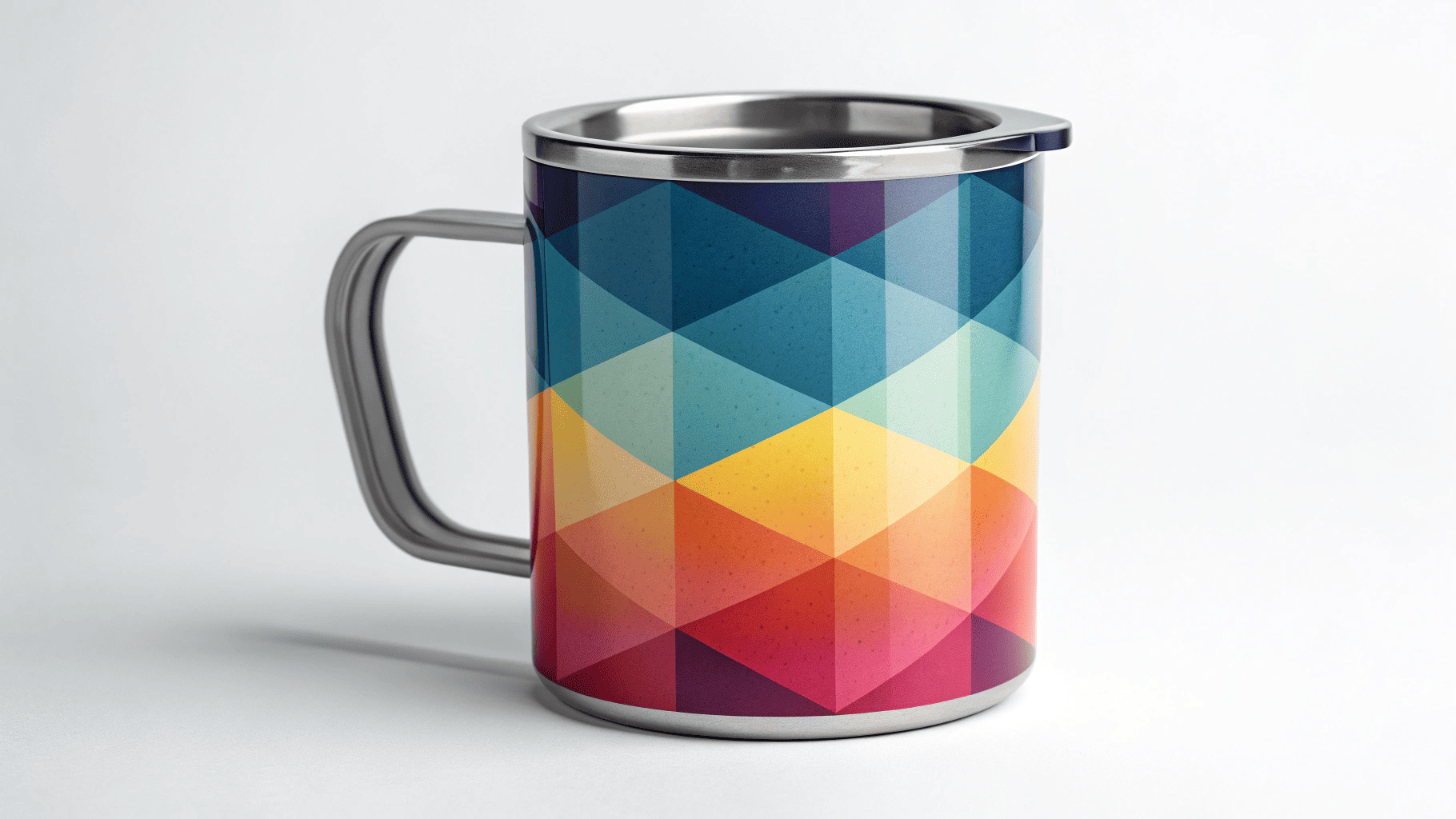
I verify three safety layers in every mug I source. The stainless steel body must be 18/8 grade or better. This means 18% chromium and 8% nickel in the alloy. These metals create a non-reactive surface that won't leach into drinks. Lesser grades like 18/0 cost less but corrode faster and may release metal ions into acidic drinks like coffee or juice.
The lid assembly carries its own safety concerns. Plastic components in the lid should be food-grade polypropylene or Tritan material. Both resist heat without releasing chemicals. The silicone gasket3 must be medical-grade or food-grade silicone. I always ask for silicone test reports showing it's free from harmful additives.
Surface treatment affects safety too. Some suppliers use paint or powder coating on exteriors. These coatings must be lead-free and phthalate-free. Laser engraving proves safer than printed logos because it removes material rather than adding questionable inks. When buyers want colored mugs, I recommend powder coating with CPSIA certification.
Testing documentation protects you from fraud. Real certificates show specific test dates, batch numbers, and authorized signatures. Fake certificates use generic dates or missing details. I caught a supplier once using a certificate from 2018 for a 2023 production run. Request fresh certificates for each production batch.
| Safety Aspect | Standard to Check | Why It Matters |
|---|---|---|
| Steel Grade | 18/8 or 304 stainless | Prevents corrosion and metal leaching |
| BPA Status | BPA-free certification | Eliminates hormone-disrupting chemicals |
| Silicone Gasket | FDA/LFGB food contact | Ensures safe repeated contact with drinks |
| Coating/Paint | CPSIA or RoHS compliance | Confirms no heavy metals in decoration |
| Lab Reports | SGS, Intertek, or TÜV | Validates independent testing occurred |
Third-party lab testing gives you peace of mind. I work with SGS and Intertek for most certifications. These labs test actual samples from your production batch. Factory certificates alone don't prove safety. Some factories share one certificate across multiple products. That practice fails audit standards in North America and Europe.
Import regulations in your target market determine which certifications you need. Canada and the US require FDA food-contact compliance. Europe demands LFGB or EU food regulation conformity. Australia follows its own food standards code. I help buyers identify exactly which documents their customs will request.
The gasket presents the highest contamination risk. This soft component contacts your drink directly and sits in the wet zone constantly. Poor-quality silicone can harbor bacteria in tiny cracks or release silicone particles into drinks. Medical-grade silicone costs more but eliminates these risks. I refuse to source mugs with cheap rubber gaskets because they fail safety and durability tests.
Conclusion
Lid gasket AQL inspection and leak testing protect your brand and customers. These quality controls cost little but prevent expensive returns and reputation damage that harm B2B relationships.
-
Understanding AQL inspection can help ensure your products meet quality standards, preventing costly leaks. ↩
-
Explore the science behind double-wall vacuum technology and its benefits for temperature retention. ↩
-
Explore the role of silicone gaskets in ensuring leak-proof seals for insulated mugs. ↩