
Do Toddler Sets Need Straw or Sippy Lids, Choke Tests, and AQL Sampling?
I watched a client lose a $50,000 order last year. The reason was simple. Their toddler cups failed a basic choke test. The small parts broke off during inspection.
Yes, toddler sets absolutely need proper lid design, rigorous choke testing, and AQL sampling1. These three elements protect children, meet regulatory standards, and safeguard your brand reputation in markets like the US and EU.
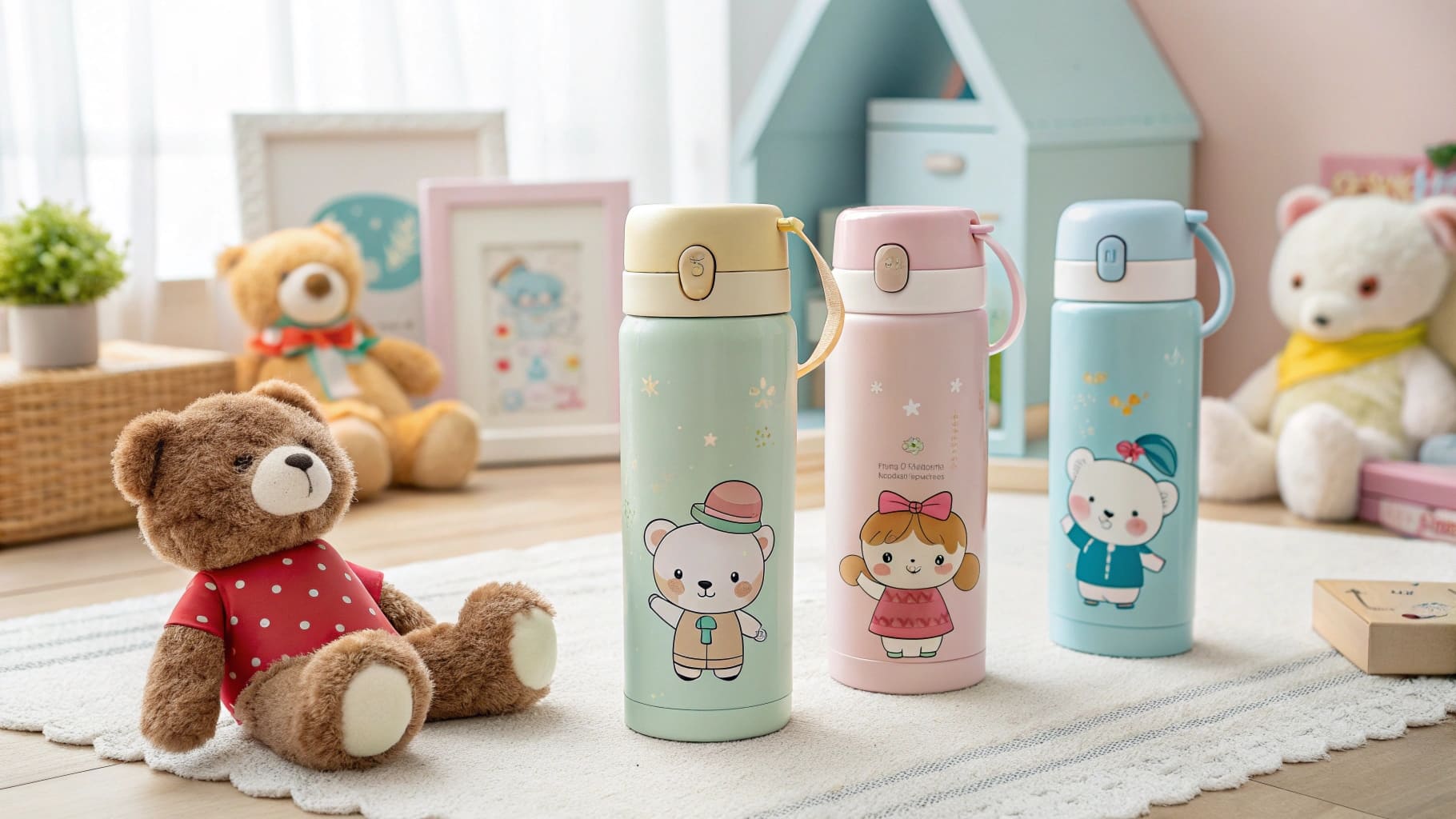
I have been in the stainless steel drinkware2 business for over a decade now. I have seen too many brands rush into toddler cup production without understanding the safety requirements. The consequences range from rejected shipments to serious liability issues. Let me share what I learned from working with clients who sell toddler products in North America and Europe.
Are Straws or Sippy Cups Better for Toddlers?
Parents constantly ask me this question. I tell them the answer depends on the child's age and developmental stage. Both options have their place in a toddler's feeding journey.
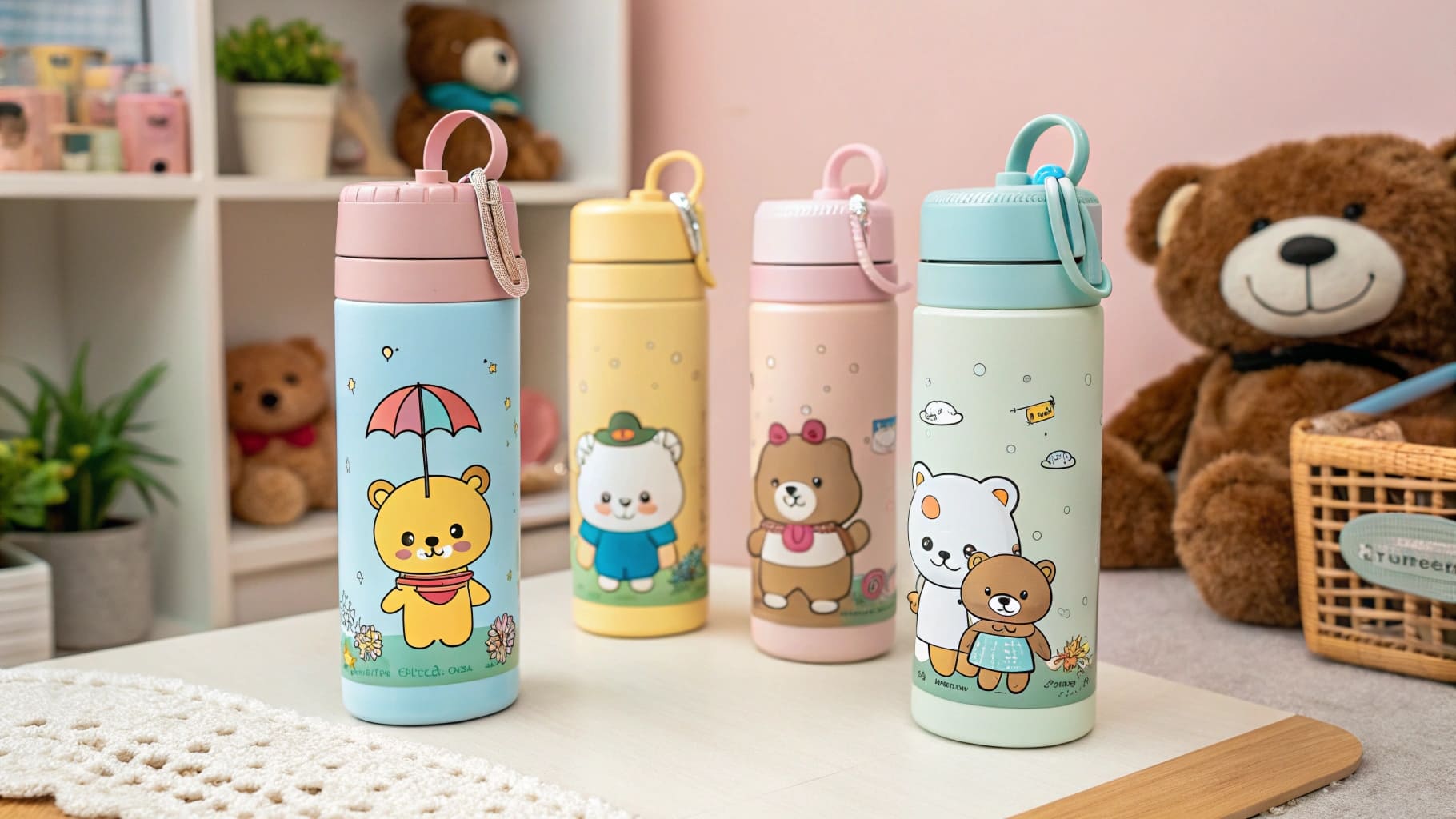
Both straws and sippy cups serve different purposes. Straws help develop oral motor skills. Sippy cups ease the transition from bottles. The best approach offers both options in a dual-functionality design.
Understanding the Developmental Benefits
I design many toddler cups each year. Sippy cups work best for children aged 6-12 months. The spout mimics a bottle nipple. This makes the transition easier for babies who refuse regular cups. I always recommend silicone spouts3 over hard plastic. Silicone feels softer on sensitive gums.
Straw cups suit older toddlers better. I notice children aged 12 months and above prefer straws. Drinking from a straw strengthens different mouth muscles. Dentists tell my clients that straw drinking promotes better tongue positioning. This helps with speech development later.
I recently helped a Canadian client choose between these options. He wanted to sell both styles. I suggested a convertible design. The cup came with interchangeable lids. One lid had a sippy spout. The other had a straw. This gave parents flexibility. They could switch based on their child's preference. The client's sales increased by 40% after launching this product.
Material Safety and Design Considerations
I only use food-grade materials4 for toddler products. The silicone must be BPA-free and phthalate-free. I test every batch before production. The stainless steel body should be 304 or 316 grade. These materials resist rust and corrosion.
The anti-colic design matters too. I add small vents to the lids. These vents reduce air intake during drinking. Less air means less gas and discomfort for babies. Parents notice the difference immediately.
| Feature | Sippy Cup | Straw Cup |
|---|---|---|
| Best Age Range | 6-12 months | 12+ months |
| Transition Ease | High | Medium |
| Oral Development | Basic | Advanced |
| Spill Risk | Low | Medium |
| Cleaning Difficulty | Low | High |
What Is the Best Spill Proof Straw Cup for Toddlers?
I receive this question from every new client. They all worry about leaks. Parents hate cleaning up spills in cars and diaper bags. A good spill-proof design sells itself.
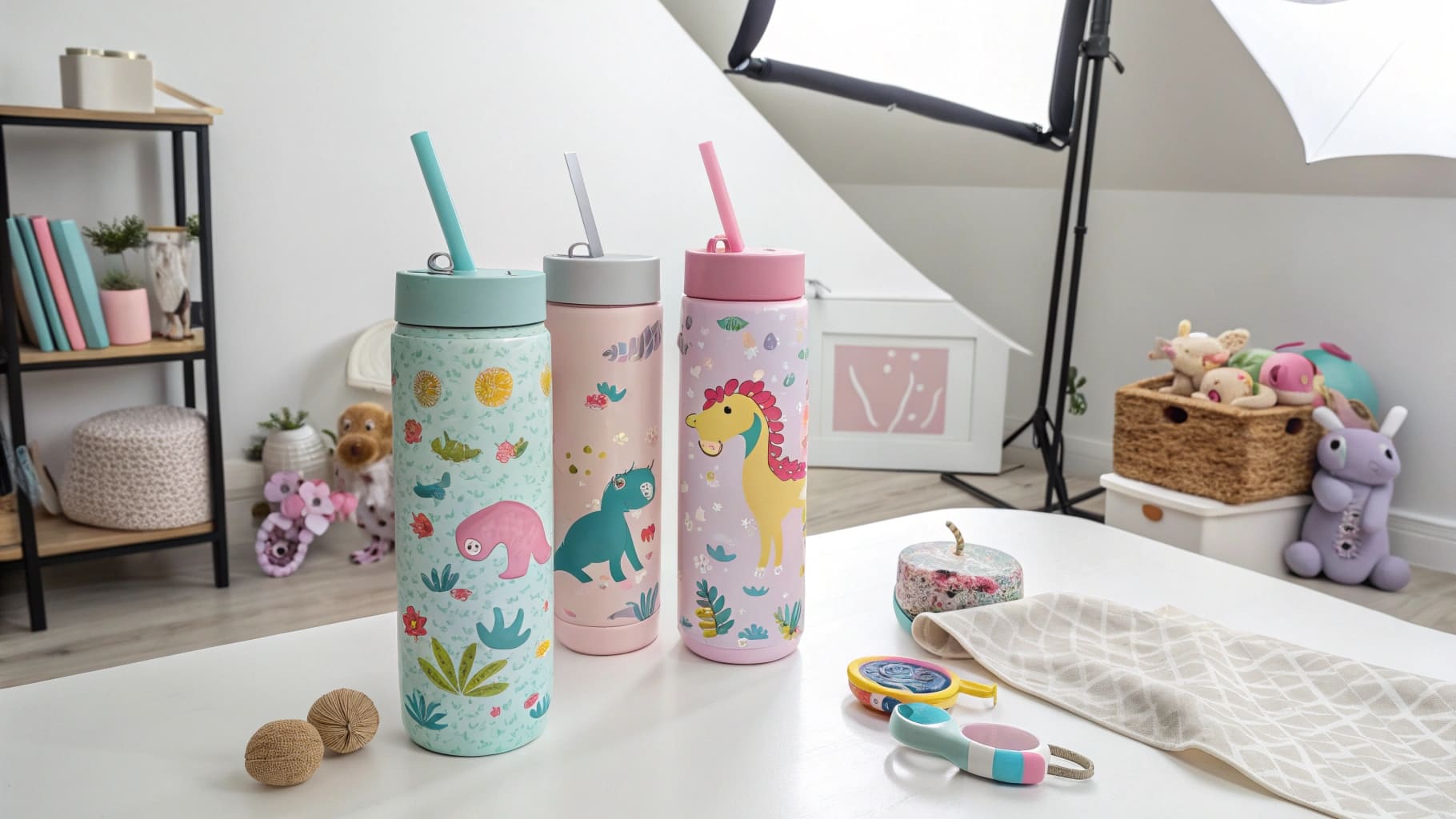
The best spill-proof straw cups combine three elements. They need quality silicone sealing rings, secure safety locks, and 360° gravity ball straws. These features prevent leaks even when the cup is upside down.
Critical Components for Leak Prevention
I learned about spill-proof design5 through trial and error. Early in my career, I shipped 5,000 straw cups to a US client. Half of them leaked. The problem was the sealing ring. I used regular silicone instead of high-durometer silicone. The rings compressed too easily. Liquid seeped through the gaps.
Now I use premium silicone rings rated for 10,000 compression cycles. I also add a secondary seal at the straw connection point. This double-seal system stops leaks completely. My return rate dropped from 15% to less than 1%.
The safety lock mechanism is equally important. I design locks that require adult strength to open. Toddlers cannot accidentally unlock them during use. The lock engages with a clear click sound. Parents know immediately when the cup is secure.
The 360° gravity ball straw changed everything for me. Traditional straws only work upright. Toddlers drink at all angles. The weighted ball moves with the liquid. It stays submerged regardless of cup position. Children can sip comfortably while lying down or playing.
Testing Standards I Follow
I test every prototype extensively. First, I fill the cup with water and shake it vigorously for 30 seconds. No leaks should appear. Second, I place the cup upside down for 24 hours. The lid must stay completely dry. Third, I freeze the cup with liquid inside. The materials should not crack or warp.
Temperature resistance matters too. I test lids from -20°C to 100°C. Parents use these cups for cold milk and warm water. The silicone and plastic must remain stable across this range.
Is It Okay for Toddlers to Use Straws?
Some clients worry about straw safety. They hear stories about injuries or choking. I understand their concerns. Safety comes first in toddler products.
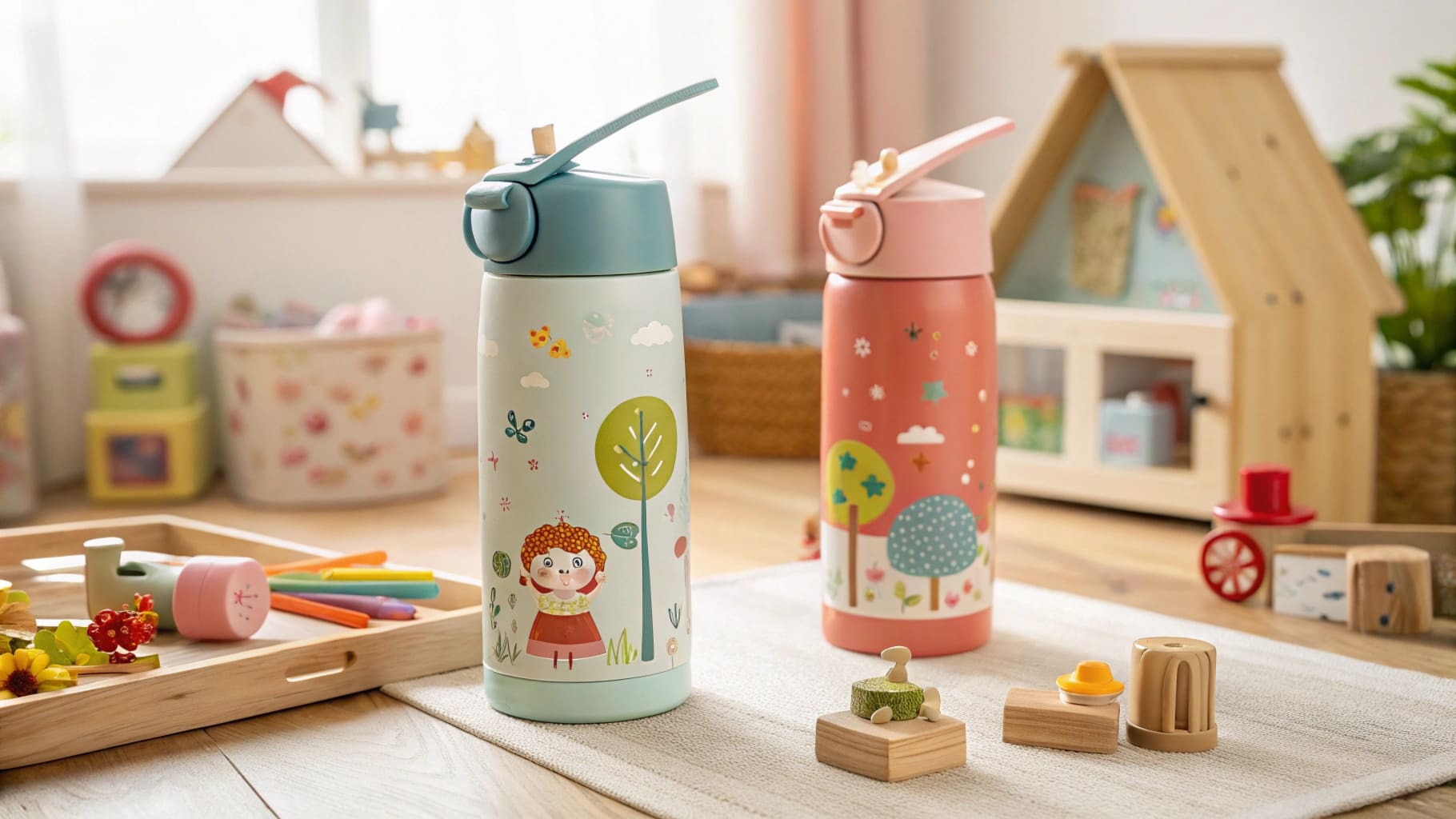
Yes, straws are completely safe for toddlers when designed correctly. Food-grade silicone straws are soft on gums and safe for teething babies. Proper material selection and testing eliminate risks.
Material Requirements and Certifications
I only source straws made from 100% food-grade silicone. The material must pass FDA and LFGB testing6. I request certificates before placing any order. Fake certificates exist in this industry. I learned to verify them directly with testing laboratories.
The silicone hardness matters. I use 40-50 Shore A hardness for straw tips. This softness protects delicate gums. Harder silicone can cause discomfort during teething. I have seen toddlers refuse cups with hard straws.
PPSU material offers another excellent option. PPSU withstands temperatures up to 180°C. It resists staining and odors better than regular plastic. I recommend PPSU for the lid body. The combination of PPSU lids and silicone straws creates a durable product.
Choke Hazard Testing Requirements
This testing is mandatory for any toddler product I export. I use a small parts cylinder to test every component. The cylinder has a 31.7mm diameter and 57.1mm depth. These dimensions represent a toddler's throat size. Any part that fits completely inside the cylinder is a choking hazard.
I test straws, silicone rings, and small plastic parts. The straw must not detach easily from the lid. I apply 90 Newtons of pull force during testing. The connection should remain intact. If the straw comes loose, I redesign the attachment mechanism.
Drop testing is another critical step. I drop the assembled cup from 1 meter height onto a hard surface. I repeat this 10 times. Small parts must not break off or separate. I once failed this test with a client's order. The straw cap cracked on impact. I changed the plastic formulation. The new version passed all drop tests.
AQL Sampling Protocols
I implement strict AQL sampling on every production batch. AQL stands for Acceptable Quality Limit. This system helps me catch defects before shipment. Most of my clients require AQL 2.5 for critical defects and AQL 4.0 for major defects.
For a production run of 10,000 cups, I inspect 315 random samples. I check each sample for 50 different quality points. These include lid tightness, straw flexibility, printing accuracy, and surface defects. I document every inspection with photos and measurements.
Critical defects include any safety issues. Sharp edges, loose small parts, or missing certifications are automatic shipment rejections. I find these problems in about 2% of new supplier batches. This is why I never skip AQL inspection.
| Test Type | Standard | Frequency | Pass Criteria |
|---|---|---|---|
| Choke Test | Small Parts Cylinder | Every Design | No complete insertion |
| Pull Force | 90N Minimum | Per Batch | No separation |
| Drop Test | 1m Height x 10 | Per Design | No breakage |
| Leak Test | 24h Inversion | Per Sample | Zero leakage |
| Material Test | FDA/LFGB | Per Material Lot | Full compliance |
I also test for chemical compliance. Lead, cadmium, and phthalates must be below detection limits. California Prop 65 sets strict requirements. I test with accredited laboratories like SGS or Intertek. I include these reports with every shipment.
My Canadian client Mark once received cups that passed factory inspection but failed his own testing. The silicone contained excessive volatile compounds. The smell was subtle but noticeable. I immediately halted shipments. I switched suppliers and retested everything. This cost me $8,000 but saved Mark's brand reputation.
Conclusion
Toddler cup safety requires proper lid design, comprehensive testing, and rigorous quality control. I have seen both the rewards of getting it right and the costs of cutting corners. Your brand's future depends on these details.
-
AQL sampling is vital for maintaining product quality and safety in manufacturing. ↩
-
Explore the benefits of using stainless steel for toddler drinkware, including safety and durability. ↩
-
Discover the benefits of silicone spouts for toddler cups, especially for sensitive gums. ↩
-
Understanding food-grade materials is essential for ensuring the safety of toddler products. ↩
-
Learn effective strategies for designing spill-proof toddler cups that parents will love. ↩
-
Learn about FDA and LFGB testing to ensure compliance and safety in toddler products. ↩
