
Do hip flasks change taste? Passivation, weld polish, and spirit tests
You pour your favorite whiskey into your new hip flask. The next day, it tastes metallic and wrong. You wonder if all stainless steel flasks do this.
A properly manufactured stainless steel hip flask should never change the taste of your spirits. The problem comes from poor manufacturing processes like skipped passivation1, rough welds, or no quality testing.
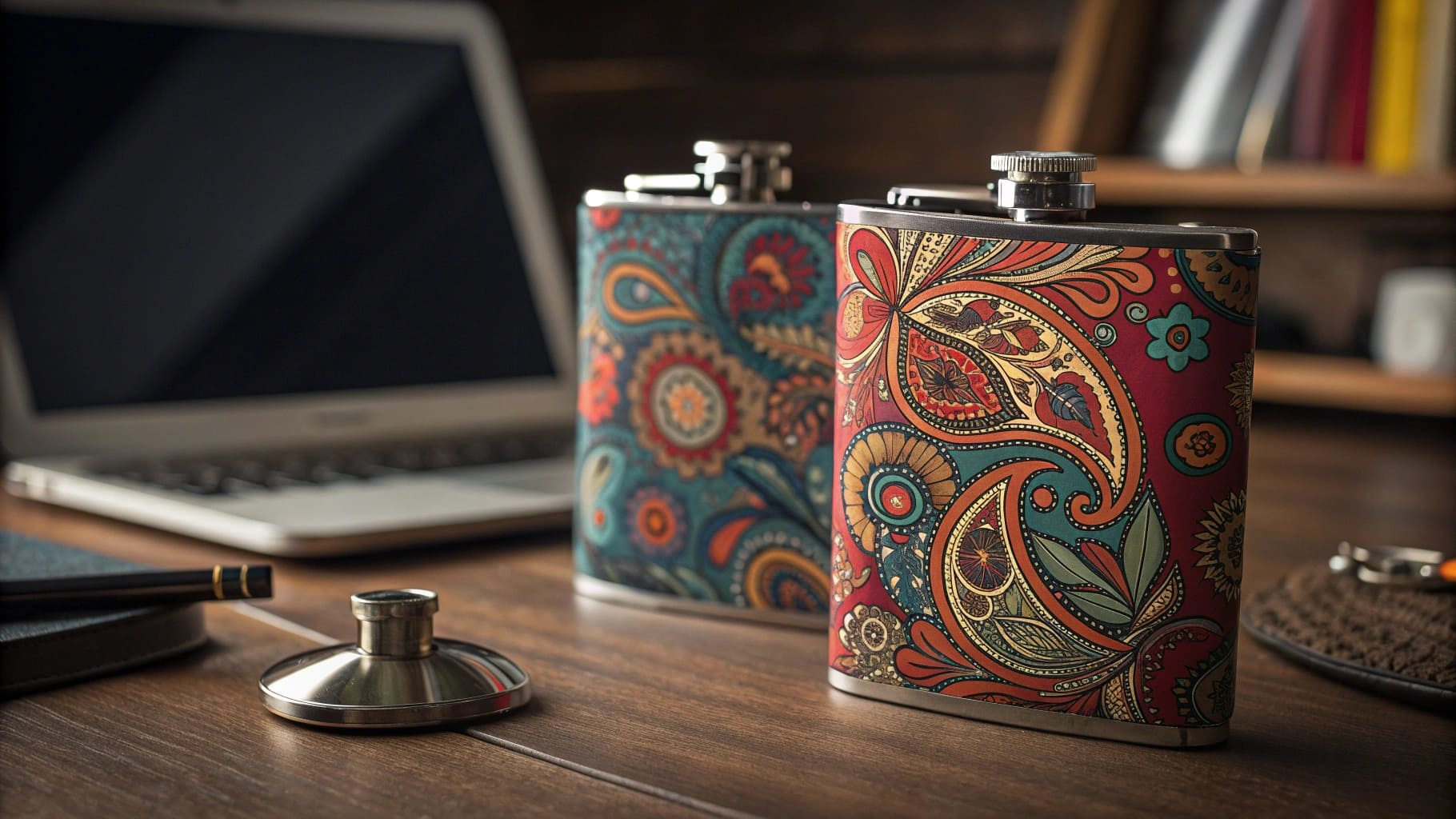
I've worked with countless wholesale buyers over the years. They all ask me the same question when they first contact Icobottle. They want to know if their customers will complain about taste. I tell them the truth. Quality matters more than price when it comes to hip flasks.
Does stainless steel change the taste of alcohol?
Your spirits taste different after one day in your flask. You paid good money for this product. Now you worry about what your customers will say.
Good stainless steel does not change alcohol taste. Food-grade 18/8 stainless steel stays chemically inert with spirits. The material prevents metallic ions from leaching into your drinks.
The Science Behind Taste Preservation
I see many buyers focus only on price. They forget about material quality. This mistake costs them later when returns pile up.
The 18/8 designation means specific things. The first number shows 18% chromium content. The second number shows 8% nickel content. These elements create a protective layer on the steel surface. This layer stops corrosion. It also prevents any metal taste from entering your whiskey.
But material quality alone does not guarantee taste preservation. Manufacturing processes play an equally important role.
Three Critical Manufacturing Steps
| Process | Purpose | Impact on Taste |
|---|---|---|
| Passivation | Creates protective oxide layer | Prevents metallic leaching |
| Weld Polishing | Eliminates rough surfaces | Removes residue accumulation points |
| Quality Testing | Verifies food safety standards | Ensures consistent performance |
I require all Icobottle flasks to go through passivation. This electrochemical process removes free iron from the surface. It enhances the natural oxide layer. Without passivation, even food-grade steel can alter taste.
Weld polishing matters just as much. Rough weld joints trap liquid residue. This residue creates bacterial growth spots. It also causes off-flavors over time. I inspect every batch personally. Any rough spots mean rejection of the entire production run.
When Taste Changes Signal Problems
I once received a complaint from a Canadian distributor. His customers reported a metallic taste after just one use. We traced the problem back to a supplier who skipped the passivation step. They saved $0.15 per unit. They lost a $50,000 annual contract.
Manufacturing shortcuts always show up eventually. They show up in customer reviews. They show up in return rates. They show up in lost business relationships.
What to look for when buying a hip flask?
You need to place a large order. Your business depends on product quality. You cannot afford to choose the wrong supplier.
Check for FDA, LFGB, and CA65 certifications first. Verify leak-proof design features and seamless interior construction. These factors determine product safety and customer satisfaction.
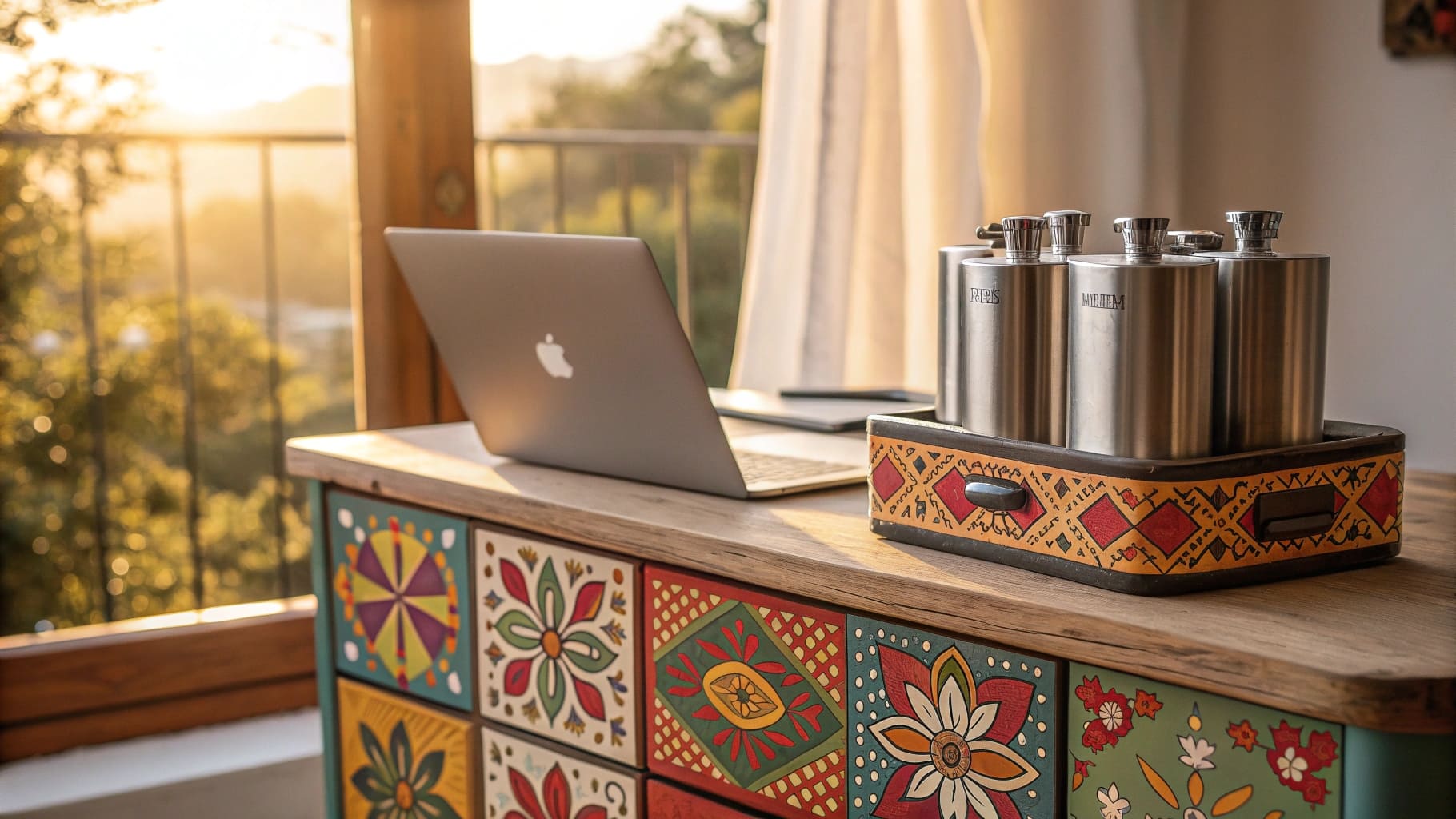
Certification Requirements for B2B Buyers
I keep all certifications updated at Icobottle. Mark, my long-time Canadian client, learned this lesson the hard way. He once sourced from a supplier who showed fake FDA certificates. Canadian customs held his shipment for three months. He missed the entire holiday season.
Real certifications cost money to obtain and maintain. They require regular testing. They need annual renewals. Suppliers who skip this step put your business at risk.
Key certifications you must verify:
FDA Approval: Confirms the flask meets US food contact standards. This certification requires specific testing protocols. It verifies the material does not leach harmful substances.
LFGB Certification: Shows compliance with German food safety laws. European markets demand this certification. It tests for heavy metals and chemical migration.
CA65/Prop 65: Proves the product contains no California-listed harmful chemicals. This includes lead, cadmium, and BPA. Without this, you cannot sell in California.
Design Features That Matter
| Feature | Function | Why It Matters |
|---|---|---|
| Silicone sealing rings | Prevents leaks and oxidation | Maintains spirit quality during transport |
| Precision-engineered caps | Creates airtight seal | Stops evaporation and contamination |
| Seamless interior walls | Eliminates rust points | Ensures easy cleaning and hygiene |
I always show buyers our production line. They see how we mold seamless interiors. They watch our automated welding process. This transparency builds trust. It also helps them understand why quality costs more.
Production Capability Assessment
You need to evaluate your supplier's capacity. I recommend asking these specific questions:
Do they maintain automated production lines2? Manual processes create inconsistency. Automated lines ensure every flask meets the same standards.
What quality inspection protocols do they follow? We inspect 100% of our products. Some suppliers only spot-check. That creates quality variations in your shipment.
Can they provide production samples before bulk orders? This step saves massive headaches later. You can test the product yourself. You can show it to your customers. You can verify it meets your standards.
How long can I keep whiskey in a stainless steel flask?
You want to give clear guidance to your customers. They ask how long spirits stay fresh in stainless steel. You need accurate information to provide.
Consume spirits within 3-5 days when stored in quality stainless steel flasks. These flasks work best for short-term portable use, not long-term aging or storage.
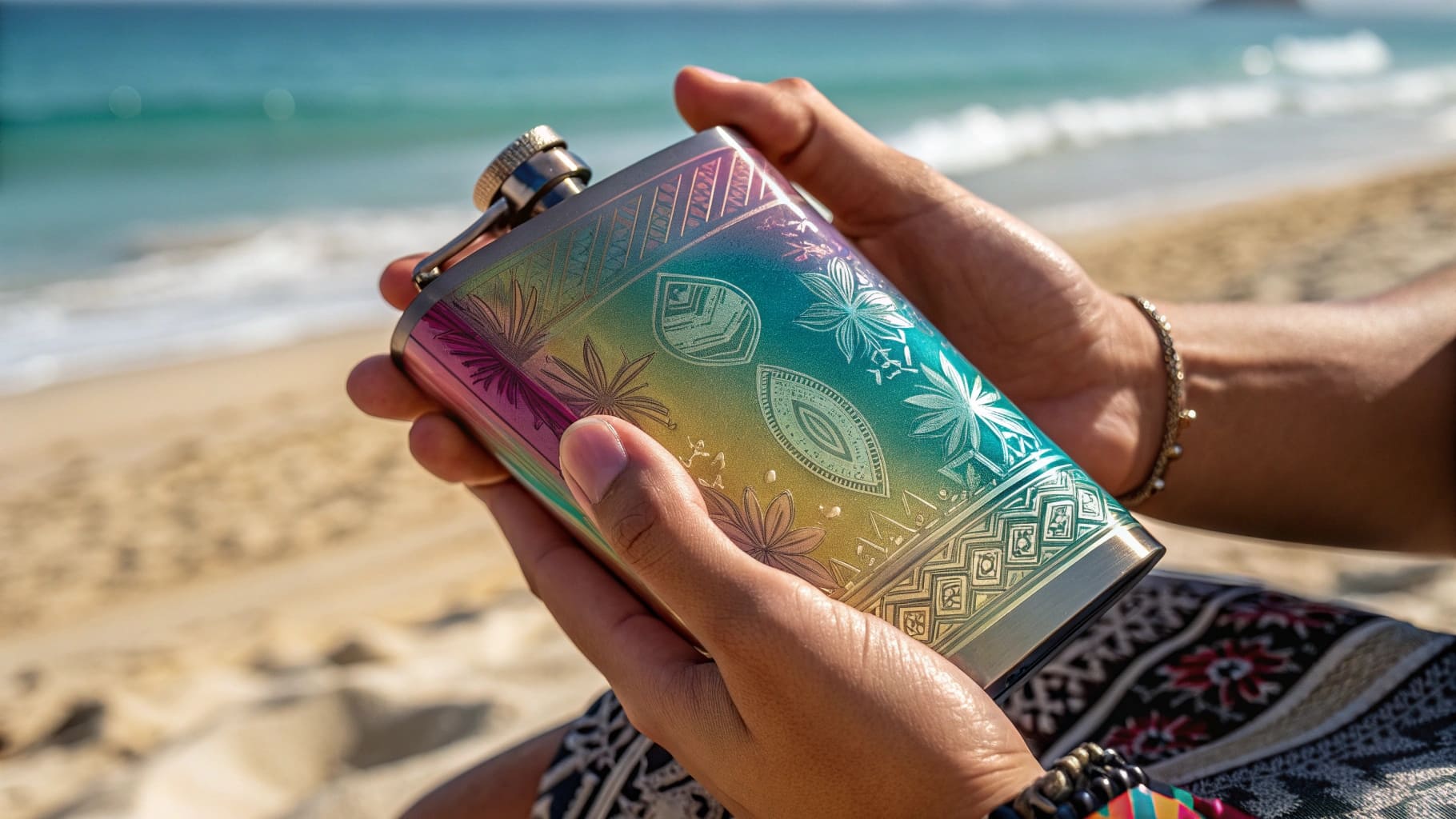
Understanding Storage Limitations
I always explain this clearly to buyers like Mark. Hip flasks serve a specific purpose. They carry your favorite spirits during outdoor activities. They protect your drink during camping, hunting, or tailgating. They do not replace proper storage containers.
The confusion comes from marketing claims about vacuum insulation. Yes, double-walled flasks maintain temperature. They keep drinks cold for 24 hours. They keep drinks hot for 12 hours. But temperature control does not equal indefinite storage capability.
The Real-World Storage Timeline
Days 1-3: Your whiskey tastes exactly as it should. The stainless steel maintains the original flavor profile. The sealed cap prevents oxidation. This represents the optimal usage window.
Days 4-5: Subtle changes might appear in very sensitive palates. The difference remains minimal. Most people cannot detect any variation. Your whiskey stays perfectly drinkable.
Days 6-7: Noticeable flavor changes begin for some spirits. Oxidation starts affecting the taste. The alcohol might taste slightly flat. Some complexity disappears from the flavor profile.
Beyond one week: I do not recommend this. The taste degradation becomes obvious. Your premium spirits lose their character. Even properly manufactured flasks cannot prevent this indefinitely.
Positioning Products Correctly
I help buyers understand market positioning. Stainless steel flasks compete on different strengths than glass decanters. They offer portability. They provide durability. They survive drops that would shatter glass. They fit in pockets and bags.
When buyers grasp this distinction, they market more effectively. They stop trying to compete with storage solutions. They focus on convenience and active lifestyle use cases.
Material Comparison for B2B Reference
| Material | Best Use | Storage Duration | Key Advantage |
|---|---|---|---|
| Stainless Steel | Portable daily use | 3-5 days | Durability and portability |
| Glass | Home display and aging | Indefinite | Completely inert, no taste impact |
| Plastic | Single-use or budget options | 1-2 days | Lowest cost |
I share this table with every new buyer. It helps them position their product lines. It also manages customer expectations properly.
Conclusion
Quality hip flasks preserve taste through proper manufacturing. Check certifications, inspect design features, and understand storage limitations. These factors determine your success in the hip flask market.