
Can reusable insulated water bottles that fit cup holders meet OEM MOQs?
You're losing sales because your water bottles don't fit in car cup holders. Your customers complain, return products, and leave bad reviews. This design oversight costs you money.
Yes, cup holder-friendly insulated bottles1 absolutely meet standard OEM MOQs. Most manufacturers offer these designs at 3,000-5,000 units per SKU without custom tooling costs because they already have optimized molds in their libraries.
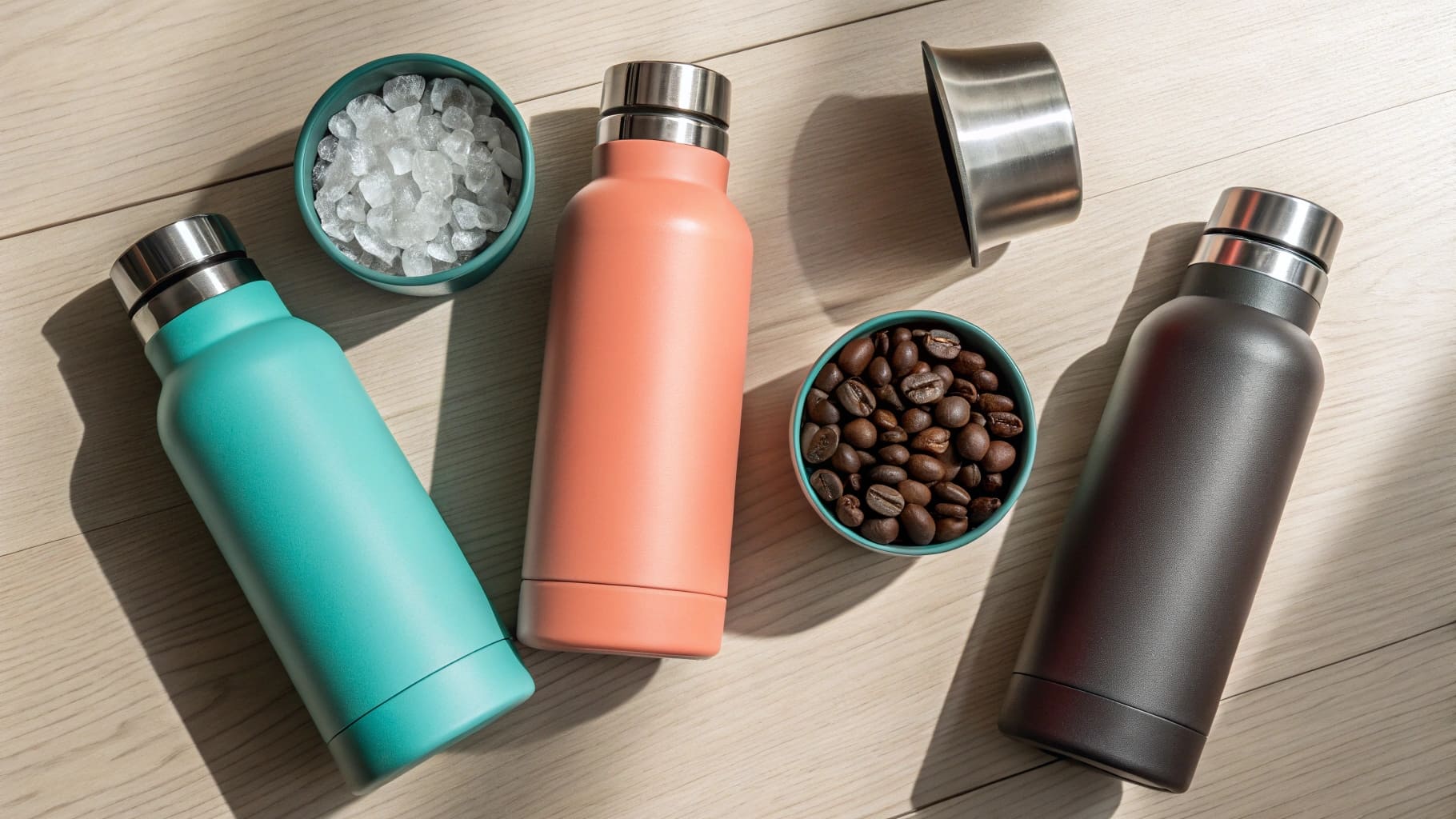
I've seen this problem crush promising water bottle launches. A brand invests heavily in beautiful designs and premium materials, but overlooks the simple fact that their 40oz bottle won't fit in a car cup holder. The result is predictable: frustrated customers and stalled sales. The good news is that this issue is completely solvable at reasonable order quantities, and I'll show you exactly how.
What size water bottle fits in cup holders?
You need precise measurements before placing any OEM order. Standard cup holders accommodate diameters between 2.75 and 3 inches. Order the wrong size and you'll be stuck with unsellable inventory.
Most car cup holders fit bottles with a bottom diameter of 2.75 to 3 inches. Popular sizes like 32oz and 40oz can meet this requirement when properly designed with tapered bases.
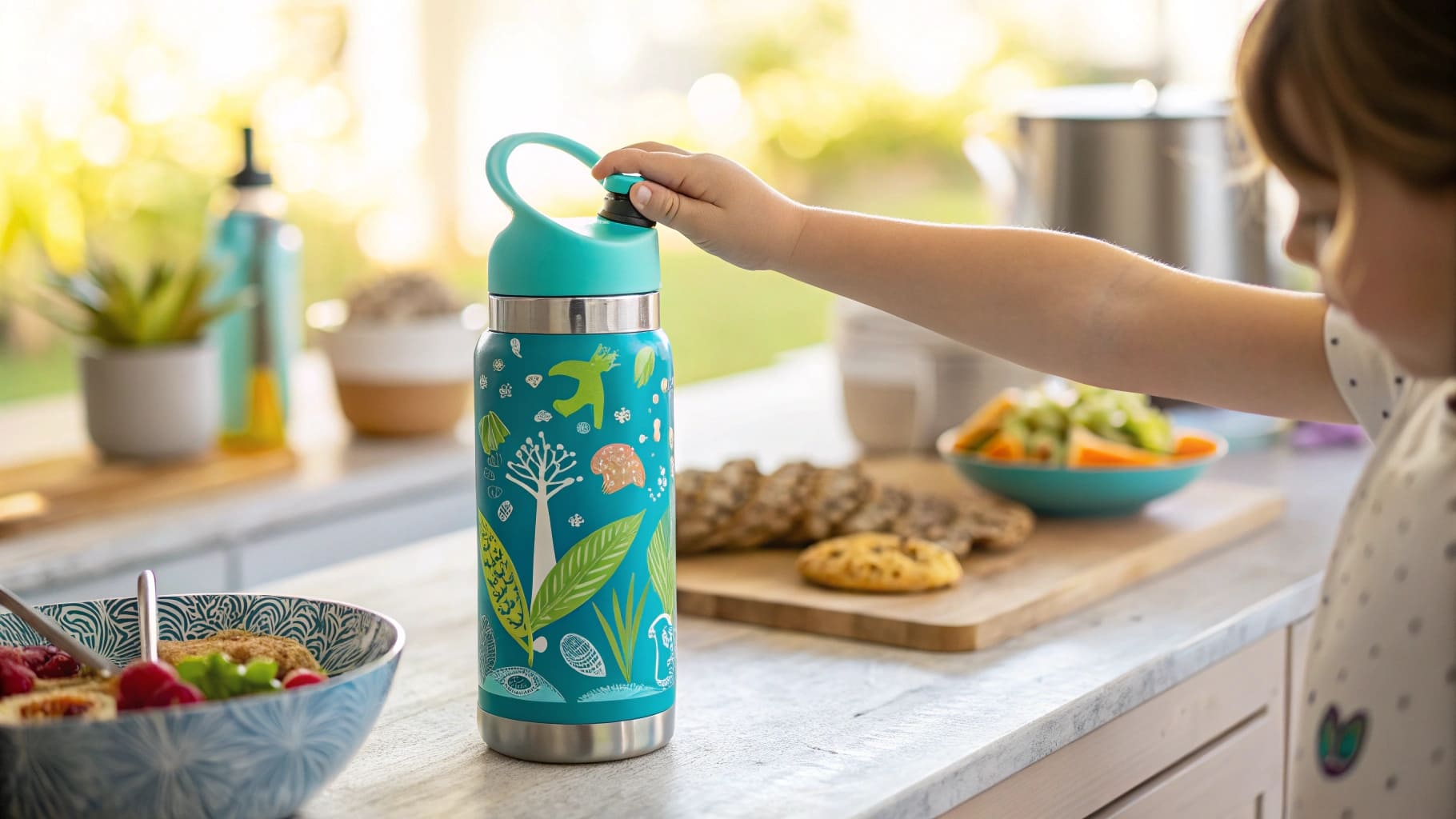
The diameter measurement is everything. I learned this the hard way years ago when a client ordered 5,000 units of beautiful 40oz bottles that looked perfect in photos. When the shipment arrived, I tested one in my own car. It didn't fit. The bottom diameter measured 3.2 inches, just slightly over the standard cup holder size. That client had to discount the entire batch at a loss.
Here's what actually fits:
| Capacity | Bottom Diameter | Fits Standard Cup Holder | Best Use Case |
|---|---|---|---|
| 20oz | 2.5-2.75 inches | Yes | Commuters, office use |
| 32oz | 2.75-2.9 inches | Yes | Daily hydration, gym |
| 40oz | 2.8-3.0 inches | Yes (tapered design) | All-day hydration |
| 64oz | 3.5+ inches | No | Home, outdoor activities |
The design trick is tapering. A bottle can have a larger body diameter as long as the base tapers down to cup holder dimensions. When you're reviewing samples from an OEM, always measure the base diameter yourself. Don't rely solely on specification sheets. I keep a caliper in my office specifically for this purpose. The difference between 2.9 inches and 3.1 inches seems minor on paper, but it determines whether your product works in real life.
Do Owala bottles fit in cupholders?
Your customers already know Owala bottles fit perfectly in cup holders. They expect the same from your brand. Fail to match this basic feature and you're competing with one hand tied behind your back.
Yes, Owala bottles are specifically designed to fit standard cup holders2. Their 32oz and 40oz models feature tapered bases that keep the bottom diameter within the 2.75-3 inch range while maximizing capacity.
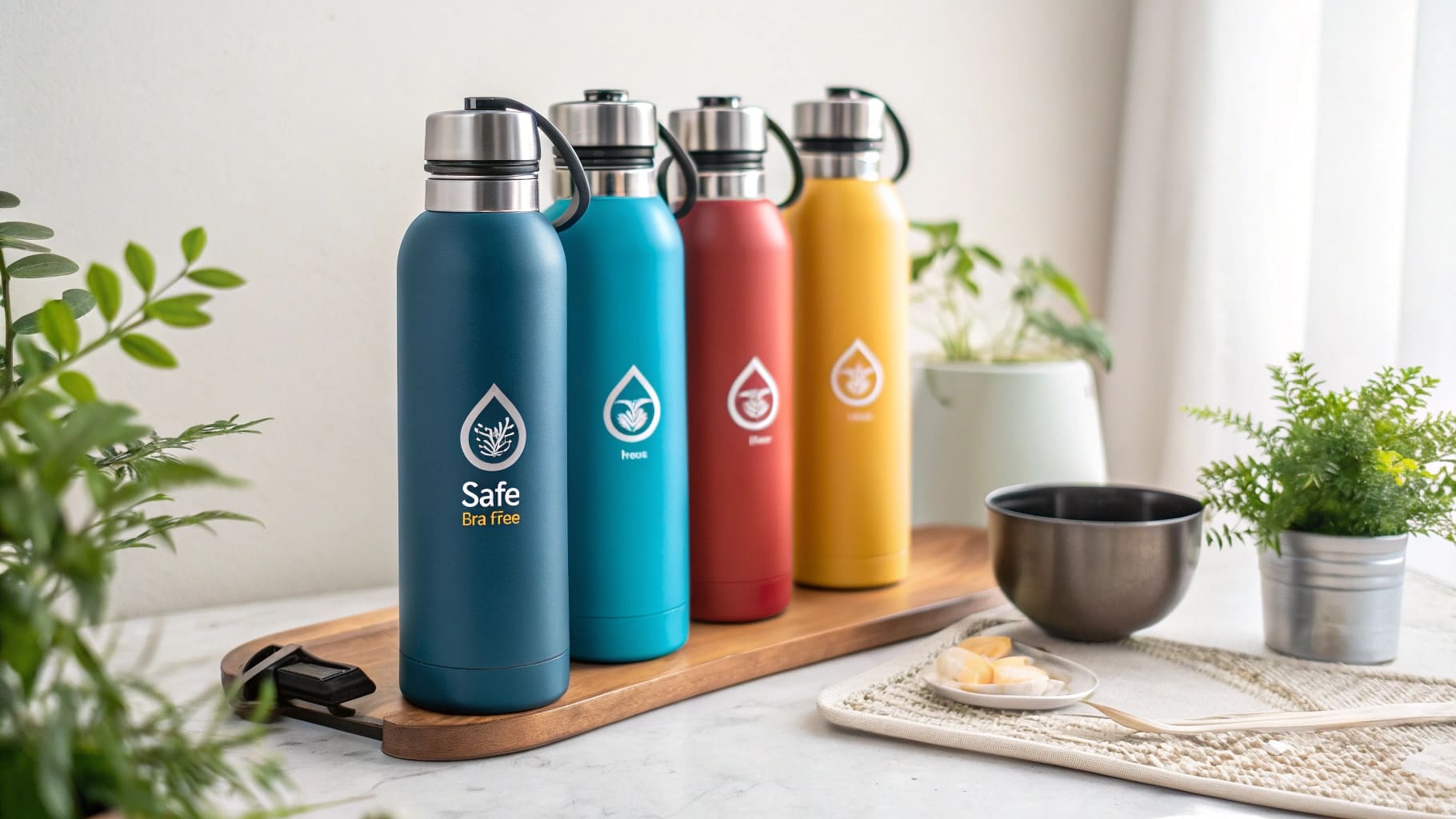
Owala didn't accidentally create cup holder-friendly designs. They engineered this feature from the beginning because they understood the American market. Most of your Canadian customers drive everywhere. Their water bottle lives in their car. If it doesn't fit the cup holder, it rolls around on the passenger seat or floor. That's annoying enough to trigger a return.
I've worked with several brands trying to compete with Owala. The successful ones didn't copy Owala's exact design, but they absolutely matched the cup holder compatibility. When I quote projects now, I specifically ask clients: "What's your target market's primary use case?" If the answer involves cars, commuting, or road trips, then cup holder fit becomes non-negotiable.
The MOQ concern is valid but overblown. Five years ago, requesting a cup holder-friendly design might have required custom mold development, pushing MOQs to 10,000 units or higher. Today, every serious OEM manufacturer in China has multiple cup holder-compatible mold options in their existing library. At Icobottle, we have dedicated molds for 32oz and 40oz bottles that fit standard cup holders. Clients can use these molds with standard MOQs of 3,000-5,000 units. You only need custom tooling if you want a completely unique shape, which I generally don't recommend unless you have solid market validation.
Should I get an Owala or Stanley?
This isn't the right question for your business. You're not a consumer choosing a personal bottle. You're a distributor building a brand. The real question is: which features drive repeat purchases in your target market?
Both brands succeed because they nail fundamental features: cup holder fit, leak-proof lids3, easy one-handed operation, and strong thermal performance. Your OEM partner should deliver all these features at competitive pricing.

I talk with distributors like you every week. Many get distracted by brand comparisons instead of focusing on their own product requirements. Owala's flip straw and Stanley's handle design are signature features, but they're not magic. Any competent OEM can produce similar functionality. What matters more for your business is finding a manufacturing partner who understands these core expectations and can deliver them consistently.
Here's my framework for evaluating OEM options:
Must-Have Features (non-negotiable):
- Cup holder compatible base diameter
- Double-wall vacuum insulation maintaining temperature for 12+ hours
- Leak-proof lid with one-handed operation
- Food-grade stainless steel construction
Competitive Advantages (differentiation opportunities):
- Unique lid mechanisms that improve on existing designs
- Color options and finishes that align with your brand identity
- Accessory compatibility such as different lid styles or carrying options
- Certifications relevant to your target market
The brands you mentioned invested heavily in marketing, not revolutionary technology. Your OEM partner can deliver equivalent quality at a fraction of the retail price. I've shipped thousands of units to Canadian distributors who successfully compete against these major brands. Their success comes from smart positioning and consistent quality, not from trying to directly copy Stanley or Owala.
When evaluating samples, test them exactly how your end customers will. Put the bottle in your car cup holder. Fill it with ice water and leave it for twelve hours. Drop it on concrete. Try opening the lid with one hand while driving. These practical tests reveal more than specification sheets ever will. If your OEM's sample passes these real-world tests and meets your price targets, you have a viable product.
Conclusion
Cup holder compatibility meets standard MOQs because manufacturers already solved this design challenge. Focus on finding an OEM partner who delivers reliable quality at your target price point.
-
Discover how designing products to fit cup holders can enhance customer satisfaction and boost sales. ↩
-
Knowing standard cup holder dimensions is crucial for designing compatible products that meet customer needs. ↩
-
Leak-proof lids are essential for customer satisfaction; learn how they enhance product appeal. ↩
