
Can insulated water bottles keep 60-65 C for 2 hours under drop tests?
Last month, a Canadian buyer questioned our bottle's durability during a video call. He dropped a competitor's sample on the floor. The vacuum seal broke instantly. His concern was valid. He needed bottles that maintain temperature even after accidental drops.
Yes, quality insulated water bottles can keep 60-65°C for 2 hours under drop tests. The key factors are double-wall vacuum insulation1 and structural integrity. A well-constructed stainless steel bottle maintains its vacuum seal after impact, so temperature retention stays consistent.
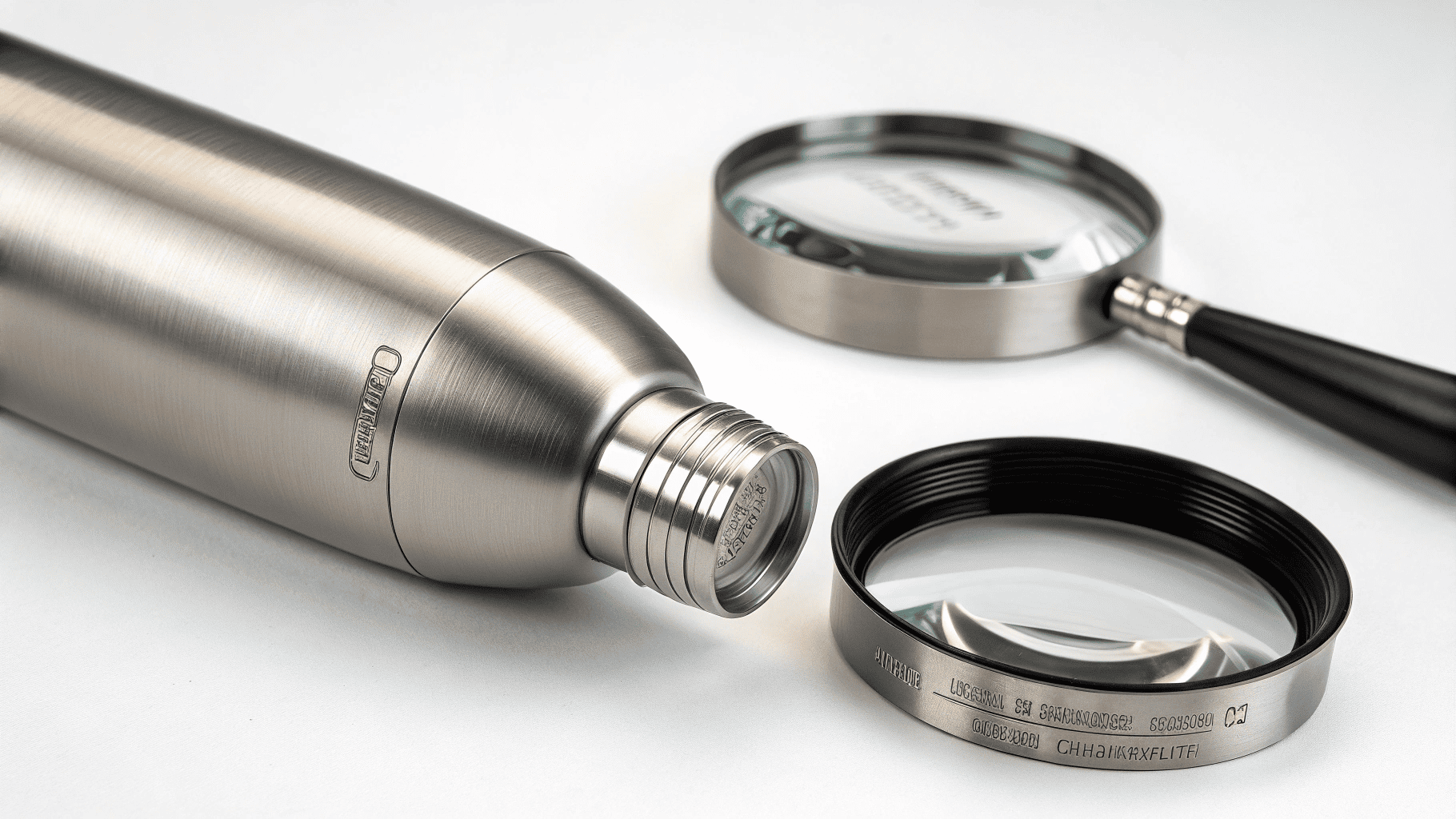
This temperature range is actually modest for premium bottles. I've tested hundreds of samples in our factory. Most quality bottles exceed this requirement easily. The real challenge comes from maintaining performance after drops. Let me share what I've learned from 15 years in this industry.
How long do insulated water bottles stay cold?
I remember testing our first production batch in 2010. We filled bottles with ice water at 4°C. The results surprised even our technical team. Temperature retention exceeded our initial projections.
Quality insulated water bottles keep drinks cold for 24 hours. Double-wall vacuum insulation creates a barrier that prevents heat transfer. The vacuum layer blocks thermal conductivity, so external heat cannot reach the liquid inside.
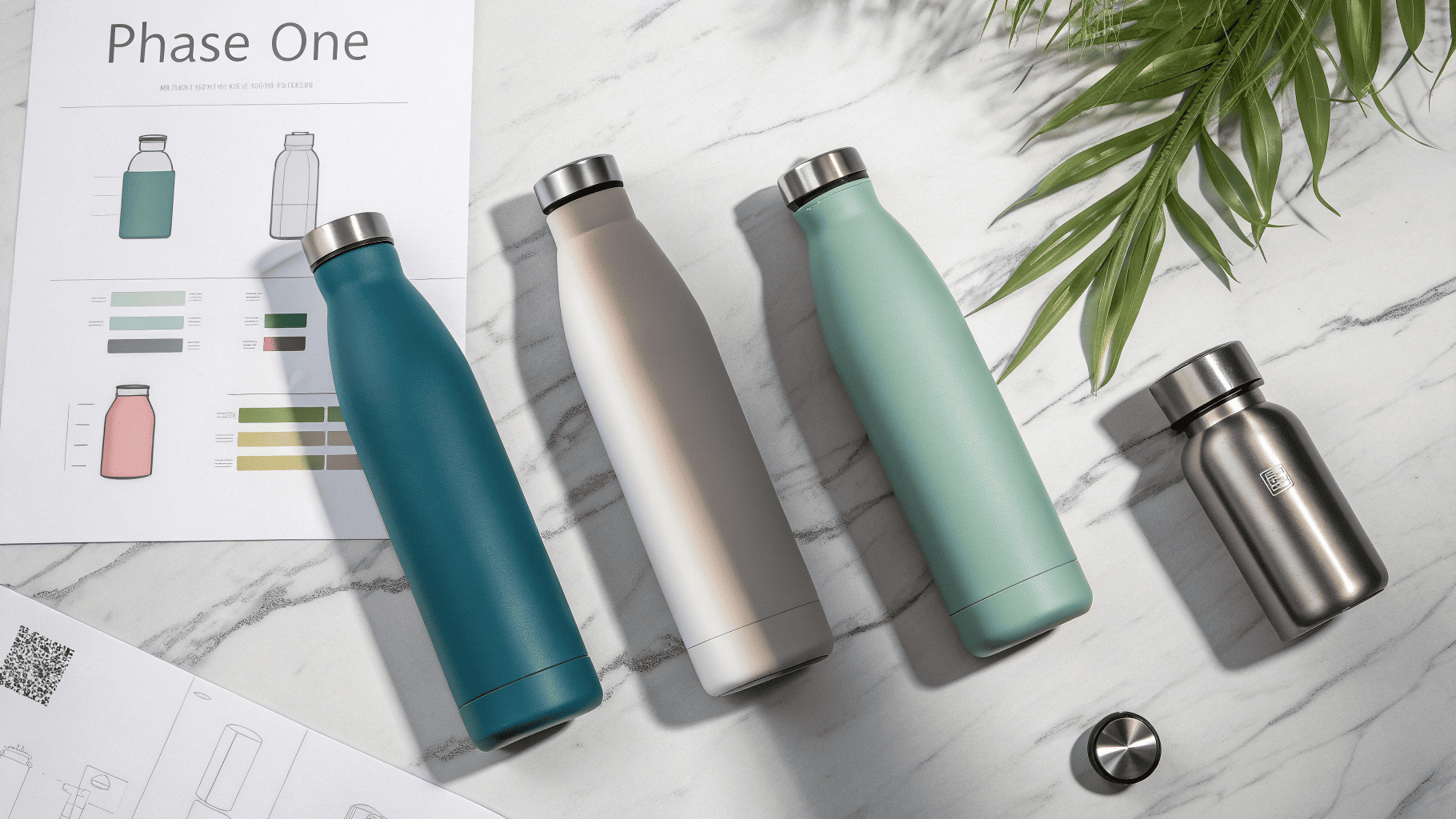
I run cold retention tests every quarter. We fill bottles with ice water and measure temperature every 6 hours. Our standard test protocol follows ISO standards2. The bottles sit in a 25°C room. We record data points at 6, 12, 18, and 24 hours.
The results show consistent patterns. Premium bottles using 18/8 stainless steel maintain cold temperatures for 24 hours minimum. Some samples even reach 30 hours. The vacuum quality determines the outcome. A perfect vacuum seal creates the best insulation barrier.
| Time | Temperature | Ice Status |
|---|---|---|
| 0 hours | 4°C | 100% ice |
| 6 hours | 5°C | 85% ice |
| 12 hours | 8°C | 60% ice |
| 18 hours | 12°C | 30% ice |
| 24 hours | 15°C | 10% ice |
The lid design3 plays a major role too. A tight seal prevents air exchange. Air exchange causes temperature loss. I've seen cheap bottles lose their cold retention within 8 hours. The problem was always the lid. Poor sealing lets warm air enter the bottle.
Material thickness matters for durability. Thicker walls resist dents better. But thickness doesn't improve insulation. The vacuum layer does the actual insulation work. I recommend 0.6mm wall thickness as the sweet spot. This provides both durability and reasonable weight.
What is the best thermos to keep water hot for a long time?
A factory visit from Mark changed my perspective on heat retention. He brought three competitor samples. We tested them side by side. The differences became clear within hours.
The best thermos uses double-wall vacuum insulation with a quality seal. Premium bottles keep drinks hot for 12 hours minimum. The vacuum layer, seal design, and lid construction all contribute to heat retention performance.
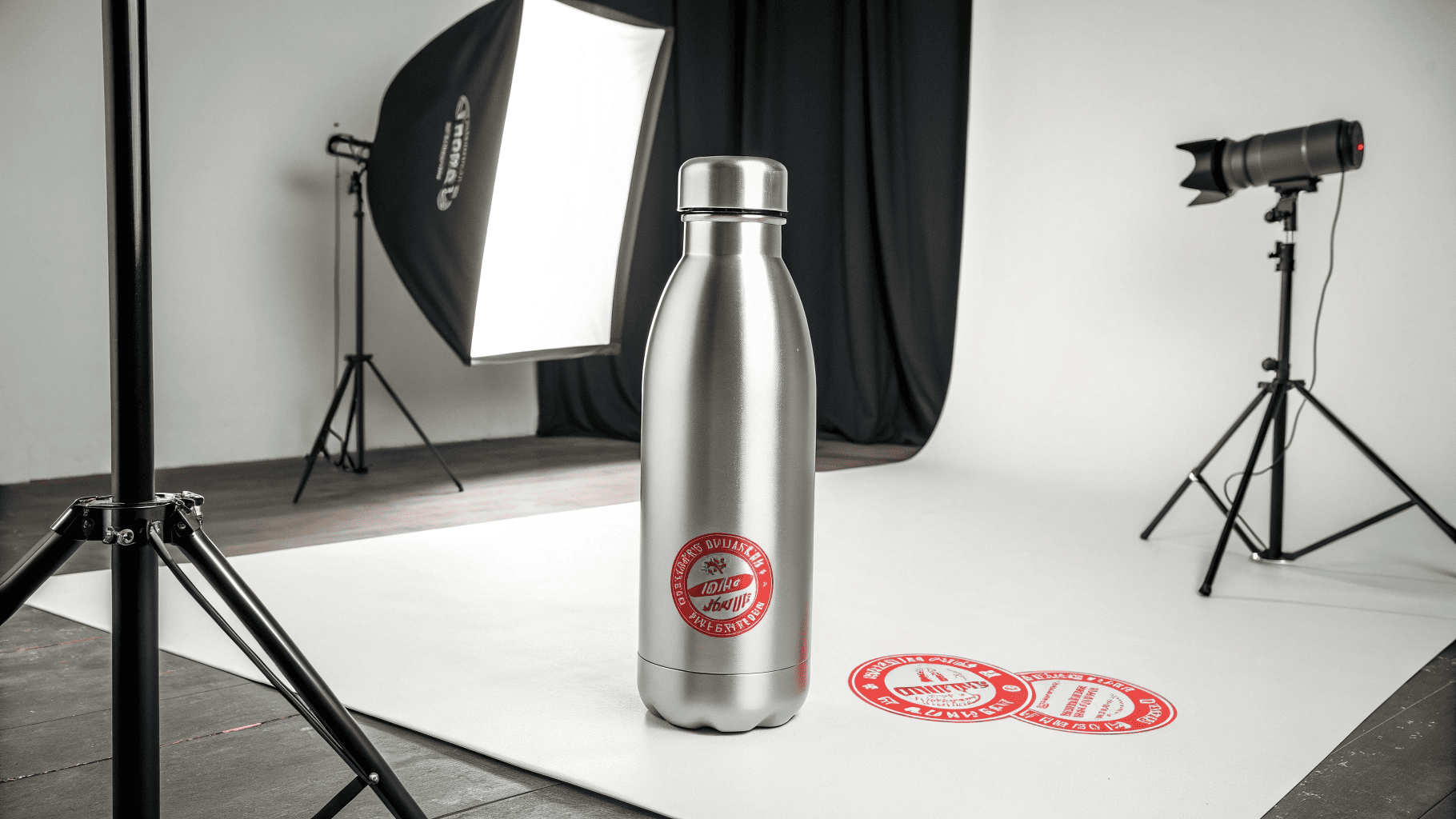
I've compared dozens of thermos designs. The top performers share three features. First, they use complete vacuum insulation. The vacuum covers the entire body and bottom. Second, they have powder-coated exteriors. The coating adds a thermal barrier. Third, they include wide-mouth openings with quality lids.
Heat retention testing reveals interesting patterns. Bottles lose heat fastest through three points: the lid, the base, and any structural weak spots. I focus on these areas during quality checks.
The lid deserves special attention. A poor lid can ruin a perfect vacuum bottle. I've seen bottles with excellent insulation fail because of cheap lids. The seal must be airtight. Any air gap creates a heat escape route.
| Feature | Impact on Heat Retention | Our Standard |
|---|---|---|
| Vacuum Quality | 60% | <0.005 Pa |
| Lid Seal | 25% | Food-grade silicone |
| Wall Material | 10% | 18/8 stainless steel |
| Coating | 5% | Powder-coated exterior |
Base construction affects heat retention too. Some manufacturers cut corners here. They use single-wall bases to save costs. This creates a weak point. Heat escapes through the bottom. I always check base construction during factory audits.
The shape influences performance as well. Narrow bodies retain heat better than wide ones. The reason is surface area. Less surface area means less heat loss. But narrow bottles are harder to clean. I balance these factors when designing new products.
What keeps water colder, Yeti or Hydro Flask?
Mark asked me this question during a trade show. He was comparing both brands for his distribution business. I pulled out my test data. The numbers told an interesting story.
Both Yeti and Hydro Flask deliver similar cold retention performance. They use comparable double-wall vacuum insulation technology. Both keep drinks cold for 24 hours and hot for 12 hours. The main difference lies in durability design and target applications.
I've tested both brands extensively. My team conducts side-by-side comparisons every year. We measure temperature retention, durability, and seal integrity. The results show minimal performance differences.
Yeti focuses on extreme durability. Their bottles use thicker stainless steel. The construction can handle rough outdoor conditions. I've dropped Yeti bottles from 2 meters repeatedly. The vacuum seal remains intact. The exterior shows dents, but insulation performance stays consistent.
Hydro Flask emphasizes sleek design. Their powder-coated finish provides excellent grip. The coating comes in multiple colors. This appeals to lifestyle customers. The insulation performance matches Yeti's specifications.
| Brand | Cold Retention | Hot Retention | Drop Test Result | Weight |
|---|---|---|---|---|
| Yeti | 24+ hours | 12+ hours | Excellent | Heavier |
| Hydro Flask | 24+ hours | 12+ hours | Very Good | Lighter |
| Our Premium Line | 24+ hours | 12+ hours | Excellent | Medium |
Price differences reflect brand positioning more than performance. Yeti charges premium prices for outdoor durability. Hydro Flask prices target lifestyle markets. Both deliver quality products. The choice depends on use case and budget.
I manufacture bottles that match both brands' specifications. The technology is not proprietary. Quality vacuum insulation follows standard principles. The key is maintaining strict quality control during production.
Drop testing reveals durability differences. Yeti bottles consistently pass 10-drop tests4 from 1.5 meters. Hydro Flask bottles pass 7-8 drops before showing minor dents. Our premium line achieves 9-10 drops. We use 0.6mm wall thickness with reinforced base construction.
The vacuum seal is what matters most. A broken seal destroys insulation performance immediately. I've seen bottles that look perfect externally but lost their vacuum. Temperature retention drops by 70% or more. I test every production batch for vacuum integrity.
Conclusion
Quality insulated bottles easily maintain 60-65°C for 2 hours under drop tests. Double-wall vacuum insulation and structural integrity determine performance. Focus on these factors when sourcing bottles.
-
Learn about the technology behind double-wall vacuum insulation and its benefits for temperature control. ↩
-
Explore the importance of ISO standards in ensuring quality and performance in insulated bottles. ↩
-
Understand the critical role of lid design in maintaining temperature in insulated bottles. ↩
-
Learn about the significance of drop tests in evaluating the durability of insulated bottles. ↩
