
Can insulated cups be dishwasher-safe? What tests and seals are needed?
I used to toss all my drinkware into the dishwasher without thinking. Then a client complained about warped lids and lost vacuum seals. That taught me the hard way.
Most plastic insulated cups are dishwasher-safe, but stainless steel vacuum-insulated products often are not. The key factors are material composition, construction method, seal design, and surface coatings. Proper testing certifications like FDA and LFGB compliance1 help verify dishwasher compatibility.

I learned this lesson when a Canadian distributor called me about damaged products. His customers were throwing insulated tumblers in the dishwasher. Some came out fine. Others lost their insulation or had deformed lids. He needed clear answers before his next order.
Can insulated cups go in the dishwasher?
This question keeps coming up in my sales calls. Buyers want convenience, but they also want durability. The answer depends on what the cup is made from.
Plastic double-wall tumblers made from materials like Tritan, PPSU, and PP are typically dishwasher-safe2. Stainless steel vacuum-insulated products usually require hand washing to protect the vacuum seal and exterior coating.
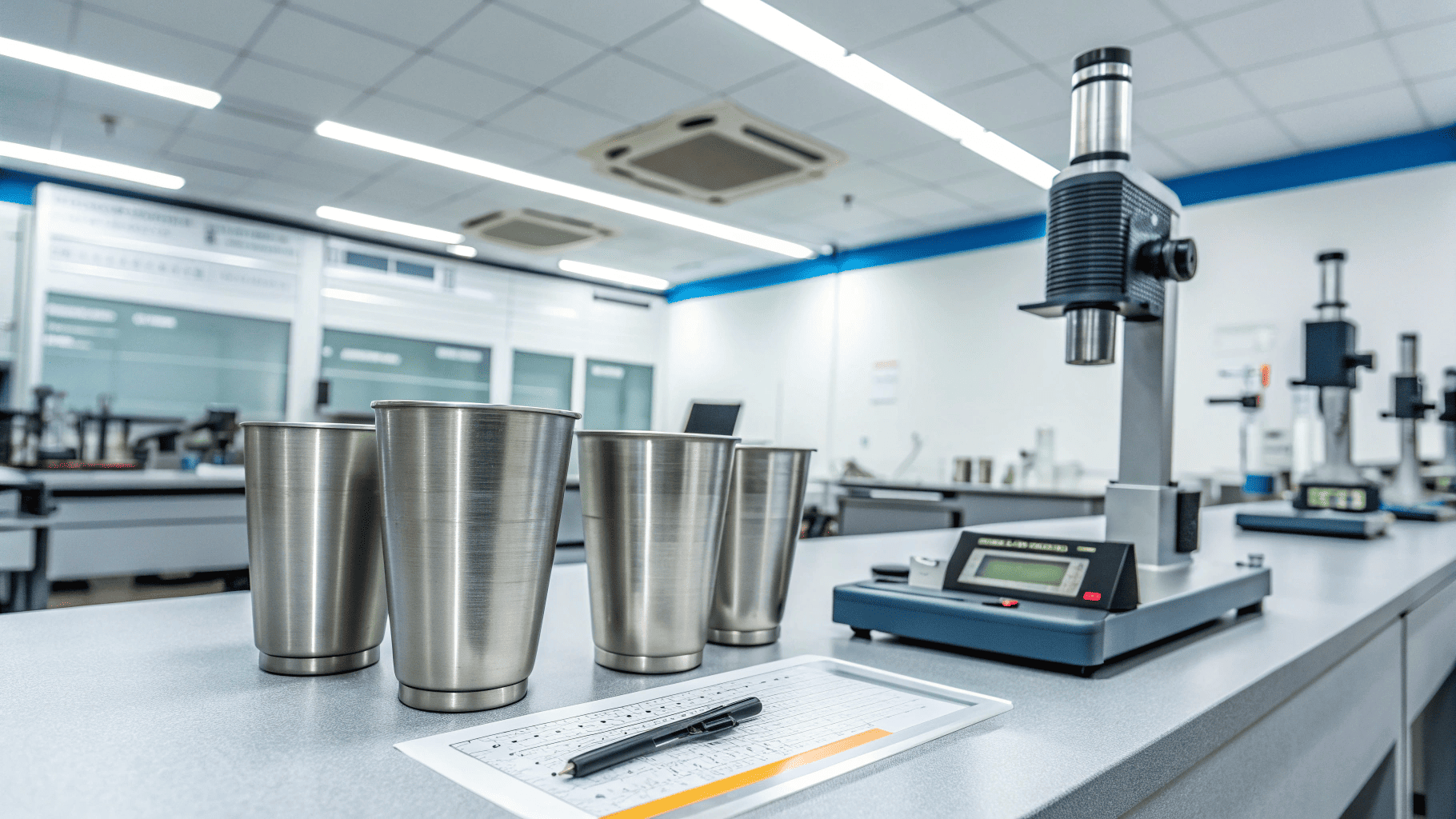
Material determines dishwasher compatibility
I work with two main categories of insulated cups. Each behaves differently in a dishwasher.
For plastic insulated drinkware, materials like Tritan, PPSU, and PP can handle dishwasher cycles. These materials show good heat resistance and maintain their structure during washing. Our double-wall plastic tumblers with lids and straws are explicitly marked as dishwasher-safe because they use BPA-free construction. The double-wall design3 keeps drinks cold without creating condensation, and the plastic can withstand the high temperatures inside a dishwasher.
But even with dishwasher-safe plastic tumblers, I always tell buyers to pay attention to the lid. The lid assembly often contains sealing gaskets made from silicone or rubber. These gaskets can handle high temperatures, but repeated dishwasher cycles accelerate wear. Many manufacturers recommend hand washing lids to preserve the leak-proof seals. High temperature and pressure washing may cause deformation of the lid structure over time.
For stainless steel vacuum-insulated products, the situation is different. The vacuum seal between inner and outer stainless steel walls can be compromised by dishwasher conditions. Using a dishwasher could potentially damage the insulation and the exterior coating, leading to reduced performance and longevity. This is especially true for powder-coated, painted, or specialty-finished products. The harsh detergents and high heat may degrade the decorative layer. Some manufacturers state their stainless steel tumblers can be dishwashered safely, but they still recommend hand-washing to protect the coating.
| Material Type | Dishwasher Safe | Key Considerations |
|---|---|---|
| Tritan/PPSU/PP Plastic | Yes | Lids may need hand washing |
| Stainless Steel (Vacuum) | Not recommended | Can damage vacuum seal |
| Stainless Steel (Coated) | Cautious | May damage exterior finish |
| Silicone gaskets | Yes | Wears faster with repeated washing |
What makes a cup dishwasher safe?
A buyer once asked me why some cups say "top rack only" while others have no restrictions. The answer involves material science and testing standards.
A cup is dishwasher-safe when its materials can withstand high heat, strong detergents, and water pressure without degrading, warping, or losing function. This requires proper material selection, testing certifications4, and design considerations.

Heat resistance and material properties
I check material specifications for every new product line I source. Heat resistance is the starting point.
Tritan (PCTG) offers good transparency, high temperature resistance, and hydrolysis resistance. It handles repeated washing cycles without deformation up to 94 degrees Celsius. PPSU has even higher hydrolytic stability and temperature resistance up to 207 degrees Celsius. These materials can handle the hot water and drying cycles in most dishwashers.
But heat resistance alone does not guarantee dishwasher safety. The material must also resist the chemical action of dishwasher detergents. Polypropylene (PP) has high resistance to heat, moisture, and chemicals. This makes it suitable for products that will be washed frequently. Materials like Polycarbonate (PC) may contain BPA and show poor solvent resistance. They can crack or hydrolyze when exposed to boiling water for extended periods.
The sealing components also matter. Silicone gaskets show high temperature resistance, cold resistance, and solvent resistance. They maintain elasticity across a wide temperature range. But even silicone has limits. Repeated exposure to dishwasher cycles can cause gradual wear. This reduces the seal's effectiveness over time, leading to leaks.
Testing certifications verify these properties. Our products carry FDA, LFGB, and CA65/Prop 65 certifications. These standards confirm the materials are safe for food contact and can withstand typical use conditions, including dishwasher cycles.
Design features that support dishwasher use
Beyond materials, I look at design features. A wide-mouth opening makes cleaning easier, whether by hand or in a dishwasher. Removable parts like straws and infusers allow thorough cleaning. Products with fewer crevices and joints collect less residue. This reduces the need for aggressive cleaning cycles.
What determines if something is dishwasher safe?
During a factory audit in Guangdong, I watched engineers test tumbler lids in heated water baths. This showed me what truly determines dishwasher safety.
Three critical factors determine dishwasher safety: material heat tolerance, structural integrity under thermal stress, and chemical resistance to detergents. Testing protocols and certifications validate these properties before products reach the market.
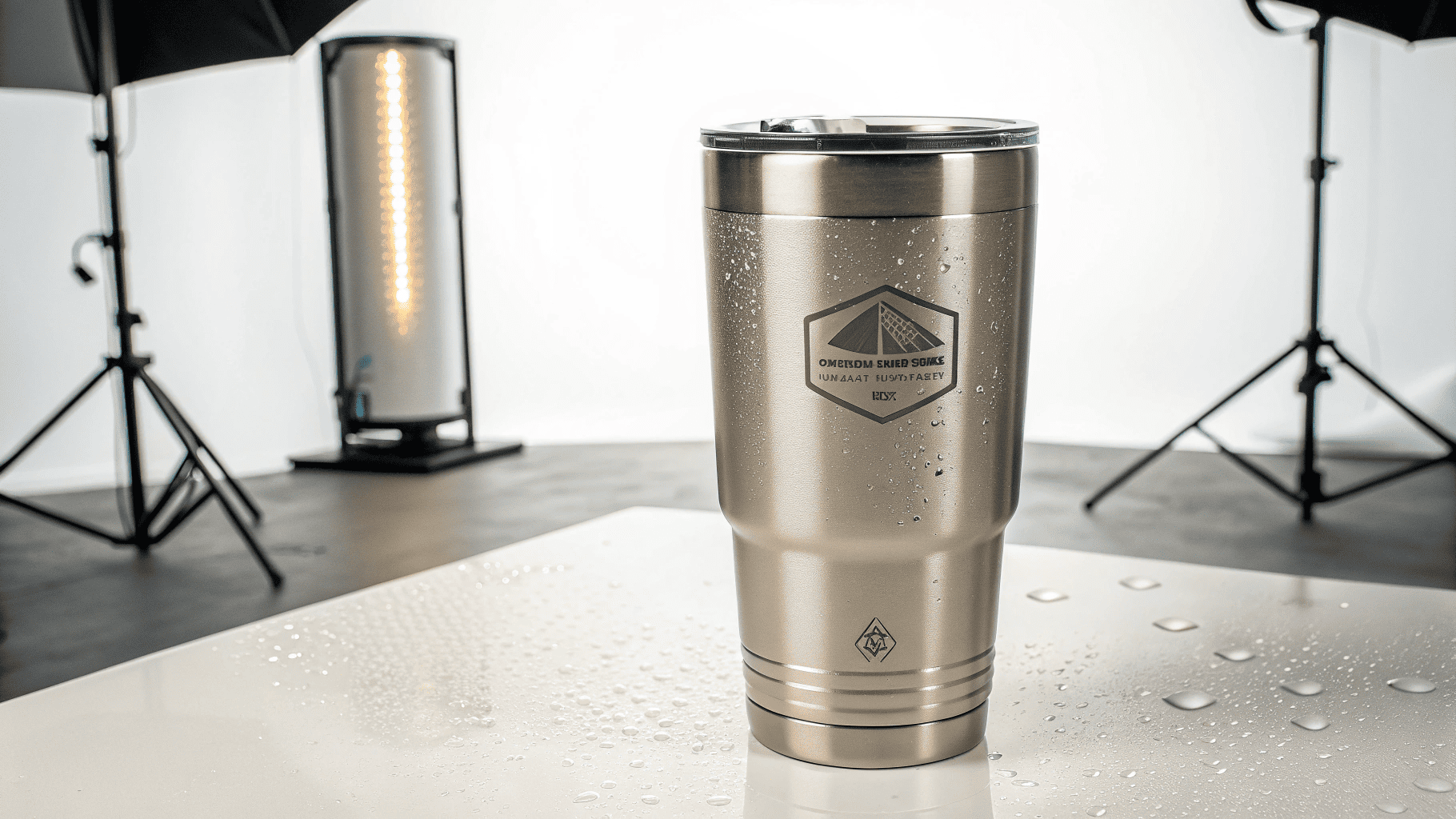
Testing protocols and certifications
I always request testing certificates during the sampling phase. These documents tell me what a product can actually handle.
FDA compliance confirms materials meet food safety standards. LFGB certification from Germany tests for chemical migration and material safety. CA65/Prop 65 compliance addresses lead and BPA content. These certifications require testing at elevated temperatures that simulate dishwasher conditions.
For plastic materials, testing includes thermal cycling. Engineers heat the product repeatedly to check for warping, cracking, or deformation. They expose materials to various detergents to test chemical resistance. They measure dimensional changes after multiple wash cycles. Products that maintain their shape, seal integrity, and surface finish pass as dishwasher-safe.
For stainless steel vacuum products, testing focuses on the vacuum seal integrity5. The vacuum layer between inner and outer walls creates insulation. If water or detergent penetrates this space, insulation fails. Testing involves pressure checks before and after simulated dishwasher cycles. Any loss of vacuum pressure indicates the product is not truly dishwasher-safe.
Surface coatings require separate testing. Powder coatings, spray painting, and UV coatings must resist both heat and chemical action. Testing involves checking for color fading, peeling, or blistering after repeated wash cycles. Products marketed as "top rack dishwasher safe only" have coatings that tolerate lower temperatures but may fail under the higher heat of bottom-rack placement.
Construction methods and seal design
I learned about construction methods when investigating leaking lids. The way parts fit together matters as much as the materials used.
Double-wall plastic tumblers use injection molding to create two separate walls with an air gap. This construction is inherently dishwasher-safe because there is no vacuum seal to compromise. The air gap provides insulation, and both walls are solid plastic that resists water penetration.
Stainless steel vacuum products use a different method. Manufacturers weld an inner and outer stainless steel shell, then remove air to create a vacuum. This vacuum seal is sensitive to thermal shock and pressure changes. Dishwasher conditions can stress the seal or allow microscopic penetration. This is why most stainless steel vacuum products recommend hand washing.
The sealing gasket design also matters. O-rings and gaskets must maintain elasticity across temperature ranges. They need proper compression when assembled but cannot be squeezed so tightly that they deform. Good design allows gaskets to be removed for cleaning and replaced if they wear out. Products with permanently attached gaskets will fail sooner because users cannot replace worn seals.
| Testing Area | What Gets Tested | Pass Criteria |
|---|---|---|
| Heat Tolerance | Material stability at high temps | No warping or deformation |
| Chemical Resistance | Reaction to detergents | No cracking or discoloration |
| Seal Integrity | Gasket performance post-wash | No leaks after multiple cycles |
| Coating Durability | Surface finish retention | No peeling or fading |
From a B2B perspective, I always request specific testing certifications during the sampling phase. I ask suppliers to clarify dishwasher compatibility explicitly. Products marked as "top rack dishwasher safe only" signal temperature-sensitive components. Products labeled "hand wash recommended" typically have vacuum insulation or premium surface treatments that need gentler care for longevity. I include these care instructions in product documentation for end customers. This reduces complaints and returns, protecting both my reputation and the buyer's brand.
Conclusion
Dishwasher safety depends on material type, construction method, and proper testing. Request certifications and test samples before committing to large orders. Your customers will thank you.
-
Explore LFGB compliance to understand the safety standards for food contact materials. ↩
-
Understanding the definition of dishwasher-safe can help you choose the right drinkware for your needs. ↩
-
Explore the benefits of double-wall design for insulation and dishwasher safety. ↩
-
Learn about essential testing certifications that ensure the safety and durability of drinkware. ↩
-
Explore the significance of vacuum seal integrity for the performance of insulated drinkware. ↩