
Can Dishwasher-Safe Claims for Double-Wall Cups Survive FBA Drop Tests?
Last month, I received an urgent email from a Canadian distributor. His entire shipment of double-wall tumblers passed dishwasher testing1 at the factory. But after FBA drop tests, customers complained about water leaking into the double walls during washing. This happens more often than you think.
The answer is not straightforward. Dishwasher-safe claims can survive FBA drop tests, but only if the cups are designed with both scenarios in mind. Most manufacturers test these features separately. The real question is whether your supplier validates both together before shipping.
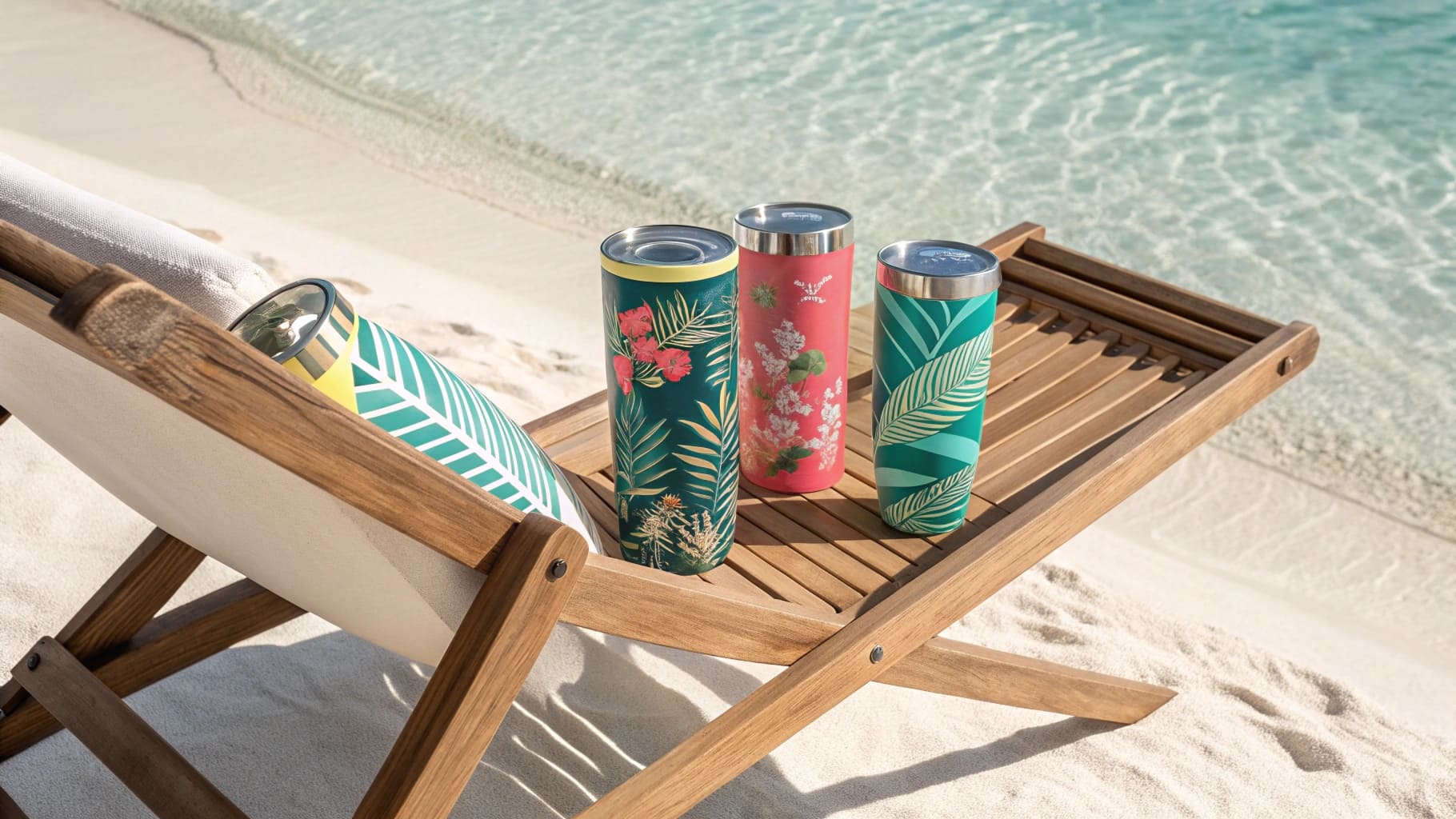
I learned this lesson the hard way three years ago. A client ordered 5,000 stainless steel tumblers with powder-coated finishes2. All cups were dishwasher-safe certified. But Amazon's drop tests damaged the sealing points on 15% of units. Water got inside during dishwasher cycles. The entire batch was returned.
Are Double-Walled Cups Dishwasher Safe?
You probably want a simple yes or no answer. But I cannot give you one. The material decides everything. Plastic double-wall cups made from BPA-free materials can usually handle dishwasher heat. Stainless steel versions depend on how the manufacturer seals the two walls together.
Most double-walled cups are dishwasher safe if they use the right materials. Tritan, PPSU, and PP plastics withstand high temperatures without warping. Stainless steel variants need vacuum-sealed construction3 or sealed air gaps. The sealing method determines whether they survive repeated wash cycles.
I test every new supplier's samples with a simple protocol. First, I run them through 10 dishwasher cycles at high temperature. Then I inspect the sealing points under magnification. Many cups that claim dishwasher safety show tiny cracks after just 5 cycles.
Material Makes or Breaks Dishwasher Safety
The construction method matters more than the marketing claims. Double-wall plastic tumblers from reliable suppliers use food-grade materials that resist both heat and chemical detergents. I always ask for material certifications4 before placing orders.
Stainless steel double-wall cups present different challenges. The vacuum seal between the walls must remain intact. Some manufacturers use welding at the rim. Others use adhesive bonding. Welded seals perform better in dishwashers. Adhesive bonds can fail when exposed to repeated heat cycles and harsh detergents.
| Material Type | Dishwasher Safe Temperature | Common Issues | Testing Recommendation |
|---|---|---|---|
| Tritan Plastic | Up to 90°C | Possible clouding over time | 20+ cycle test |
| PPSU Plastic | Up to 180°C | Rare warping at edges | 30+ cycle test |
| Stainless Steel (Welded) | Up to 70°C | Seal integrity at rim | Drop + 15 cycle test |
| Stainless Steel (Adhesive) | Up to 60°C | Bond failure at high temps | Not recommended |
I also check the lid design carefully. Many double-wall cups fail dishwasher tests because the lid mechanism breaks down. Silicone seals degrade. Plastic threads warp. Metal springs rust. The cup body might survive perfectly, but the lid makes the whole product unusable.
Are Zwilling Double Walled Cups Dishwasher Safe?
You might wonder about specific brands. Zwilling manufactures quality double-wall cups. But I always verify specs directly rather than rely on brand reputation alone. Different product lines within the same brand can use different manufacturing methods.
Zwilling double-walled cups are generally dishwasher safe. The company uses borosilicate glass for most of their double-wall designs. This material handles dishwasher heat well. But you need to place them on the top rack. Bottom rack exposure to heating elements can cause thermal shock.
I once worked with a client who wanted to source Zwilling-style cups from China. We found a supplier who claimed identical quality. The samples looked perfect. But dishwasher tests revealed the glass was not true borosilicate. It cracked after three cycles. Brand names exist for a reason, but verification protects you better than trust.
Understanding Borosilicate Glass Benefits
Borosilicate glass resists thermal shock better than regular glass. This matters in dishwashers where temperatures change rapidly. The material expands and contracts less during heating and cooling cycles.
When I source double-wall glass cups, I request the thermal expansion coefficient data. True borosilicate glass has a coefficient around 3.3. Regular soda-lime glass measures 9. This difference determines whether the cup survives dishwasher use or shatters unexpectedly.
Some suppliers substitute regular glass and claim it is borosilicate. I caught three suppliers doing this last year. The simple test involves heating the cup to 100°C, then immediately placing it in ice water. Borosilicate glass survives. Regular glass cracks. This test saved my clients thousands of dollars in returns.
The rim construction also affects dishwasher safety. Zwilling uses precision grinding to create smooth, even rims. Cheaper alternatives often have rough edges where the two glass walls meet. These imperfections collect food particles and harbor bacteria. They also create stress points where cracks begin during wash cycles.
| Zwilling Feature | Impact on Dishwasher Use | Alternative Supplier Issues |
|---|---|---|
| True Borosilicate | Survives 100+ cycles | Substituted materials fail |
| Precision Ground Rims | No crack initiation points | Rough edges trap debris |
| Laser-Welded Seals | Water cannot penetrate | Adhesive seals degrade |
| Top Rack Rating | Clear usage instructions | Ambiguous guidelines |
What Happens If You Put a Non-Dishwasher Safe Cup in the Dishwasher?
I see this mistake constantly in customer complaints. Someone ignores the care instructions. The cup gets damaged. Then they blame the manufacturer. But understanding what actually happens helps you design better products and write clearer warnings.
The heat and detergent damage different cup components in specific ways. Adhesives soften or dissolve. Plastic warps at temperatures above its glass transition point. Decorative coatings bubble and peel. Metal components corrode from chemical reactions with detergent. Each failure mode looks different.
Three months ago, a client's customer service team received 200 complaints in one week. All involved double-wall cups with printed logos. The customers washed the cups despite hand-wash-only labels. The logos completely disappeared. My client lost the account because they did not test dishwasher resistance before printing.
Breaking Down Each Failure Mode
Adhesive failure happens first in most non-dishwasher-safe cups. The glue holding decorative elements or sealing components breaks down at temperatures above 60°C. Modern dishwashers reach 65-75°C during normal cycles. The adhesive turns soft. Water penetrates the bond line. When the cup cools, the adhesive hardens in a weakened state.
I always request adhesive specifications from suppliers. Food-safe adhesives rated for 80°C minimum provide a safety margin. Anything less will fail during dishwasher use. Some suppliers use cheap adhesives rated for only 50°C. These bonds fail even in hand-wash conditions with hot tap water.
Plastic deformation represents another common failure. Each plastic has a glass transition temperature where it softens. PP starts softening around 100°C. PE around 80°C. PS around 70°C. If the dishwasher temperature exceeds these points, the plastic warps permanently. Lids stop fitting. Cups lose their shape. The double-wall structure collapses.
| Failure Type | Temperature Threshold | Visible Symptoms | Time to Failure |
|---|---|---|---|
| Adhesive Breakdown | 60-70°C | Peeling, separation | 3-5 cycles |
| Plastic Warping | 70-100°C | Distortion, loose lids | 1-3 cycles |
| Coating Damage | 65-80°C | Bubbling, flaking | 2-7 cycles |
| Seal Compromise | 70-85°C | Water inside walls | 5-15 cycles |
Powder-coated finishes on stainless steel cups suffer specific damage patterns. The coating can withstand heat. But dishwasher detergents are highly alkaline. This pH level etches the coating surface. Micro-scratches appear first. Then the coating loses its smooth feel. Eventually, it peels at stress points like the rim and base.
I developed a simple test protocol for powder-coated products. I expose samples to dishwasher detergent solution at 70°C for 2 hours. Then I examine the surface under 10x magnification. Quality coatings show no change. Poor coatings already show surface damage. This test predicts real-world performance accurately.
Conclusion
Dishwasher safety and drop test survival require deliberate engineering choices. I never assume these features coexist without verification testing. Your supplier must validate both before shipment. This protects your brand and prevents costly returns.
-
Understanding dishwasher testing can help ensure your products meet safety standards and customer expectations. ↩
-
Learn about powder-coated finishes to ensure your drinkware remains visually appealing and safe. ↩
-
Understanding vacuum-sealed construction can help you choose durable and safe drinkware. ↩
-
Learn why material certifications are crucial for ensuring product safety and quality. ↩