
Best insulated tumbler sizes for cafes: 12–20 oz takeout and merch lines
You just lost another customer because your takeout tumbler was too bulky for their car. Your merch sits unsold because the sizes feel wrong. I see this problem every season when cafes order without understanding what actually sells.
The best insulated tumbler sizes1 for cafes are 12 oz, 16 oz, and 20 oz. These three capacities match standard coffee servings, fit in car cup holders, and appeal to different customer types. This range gives you flexibility for both takeout service and retail merchandise.
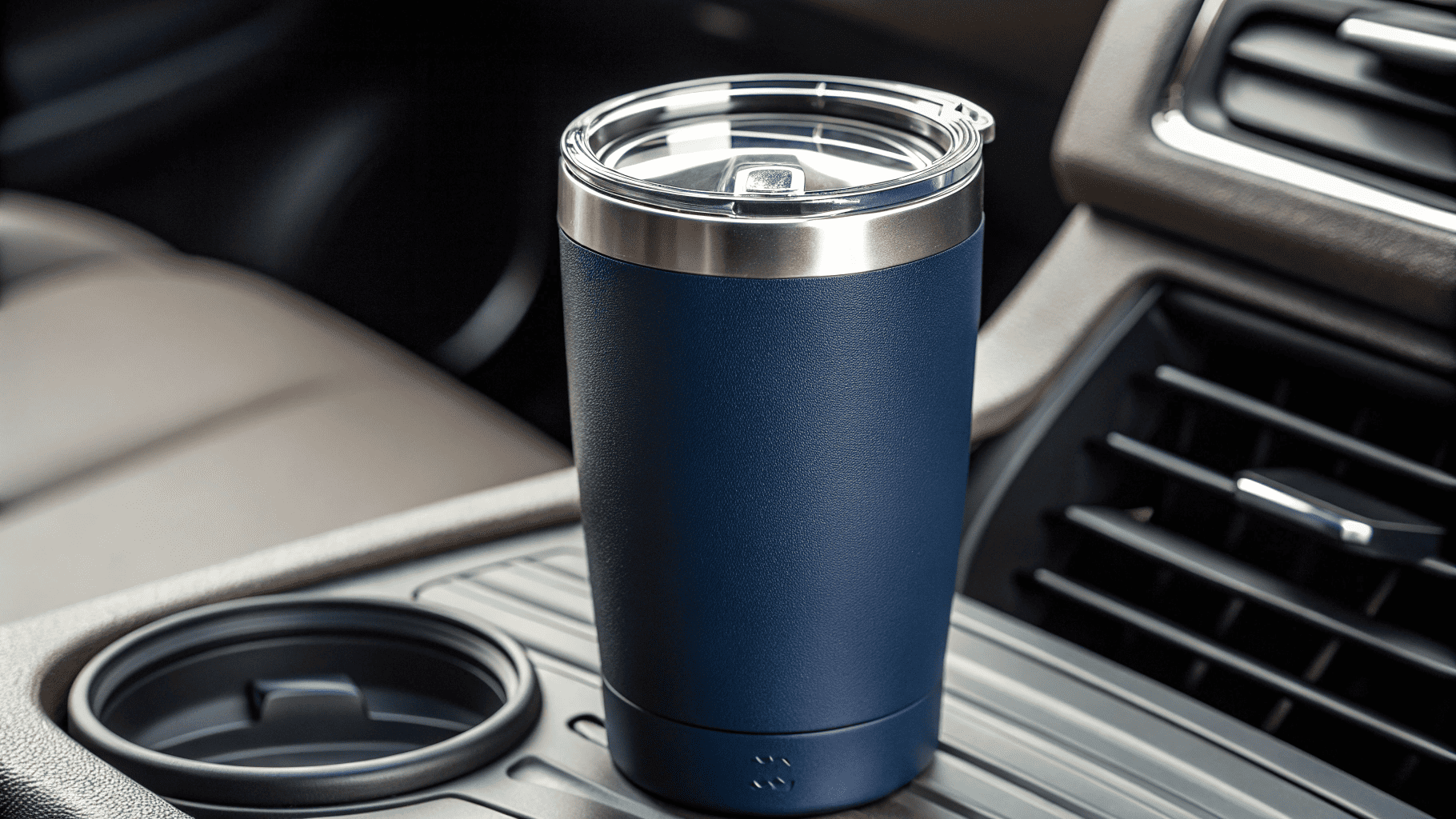
I have worked with over 300 cafe owners in North America over the past eight years. The ones who succeed with tumbler programs all follow the same pattern. They stock multiple sizes in this specific range. Let me show you why these sizes work and how to choose the right packaging.
What is the best size tumbler for coffee?
Your customers order different drinks. A single tumbler size cannot satisfy everyone. I watched a Seattle cafe lose 40% of their merch revenue before they fixed this mistake.
The best size tumbler for coffee is 16 oz because it matches the medium coffee size most customers order daily. This capacity works for lattes, americanos, and cold brew. The 16 oz tumbler fits standard cafe portions while remaining portable enough for commuters.
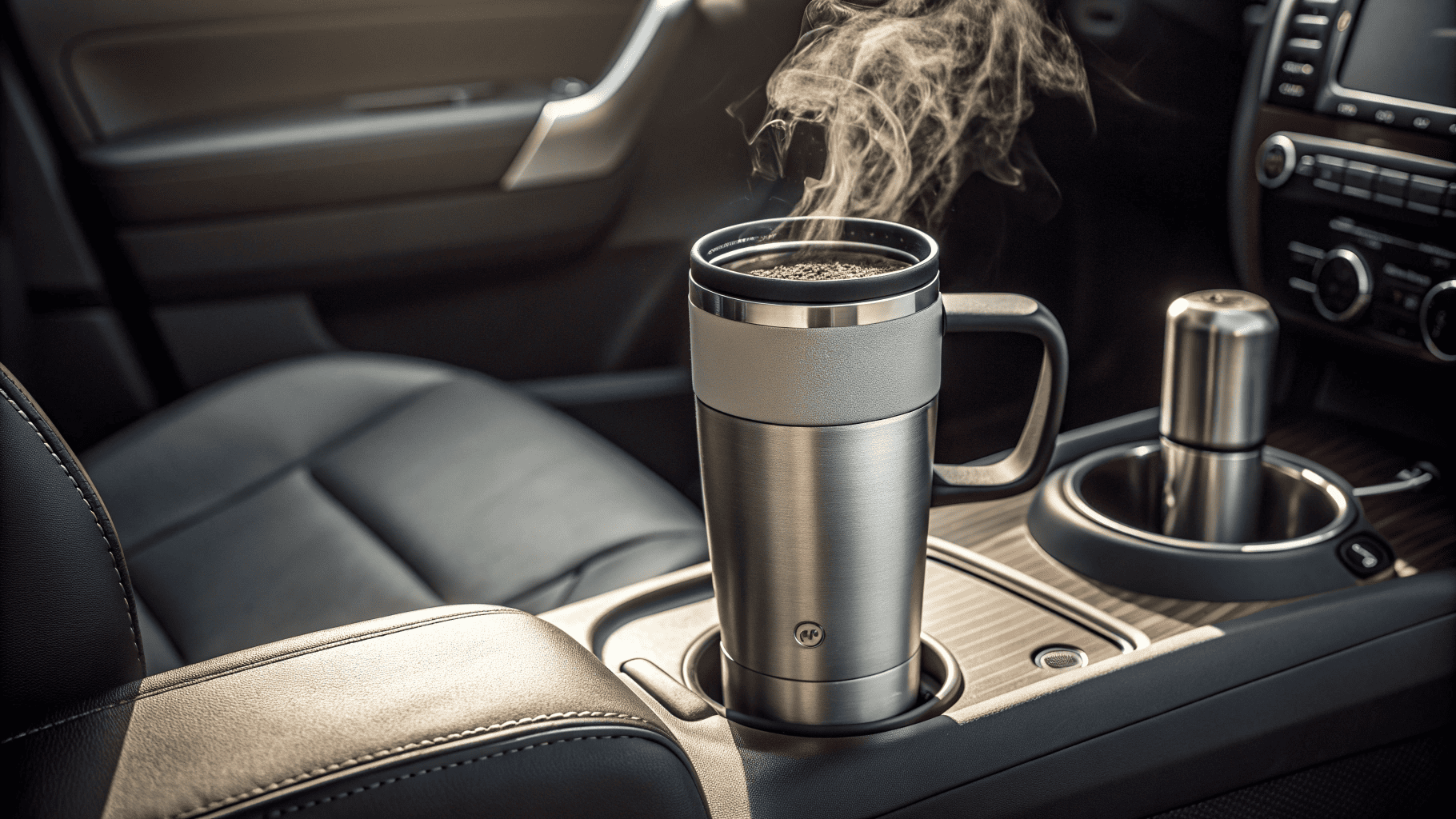
Why the 16 oz capacity dominates cafe sales
I need to explain this from a practical angle. When I visit cafes across Canada and the US, I see the same pattern. Most customers order medium drinks. They want their usual morning coffee to fit perfectly in a reusable tumbler.
The 16 oz size gives them exactly that. It holds a full medium latte without leaving too much empty space. Empty space means the drink sloshes around. Customers hate that experience.
But here is what most cafe owners miss. You need more than just the 16 oz size. Different customers want different things:
| Customer Type | Preferred Size | Drink Choice | Usage Pattern |
|---|---|---|---|
| Espresso lovers | 12 oz | Cappuccino, flat white | Morning only |
| Regular coffee drinkers | 16 oz | Latte, americano | Daily commute |
| All-day drinkers | 20 oz | Cold brew, iced coffee | Office desk |
The 12 oz tumbler serves your espresso drink customers. This compact size fits perfectly in your hand. It slides into any cup holder. I call this the "premium segment" because customers who buy 12 oz tumblers usually order higher-margin specialty drinks.
The 20 oz option targets a different customer. These buyers want their tumbler to last all morning. They refill it at their desk. They often use it for cold drinks in summer. This size drives the highest retail price point in your merch line.
What size box do I need for a 20 oz tumbler?
Packaging costs eat into your margin faster than you think. Wrong box sizes mean wasted space in shipping containers. I helped a Toronto cafe owner cut their packaging costs by 35% just by choosing better boxes.
A 20 oz tumbler needs a box measuring approximately 3.5 x 3.5 x 8.5 inches to accommodate the tumbler body, lid, and protective padding. Standard packaging options include white boxes, custom gift boxes2, cylinder boxes, and bubble bags depending on your retail or wholesale needs.
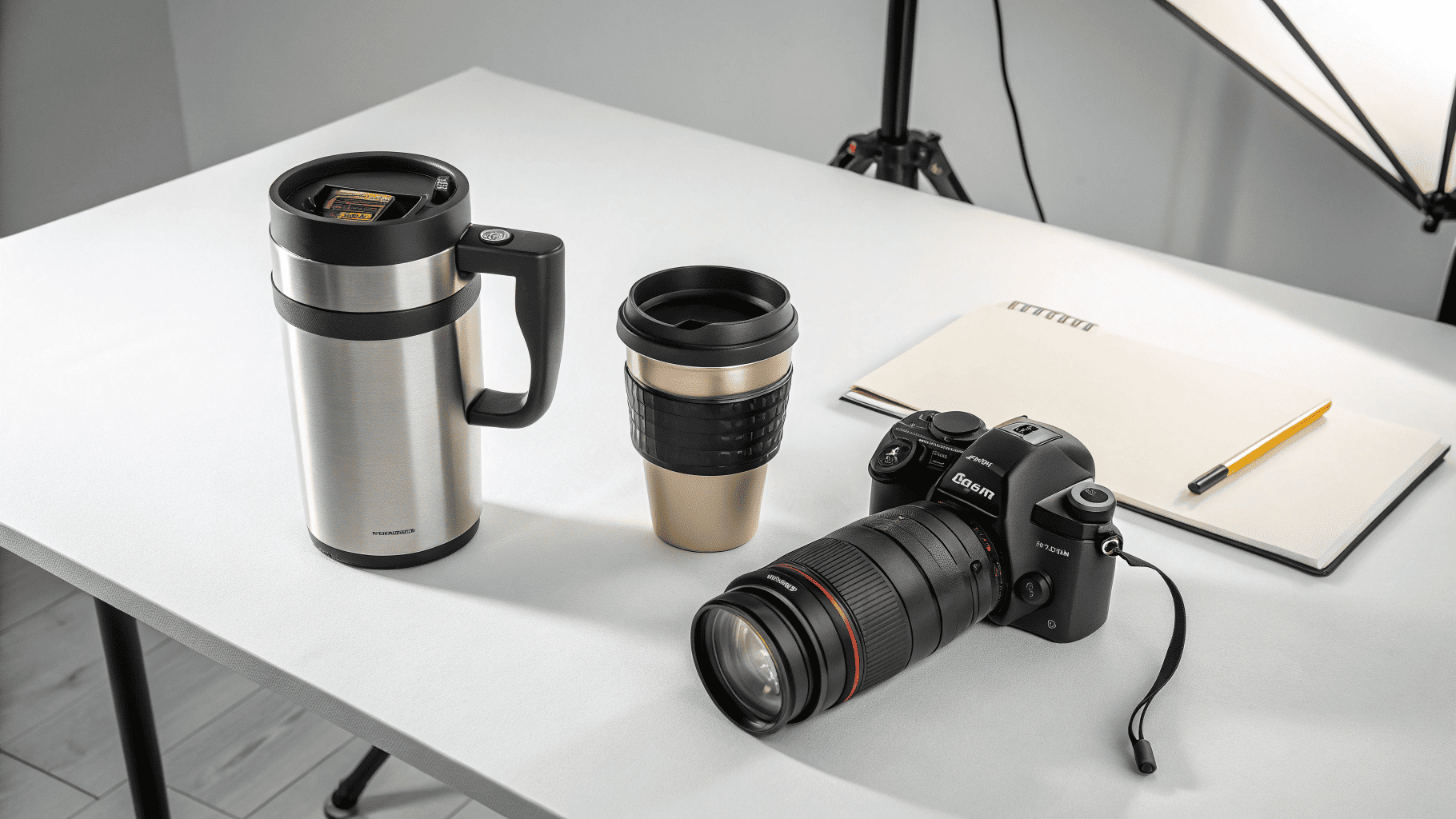
Selecting packaging that protects product and brand
The box size matters more than most people realize. I ship thousands of tumblers every month. Bad packaging creates three problems for cafe owners.
First, damaged products during shipping. A 20 oz tumbler has a tall profile. It needs protection on all sides. The box must prevent movement inside. I recommend adding at least 0.5 inches of padding material around the tumbler.
Second, poor shelf appeal kills merchandise sales. Your tumbler sits on a shelf competing with other products. A cheap white box makes your premium tumbler look generic. Custom printed boxes increase perceived value. I see this work every time.
Third, shipping costs scale with box dimensions. Larger boxes mean fewer units per carton. This drives up your freight costs. The right box size balances protection with efficiency.
Here are the packaging options I offer to cafe clients:
Standard retail packaging:
- White box: Basic protection, lowest cost, good for bulk wholesale orders
- Custom gift box: Full-color printing, perfect for retail display and premium positioning
- Cylinder box: Unique presentation, stands out on shelves, works well for gift sales
Bulk shipping options:
- Eggcrate dividers: Pack multiple tumblers in one master carton, prevents scratching
- Bubble bags: Individual protection, flexible for mixed-size orders
The packaging choice depends on your sales channel. If you sell tumblers as merchandise in your cafe, I recommend custom gift boxes. The upfront cost pays back through higher retail prices. If you order tumblers as takeout vessels for daily use, white boxes or eggcrates reduce your cost per unit.
What is the most popular coffee cup size?
Market data only tells part of the story. I track actual purchase patterns from my cafe customers. The numbers surprise most people because popular and profitable are not always the same thing.
The most popular coffee cup size is 14-16 oz, which corresponds to the medium serving size at major coffee chains. This capacity aligns with consumer habits formed by years of ordering "medium" drinks. The 16 oz tumbler directly replaces disposable medium cups in cafe operations.
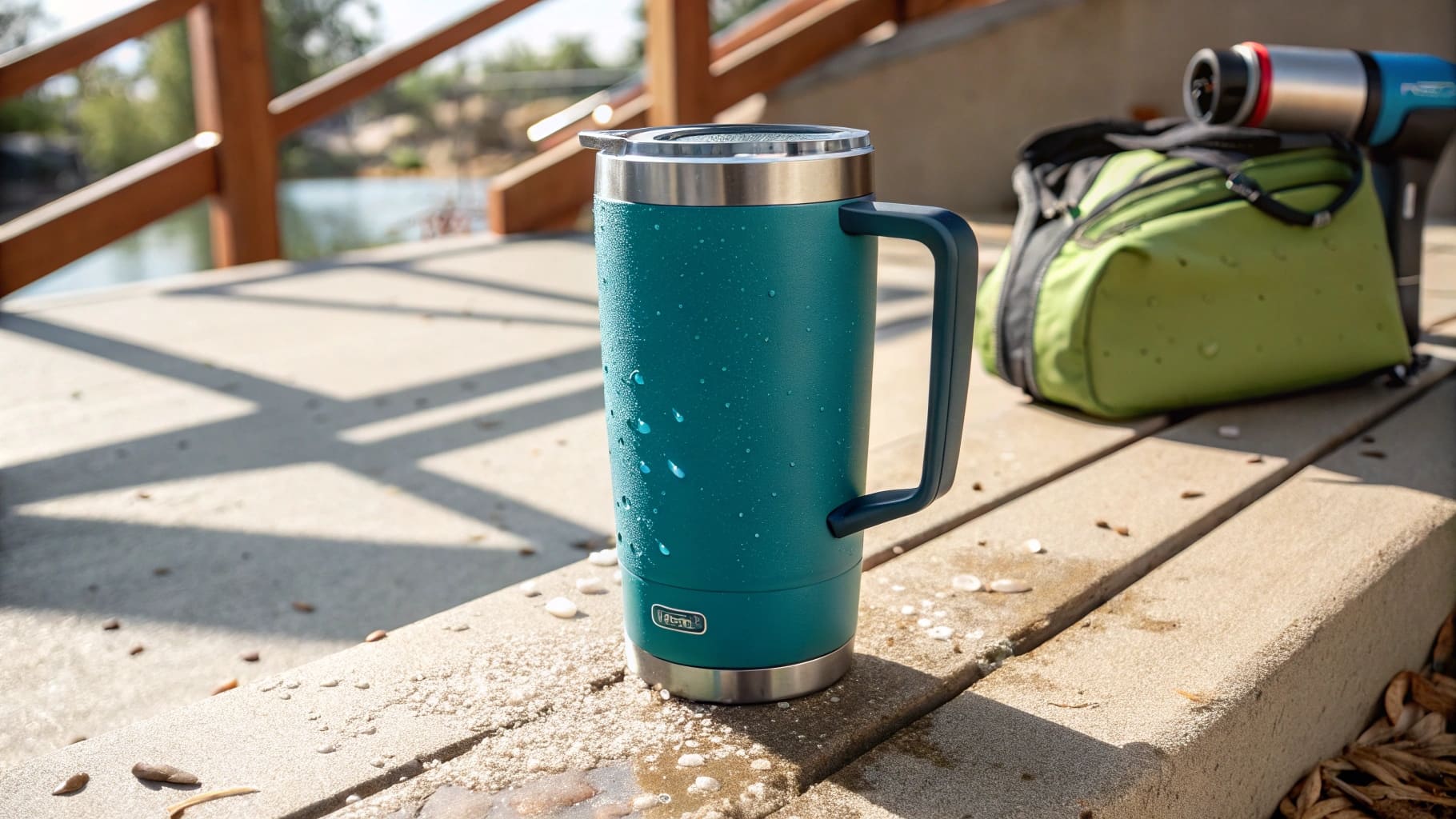
Understanding size preferences across customer segments
I need to share something most suppliers will not tell you. The "most popular" size depends on what you measure. Are we talking about daily cafe orders or merchandise purchases? These two things differ significantly.
For daily takeout service, the 16 oz dominates. Customers order mediums out of habit. They want their usual drink. You cannot change this behavior easily.
For merchandise sales, I see a different pattern. The 12 oz and 20 oz sizes often outsell the 16 oz option. This seems contradictory but makes sense when you think about it.
Customers buying merchandise want something special. The 12 oz tumbler offers premium portability. It feels different from their regular cup. The 20 oz provides extra capacity for all-day use. Both represent an upgrade from their normal routine.
The 16 oz tumbler works better as a takeout vessel included with drink purchases. Some cafes give a small discount when customers bring their own 16 oz tumbler. This drives adoption without inventory risk.
Here is how I recommend cafes structure their tumbler program:
Takeout service line:
- Stock 16 oz tumblers as your primary size
- Offer these at wholesale cost plus small markup
- Include them in loyalty programs or drink bundles
- Focus on durability and daily-use features
Retail merchandise line:
- Display all three sizes: 12 oz, 16 oz, and 20 oz
- Price the 12 oz as your premium compact option
- Position the 20 oz for maximum capacity needs
- Add customization like laser engraved logos or screen printing
Double-walled insulation matters more than size for customer satisfaction. I use vacuum insulation in all my tumblers. This keeps coffee hot for 6-8 hours while keeping the outer surface cool to touch. Customers care about this feature because burned fingers ruin their experience.
The combination of right sizes and good insulation creates a product people actually use. Used products get seen by other potential customers. This word-of-mouth marketing drives more sales than any advertising.
Conclusion
The 12-20 oz range gives cafes everything they need for successful tumbler programs. Match your sizes to customer segments, choose packaging that protects your investment, and focus on features that enhance daily use. This approach builds both takeout efficiency and retail revenue.