
Are Tumblers Good for Both Hot and Cold? Thermal Metrics for B2B Buyers
Choosing the wrong tumbler for your product line costs you customers. Poor heat retention means complaints. Poor cold retention means returns. Here is what you actually need to know.
A good double-wall vacuum insulated stainless steel tumbler keeps hot drinks above 60°C for at least 6 hours. It keeps cold drinks iced for 24 hours or more. These numbers are not marketing claims. They come from third-party lab tests. Any supplier worth your time can hand you that documentation on request.
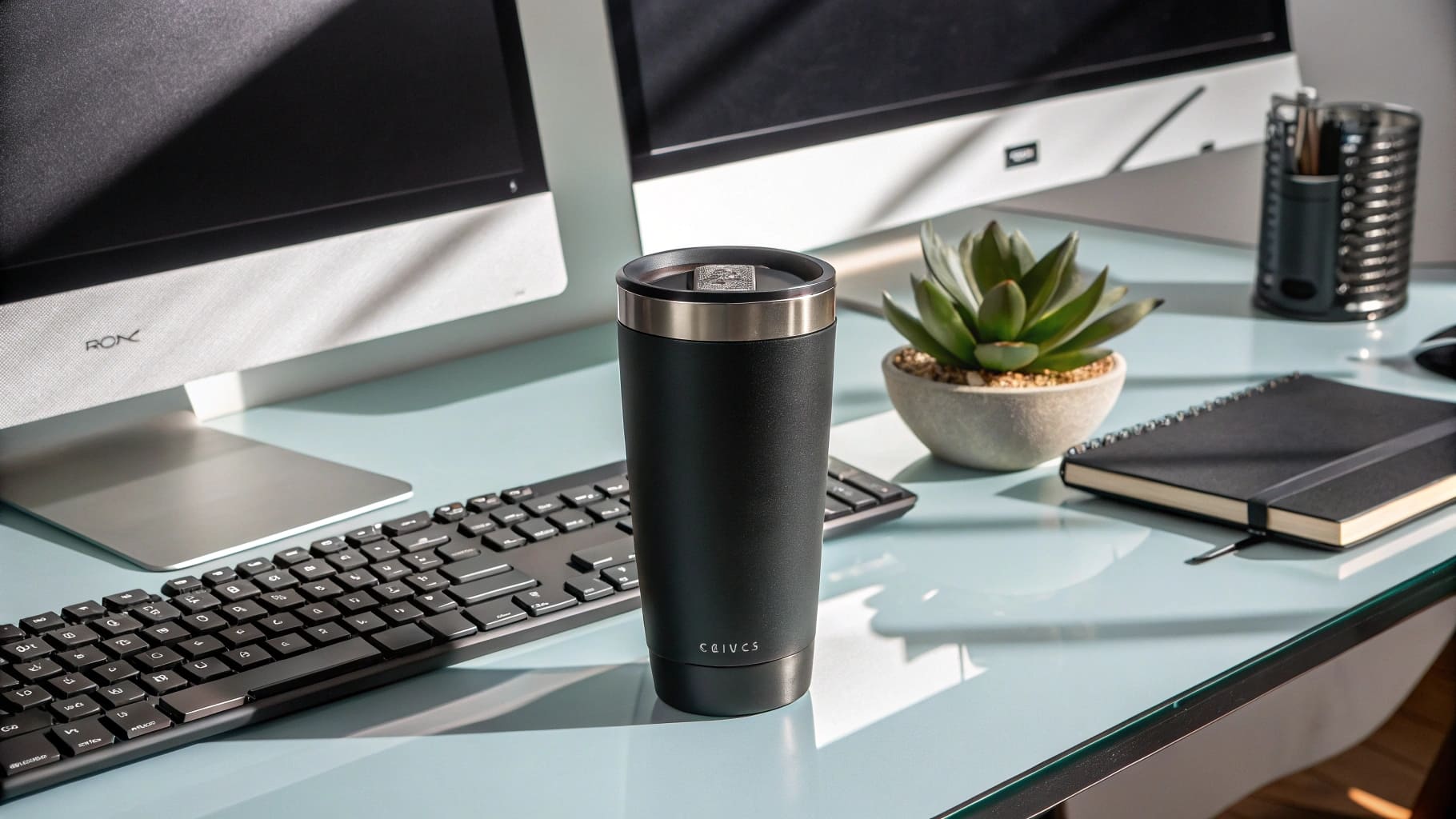
The tumbler market has changed. Buyers used to ask, "are tumblers still popular?" Now they ask, "which tumbler fits my brand strategy?" That shift matters. It means the bar has moved. Basic insulation is no longer enough to win shelf space or corporate contracts. I have watched this change happen across the buyers I work with. The ones who understood it early are still ahead.
Are Tumblers Still Trending?
The market looks strong. But strong does not mean simple. If you are buying tumblers to resell or distribute, you need to know exactly where the demand is moving.
Double-wall vacuum insulated tumblers are still in high demand through 2024 and into 2025.1 The push away from single-use plastics is the main driver. Corporate gifting, retail, and promotional merchandise sectors are all buying. The question is no longer whether tumblers sell. The question is which tumblers sell and to whom.
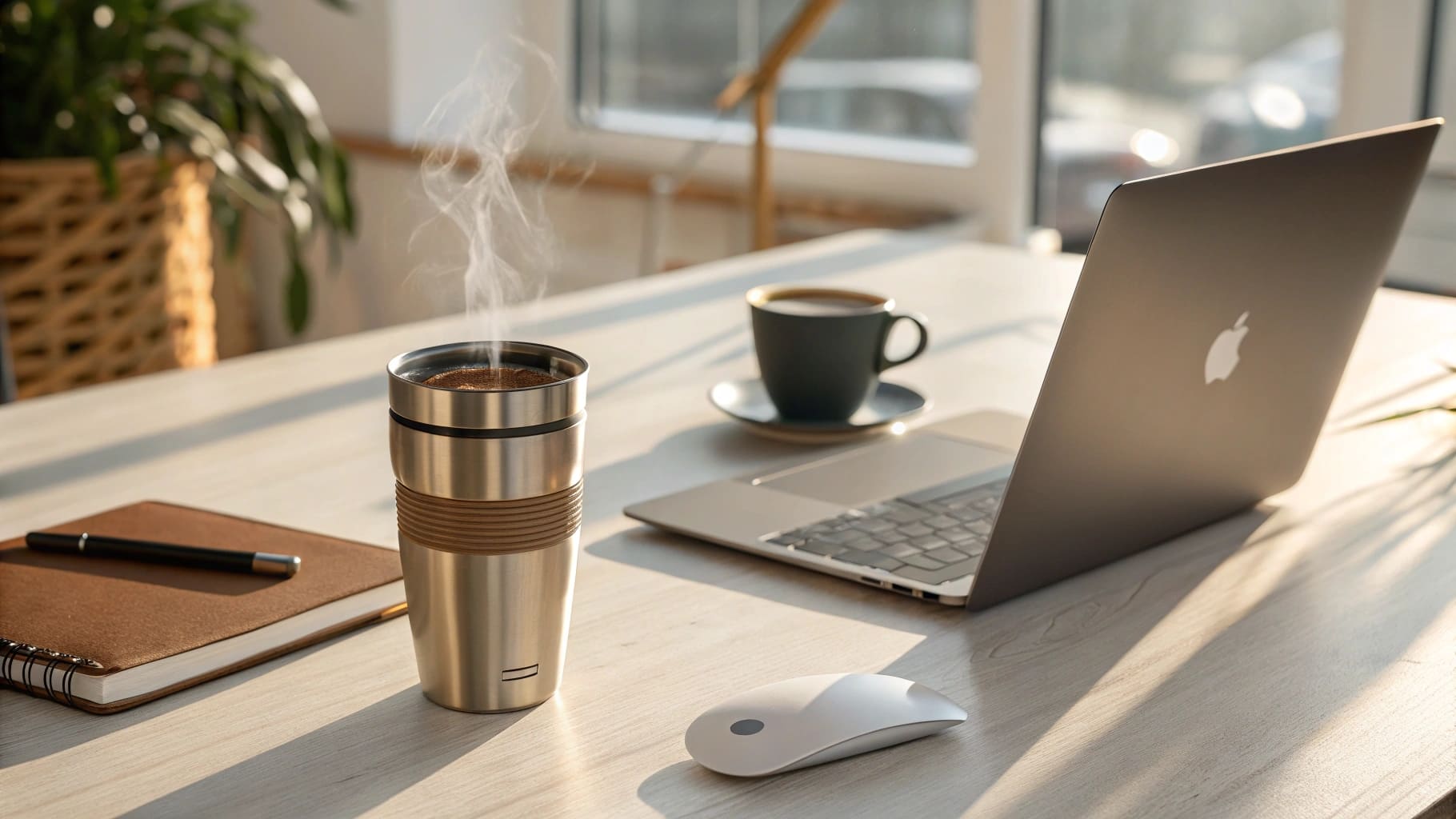
The trend is maturing. That word matters. A maturing trend does not mean declining. It means buyers are more selective. Early in a trend, almost anything sells. Later, only the better products hold their position. Here is what B2B buyers are now treating as standard, not optional:
| Feature | Why It Matters Now |
|---|---|
| Powder-coated finish | Protects branding, adds texture, improves grip |
| Modular lid system | Reduces leaks, supports multiple drink types |
| BPA-free certification | Required by most retail and corporate buyers |
| Food-grade 304 or 316 stainless steel | Directly linked to taste, safety, and durability |
I work with buyers who used to ask only about price and lead time. Now they ask about material grade first. That tells you where the market is. Differentiation has become the real competitive field. A tumbler that looks good and has the right certifications is the entry point. What sets a supplier apart is whether they can go beyond that. Can they match a Pantone color? Can they offer co-branded packaging? Can they scale quickly? Those are the questions that close deals now.
Why Are the Tumblers Used to Ship Hot Drinks Not Made of Metals?
This question comes up more than you might expect. And the short answer is: the good ones are made of metal.
Premium tumblers for hot beverages are made from stainless steel. The confusion comes from disposable coffee cups used in high-volume cafe settings. Those use paper or plastic because the cost per unit has to stay near zero. That is a completely different use case.
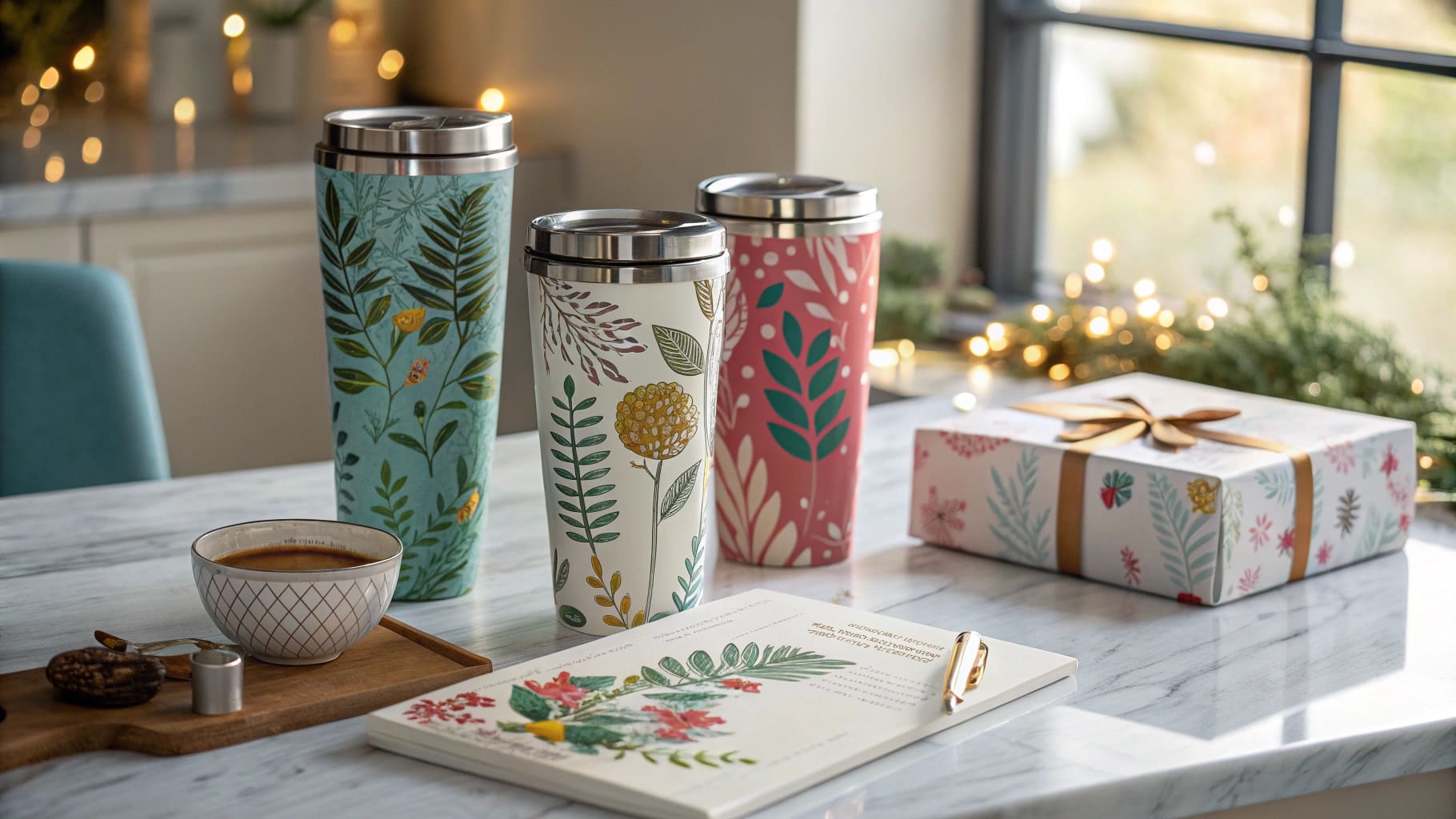
Let me break this down clearly, because it matters for how you talk to your own customers and how you evaluate your suppliers.
A single-wall metal cup conducts heat directly to the outer surface.2 Touch it and you get burned. That is a safety problem. No serious brand ships hot drinks in single-wall metal cups.
A double-wall vacuum-sealed tumbler works differently. There is a gap between the inner and outer wall. That gap is sealed under vacuum. Heat cannot travel across a vacuum easily.3 So the outside stays cool to the touch. The drink stays hot inside. This is the core technology behind every quality stainless steel tumbler on the market.
Here is where material grade becomes important:
| Steel Grade | Chromium Content | Best Use Case | Temperature Performance |
|---|---|---|---|
| 201 Stainless Steel | Lower | Budget products, short use cycle | Acceptable, but degrades faster |
| 304 Stainless Steel | 18% Cr, 8% Ni | Standard B2B and retail | Strong, food-safe, widely certified |
| 316 Stainless Steel | 16% Cr, 10% Ni, 2% Mo | High-demand, premium applications | Superior resistance to heat and corrosion |
I always tell buyers to check the inner wall grade first. The inner wall is what touches the drink. If a supplier cannot tell you what grade the inner wall is made from, that is a red flag. It either means they do not know, or they are using 201 and hoping you do not ask. For a B2B buyer whose reputation depends on the product, that distinction is not a detail. It is the whole point.
What Makes a Tumbler Brand Top?
Not every supplier that claims to be premium actually is. The difference between a top-tier tumbler brand and a mid-tier one is not always visible from a product photo.
The best tumbler brands in the B2B space stand on three things: proven performance, supply chain honesty, and the ability to keep innovating. All three have to be present. One or two out of three is not enough.
Let me go through each one in detail, because each one affects your business differently.
Performance means documented thermal metrics. Hot drinks should stay above 60°C for a minimum of 6 hours. Cold drinks should hold ice for 24 hours or more. These numbers should come from third-party test reports, not from the supplier's own marketing sheet. Any supplier that gives you performance numbers without test documentation is asking you to trust a claim, not a result. That is a risk you should not take when your brand name goes on the product.
Supply chain transparency is harder to verify, but it is critical. This means knowing exactly what grade of steel the supplier is sourcing. It means understanding where that steel comes from. It means asking whether the factory can provide FDA, LFGB, or California Prop 65 compliance documentation. It also means knowing how flexible their MOQ is. A supplier who only works with very large orders may not be the right fit if you need to test a new SKU with a smaller run first.
Innovation is what separates suppliers who are building something from suppliers who are just filling orders. The best suppliers I know are already working on things like antimicrobial interior coatings, next-generation leak-proof lid engineering, and packaging that meets sustainability requirements without adding cost. They do not wait for buyers to ask for these things. They bring them to the table.
Here is a quick comparison of what separates top-tier from mid-tier in the B2B context:
| Category | Mid-Tier Supplier | Top-Tier Supplier |
|---|---|---|
| Thermal Performance | Marketing claims only | Third-party lab reports available |
| Material Certification | General statement | Grade-specific documentation per batch |
| Customization | Logo printing only | Color matching, texture, co-branded packaging |
| Compliance | Basic | FDA, LFGB, Prop 65 ready |
| R&D Activity | Reactive | Proactive, regular product updates |
| MOQ Flexibility | Fixed, high minimums | Tiered options for different buyer stages |
When I evaluate a new supplier, I run through this list. Not because I enjoy paperwork, but because every gap in that list is a future problem. A missed certification costs you a retail account. A failed thermal test costs you a customer relationship. A supplier with no R&D pipeline means you are selling the same product your competitor sold last year.
Top tumbler brands earn that status because they make it easy for B2B buyers to say yes with confidence. That is the real metric.
Conclusion
Good tumblers work for both hot and cold. The right steel grade, vacuum insulation, and verified performance data are what separate a reliable supplier from a risky one.
-
"Insulated Tumblers Market | Global Market Analysis Report - 2035", https://www.futuremarketinsights.com/reports/insulated-tumblers-market. A market or institutional report should document recent growth or sustained demand in reusable drinkware or insulated bottles; if the source covers the broader reusable bottle market, it provides contextual support rather than direct evidence for tumblers alone. Evidence role: statistic; source type: institution. Supports: Double-wall vacuum insulated tumblers remain in strong demand in 2024 and 2025.. Scope note: Many public sources aggregate tumblers with reusable bottles, travel mugs, or drinkware, so the support may not isolate this exact product category. ↩
-
"List of thermal conductivities - Wikipedia", https://en.wikipedia.org/wiki/List_of_thermal_conductivities. A physics or engineering source can support that metals have relatively high thermal conductivity and that a single-wall metal vessel transfers heat readily from hot liquid to its exterior surface. Evidence role: mechanism; source type: education. Supports: Single-wall metal cups can transfer heat from the beverage to the outside surface quickly.. Scope note: The degree of surface heating depends on the metal alloy, wall thickness, beverage temperature, and exposure time. ↩
-
"Vacuum Flask - HyperPhysics", http://hyperphysics.phy-astr.gsu.edu/hbase/thermo/vacfla.html. A physics reference on vacuum flasks can support that removing gas between two walls greatly reduces conductive and convective heat transfer, leaving radiation as the primary remaining pathway. Evidence role: mechanism; source type: encyclopedia. Supports: The vacuum gap in a double-wall tumbler reduces heat transfer.. Scope note: A vacuum does not eliminate all heat transfer; radiation and imperfect seals still allow gradual heat exchange. ↩