
Are Titanium Hip Flasks Worth the Premium Versus Stainless for OEM 2026?
I just got off a call with a supplier pitching titanium hip flasks at triple the price. My profit margins flashed before my eyes. The pitch sounded great, but would my Canadian customers actually pay for it?
For most OEM buyers1 in 2026, titanium hip flasks are not worth the premium over stainless steel. Stainless steel 304 and 316 deliver excellent performance at accessible prices. Titanium only makes sense for ultra-premium outdoor or medical-grade markets where customers justify the 3-4x cost increase.
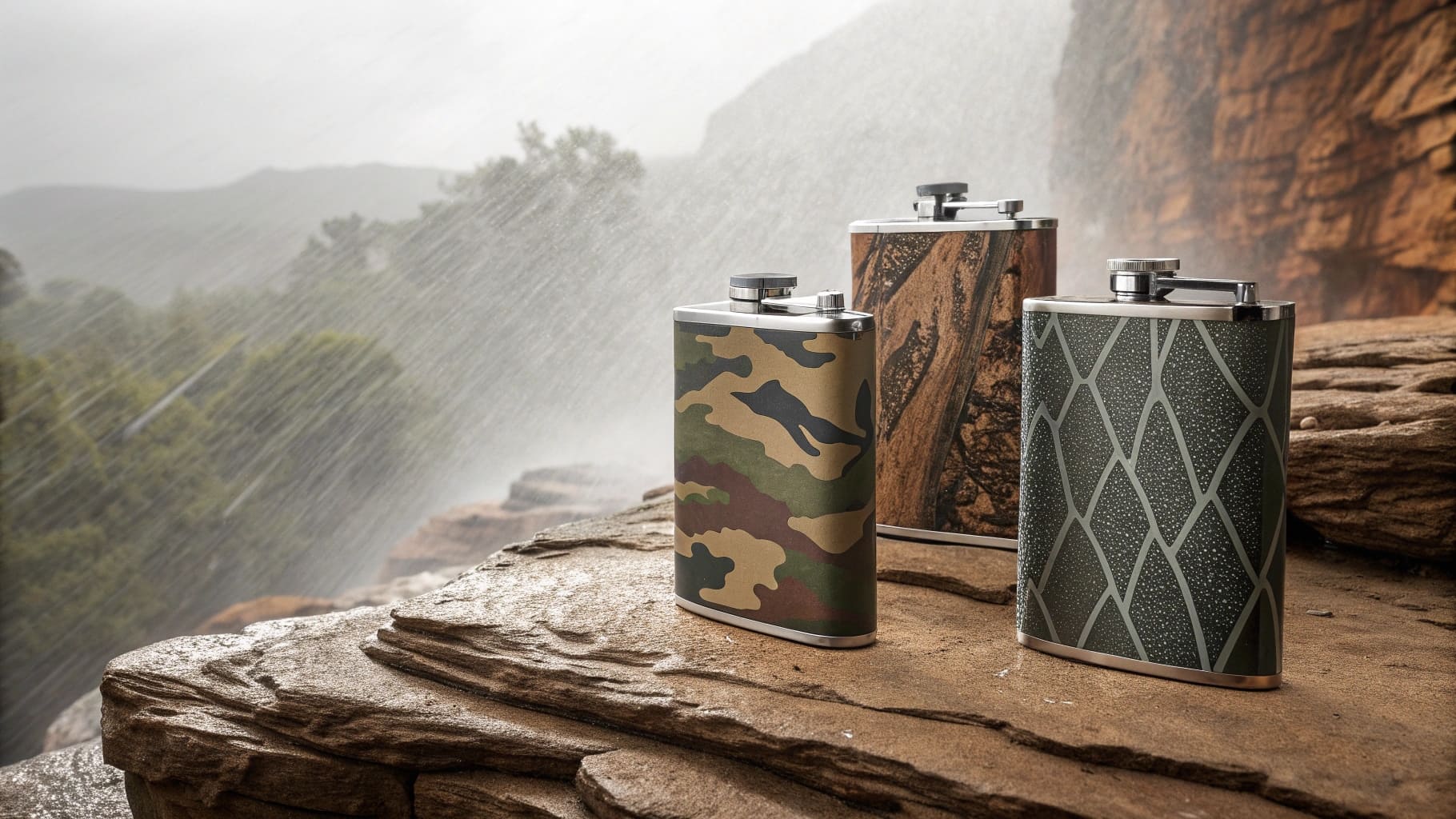
I have been sourcing stainless steel water bottles from China for years. Every time a new material trend appears, I need to decide fast. The wrong choice means dead inventory or missed sales. Let me walk you through what I learned about titanium versus stainless steel for 2026 OEM programs.
Is Titanium Worth More Than Stainless Steel?
I keep hearing titanium is the future of drinkware. My younger competitors are testing it. But when I look at my order books, something does not add up. Can titanium really justify its price tag?
Titanium costs 3-4 times more than stainless steel for hip flasks. The material itself is expensive. Manufacturing is harder. Unless your target market is willing to pay premium prices, stainless steel 304 or 316 offers better value for most B2B programs.
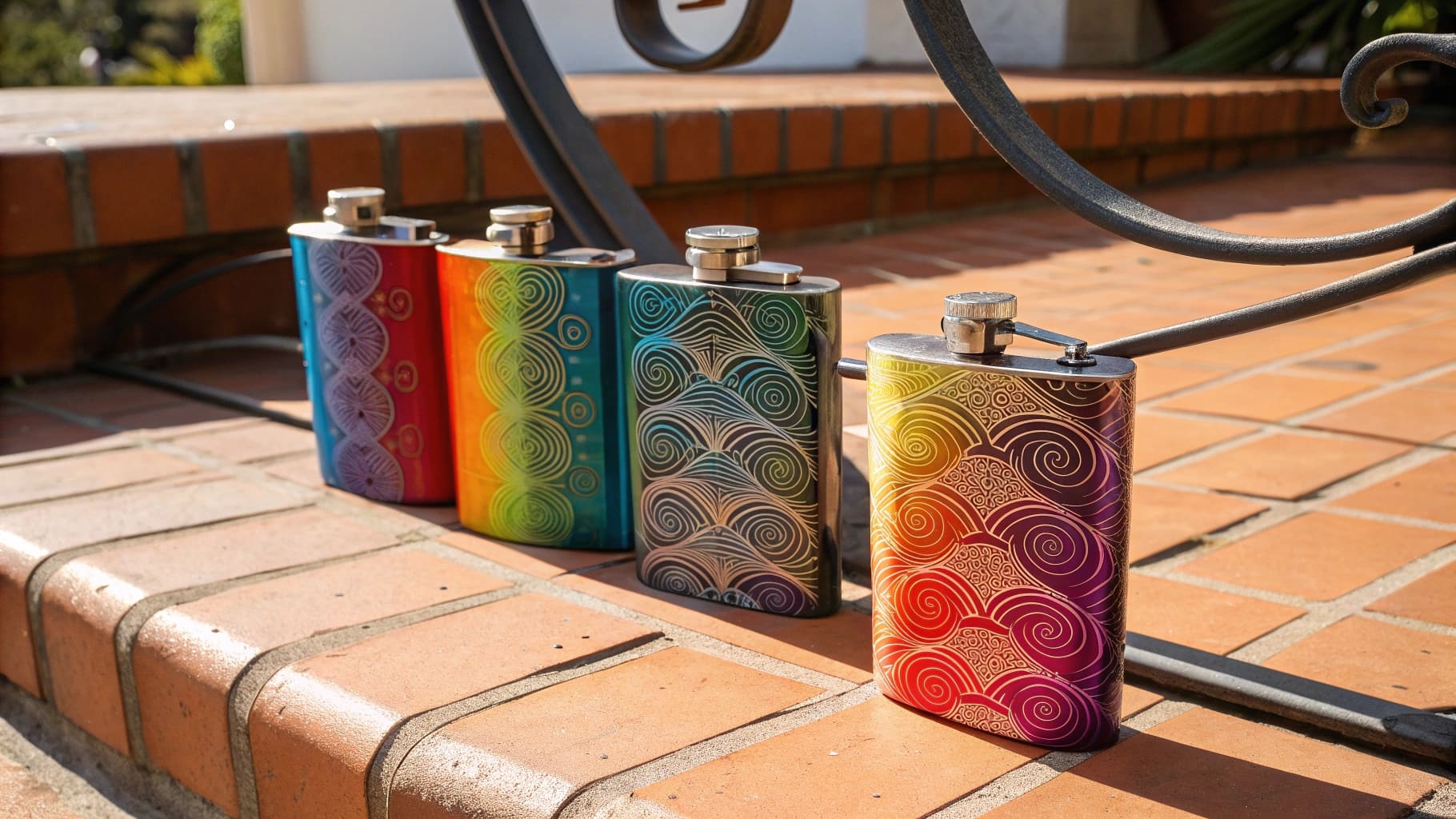
Breaking Down the Real Costs
I made a comparison table last month when evaluating a new product line. The numbers were eye-opening.
| Material | Raw Material Cost | Manufacturing Difficulty | Target Market | Price Point |
|---|---|---|---|---|
| Titanium | Very High (3-4x SS304) | Complex welding, limited finishing | Ultra-premium outdoor, medical | Premium only |
| SS 316 | High | Moderate, good formability | Medical-grade, marine applications | Mid-to-high |
| SS 304 | Middle | Easy, excellent formability | General drinkware, promotional products | Entry-to-mid |
I called three of my regular Chinese suppliers. They all said the same thing. Titanium requires specialized equipment. Their lead times are longer. Minimum order quantities go up. One supplier told me they need to outsource titanium welding because their regular team cannot handle it.
The real question is not whether titanium is better. It is whether your customers care. I sell mostly to corporate buyers and small retailers across Canada. They want good quality at prices that let them mark up 50-70%. Titanium makes that math impossible for most of them. When I tried to introduce a titanium option last year, only two clients showed interest. Both backed out when they saw the final pricing.
What Is the Downside of Titanium?
Everyone talks about titanium being lightweight and corrosion-resistant. But nobody mentions the problems until you are already committed. I learned this the hard way on a small test order. What surprises should OEM buyers expect?
Titanium's main downsides are very high material costs, limited customization options2, longer production timelines, and market readiness issues. Most customers do not yet understand or value titanium enough to accept the premium pricing it requires.

The Hidden Challenges Nobody Warns You About
I thought high cost was the only issue. I was wrong.
First, customization becomes much harder. My stainless steel supplier can match almost any Pantone color with powder coating. For titanium, the options shrink dramatically. Anodizing works, but the color range is limited. Laser engraving looks different on titanium than stainless steel. I had to redo my entire branding mockup.
Second, certification takes longer. I need FDA approval for all my drinkware. My supplier's stainless steel 304 products have standard certificates ready. For titanium, we needed extra testing. That added six weeks to my timeline. I almost missed my product launch because of it.
Third, the supply chain3 is less mature. I work with suppliers in Guangdong and Zhejiang. They all have deep expertise in stainless steel. For titanium, only a few factories really know what they are doing. When production issues happen, troubleshooting takes forever. Last year, a titanium batch had welding defects. It took three weeks just to figure out what went wrong.
Real Market Feedback from My Customers
| Customer Type | Interest Level | Main Objection |
|---|---|---|
| Corporate promotional buyers | Low | Price too high for giveaways |
| Outdoor retail chains | Medium | End customers prefer brand over material |
| Medical equipment distributors | High | Willing to pay for bio-compatibility |
| Small boutique stores | Low | Cannot afford the inventory risk |
I surveyed 20 of my regular customers last quarter. Only three said their end buyers would pay extra for titanium. Even those three wanted proof that titanium offers something stainless steel cannot deliver. "Lighter weight" was not enough. They needed a compelling story, and I could not give them one that justified doubling retail prices.
Does Titanium Scratch Easier Than Stainless Steel?
Scratch resistance matters a lot for hip flasks. People carry them in backpacks, pockets, and glove compartments. A scratched product looks cheap. One customer returned an entire order because of surface damage. So which material holds up better?
Both titanium and stainless steel offer good scratch resistance with proper finishing. Stainless steel provides more flexibility for protective coatings and surface treatments. For practical use, properly finished stainless steel performs as well as titanium at lower cost.
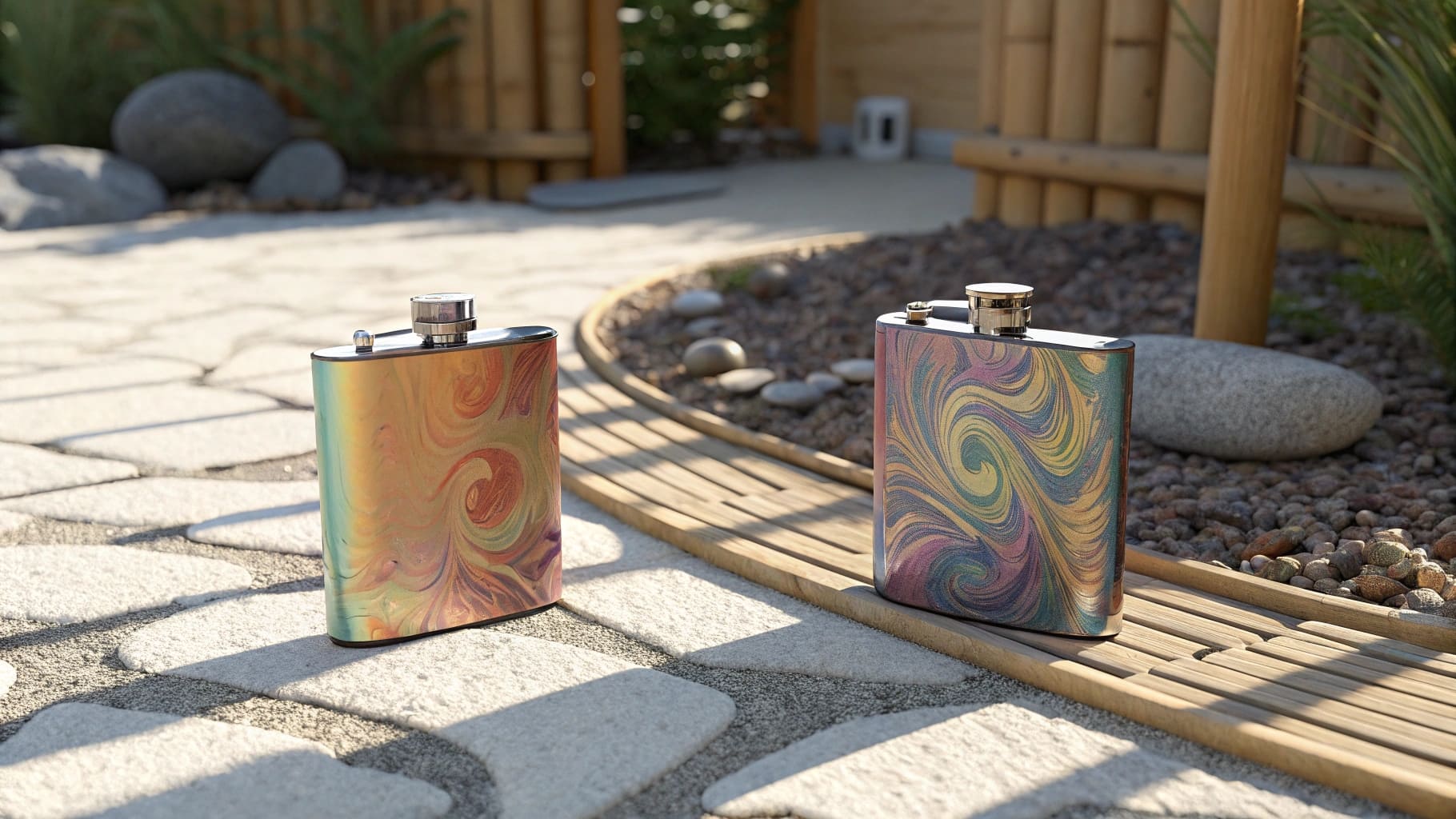
Comparing Surface Durability in Real Conditions
I ran my own test last winter. I took three hip flasks—one titanium, one SS316, one SS304 with powder coating. I threw them in my truck toolbox with wrenches and screwdrivers for two months. All three survived, but with different results.
The titanium flask showed fine surface marks but no deep scratches. The bare SS316 had similar wear patterns. The powder-coated SS304 looked almost new. The coating protected it better than either bare metal.
Here is what I learned about scratch resistance:
Surface Treatment Options
| Treatment | Works on Titanium | Works on Stainless Steel | Durability | Cost Impact |
|---|---|---|---|---|
| Powder coating | Limited | Excellent | Very good | Low |
| Anodizing | Yes | No | Good | Medium |
| PVD coating | Yes | Yes | Excellent | High |
| Brushed finish | Yes | Yes | Hides scratches well | Low |
| Mirror polish | Yes | Yes | Shows every scratch | Low |
My supplier explained that stainless steel accepts more coating types. This gives us better options for brand differentiation. One client wanted a matte black finish that felt premium but hid daily wear. We did it easily with powder-coated SS304. The titanium alternative would have cost 60% more and offered fewer color options.
The scratch resistance story is not about which metal is harder. It is about which gives you better finishing options at prices your customers will pay. For my business model, stainless steel wins because I can offer durable, attractive finishes that fit different price points. Titanium locks me into premium-only positioning.
Conclusion
For 2026 OEM programs, stainless steel delivers better value than titanium for most B2B buyers. Focus your budget on stainless steel 304 or 316 unless targeting ultra-premium niches.