
Are Stainless Steel Straws LFGB, FDA, and Prop 65 Compliant for Wholesale?
You place a large wholesale order for stainless steel straws. Your shipment arrives. Then customs blocks it because you lack proper compliance documents. This nightmare happens more often than you think.
Yes, stainless steel straws can be LFGB, FDA, and Prop 65 compliant for wholesale. However, compliance depends on the material grade used and whether your supplier provides proper certification documentation to verify regulatory standards are met.
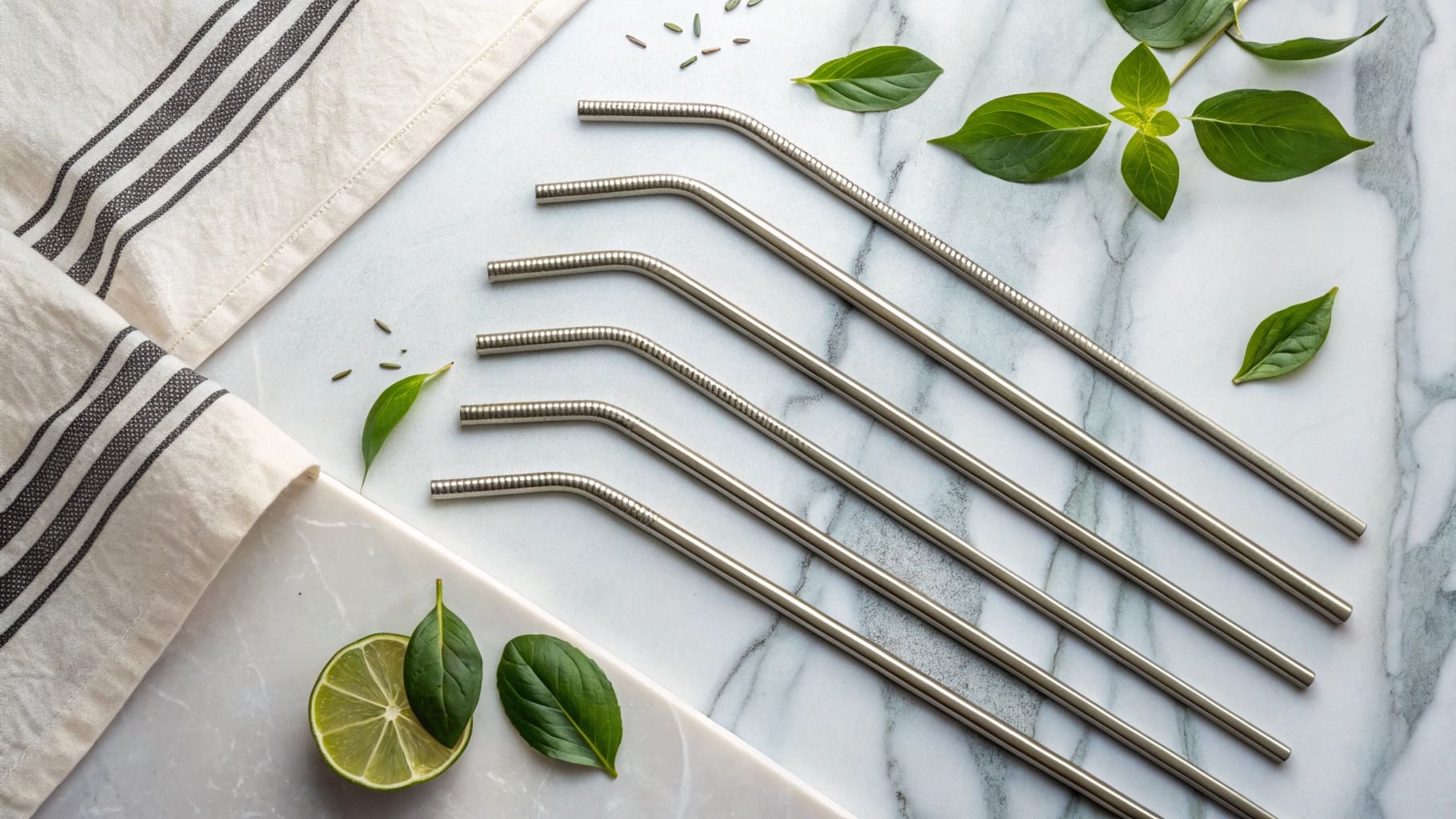
I have worked with hundreds of wholesale buyers over the past decade. The most common mistake I see is assuming all stainless steel straws meet compliance standards. They do not. Last year, I had a customer from California who learned this the hard way. His shipment got held at customs for three weeks. He missed his entire summer sales season. The reason was simple. He never asked his previous supplier for Prop 65 certification. When I finally helped him source compliant straws from our factory, he told me the delay cost him over fifty thousand dollars in lost revenue. This article will help you avoid making the same costly mistake.
Is It Safe to Drink from Stainless Steel Straws?
You hand out promotional straws at a corporate event. A customer asks if they are safe for children. You suddenly realize you cannot answer this basic question. Your brand reputation is now at risk.
Drinking from stainless steel straws is safe when they are made from food-grade 3041 or 316 stainless steel. These materials have low migration rates of harmful substances and resist corrosion effectively, making them suitable for repeated contact with beverages.
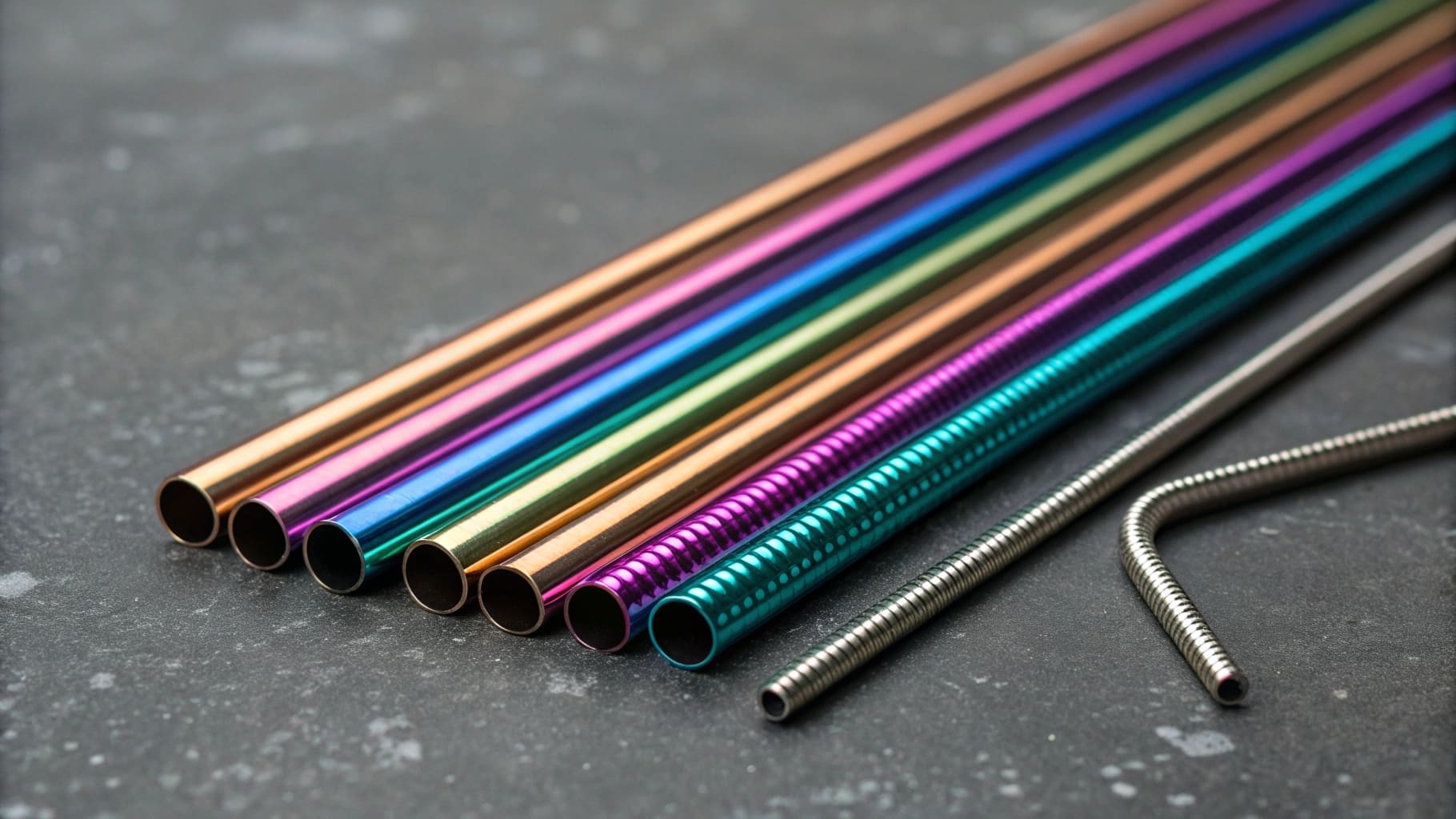
I remember when a startup founder contacted me three years ago. He wanted to launch a zero-waste brand. His main product was reusable straws2. He asked me directly, "Aries, are your straws actually safe, or is this just marketing talk?" I appreciated his honesty. I showed him our material composition reports. I walked him through our manufacturing process. I explained why 304 stainless steel works well for beverage contact.
Safety in stainless steel straws comes down to three main factors. First, you need the right material grade. Second, the manufacturing process must be clean and controlled. Third, the surface finish should be smooth to prevent bacterial growth.
Let me break down what makes stainless steel straws safe:
| Safety Factor | 304 Stainless Steel | 316 Stainless Steel |
|---|---|---|
| Chromium Content | Above 18% | Above 16% |
| Nickel Content | Above 8% | Above 10% |
| Corrosion Resistance | Good | Excellent |
| Food Contact Safety | Yes | Yes |
| BPA Content | Zero | Zero |
| Lead Content | Zero | Zero |
| Dishwasher Safe | Yes | Yes |
| Rust Resistance | High | Higher |
Both 304 and 316 grades are austenitic stainless steel. This means they have a stable structure that does not react with most beverages. The chromium in the steel forms a protective layer on the surface. This layer prevents rust and corrosion. The nickel adds strength and maintains the protective qualities.
I have sent stainless steel straws to testing labs many times. The results always show the same thing. When you use proper food-grade stainless steel, the migration of metal elements into beverages stays well below safety limits. Even with acidic drinks like orange juice or cola, the straws remain stable.
One important detail most suppliers skip over is surface finishing. After forming the straw, we polish the inside and outside surfaces. This removes any rough edges or potential contamination from the manufacturing process. A smooth surface is easier to clean. It also prevents bacteria from hiding in tiny crevices. This is why I always recommend straws that have been properly polished and cleaned before packaging.
What Is the Safest Material for Straws?
Your customer places a large order. They want the absolute safest material available. You need to recommend something, but you are not sure which material offers the best protection. Making the wrong choice could end your business relationship.
The safest materials for straws are food-grade 304 and 316 stainless steel. Both materials are non-toxic, BPA-free, lead-free, and highly resistant to rust and corrosion, making them ideal for long-term beverage contact without health risks.
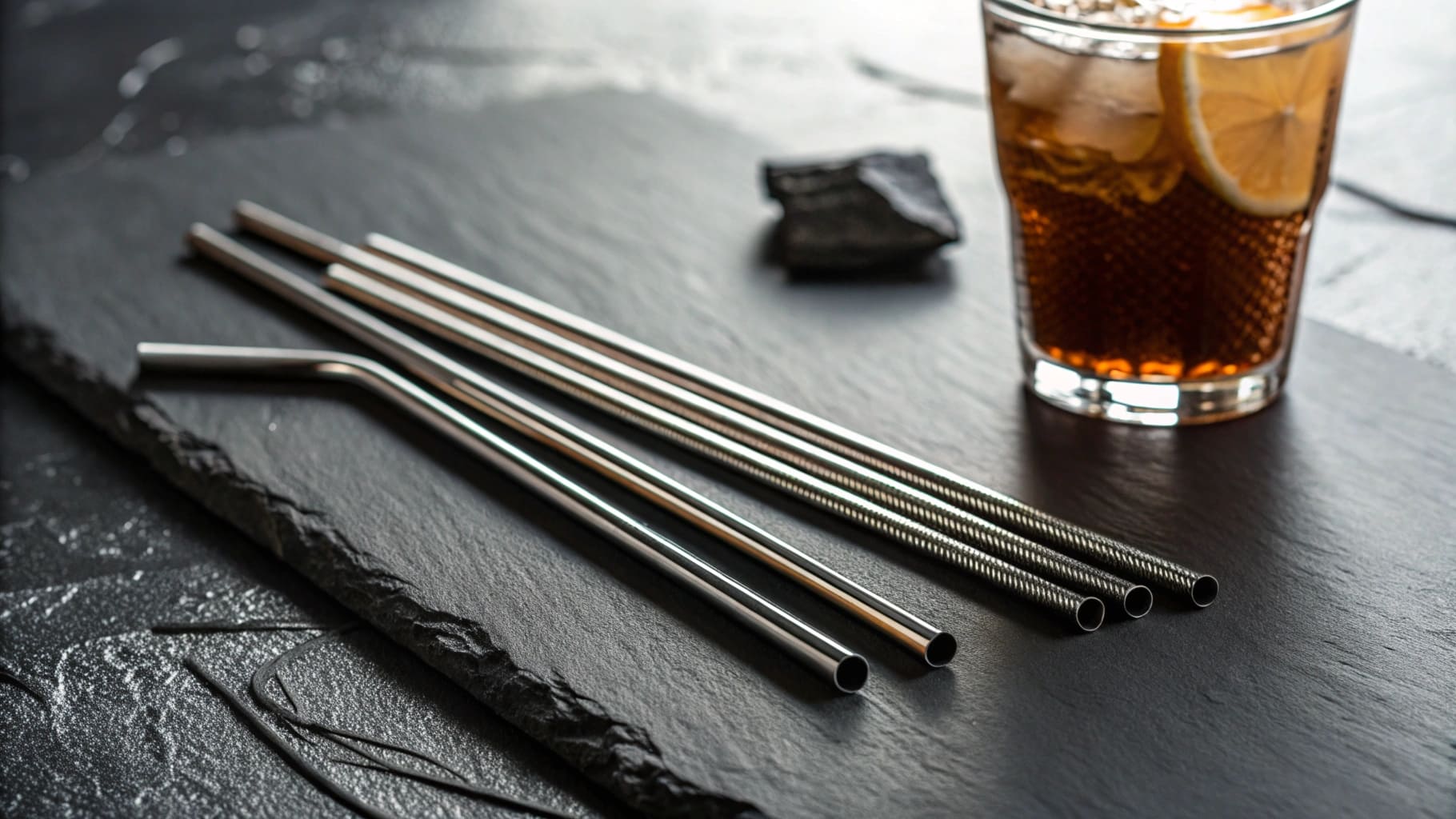
I have been in this industry for many years. I have seen material trends come and go. Plastic straws dominated for decades. Then came paper straws. Then bamboo. Then glass. Then silicone. Now stainless steel has become the gold standard for reusable straws.
The reason is simple. Stainless steel outlasts everything else. It does not break down like plastic. It does not get soggy like paper. It does not crack like glass. It does not absorb flavors or colors like silicone.
Let me compare the most common straw materials:
| Material | Durability | Safety | Reusability | Cost | Environmental Impact |
|---|---|---|---|---|---|
| 304 Stainless Steel | Excellent | Excellent | Unlimited | Moderate | Very Low |
| 316 Stainless Steel | Excellent | Excellent | Unlimited | Higher | Very Low |
| Plastic (PP) | Poor | Moderate | Limited | Very Low | Very High |
| Paper | Very Poor | Good | Single Use | Low | Moderate |
| Bamboo | Poor | Good | Limited | Low | Low |
| Glass | Moderate | Good | Limited | Moderate | Low |
| Silicone | Good | Good | High | Moderate | Moderate |
I had a conversation with Mark, a buyer from Canada, last month. He asked me why he should pay more for 316 stainless steel when 304 works fine. I explained it this way. If your customers live in coastal areas or use the straws with highly acidic beverages regularly, 316 offers better long-term protection. The molybdenum content in 316 stainless steel provides superior resistance to chloride corrosion. This matters if someone uses the straw with saltwater drinks or lives near the ocean where salt air can cause corrosion over time.
For most wholesale applications, 304 stainless steel provides the best balance. It offers excellent safety. It resists normal corrosion. It costs less than 316. Your customers get a premium product without paying a premium price. I recommend 316 stainless steel only when your specific market demands it. For example, if you sell to restaurants near beaches or to customers who specifically request the highest grade available.
The key is understanding what "food-grade" actually means. Food-grade stainless steel must meet specific composition requirements. The steel cannot contain harmful levels of heavy metals. It must resist corrosion from food acids. It must not impart taste or odor to beverages. Both 304 and 316 meet all these requirements. They have been tested extensively. They are approved for food contact by regulatory agencies worldwide.
Is 316 Stainless Steel FDA Approved?
You receive an inquiry from a potential customer. They specifically want FDA-approved 316 stainless steel straws. You need to give them a confident answer backed by facts. Getting this wrong could mean losing a five-figure order.
Yes, 316 stainless steel is FDA approved for food contact applications. The material is listed in the FDA database as acceptable for use in equipment and utensils that come into contact with food and beverages under standard usage conditions.
Let me clear up a common misunderstanding. The FDA does not "approve" materials in the way most people think. The FDA maintains a list of substances that are generally recognized as safe for specific uses. This is called the GRAS list. Stainless steel grades 304 and 316 are both included for food contact use.
I have dealt with this question countless times. Here is what you need to know. The FDA regulates materials that contact food based on their composition and intended use. Stainless steel qualifies because it is stable. It does not leach harmful substances into food or beverages under normal conditions.
When I prepare compliance documents for customers, I include several key pieces of information:
| Compliance Aspect | 304 Stainless Steel | 316 Stainless Steel |
|---|---|---|
| FDA Recognition | Yes | Yes |
| LFGB Certified | Available | Available |
| Prop 65 Compliant | Yes | Yes |
| EU Food Contact | Yes | Yes |
| Heavy Metal Migration | Below Limits | Below Limits |
| Chemical Stability | Stable | Highly Stable |
| Temperature Resistance | Up to 400°C | Up to 400°C |
Here is what makes this confusing. The FDA does not issue certificates for stainless steel. Instead, the material inherently meets FDA requirements when it conforms to specific composition standards. A reputable supplier will provide you with material composition reports3. These reports show the exact percentages of chromium, nickel, and other elements in the steel. These percentages must fall within accepted ranges for food-grade classification.
I work with several testing laboratories. We regularly send samples for composition analysis. The test results confirm our steel meets food-grade standards. I provide these reports to customers who need documentation for customs clearance or retail requirements.
For LFGB compliance, which is the German and European standard, we send samples to accredited labs in Germany. The testing is more rigorous than FDA requirements. The labs test for migration of specific elements into food simulants. They test at different temperatures. They test with acidic and fatty food simulants. Our 316 stainless steel straws consistently pass all tests.
Prop 65 compliance is specific to California. This regulation requires businesses to warn consumers about significant exposures to chemicals that cause cancer or reproductive harm. Stainless steel straws made from proper food-grade materials do not contain these chemicals at levels that require warnings. I provide Prop 65 compliance statements with every shipment to California.
One customer from Los Angeles taught me an important lesson two years ago. She asked for all three certifications. I sent her the standard documents we provide. She came back and said her legal team needed more specific information. I worked with our testing lab to create a comprehensive compliance package. It included material composition reports, migration test results4, heavy metal analysis, and compliance statements for FDA, LFGB, and Prop 65. This package became our standard offering for wholesale customers.
The bottom line is this. Yes, 316 stainless steel is FDA recognized for food contact. But having the right material is only part of compliance. You also need proper documentation. You need a supplier who understands what different markets require. You need someone who can provide the certificates and test reports your customers demand.
Conclusion
Stainless steel straws can meet LFGB, FDA, and Prop 65 standards when made from proper food-grade materials and supported by verified compliance documentation from reputable suppliers.
-
Discover the safety features of food-grade 304 stainless steel for your products. ↩
-
Discover the environmental and health benefits of switching to reusable straws. ↩
-
Learn how these reports verify the safety and compliance of your products. ↩
-
Understanding migration tests helps ensure your straws are safe for use. ↩