
Are Stainless Steel Straws LFGB and Prop 65 Compliant for 2026 Wholesale?
If you are sourcing stainless steel straws for 2026, one failed compliance check can pull your product from shelves. That cost is real, and it is avoidable.
Most quality stainless steel straws made from food-grade 18/8 steel (SUS304) can meet both LFGB and California Prop 65 requirements1. However, compliance is not automatic. You must request third-party test certificates from your supplier before placing any wholesale order.
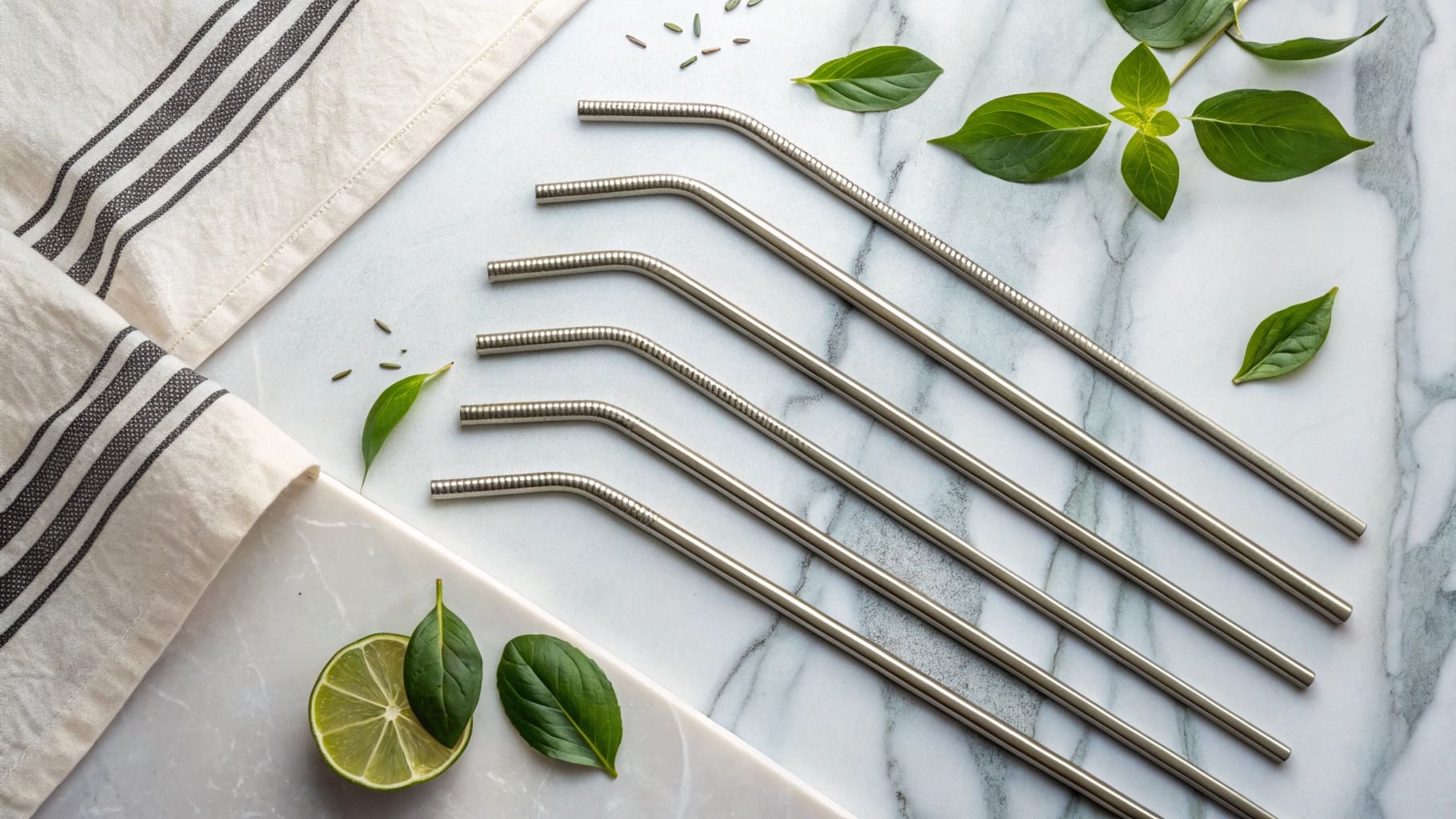
I have worked with buyers across North America and Europe for years. The ones who run into trouble are almost never buying bad products. They are buying good products without the right paperwork. That one missing document is what holds shipments at customs, triggers retailer audits, and kills a peak season. The rest of this article will walk you through what you actually need to know before you commit to a 2026 order.
Do Stainless Steel Straws Have PFAS?
PFAS contamination has become one of the top concerns for importers in 2025. One positive test result can pull your entire product line off the market overnight.
Genuine stainless steel straws do not contain PFAS2. They are made from metal alloys only, with no chemical coatings applied. PFAS risks come from coatings, not from metal itself3. As long as your supplier is not applying any surface treatment, PFAS is simply not part of the material.
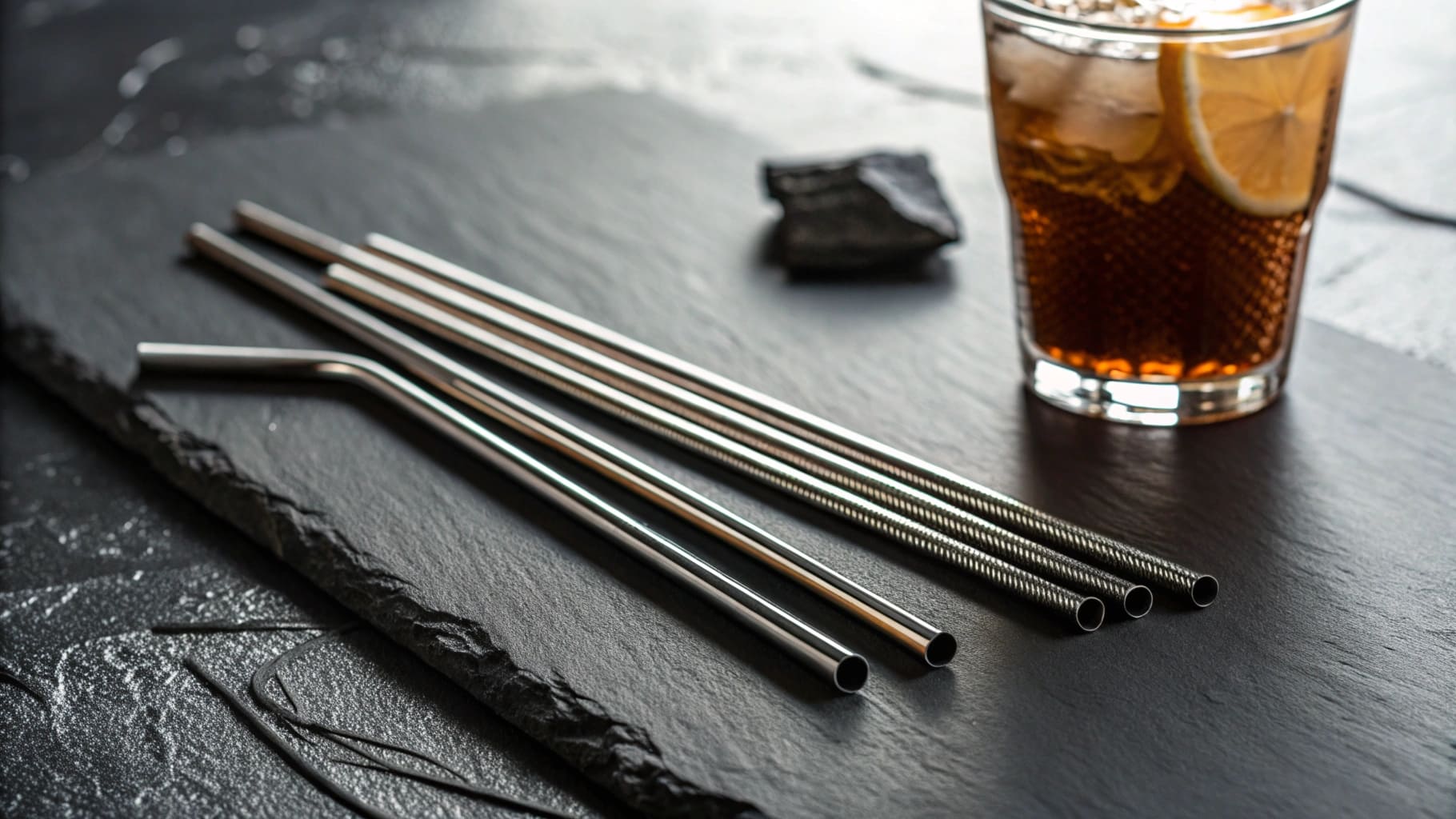
This is where I always tell buyers to slow down and ask one direct question: does this straw have any surface coating or treatment? Some factories apply a thin coating for appearance or branding. That coating may introduce risk. If the answer is yes, ask for the material safety data sheet for that coating.
Here is how I break down the PFAS risk by material type:
| Material | PFAS Risk | Why |
|---|---|---|
| 18/8 Stainless Steel (SUS304) | None | Pure metal alloy, no coatings |
| 18/10 Stainless Steel (SUS316) | None | Pure metal alloy, no coatings |
| Stainless steel with colored coating | Possible | Depends on coating chemistry |
| Plastic straws | High | Often use PFAS-based treatments |
| Bamboo straws | Low to moderate | May use surface sealants |
The core material itself is not the risk. The risk lives in what is added on top of it. A reputable factory will have no problem giving you a written confirmation that no PFAS coatings are used. If they hesitate, that hesitation is your answer.
For buyers targeting the EU or California, I also recommend asking for a test report that specifically addresses PFAS substances under the latest restricted substance lists. This adds a layer of protection that a simple product description cannot give you.
Are Stainless Steel Straws Okay?
"Okay" is a broad word. But I understand what buyers mean when they ask this. They want to know if these straws are safe, durable, and worth the investment at wholesale scale.
Yes, stainless steel straws are safe for regular use. Food-grade 18/8 stainless steel is non-toxic, BPA-free, lead-free, and plastic-free4. There is no metal aftertaste when the material is properly finished. They are dishwasher safe, rust-proof, and built to last for years.
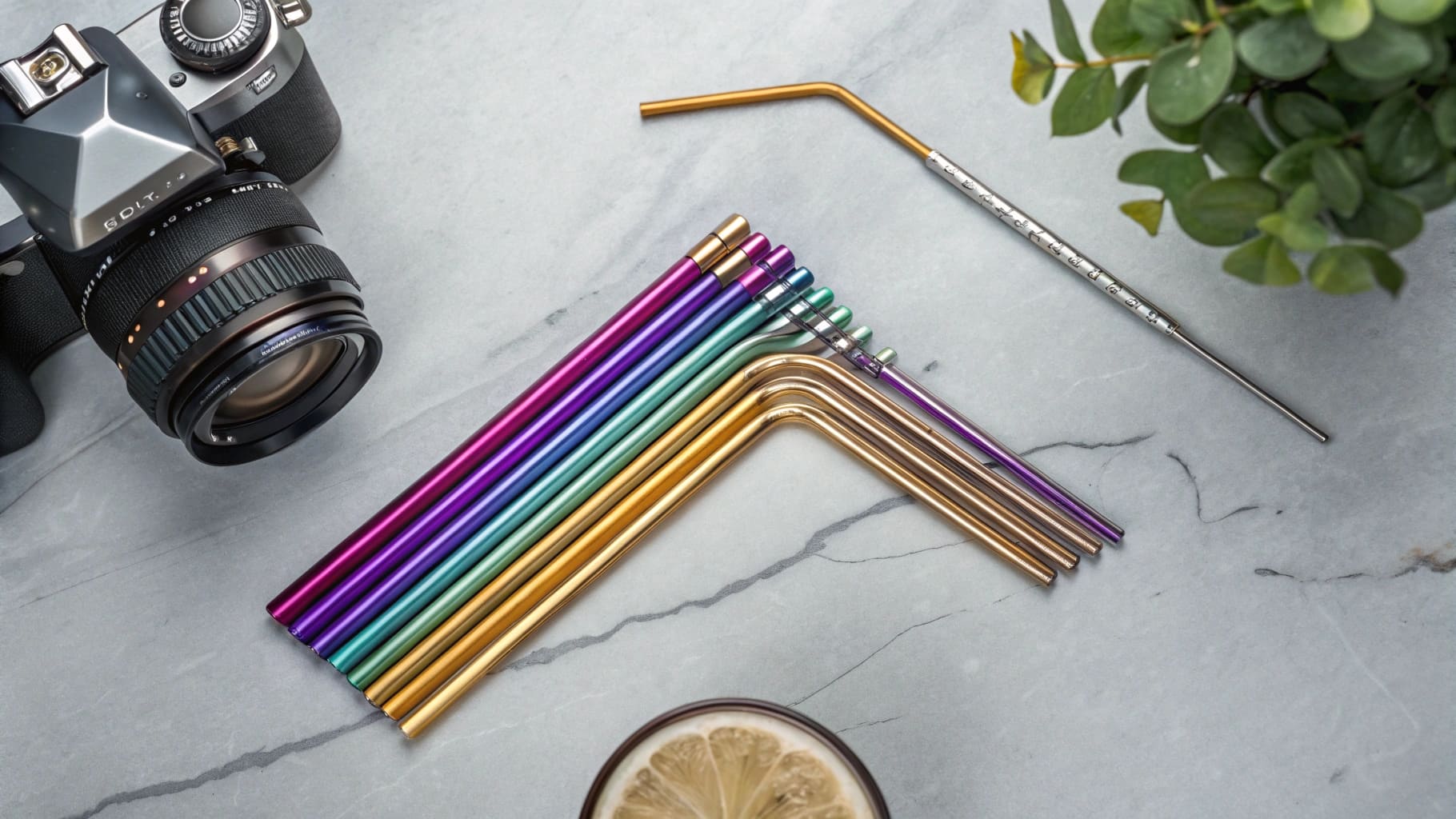
I have seen buyers come in skeptical about metal straws. Their concern is usually about taste, safety, or whether customers will actually use them. These are fair questions, and the answers come from the material composition itself.
SUS304 stainless steel is the same grade used in surgical instruments and food processing equipment5. That tells you a lot about where it sits on the safety scale. Here is a simple breakdown of what makes it suitable for food contact:
| Property | Detail |
|---|---|
| Chromium content | Greater than 18% |
| Nickel content | Greater than 8% |
| BPA | None |
| Lead | None |
| Plastic | None |
| Rust resistance | High |
| Dishwasher safe | Yes |
Beyond safety, the durability argument is strong for wholesale buyers. A single stainless steel straw can replace hundreds of plastic straws over its lifetime6. For a brand that is positioning itself on sustainability, that is a story worth telling.
From a quality control standpoint, I always check the edges and the inner surface finish before approving a bulk order. The rim should be smooth with no sharp edges. The inner wall should be clean with no visible roughness. These are not complicated checks, but they matter for the end user. A straw that feels uncomfortable will not be used, and a straw that is not used destroys your brand's value proposition.
Can Stainless Steel Straws Be Used in Hot Drinks?
Many buyers assume metal straws are only for cold drinks. That assumption costs them sales in the hot beverage category.
Yes, stainless steel straws can be used with hot drinks. They handle coffee, hot chocolate, and other warm liquids without any structural or chemical issue. The straw itself will conduct heat, so the outer surface may feel warm. This is normal and expected.
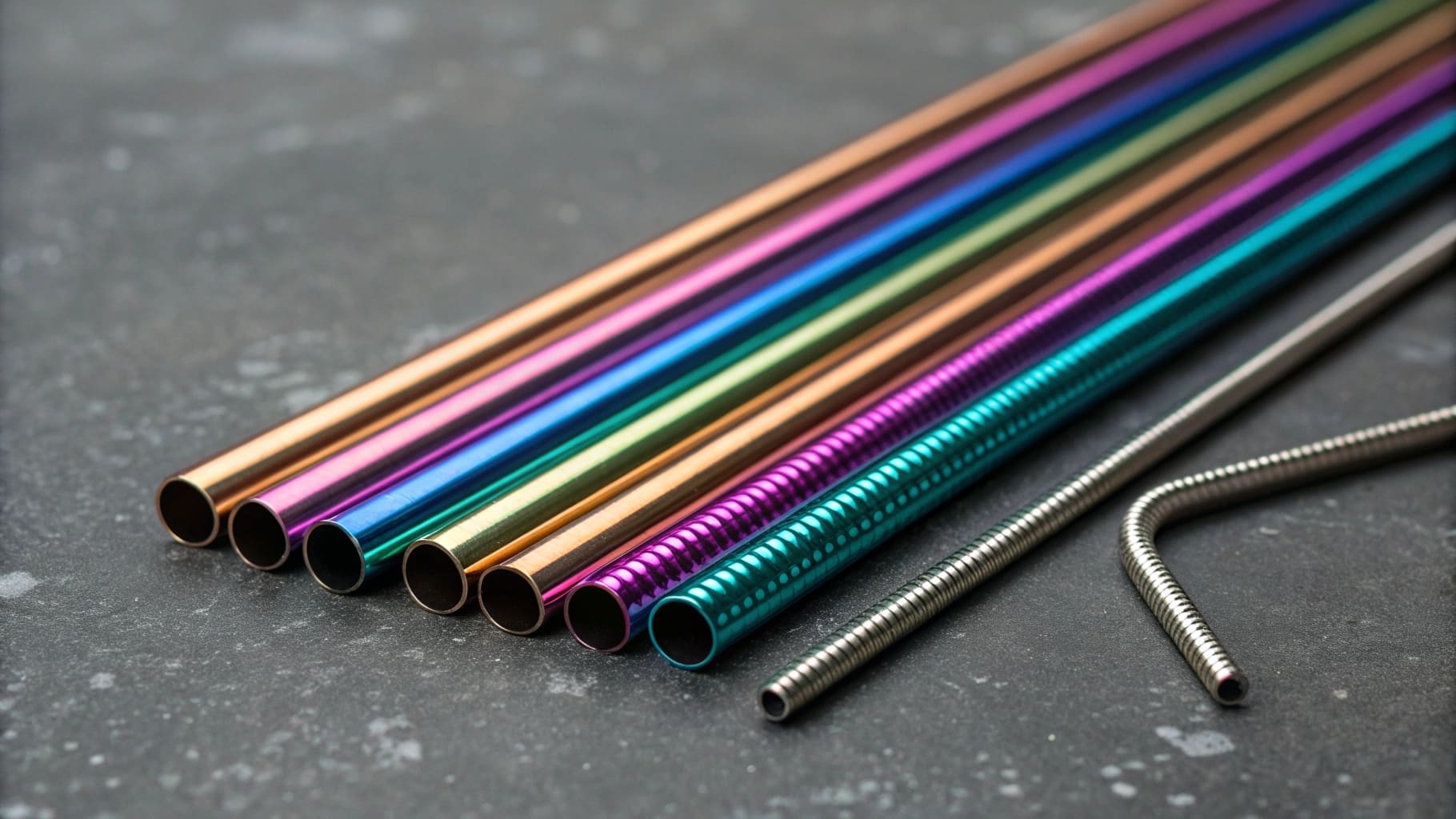
The heat performance of stainless steel straws is straightforward once you understand how the material behaves. Stainless steel conducts temperature, unlike plastic which insulates it. This means the straw will match the temperature of the liquid inside it fairly quickly.
Here is how performance breaks down across different drink types:
| Drink Type | Temperature | Straw Performance |
|---|---|---|
| Iced coffee | Cold | Straw feels cold, works well |
| Hot coffee | Hot | Straw feels warm, safe to use |
| Hot chocolate | Hot | Straw feels warm, safe to use |
| Smoothies | Cold | Straw feels cold, works well |
| Cocktails | Room temperature | No temperature effect |
| Sparkling water | Cold | Straw feels cold, works well |
The one thing to communicate clearly to your end customers is that the straw will feel warm when used with hot drinks. This is not a defect. It is simply how metal behaves. Some buyers add a silicone tip option to their product for customers who want a more comfortable experience with hot beverages.
For wholesale buyers, offering both straight and bent straw options also matters here. Bent straws are more practical for hot drinks because they keep the hottest part of the liquid further from the lips. I recommend sourcing both variants if you are targeting the café supply or premium drinkware segment.
Conclusion
Stainless steel straws made from food-grade SUS304 are PFAS-free, safe, and temperature-versatile. For 2026 wholesale compliance, always request valid LFGB and Prop 65 test certificates from your supplier before ordering.
-
"[PDF] October 26, 2018 List of P65 chemicals - OEHHA", https://oehha.ca.gov/sites/default/files/media/downloads/proposition-65/p65chemicalslist.pdf. A regulatory source on food-contact metal migration and California Proposition 65 exposure thresholds supports the claim that SUS304 products may be compliant when tested, but it does not certify any particular straw or supplier batch. Evidence role: general_support; source type: government. Supports: Food-grade SUS304 stainless steel straws can meet LFGB and California Prop 65 requirements when properly tested and documented.. Scope note: Contextual regulatory support only; actual compliance depends on product-specific testing and exposure assessment. ↩
-
"Per and poly-fluorinated chemicals (PFAS) - OECD", https://www.oecd.org/en/topics/sub-issues/risk-management-risk-reduction-and-sustainable-chemistry/per-and-poly-fluorinated-chemicals.html. A source defining PFAS as fluorinated organic chemicals and a source describing stainless steel as an iron-based chromium alloy support the claim that uncoated stainless steel is not itself a PFAS material; this does not address contamination from coatings, packaging, or processing aids. Evidence role: definition; source type: encyclopedia. Supports: Uncoated stainless steel straws do not inherently contain PFAS.. Scope note: Supports the material-chemistry distinction only; product-specific PFAS absence still requires supplier disclosure or testing. ↩
-
"[PDF] and Polyfluoroalkyl Substances and Alternatives in Coatings, Paints ...", https://www.oecd.org/content/dam/oecd/en/publications/reports/2022/10/per-and-polyfluoroalkyl-substances-and-alternatives-in-coatings-paints-and-varnishes-cpvs-report-on-the-commercial-availability-and-current-uses_64900e1b/6745457d-en.pdf. Scientific and regulatory sources describing PFAS use in stain-resistant, water-repellent, and non-stick coatings support the mechanism that PFAS risk is associated with added surface treatments rather than bare stainless steel; the support is general rather than straw-specific. Evidence role: mechanism; source type: government. Supports: PFAS risk in stainless steel straws would more plausibly arise from coatings or surface treatments than from the metal alloy itself.. Scope note: General mechanism only; it does not prove that a particular coating used on a straw contains PFAS. ↩
-
"Bisphenol A - Environmental Health - Virginia Department of Health", https://www.vdh.virginia.gov/environmental-health/public-health-toxicology/bisphenol-a/. Materials references for 18/8 or 304 stainless steel composition support that it is a metallic alloy rather than a plastic and does not use BPA as a constituent; claims about toxicity and lead require migration or compositional testing for the finished article. Evidence role: general_support; source type: education. Supports: Food-grade 18/8 stainless steel is a metal alloy and is generally suitable for food-contact use when it meets migration and contaminant limits.. Scope note: Partially contextual; the source can support typical alloy composition, but finished-product safety and lead absence should be verified by testing. ↩
-
"[PDF] Stainless Steel (SS) Safety Profile - FDA",
https://www.fda.gov/media/165146/download. Engineering or institutional materials references indicating that AISI/SUS 304 stainless steel is widely used in food-processing equipment and some medical or laboratory applications support the comparison, but surgical instruments may also use other stainless grades depending on the instrument. Evidence role: case_reference; source type: education. Supports: SUS304 stainless steel is used in food-processing equipment and in some medical or laboratory contexts.. Scope note: Contextual support; it should not imply that all surgical instruments are SUS304 or that medical use automatically establishes straw compliance. ↩ -
"Life cycle assessment of environmental impact of disposable ... - PMC", https://pmc.ncbi.nlm.nih.gov/articles/PMC8897272/. Life-cycle or waste-reduction studies on reusable versus single-use straws can support the premise that repeated use of a stainless steel straw displaces many disposable straws; the exact number depends on user behavior, product lifetime, and cleaning impacts. Evidence role: statistic; source type: paper. Supports: A reusable stainless steel straw may replace many single-use plastic straws over its service life.. Scope note: The “hundreds” figure is scenario-dependent and should be tied to assumptions about frequency and years of use. ↩
