
Are stainless steel straw sets compliant in 2026? LFGB, FDA, and Prop 65
A customer once rejected my entire shipment because I couldn't provide proper certification documents. That costly mistake taught me that compliance isn't optional anymore. In 2026, buyers need clear answers before they order.
Yes, stainless steel straw sets can be fully compliant in 2026 when manufactured with food-grade 304 or 316 stainless steel1 and accompanied by proper FDA, LFGB, and Prop 65 certifications. The key is working with suppliers who maintain documentation from accredited testing laboratories.
I've spent the last decade exporting stainless steel products to North America and Europe. The regulatory landscape keeps getting tighter. Buyers like you need suppliers who understand that certifications protect your brand reputation and keep you out of legal trouble.
Is stainless steel FDA compliant?
Last month, a Canadian buyer asked me this exact question. He was worried because his previous supplier couldn't explain the difference between 304 and 200-series stainless steel. The answer matters more than most people think.
Food-grade stainless steel is FDA compliant when it meets specific composition standards. The most common grades are 304 and 316 stainless steel, which contain at least 18% chromium and 8% nickel. These materials resist corrosion and prevent harmful substances from migrating into food or beverages.
I always tell my customers that FDA compliance starts with material selection. The FDA doesn't actually certify products. Instead, they set standards for materials that contact food. When I source stainless steel straws, I verify the exact grade with my manufacturing partners. Here's what makes the difference:
| Steel Grade | Chromium Content | Nickel Content | FDA Status | Best Use Case |
|---|---|---|---|---|
| 304 (18/8) | 18% | 8% | Compliant | Standard food contact |
| 316 (18/10) | 16-18% | 10-14% | Compliant | High corrosion resistance |
| 200-series | 16-18% | 3.5-5.5% | Not recommended | Industrial use only |
The problem I see often is that some suppliers use 200-series stainless steel and claim it's food-grade. This grade contains manganese instead of nickel. It costs less but doesn't meet the same safety standards. When I inspect factories, I always ask for material certificates that show the exact composition. You should do the same. The certificate should come from the steel mill, not just the manufacturer's word. I've seen too many cases where buyers discover problems only after importing thousands of units. The right approach is verifying the material grade before you place your order.
How do I know if my product is Prop 65 compliant?
A startup founder from California contacted me last year. She was terrified because she'd been selling stainless steel straws without checking Prop 65 compliance2. She faced potential lawsuits. I helped her get the right documentation within three weeks.
Prop 65 compliance requires products sold in California to be free from over 900 chemicals known to cause cancer or reproductive harm. For stainless steel straws, this means testing for lead, cadmium, BPA, and phthalates3. You verify compliance by obtaining test reports from accredited laboratories.
The challenge with Prop 65 is that it shifts the burden of proof to sellers. You can't just assume your product is safe. Here's my verification process:
| Step | Action Required | Documentation Needed | Timeframe |
|---|---|---|---|
| 1 | Request Prop 65 test reports | Lab reports from ISO 17025 accredited labs | Before ordering |
| 2 | Verify specific chemicals tested | Must include lead, cadmium, BPA, phthalates | Review within 48 hours |
| 3 | Check testing date | Reports should be less than 1 year old | Immediate |
| 4 | Confirm product samples match | Serial numbers or batch codes must align | Before shipping |
I work with testing labs in China that specialize in California regulations. The testing takes about 5-7 business days. The cost runs between 150 to 300 dollars per product line depending on how many chemicals you test for. Some of my customers try to skip this step to save money. That's a mistake. One lawsuit in California can cost you tens of thousands in legal fees alone. I've learned that proper documentation protects both of us. When I send you stainless steel straw sets, I include test reports that specifically address Prop 65 requirements. These reports list every chemical tested and show results below detection limits. This isn't just paperwork. It's your insurance policy against legal problems.
What products do not require a Prop 65 warning?
During a trade show in Las Vegas, I met a buyer who was confused about warning labels. He thought all products needed warnings. That's not true. Understanding when warnings aren't needed saves you from unnecessary costs and customer concerns.
Products made from pure food-grade stainless steel without coatings or additives typically don't require Prop 65 warnings. This includes basic stainless steel straws, as long as they're manufactured from 304 or 316 grade steel and contain no detectable levels of listed chemicals.
The exemption comes down to exposure levels and material composition. I've dealt with this question hundreds of times. Here's what determines whether you need a warning:
| Product Feature | Warning Needed? | Why | Verification Method |
|---|---|---|---|
| Pure 304/316 stainless steel body | No | Contains no Prop 65 chemicals above safe harbor levels | Material certificate + test report |
| Silicone tips or grips | Maybe | Depends on manufacturing process and additives | Third-party testing required |
| Colored powder coating | Yes | May contain pigments with heavy metals | Always test coatings separately |
| Plastic carrying cases | Maybe | Depends on plastic type and additives | Request BPA-free certification |
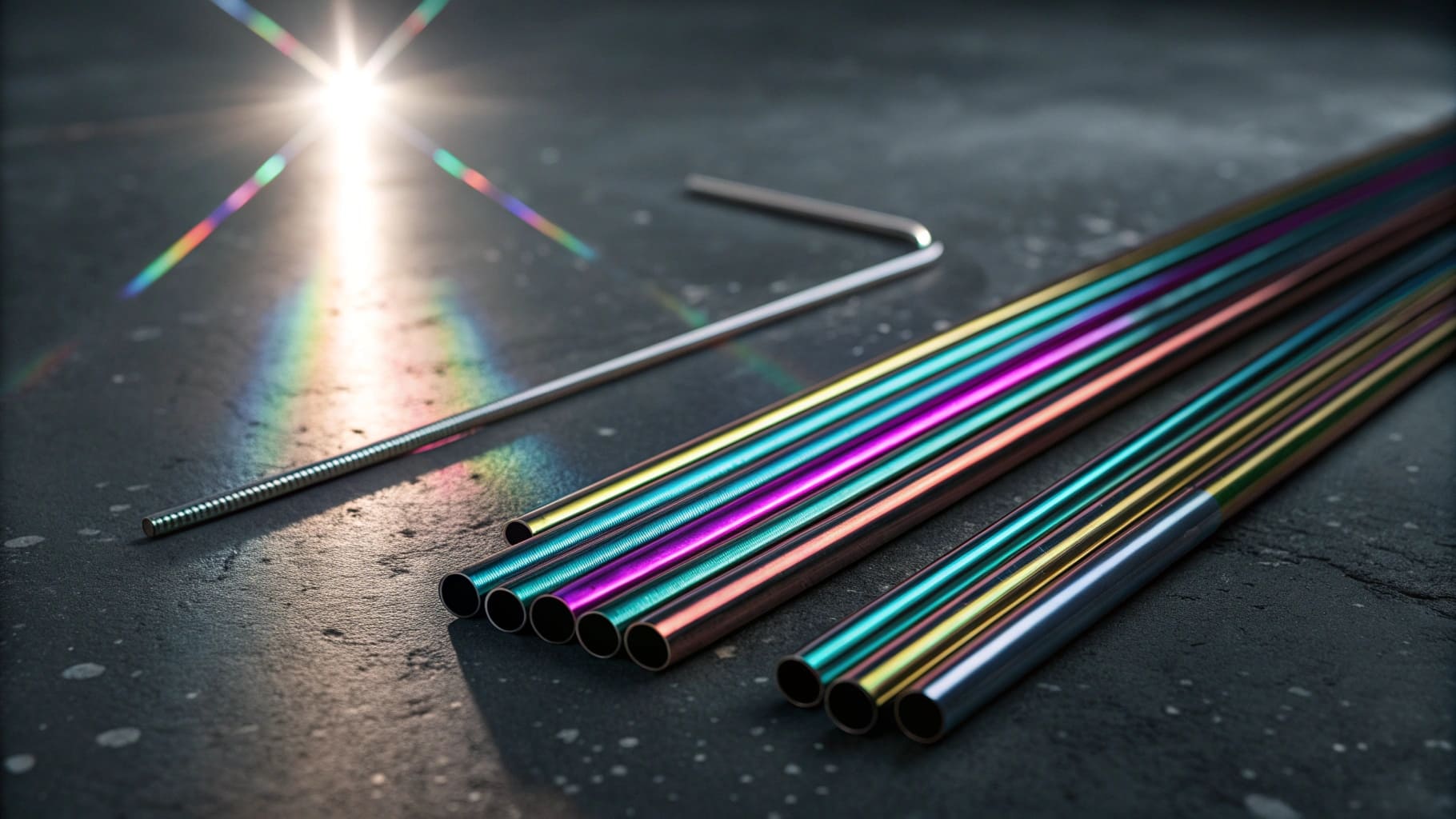
From my experience, problems arise with accessories and coatings. A plain stainless steel straw almost never needs a warning. But if you add a silicone tip or a painted finish, you need testing. I had a customer who wanted rainbow-colored straws last year. The powder coating contained trace amounts of cadmium. We had to reformulate the coating to stay compliant. This added two weeks to production but kept them out of legal trouble. My advice is to keep it simple. Pure stainless steel products have the clearest compliance path. When you add components, each piece needs separate verification. I always recommend testing the complete assembled product, not just individual parts. This catches any contamination that might occur during manufacturing or assembly. The testing lab will give you a pass or fail result for each chemical. If everything passes, you don't need warnings. If anything fails, you need to either reformulate or add warnings to your packaging.
Conclusion
Compliance in 2026 means having proper FDA material grades, verified Prop 65 test reports, and LFGB certifications ready before you order. Work with suppliers who treat documentation as seriously as product quality.
-
Learn about the differences between 304 and 316 stainless steel and their importance in food safety. ↩
-
Explore the significance of Prop 65 compliance and how it impacts product safety in California. ↩
-
Understand the health risks associated with these chemicals and their relevance to product safety. ↩