
Are Single-Wall Handled Water Bottles Viable for Low-Cost Promos in 2026?
You want a promotional product that fits your budget. But you also need something people will actually use. Choosing the wrong bottle kills both goals at once.
Single-wall handled stainless steel water bottles are still a viable choice for low-cost promotional campaigns in 2026. They cost less per unit, ship lighter, and produce faster than double-wall models. For brands that need volume on a tight budget, they deliver real value — as long as the use case fits.
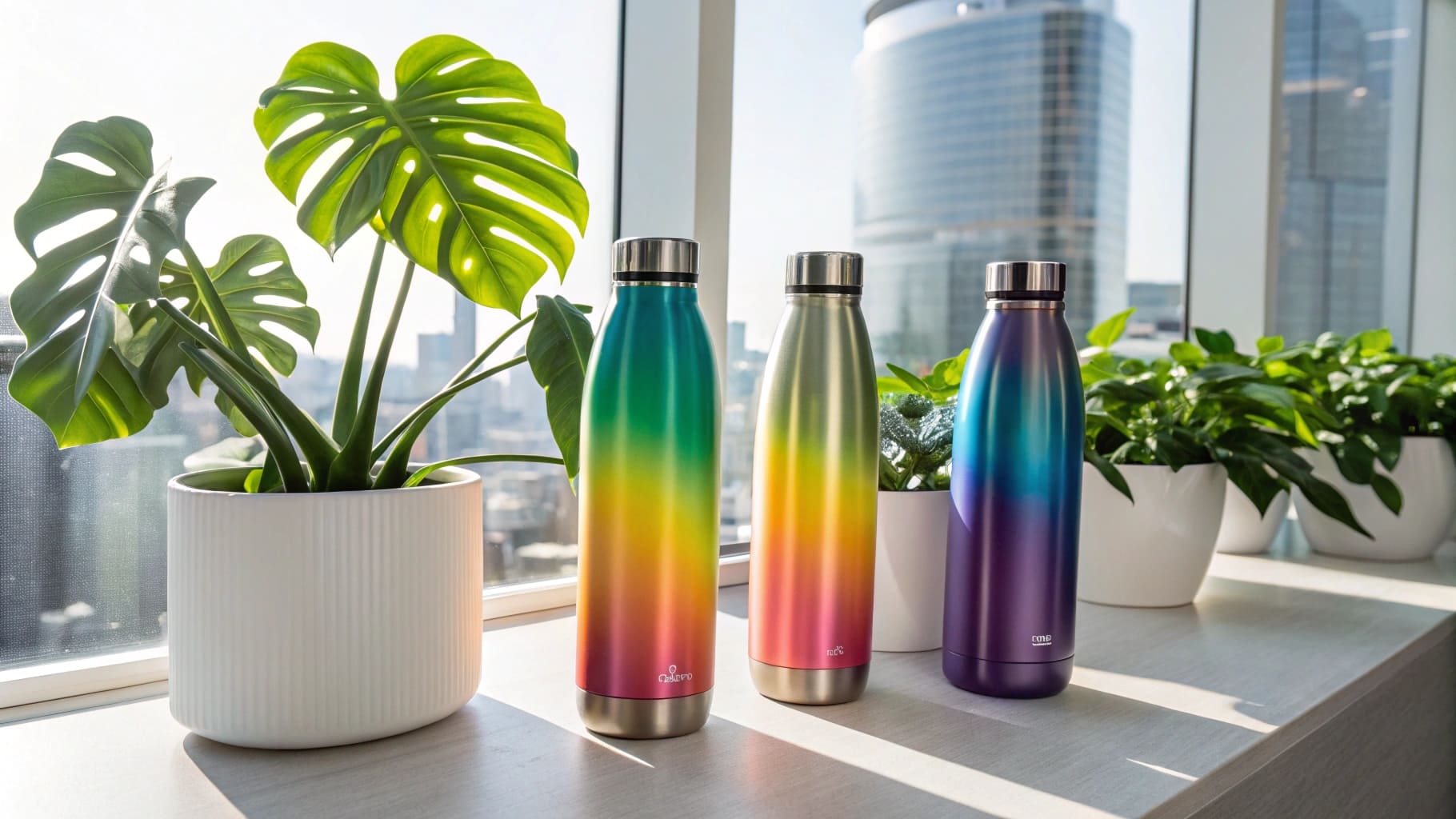
Promotional budgets are getting tighter. At the same time, buyers are under more pressure to choose products that reflect their brand values1. That tension is real, and it is one I hear about constantly from procurement contacts across North America and Europe. A single-wall stainless steel bottle sits right in the middle of that tension. It is not the most premium option on the market. But it checks more boxes than most people expect. The next few sections will walk through exactly why — and where the limits are.
What Is the Most Sustainable Single-Use Water Bottle?
Most people ask which single-use bottle is least harmful. But the real question is different. The most sustainable bottle is the one that never gets thrown away in the first place.
The most sustainable option is a reusable bottle made from food-grade 304 stainless steel. It does not break down over time, does not leach chemicals, and one bottle can replace hundreds of disposable ones. That makes its environmental cost per use far lower than any single-use product on the market.
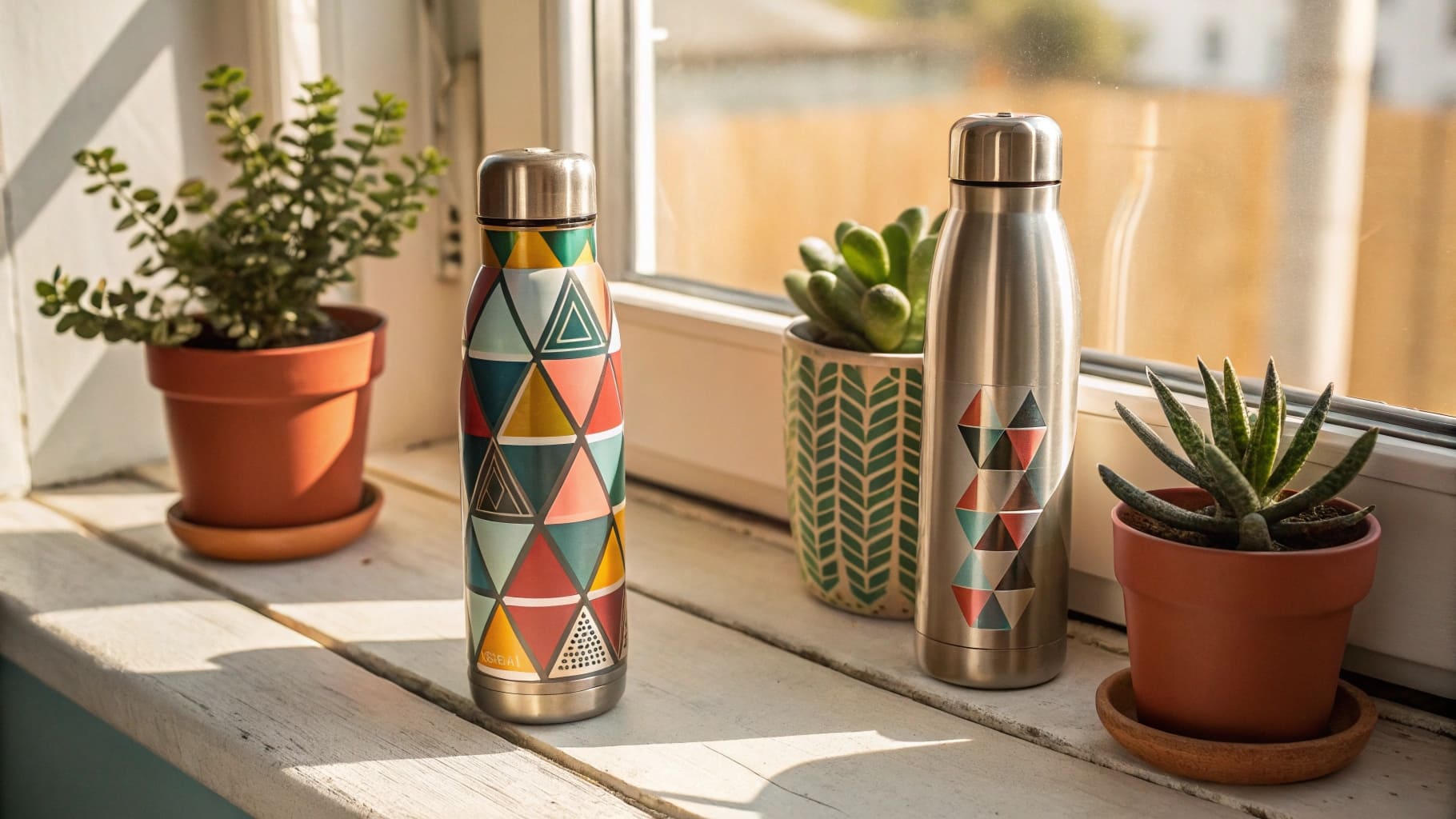
The word "sustainable" gets used a lot in product marketing, but the logic behind it is simple. A product is sustainable when it reduces total waste over time. A single-use bottle — plastic, aluminum, or otherwise — creates waste every time it is used. A reusable stainless steel bottle creates waste once, at the end of a lifespan that can run five to ten years or longer2.
Here is how the main materials compare across the factors that matter most for a promotional product buyer:
| Factor | Single-Use Plastic | Single-Use Aluminum | Single-Wall Stainless Steel |
|---|---|---|---|
| Lifespan | One use | One use | 5–10+ years |
| Chemical leaching risk | High over time | Low | None |
| Recyclability | Limited | High | High |
| Cost per use | Low per unit, high over time | Low per unit, high over time | High per unit, very low over time |
| Brand perception | Negative | Neutral | Positive |
| Regulatory risk (EU/North America) | Growing restrictions | Moderate | Low |
The table above shows something important. Single-use options look cheap upfront. But the cost per use tells a different story. A stainless steel bottle handed out at a corporate event will stay in use for years. That means your brand stays visible for years. No single-use product can do that.
For my customers who are building a brand in North America or Europe, this sustainability angle is not just a talking point. Regulations in both markets are tightening around single-use plastics3. Choosing reusable stainless steel now protects them from compliance headaches later.
Should I Stop Buying Plastic Water Bottles?
Plastic bottles feel convenient. But if you are buying them at scale for promotional use, that convenience is costing you more than you think — in money, in compliance risk, and in how your brand is seen.
Yes, you should stop buying plastic water bottles for promotional use. Stainless steel reusable bottles are safer, more durable, and better for your brand image. They also face fewer restrictions in the key markets of North America and Europe, which matters for procurement planning in 2026 and beyond.
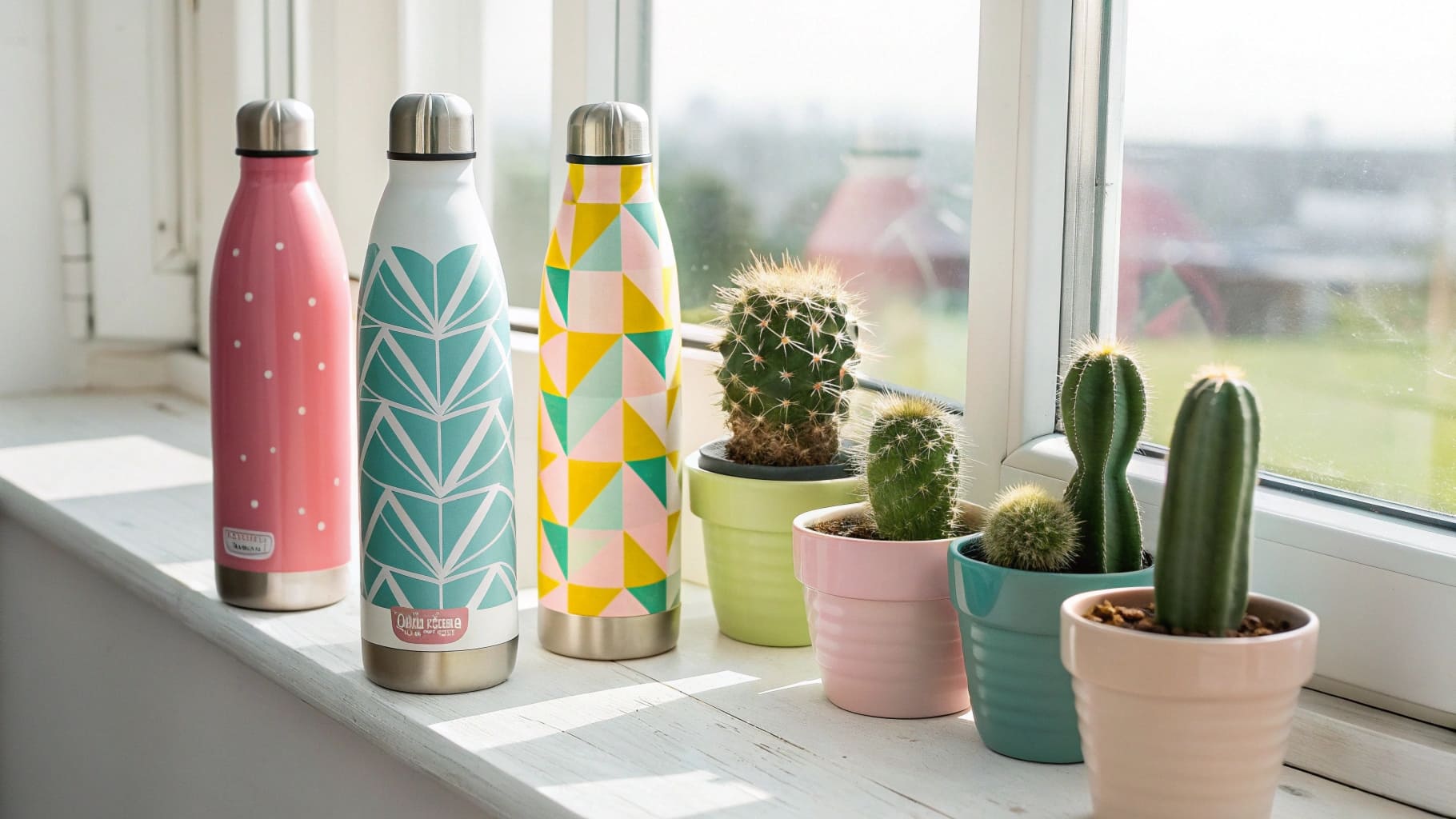
The case against plastic is not just environmental. It is practical. Plastic bottles face growing legal restrictions in the EU and parts of North America. If your promotional campaign ships product into those markets, plastic creates a compliance risk that stainless steel does not.
There is also a quality perception issue. A plastic bottle says your brand chose the cheapest option. A stainless steel bottle — even a single-wall model — says your brand chose something built to last. That message lands differently with the end recipient, and it reflects back on the company giving it away.
Here is a breakdown of the practical differences between plastic and single-wall stainless steel for promotional buyers:
| Consideration | Plastic Bottle | Single-Wall Stainless Steel |
|---|---|---|
| Unit cost | Lower | Slightly higher |
| Shipping weight | Lighter | Slightly heavier |
| Regulatory compliance (EU/NA) | Increasing risk | Low risk |
| Brand perception | Budget | Quality-conscious |
| Recipient retention rate | Low | High |
| Customization options | Limited | Wide (color, logo, finish) |
| Food safety certifications | Varies | FDA, LFGB available |
The retention rate row in the table is worth paying attention to. Promotional products only work if people keep them. Plastic bottles get thrown away. Stainless steel bottles get kept. A bottle that sits on someone's desk or gym bag for two years delivers far more brand impressions than a bottle that lands in the recycling bin after one use.
I work with buyers who switched from plastic to single-wall stainless steel and cut their per-impression cost significantly, even though the unit price went up. That is the math that matters for a promotional campaign.
Is It Safe to Leave Water in a Bottle Overnight?
You fill your bottle before bed and drink from it the next morning. It seems fine. But depending on what the bottle is made from, it may not be.
Yes, it is safe to leave water in a stainless steel bottle overnight. Food-grade 304 stainless steel is non-reactive. It does not leach chemicals into the water, even after extended contact. Plastic bottles carry a higher risk, especially with repeated use or exposure to heat.
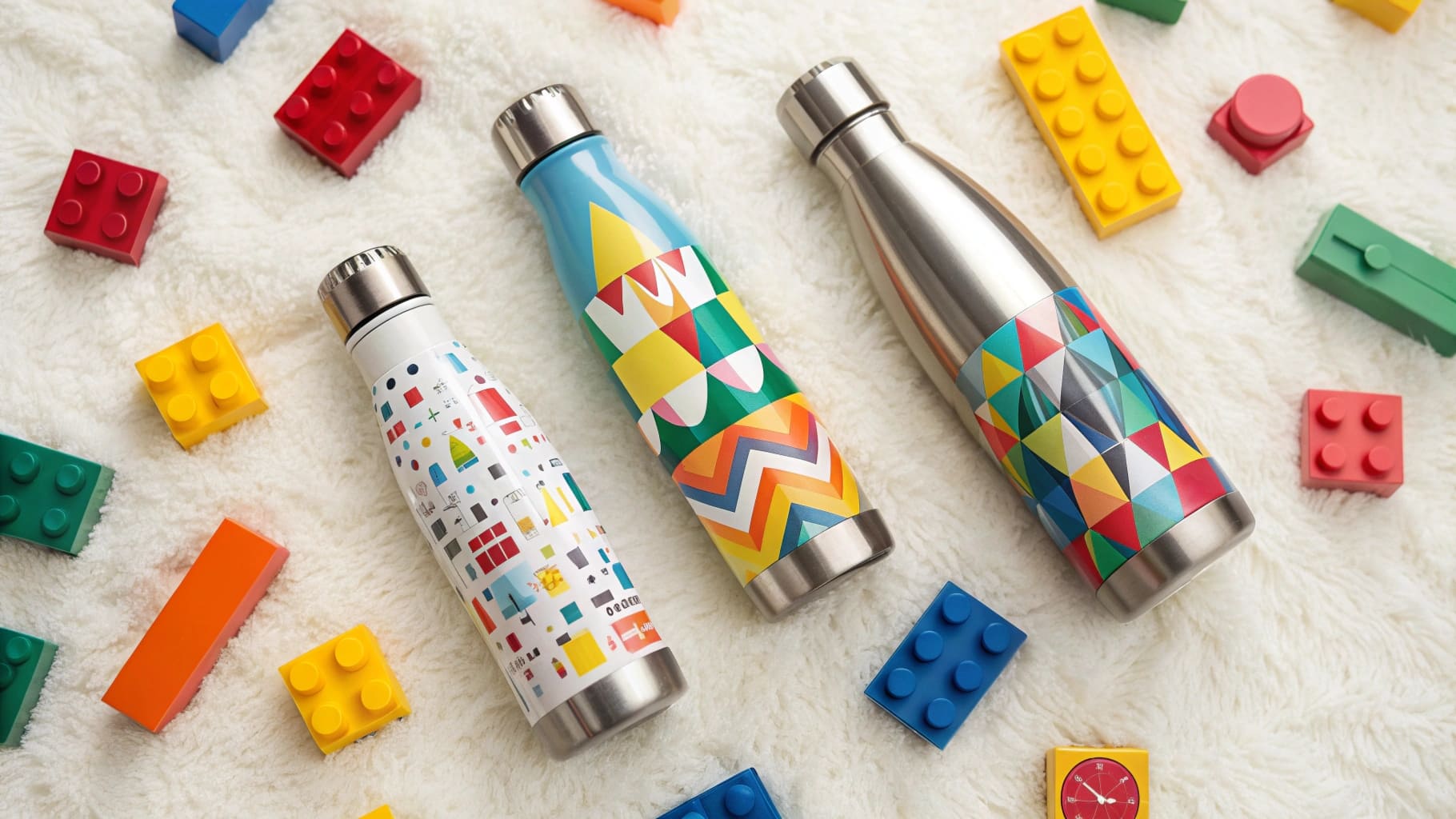
This safety question comes up more than most buyers expect, and it matters for promotional use. When a company gives away a branded water bottle, that bottle becomes associated with the brand. If there are safety concerns about the product, those concerns attach to the brand too.
Stainless steel removes that risk entirely. Here is why it is the safer choice compared to plastic:
| Safety Factor | Plastic Bottle | Stainless Steel Bottle |
|---|---|---|
| Chemical leaching | BPA and other plasticizers can migrate into water4 | None — stainless steel is inert |
| Overnight water storage | Risk increases with older or damaged plastic | Safe — no reaction over time |
| Odor and taste transfer | Common with repeated use | Rare with food-grade stainless |
| Heat exposure risk | Leaching increases with heat | Not affected by normal temperature ranges |
| Scratching and bacteria | Scratches harbor bacteria | Smooth interior, easier to clean |
| Certification standards | Varies widely | FDA and LFGB certifications available |
The key material here is food-grade 304 stainless steel. Not all stainless steel is the same grade. When I source bottles for customers, I make sure the spec sheet confirms 304-grade steel on the interior. That is the grade that meets FDA and LFGB food contact standards.
For a single-wall bottle, one important note: single-wall construction means the exterior of the bottle will match the temperature of the liquid inside5. This does not affect safety. It just means a cold water bottle will feel cold to the touch, and a hot liquid bottle will feel warm. For room-temperature water stored overnight, this is not a concern at all. The safety profile of a single-wall stainless steel bottle for overnight water storage is strong, and that is a selling point any promotional buyer can use with confidence.
Conclusion
Single-wall stainless steel handled bottles are a smart, safe, and sustainable choice for 2026 promos. Match the spec to the use case, and they deliver real value at a competitive price.
-
"Supply Chain Management | Sustainability | H.U. Group Holdings", https://www.hugp.com/en/sustainable/procurement.html. Surveys of corporate procurement professionals conducted by organizations such as the Chartered Institute of Procurement and Supply (CIPS) and Deloitte have documented a growing emphasis on sustainability and brand alignment in purchasing criteria, reflecting broader ESG commitments at the organizational level. Evidence role: general_support; source type: research. Supports: That corporate procurement decision-makers are increasingly incorporating brand values and sustainability criteria into purchasing decisions for promotional and branded merchandise.. Scope note: The degree of pressure varies significantly by industry, company size, and geography; the claim reflects a directional trend rather than a uniform standard across all procurement contexts. ↩
-
"Steel, Glass, and/or Plastic Bottles: What is the best choice?", https://www.canr.msu.edu/news/steel_glass_and_or_plastic_bottles_what_is_the_best_choice. Lifecycle assessments of stainless steel consumer products generally assign functional lifespans in the range of several years to over a decade, depending on use intensity and maintenance, though specific figures vary across studies. Evidence role: statistic; source type: paper. Supports: The expected functional lifespan of stainless steel reusable water bottles under normal consumer use conditions.. Scope note: Lifespan estimates in lifecycle assessments are modeled assumptions and may not reflect actual consumer behavior or disposal patterns. ↩
-
"S.3127 - Break Free From Plastic Pollution Act of 2023 - Congress.gov", https://www.congress.gov/bill/118th-congress/senate-bill/3127/text. The European Union's Single-Use Plastics Directive (EU) 2019/904 prohibits or restricts a range of single-use plastic items and has been progressively implemented across member states; comparable provincial and municipal restrictions have been enacted in Canada, and several U.S. states have passed single-use plastic legislation. Evidence role: historical_context; source type: government. Supports: That the EU and North American jurisdictions have enacted or are expanding restrictions on single-use plastic products.. Scope note: Regulatory scope and enforcement timelines vary significantly by jurisdiction within North America, so the claim of broad tightening should be understood as directionally accurate rather than uniformly applicable. ↩
-
"Assessment of Bisphenol A Released from Reusable Plastic ... - PMC", https://pmc.ncbi.nlm.nih.gov/articles/PMC3210908/. Peer-reviewed research has documented the migration of bisphenol A (BPA) and related compounds from polycarbonate and other plastic containers into food and beverage contents, with migration rates influenced by temperature, contact duration, and physical degradation of the container. Evidence role: mechanism; source type: paper. Supports: That bisphenol A and other plasticizers can migrate from plastic containers into their liquid contents.. Scope note: Migration rates and health risk thresholds remain subjects of ongoing regulatory review; the degree of risk varies by plastic type, and many modern bottles use BPA-free formulations that may still contain alternative plasticizers. ↩
-
"[PDF] Thermophysical Properties of Stainless Steels - OSTI", https://www.osti.gov/servlets/purl/4152287. Stainless steel has a thermal conductivity that allows heat transfer between a liquid and the container's exterior wall; single-wall construction lacks the insulating air gap or vacuum layer present in double-wall designs, resulting in the exterior surface temperature approximating that of the contents. Evidence role: mechanism; source type: encyclopedia. Supports: That single-wall metal containers conduct heat between the liquid contents and the exterior surface due to the thermal conductivity of the metal.. Scope note: The rate of temperature equalization depends on ambient conditions, liquid volume, and the specific alloy; this is a general thermodynamic principle rather than a product-specific measurement. ↩