
Worried about plastic waste harming our planet? Single-use bottles pile up, polluting oceans. Reusable insulated bottles offer a sustainable alternative.
Yes, reusable insulated water bottles are very eco-friendly. They cut down on single-use plastic waste. They also conserve resources over time, making them a better choice for the environment.
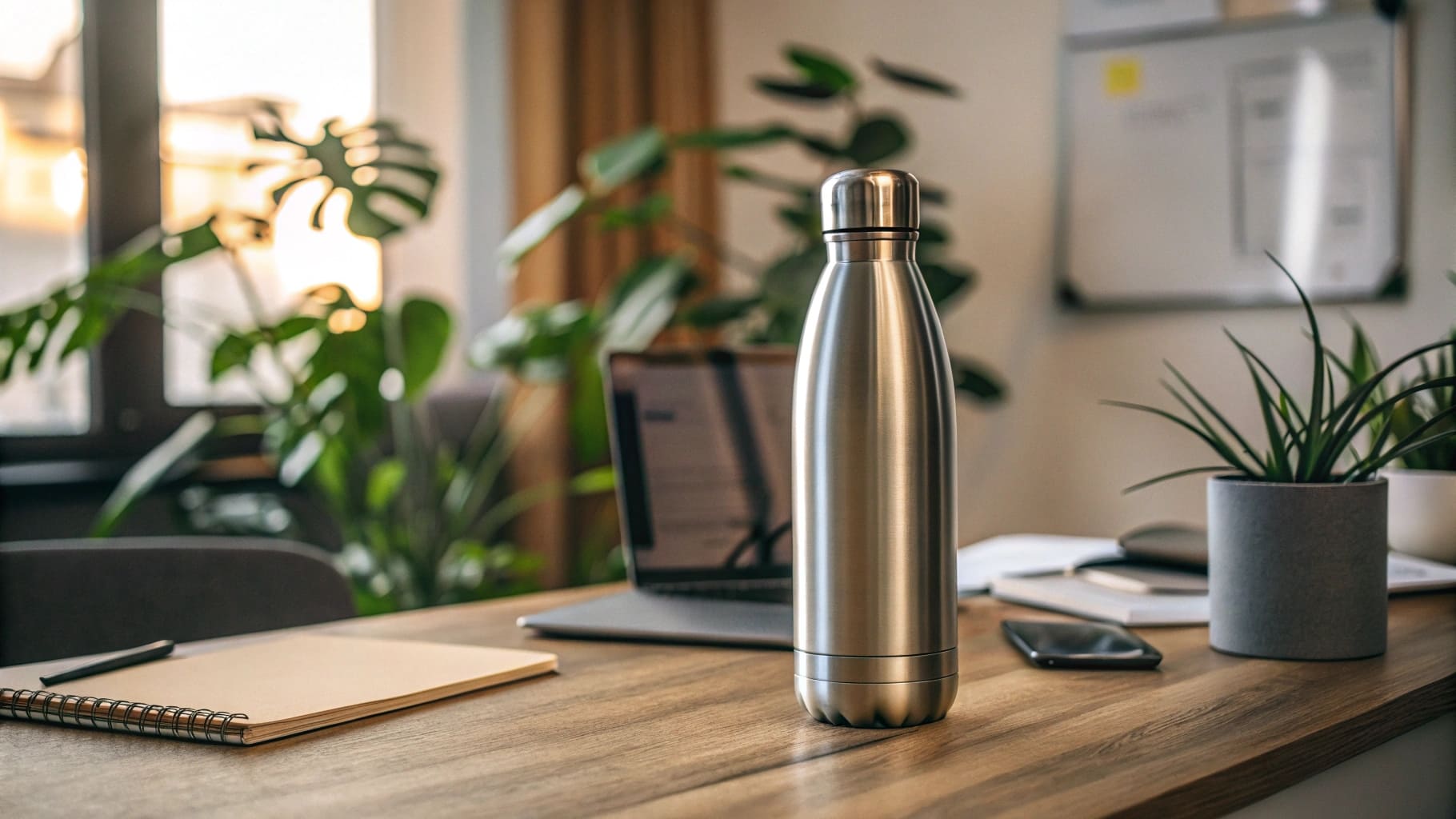
You might be wondering if one bottle really makes a difference. I know when I first started in this business with Icobottle, many buyers were skeptical. But let's explore how these bottles benefit both the planet and your business. It is important to see the bigger picture.
How are reusable water bottles eco-friendly?
Unsure how reusable bottles actually help the Earth? It is easy to feel confused by environmental claims. Let's look at the clear ways they reduce our impact.
Reusable water bottles are eco-friendly mainly by reducing plastic waste. They also conserve energy and resources. These resources would otherwise be used to make and dispose of single-use bottles. This lowers your carbon footprint.
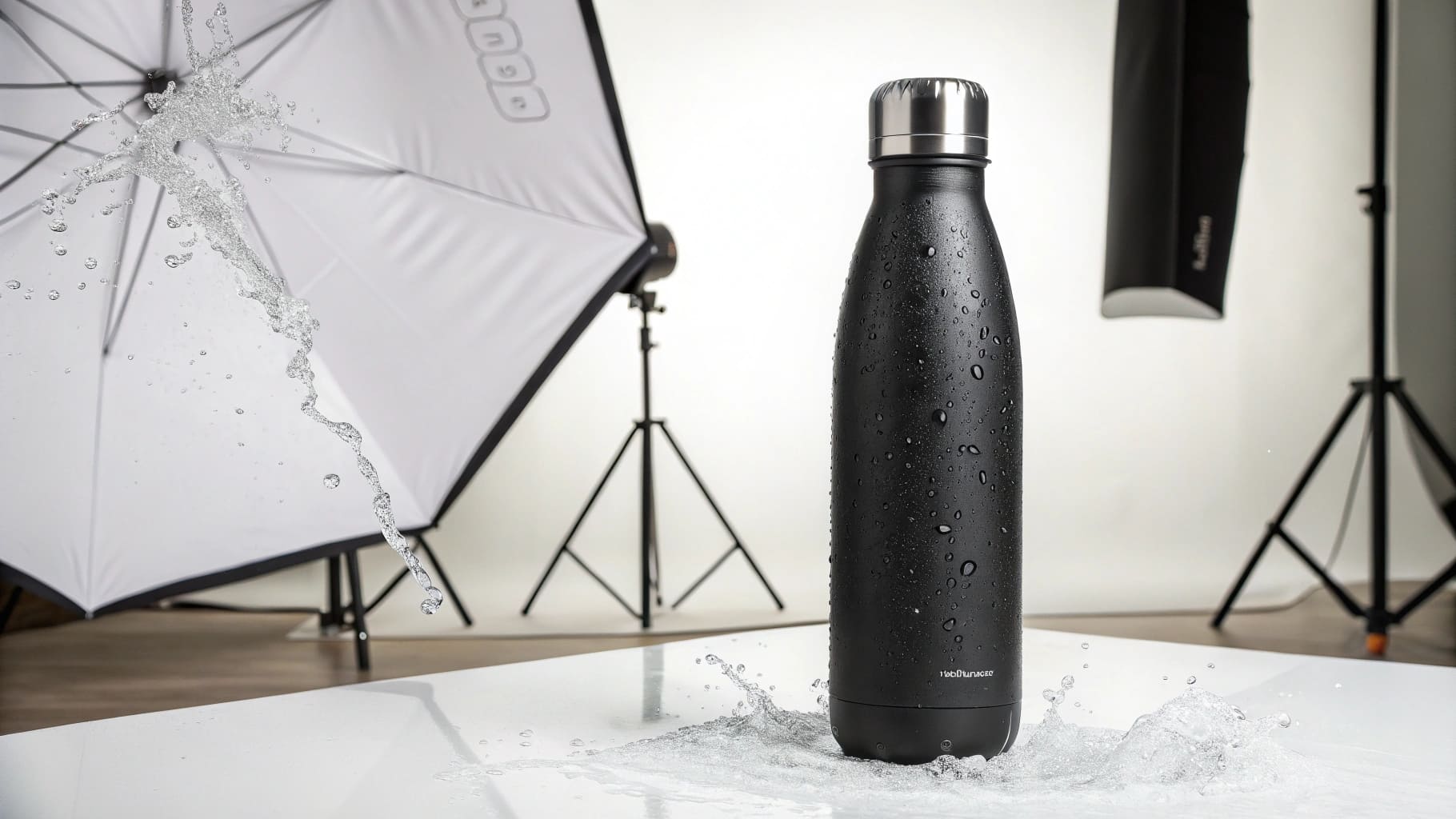
When I talk to procurement officers like Mark Shenng from Canada, a key concern is always the genuine impact of the products they source. For stainless steel water bottles, the eco-friendly angle is huge. It's not just a label; it's a fundamental benefit. As a supplier, I see firsthand how this drives purchasing decisions for my clients in America and Europe. The push against single-use plastic is global, and our products directly address this.
Reducing Plastic Pollution
The most obvious way reusable bottles help is by cutting down on single-use plastic. Each time someone refills a reusable bottle, that’s one less plastic bottle heading to a landfill or, worse, our oceans. Think about the numbers. If a person uses one plastic bottle a day, that's 365 a year. A good quality stainless steel bottle, perhaps made from durable 304 or 316 grade steel like we use at Icobottle, can last for many years. This significantly reduces plastic waste. My company, Icobottle, focuses on durable designs for this very reason. This long lifespan means less overall waste.
Conserving Resources
Making plastic bottles uses a lot of resources. It takes oil and water. Transporting them also uses energy. Reusable bottles, especially those made from stainless steel, have a higher initial resource cost for production. But, they last much longer. So, over their lifetime, they actually conserve resources. The energy and materials used to produce one stainless steel bottle are offset many times over by not producing hundreds, or even thousands, of plastic ones. This reduction in resource consumption is a key environmental benefit. It means less strain on our planet’s finite materials.
Lowering Carbon Footprint
Manufacturing and transporting single-use plastic bottles generates a lot of carbon dioxide. This contributes to climate change. Reusable bottles help lower this carbon footprint. Fewer plastic bottles made means less CO2 from production. Also, because people can fill them with tap water, there's less transportation of bottled water across long distances. This further reduces emissions from logistics. For businesses that import our bottles, like Mark, highlighting this reduced carbon footprint is a strong selling point to their customers. It shows a commitment to sustainability that resonates with consumers.
Here's a simple comparison:
| Feature | Single-Use Plastic Bottle | Reusable Stainless Steel Bottle |
|---|---|---|
| Lifespan | One use | Many years |
| Waste Generated | High | Very Low (at end of life) |
| Resource Use (long term) | High (repeated production) | Lower (one-time production for long use) |
| Carbon Footprint | Higher | Lower (over lifecycle) |
This shows why reusable options are a clear win for the environment. For B2B buyers, understanding these points is crucial for marketing.
What are the economic benefits of reusable water bottles?
Thinking reusable bottles are just an expense? Initial costs can seem high compared to disposables. Discover the surprising financial upsides for businesses and consumers.
Economically, reusable bottles save consumers money long-term. For businesses like yours, they meet market demand for sustainable products. They enhance brand image and can offer better profit margins.
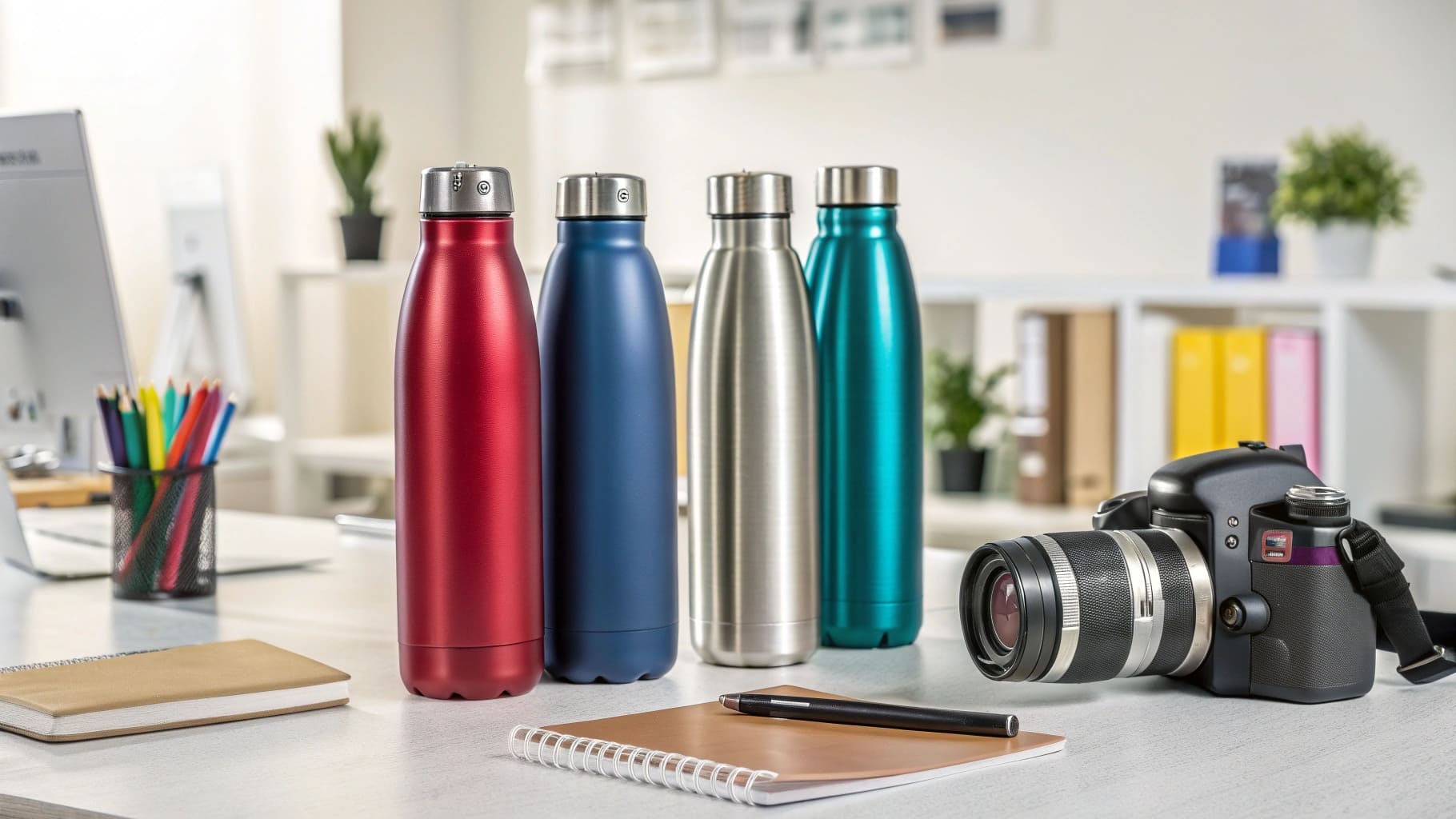
When I discuss product lines with B2B buyers, the bottom line is always crucial. The good news is that eco-friendly doesn't mean less profitable. In fact, with reusable insulated bottles, it's often the opposite. My insights, gathered from years in the stainless steel products industry with Icobottle, show that for B2B buyers, the eco-friendly aspect is now a core driver of purchasing decisions, not just a 'nice-to-have'. This shift presents a significant economic opportunity1.
Savings for Consumers
The most direct economic benefit is for the end-user. Let's say a bottle of water costs $1.50. If someone buys one every workday, that's about $390 a year. A good quality reusable bottle from Icobottle, with custom logos or colors, might cost $15-$25. The savings are clear and substantial very quickly. Consumers are smart. They see this value. This is a point I always emphasize to importers. Your customers' customers will save money, making the product attractive. This long-term saving makes the initial higher cost of a reusable bottle a worthwhile investment.
Advantages for Businesses
For businesses, especially those in wholesale or importing like many of my clients in America and Europe, reusable bottles offer several economic advantages.
- Meeting Demand: There's a strong and growing market demand for sustainable products2. Offering high-quality reusable bottles positions your business to meet this demand. Procurement officers from large companies and startup bosses alike are looking for these products.
- Enhanced Brand Image: Aligning your brand with sustainability improves public perception. Customers, especially younger demographics, prefer brands that care about the environment. This can lead to increased loyalty.
- Better Margins: Quality reusable bottles, especially with customization options like logos and colors which we specialize in at Icobottle, can command higher price points. This means better profit margins compared to generic, low-value items. Mark Shenng, for instance, successfully rebrands our bottles in Canada and distributes them at a premium. His profit model relies on this perceived and actual value.
Market Trends and Demand
The global push against single-use plastics isn't just talk; it's influencing purchasing decisions. Governments are introducing regulations. Consumer awareness is at an all-time high. This creates a stable and growing market for reusable alternatives. For procurement officers, stocking reusable bottles is no longer a niche; it's a mainstream necessity. The economic benefits are tied to this strong market trend. Offering these products makes businesses like Mark's more competitive.
Here's a look at why businesses benefit:
| Business Aspect | Impact of Reusable Bottles |
|---|---|
| Market Relevance | High, due to sustainability trend |
| Brand Perception | Positive, eco-conscious image |
| Profit Potential | Good, especially with customization & quality |
| Customer Loyalty | Increased, due to shared values and product durability |
These factors make reusable bottles an economically sound and strategic product choice for businesses aiming for growth.
Do reusable water bottles save money?
Skeptical about actual cost savings from reusable bottles? The upfront price can make you question the value. Let's break down how they truly keep more money in your pocket.
Yes, reusable water bottles3 definitely save money. You stop buying single-use bottled water. So, the initial investment is quickly recovered. This leads to significant long-term savings for the consumer.
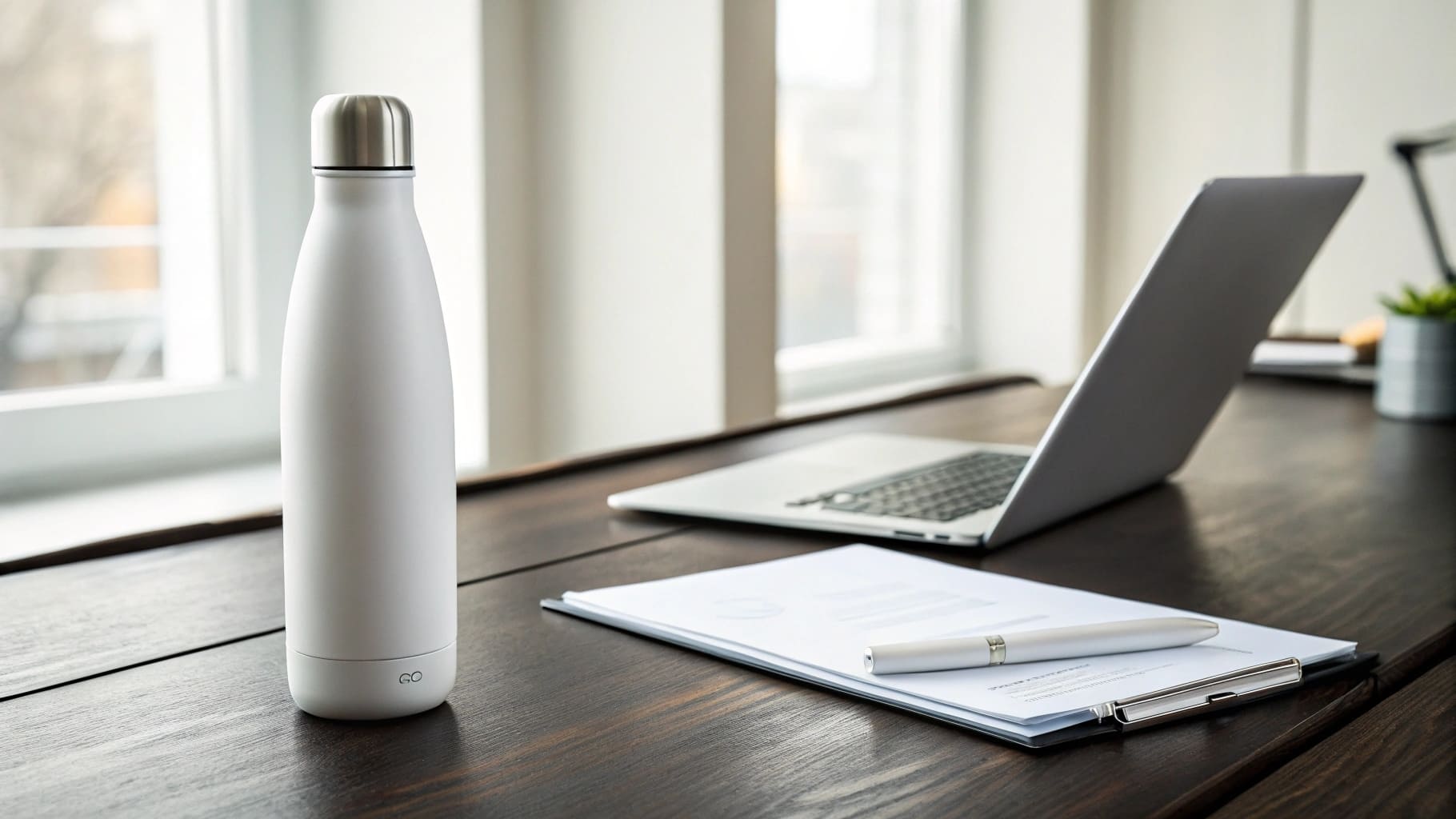
I've had many conversations with buyers, like Mark from Canada, who are assertive and accustomed to taking the lead. They are sensitive to quality but also seek competitive pricing. The question of actual savings always comes up, especially when they are presenting these products to their own clients or distributors. The answer is a resounding yes, and it’s easy to demonstrate with simple numbers. This is crucial for someone like Mark, who understands sales but might lack deep technical expertise on lifecycle costing.
Upfront Cost vs. Long-Term Savings
A reusable stainless steel water bottle, like those we manufacture at Icobottle, might cost between $10 and $30. This depends on size, features like insulation, and any custom branding. Compare this to buying a single-use plastic bottle of water. Let's say that costs $1 to $2 on average. If you buy just three bottles of water a week at $1.50 each, that's $4.50 per week. This amounts to $234 per year. The reusable bottle pays for itself in just a few weeks or months. After that initial period, all the money you would have spent on disposable bottles stays in your pocket. This tangible saving is a powerful selling point.
Calculating Your Break-Even Point
The break-even point is when the cost of your reusable bottle equals the money saved from not buying disposable ones. It is simple to calculate.
Let's use an example:
- Cost of a quality reusable bottle: $20
- Cost of a disposable water bottle: $1.50
- Number of disposable bottles to equal $20: $20 / $1.50 = 13.33 bottles.
So, after refilling your reusable bottle just 14 times instead of buying new ones, you've broken even. If you drink one bottle of water a day from Monday to Friday, you break even in less than three weeks. For someone like Mark who purchases wholesale for his company, explaining this simple math to his distributors is very effective. It helps them communicate the value to end consumers clearly.
Beyond Just Water: Other Beverage Savings
The savings are not just limited to water. Many people buy coffee, tea, or juice in disposable cups or bottles daily. A reusable insulated bottle or coffee mug, like the ones Icobottle supplies, can keep drinks hot or cold for hours. This means you can make your coffee at home and take it with you. This saves money on expensive café drinks, which can cost $3-$5 each. The principle is the same: a small upfront investment in a quality reusable product leads to substantial ongoing savings over months and years.
Consider the yearly savings for an individual:
| Item | Cost of Reusable Product | Avg. Daily Single-Use Cost | Drinks per Year (e.g., Workdays) | Annual Single-Use Cost | Annual Savings with Reusable |
|---|---|---|---|---|---|
| Bottled Water | $20 (Bottle) | $1.50 | 260 (1 per workday) | $390 | $370 |
| Daily Store-bought Coffee | $25 (Insulated Mug) | $3.50 | 260 (1 per workday) | $910 | $885 |
These figures clearly show that reusable bottles and mugs are a very smart financial decision for individuals. This individual benefit, in turn, makes them an easier and more profitable product for businesses to sell.
Conclusion
Reusable insulated bottles are an excellent eco-friendly choice. They also save money. They help our planet and are good for your wallet.
-
Explore how reusable water bottles can create significant economic opportunities for businesses and consumers alike. ↩
-
Learn about the importance of sustainable products in today's market and how they can enhance brand image and profitability. ↩
-
Explore this link to understand the financial benefits of switching to reusable water bottles and how they can save you money in the long run. ↩