
Are kids' stainless steel 8oz cups compliant with LFGB, FDA, CPSIA, Prop 65?
I remember the first time a buyer questioned me about safety certificates for kids' cups. They looked worried. They asked me if our products would pass all the regulations. I told them quality manufacturers get everything certified at once.
Most 8oz stainless steel kids' cups from reputable suppliers meet FDA, LFGB, CPSIA, and Prop 65 standards. These cups use food-grade 304 stainless steel and are certified as BPA-free, phthalate-free, and lead-free. The material itself contains chromium and nickel1, not harmful chemicals requiring warnings.
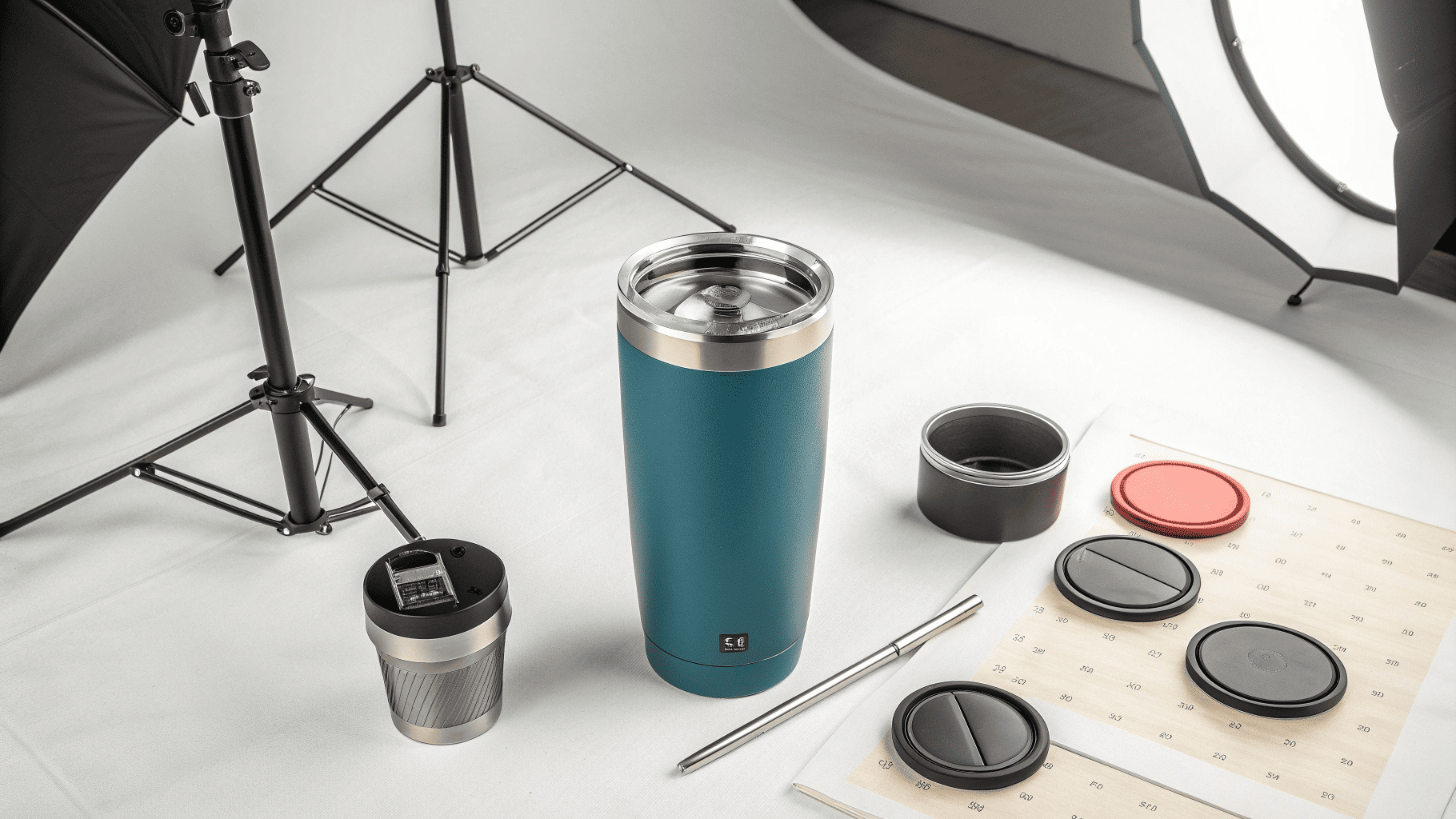
I work with buyers who need clear answers about compliance. They cannot afford mistakes when sourcing for kids. The regulations seem complicated at first. But I learned that good manufacturers make this simple. They test their products across all major safety frameworks2. They provide the certificates you need. Let me walk you through each concern.
Does stainless steel have a Prop 65 warning?
One buyer from California told me they saw Prop 65 warnings everywhere. They felt confused about stainless steel safety. They worried they would choose the wrong supplier. I explained that quality stainless steel does not trigger these warnings.
High-quality food-grade 304 stainless steel does not inherently require Prop 65 warnings. The material contains chromium and nickel as functional elements, not listed chemicals in harmful amounts. Reputable manufacturers explicitly certify their products as compliant with California Prop 65 standards.

Understanding 304 stainless steel composition
I need to explain what 304 stainless steel actually contains. The industry calls this material 18/8 stainless steel. The numbers mean something specific. The chromium content exceeds 18 percent. The nickel content exceeds 8 percent. These elements serve a purpose. They create corrosion resistance. They ensure the material stays safe for food contact.
The key elements in 304 stainless steel are nickel and chromium. These are not the chemicals that Prop 65 targets. California Prop 65 focuses on chemicals known to cause cancer or reproductive harm. Lead falls into this category. Cadmium does too. But chromium and nickel in food-grade stainless steel exist in stable forms. They do not migrate into food at dangerous levels.
I always tell buyers to check the certification documents3. Quality manufacturers test their products specifically for California Prop 65 compliance. They provide these certificates without you needing to ask. The certificates confirm that the stainless steel body contains no listed chemicals above the threshold levels. This gives you legal protection when you sell in California.
| Component | Material | Prop 65 Concern |
|---|---|---|
| Cup body | 304 stainless steel (18/8) | No warning needed |
| Lid | Food-grade silicone | Certified safe |
| Decorative coating | Lead-free paint | Must be tested |
| Accessories | BPA-free materials | Certified safe |
Can stainless steel cups contain lead?
I received an urgent email last year from a buyer. Their customer found a news article about lead in metal cups. They panicked. They wanted to cancel their order. I had to explain where lead contamination actually comes from in drinkware.
The 304 stainless steel body itself does not contain lead. Lead concerns arise from painted decorations, colored coatings, or low-quality accessories attached to cups. The austenitic 300 series stainless steel has low migration rates and strong corrosion resistance. Quality manufacturers explicitly certify lead-free status.

Where lead contamination actually occurs
I want to be clear about the real risks. The stainless steel body is not the problem. The 300 series stainless steel includes grades 304 and 316. These grades belong to the austenitic family. They have a low migration rate of harmful substances to food. They resist corrosion from various media. The material composition does not include lead.
The danger comes from other components. Some manufacturers use cheap paint for decorative patterns. These paints might contain lead-based pigments. Some use low-quality powder coating4. The coating process might introduce contamination. Silicone lids from unreliable sources might have additives. Even the packaging materials need checking.
I learned to ask specific questions during factory audits. Does the paint supplier provide lead-free certification? Do they test each batch of coating materials? Do they source silicone from certified suppliers? These questions reveal the manufacturer's true quality control system.
We test our products at independent laboratories. The test results show lead levels below detection limits. We provide these test reports to buyers. The reports cover not just the stainless steel body. They cover every component that touches the beverage. This includes lids, straws, and sealing rings.
| Risk Area | Lead Source | Prevention Method |
|---|---|---|
| Steel body | None (304 SS composition) | Use certified 304 grade |
| Surface decoration | Paint pigments | Use lead-free certified paints |
| Powder coating | Coating materials | Test each production batch |
| Silicone parts | Material additives | Source from certified suppliers |
| Assembly process | Cross-contamination | Maintain clean production lines |
Should I not buy products with Prop 65 warning?
A buyer once told me they automatically rejected anything with a Prop 65 warning. They thought it meant the product was dangerous. I explained this approach was too simple. Some warnings appear out of caution. Others signal real problems. You need to investigate.
Do not automatically dismiss products with Prop 65 warnings. Investigate which specific chemical triggers the warning and at what level. Many manufacturers proactively test and provide LFGB, REACH, FDA, and BPA-related certificates to demonstrate safety. The warning system requires disclosure at very low threshold levels that may still be safe.
Making informed decisions about Prop 65 warnings
I need to explain how Prop 65 actually works. California requires warnings when a product contains any listed chemical above specific threshold levels. These thresholds are extremely conservative. They include a large safety margin. A product might trigger a warning but still be perfectly safe for normal use.
The key is understanding what chemical causes the warning. Some manufacturers put warnings on products just to avoid legal liability. They never actually tested the product. They worry about potential lawsuits. So they add warnings as a precaution. This does not mean the product is unsafe. It means the manufacturer took a defensive legal position.
Other times the warning is specific and justified. A product might contain a small amount of a listed chemical. The amount exceeds the Prop 65 threshold. But it still falls below the levels that other countries consider safe. Different regulatory frameworks have different standards. FDA might approve something that requires a Prop 65 warning.
I always ask manufacturers for detailed test reports. The reports should identify specific chemicals tested. They should show the concentration levels found. They should compare these levels to both Prop 65 thresholds and FDA limits. This information lets you make an informed decision. You can explain to your customers why your product is safe despite a warning. Or you can choose a supplier with cleaner test results.
Quality manufacturers like us test for multiple frameworks simultaneously. We provide FDA certification. We provide LFGB certification from Europe. We provide REACH compliance documents. We provide Prop 65 test reports. When all these certifications align, you know the product is safe. The comprehensive testing proves that any Prop 65 warning is precautionary, not evidence of danger.
| Certification | What It Tests | Geographic Scope |
|---|---|---|
| FDA | Food contact safety, migration limits | United States |
| LFGB | Food contact materials, heavy metals | Germany/Europe |
| REACH | Chemical substances, restricted materials | European Union |
| Prop 65 | Listed chemicals above thresholds | California, USA |
| CPSIA | Lead, phthalates in children's products | United States |
The table shows how different certifications cover overlapping safety concerns. When a product meets all these standards, you can trust its safety. I provide all these certificates to my buyers. They use them to satisfy their customers. They use them to meet import requirements. They use them to protect their brand reputation.
Conclusion
Quality kids' stainless steel cups meet all major safety standards simultaneously. Check certificates, understand material composition, and work with manufacturers who provide comprehensive testing documentation.
-
Find out about the safety of chromium and nickel in food-grade stainless steel. ↩
-
Explore the various safety frameworks that govern children's product safety. ↩
-
Understand the importance of certification documents in ensuring product safety. ↩
-
Explore the safety of powder coating materials used in children's products. ↩