
Are insulated water bottles safe for hot and cold under LFGB for OEM buyers?
You need LFGB certification for European markets. Your customers expect safe bottles for both hot coffee and ice water. One wrong material choice can destroy your brand reputation overnight.
LFGB-certified insulated bottles use 304 stainless steel that safely handles both hot and cold beverages. The vacuum insulation1 prevents chemical leaching and maintains temperature without compromising safety for 12 hours hot and 24 hours cold.
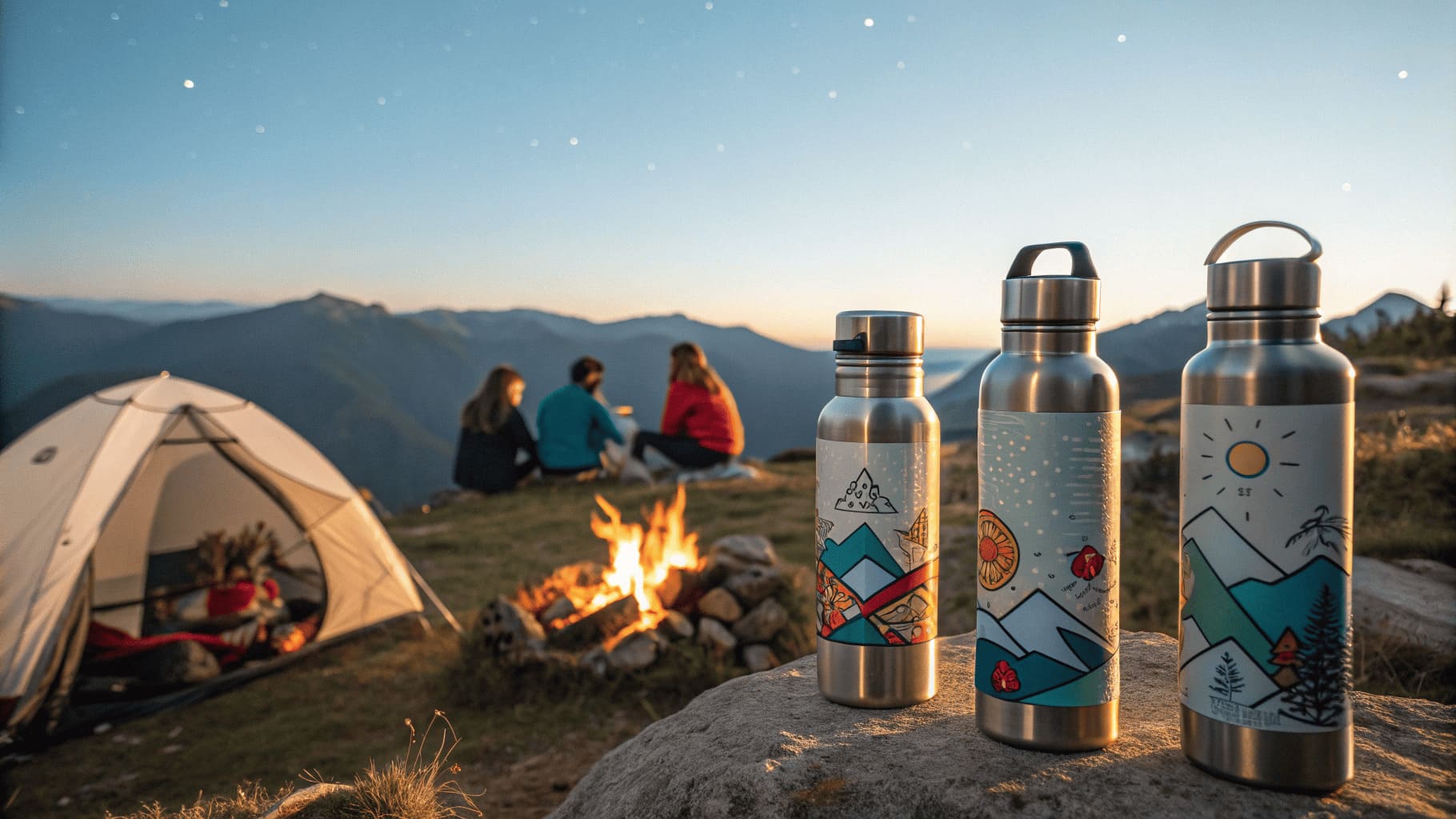
I've shipped thousands of insulated bottles to European distributors. The most common mistake I see is buyers who don't understand what LFGB really means for their product safety. This certification isn't just paperwork. It's your guarantee that every bottle can handle boiling water at 100°C and frozen ice without releasing harmful substances into beverages.
Can we store hot water in an insulated water bottle?
Hot water storage seems simple until a customer gets burned. Many buyers order bottles without checking the temperature rating. The consequences are product returns and legal claims.
Yes, you can store hot water safely in properly constructed insulated bottles. Quality 304 stainless steel2 bottles handle temperatures up to 100°C without degrading or releasing chemicals into your water.
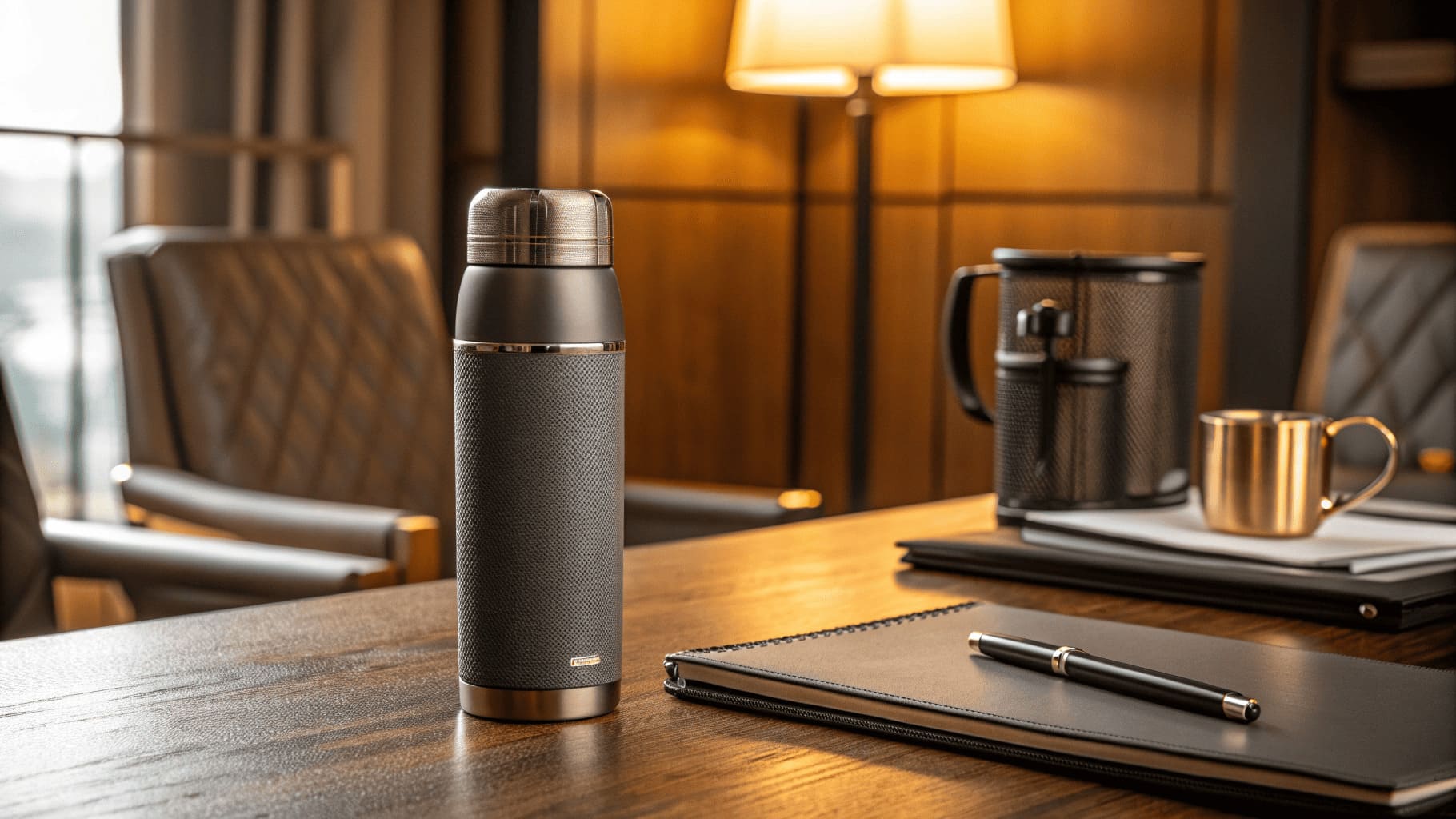
I remember a buyer from Toronto who ordered 5,000 bottles last year. He didn't specify the steel grade. His supplier used 201 stainless steel to cut costs. Within three months, his customers reported a metallic taste in their hot coffee. He had to recall the entire batch. That mistake cost him $47,000.
The safe hot water storage depends on three factors. First, you need 18/8 stainless steel construction. This means 18% chromium and 8% nickel content. Second, the vacuum seal between walls must be complete. Any air leak ruins the insulation and creates hot spots on the outer surface. Third, the lid assembly needs food-grade silicone gaskets3 rated for high temperatures.
| Component | Safe Material | Unsafe Alternative | Risk |
|---|---|---|---|
| Inner Wall | 304 SS (18/8) | 201 SS | Metallic taste, rust |
| Outer Wall | 304 SS | Painted steel | Paint chips, toxins |
| Gasket | Food-grade silicone | Regular rubber | Melts, leaches chemicals |
| Lid | BPA-free plastic/SS | Standard plastic | Warps, releases BPA |
The LFGB test specifically checks for heavy metal migration when hot liquids sit in the bottle for extended periods. I send samples to German testing labs four times a year. They fill bottles with hot acidic solutions and test for nickel, chromium, and manganese release. Your 304 stainless steel passes because the nickel content creates a stable passive layer that doesn't break down.
Can I put hot liquid in stainless steel?
Hot coffee, tea, soup—buyers ask me every week if stainless steel can handle these liquids. The short answer matters less than understanding why some stainless steel fails.
Premium 304 stainless steel safely contains hot liquids including coffee, tea, and soup up to 100°C. The material's chromium-nickel composition creates a protective layer that prevents corrosion and chemical reactions.
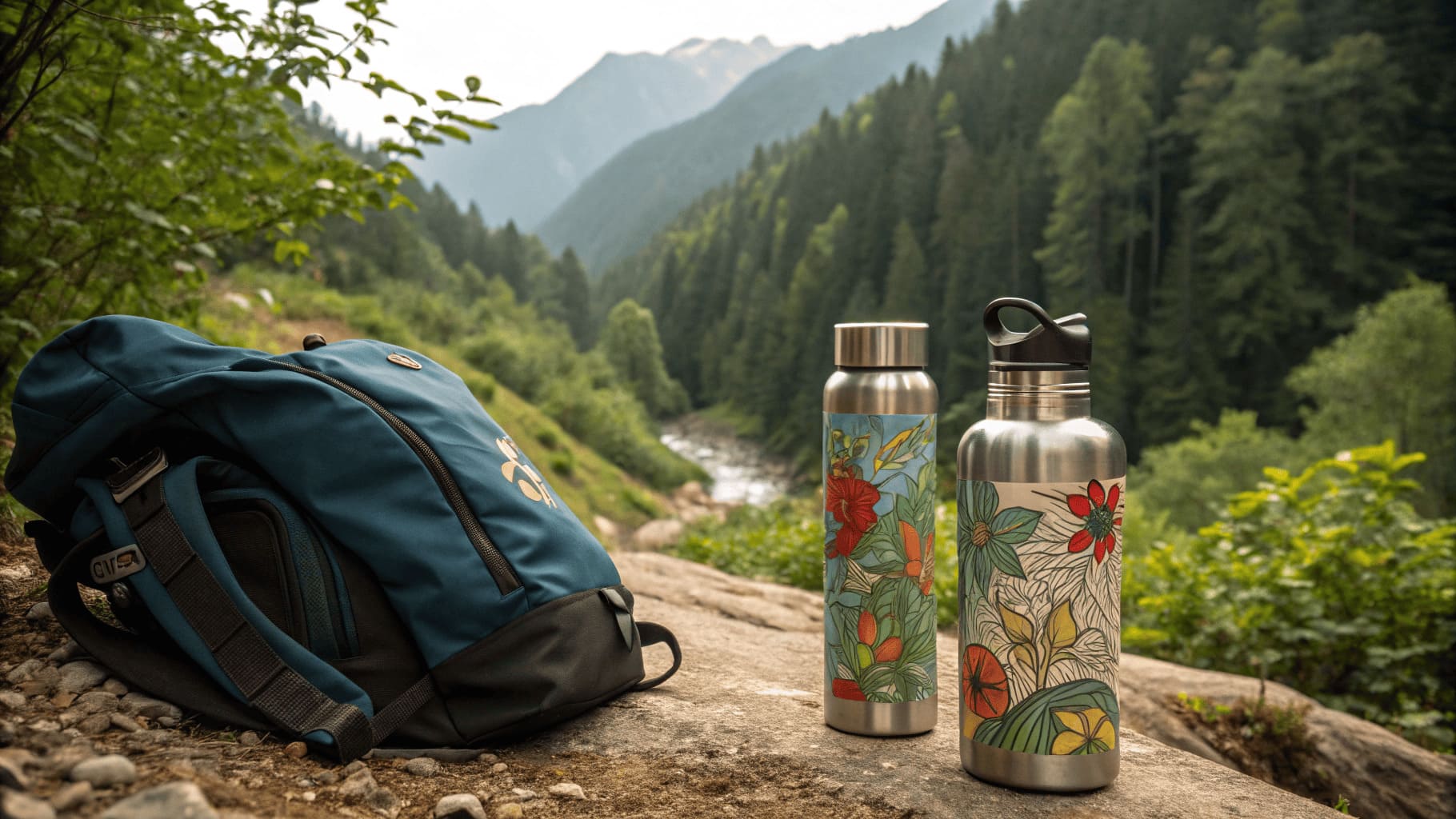
I source stainless steel from three suppliers. Two provide genuine 304 grade. One tried to substitute 201 grade last year without telling me. I caught it during routine testing. The 201 steel has 15% manganese and less than 1% nickel. Hot acidic beverages like coffee attack this composition. The manganese leaches into the liquid. German LFGB standards specifically reject this.
Your hot liquid safety checklist must include these verification steps. Ask your supplier for the mill certificate showing exact steel composition. The certificate should state 18% chromium minimum and 8% nickel minimum. Next, request LFGB test reports less than one year old. Old certificates mean nothing because suppliers can change materials between production runs. Finally, test the magnetic properties. Real 304 stainless steel shows weak magnetic response. Strong magnetic attraction indicates cheaper ferritic steel with iron content that rusts.
| Steel Grade | Chromium % | Nickel % | Manganese % | Hot Liquid Safe | LFGB Approved |
|---|---|---|---|---|---|
| 304 (18/8) | 18-20 | 8-10.5 | ≤2 | Yes | Yes |
| 201 | 16-18 | 0.5-1.5 | 5.5-7.5 | No | No |
| 430 | 16-18 | 0 | ≤1 | Limited | Depends |
The double-wall vacuum construction adds another safety layer. When you pour 95°C coffee into a single-wall bottle, the outer surface reaches 85°C within minutes. That's hot enough to burn skin. The vacuum gap in double-wall bottles keeps the outer surface at room temperature even when the inside holds boiling water. This isn't just comfort. It's liability protection.
I learned this from a painful experience five years ago. A Canadian buyer ordered single-wall bottles for a promotional campaign. His customer's child grabbed the bottle filled with hot chocolate. Second-degree burns. The lawsuit cost him $23,000. Now I refuse to make single-wall bottles for hot beverages regardless of order quantity.
How long can water stay in an insulated water bottle?
Temperature retention determines your product's value proposition. Buyers often confuse the duration water can stay in a bottle with how long it stays hot or cold.
Water can stay safely in a clean insulated bottle indefinitely. However, LFGB-certified bottles maintain hot beverages at drinking temperature for 12 hours and cold beverages chilled for 24 hours through vacuum insulation technology.
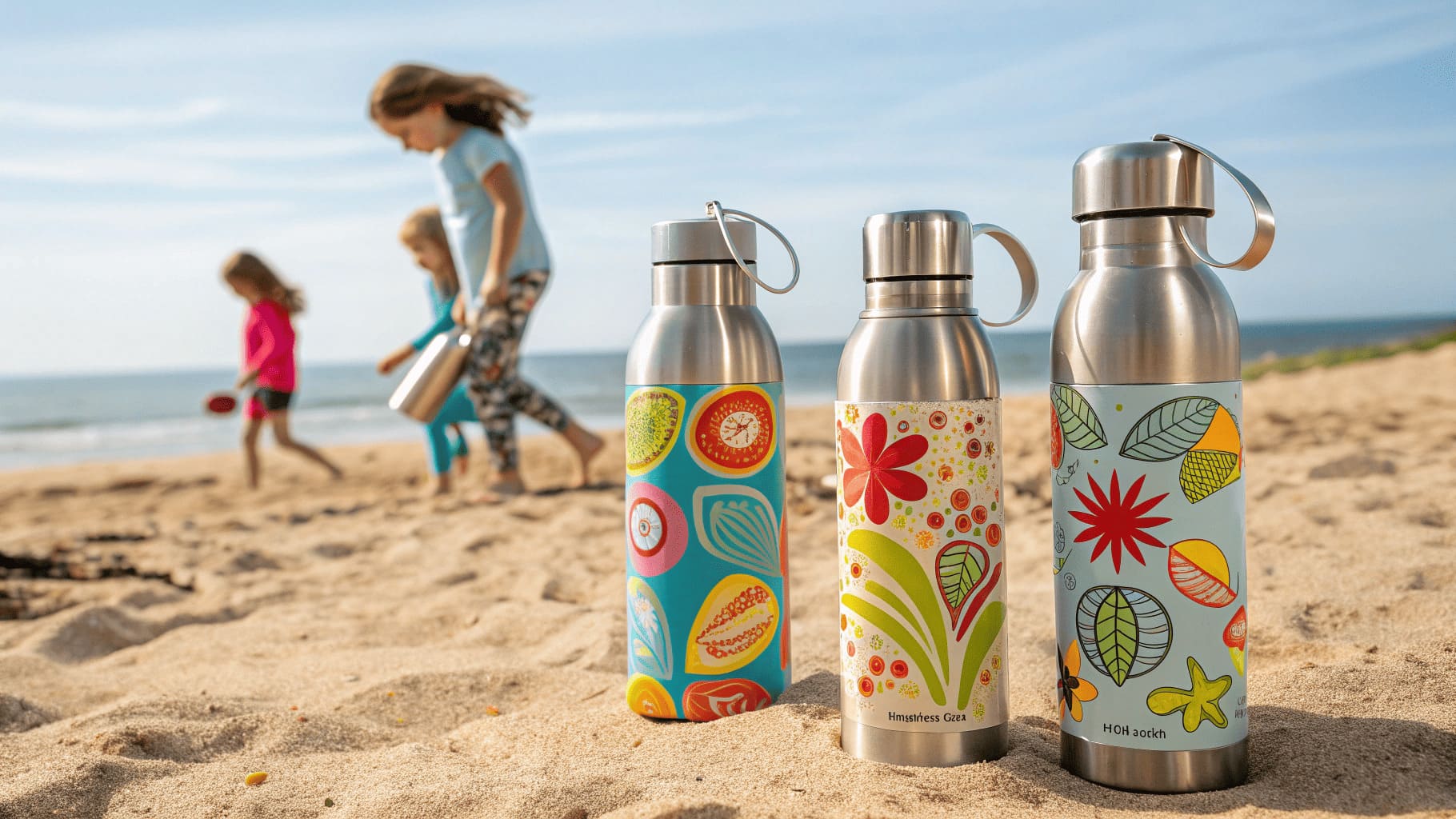
The retention time depends on physics and manufacturing precision. I'll break this down into simple terms. The vacuum between walls blocks heat transfer through conduction and convection. The reflective coating on inner walls reduces radiation heat loss. The quality of these two factors determines your retention numbers.
Last month I compared bottles from three factories. Factory A claimed 24-hour hot retention. Their bottles kept water above 60°C for only 8 hours. I cut one open. The vacuum pressure was weak at 0.01 Pa instead of the required 0.001 Pa. Factory B achieved 12-hour hot retention consistently. Their vacuum sealing process uses proper degassing and sealing procedures. Factory C exceeded specifications at 14 hours hot retention because they added a copper coating4 to the inner wall for better reflection.
| Retention Factor | Impact on Duration | Testing Method |
|---|---|---|
| Vacuum Pressure | High = longer retention | Helium leak test |
| Wall Thickness | Thicker = better insulation | Micrometer measurement |
| Coating Quality | Reflective = reduced radiation loss | Visual inspection |
| Seal Integrity | Tight = no air infiltration | Pressure hold test |
| Opening Frequency | Less = better retention | Real-world usage test |
For OEM buyers targeting European markets, you need to understand the LFGB testing protocol. German labs fill bottles with hot water at exactly 95°C. They seal the bottle and measure temperature every hour for 24 hours. The water must stay above 60°C for at least 6 hours to pass the basic standard. Premium bottles maintain 70°C or higher for 12 hours.
The cold retention test works differently. Labs chill water to 4°C with ice cubes. They fill the bottle and measure temperature for 48 hours. The water should stay below 10°C for at least 24 hours. This matters because bacteria grow rapidly above 10°C. Your customers in Germany expect their cold beverages to stay safe all day without refrigeration.
I recommend you specify performance standards in your purchase contracts. Write "maintain temperature above 65°C for 12 hours when filled with 95°C water" instead of vague claims like "keeps drinks hot." This protects you when suppliers deliver substandard products. I include penalty clauses that dock 5% payment for each hour below specification.
The practical storage duration also depends on liquid type. Plain water stays safe indefinitely in clean bottles. Coffee and tea develop off-flavors after 12 hours due to oxidation, not safety issues. Dairy-based drinks like milk or protein shakes need refrigeration after 2 hours regardless of bottle quality. Fruit juices with high acidity can stay fresh for 24 hours. I always educate my buyers about these differences because customer complaints often stem from improper use rather than product defects.
Conclusion
LFGB-certified 304 stainless steel bottles safely handle both hot and cold beverages with proven 12-hour hot and 24-hour cold retention for European market compliance.
-
Vacuum insulation technology is key to maintaining beverage temperature and preventing chemical leaching. ↩
-
304 stainless steel is known for its durability and safety, making it ideal for hot and cold beverages. ↩
-
Food-grade silicone gaskets ensure safe sealing and prevent chemical leaching in insulated bottles. ↩
-
Copper coating improves thermal performance, enhancing the insulation capabilities of your bottles. ↩