
Are Insulated Tumbler Mugs with Nurse Graphics Compliant for Healthcare Gifting?
Last month, a Canadian buyer contacted me about nurse appreciation tumblers. He needed 2,000 units but worried about compliance issues. His procurement department had rejected three previous orders from other suppliers. The reason? None could document pricing transparency for healthcare gifting regulations.
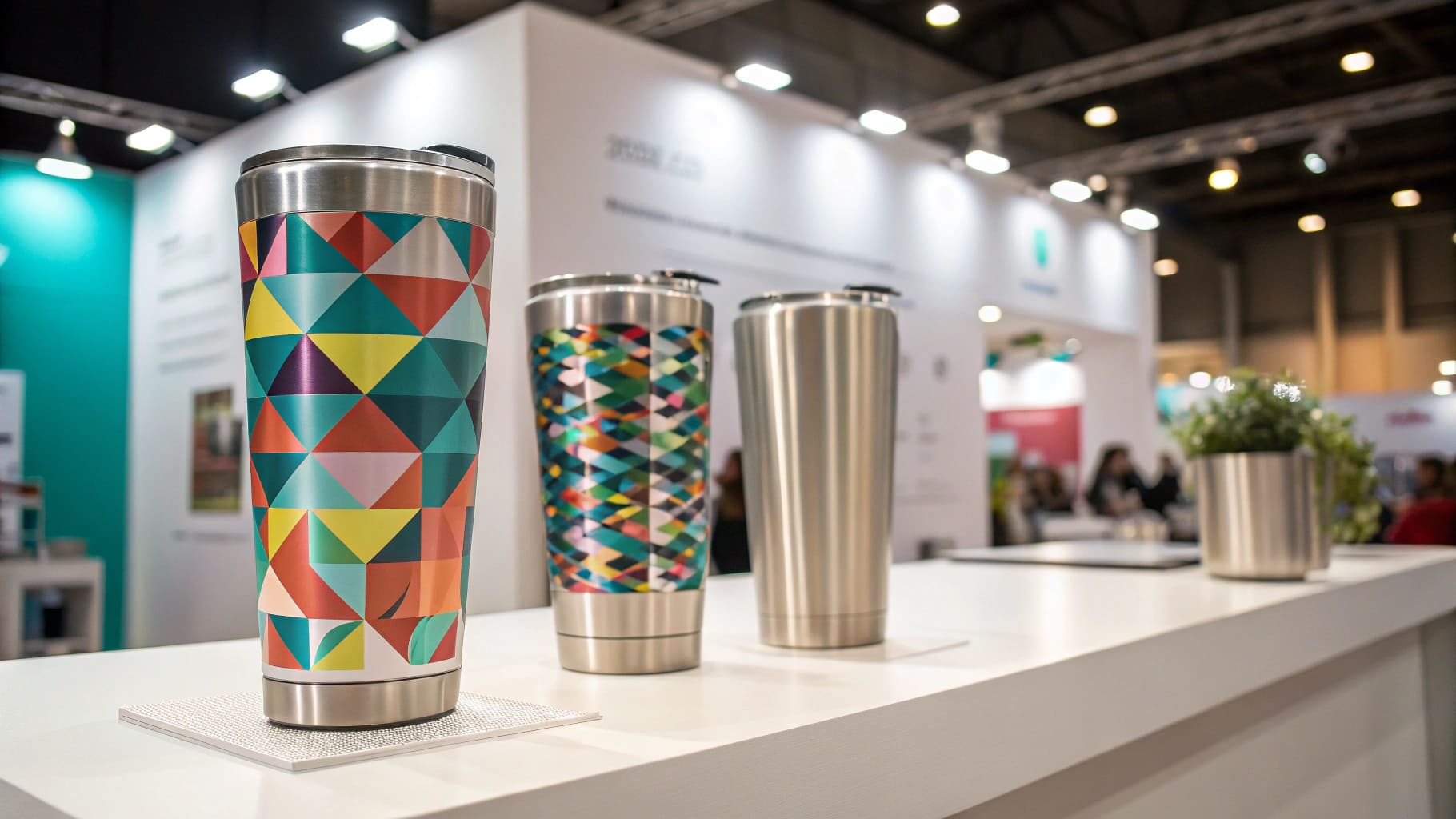
Yes, insulated tumbler mugs with nurse graphics can be compliant for healthcare gifting when properly sourced. Compliance depends on unit cost documentation, transparent pricing structures, and adherence to institutional gifting thresholds of $10-25 per recipient. Graphics must avoid brand endorsement implications while meeting food-grade safety standards1.
I work with healthcare distributors every quarter. Most face the same challenge: balancing practical gifts with strict regulations. Let me walk you through what I have learned from these partnerships.
What Is an Insulated Mug Called?
You walk into a meeting with a hospital procurement officer. They ask for "vacuum bottles" but actually mean insulated mugs. Confusion wastes everyone's time. I see this communication gap weekly.
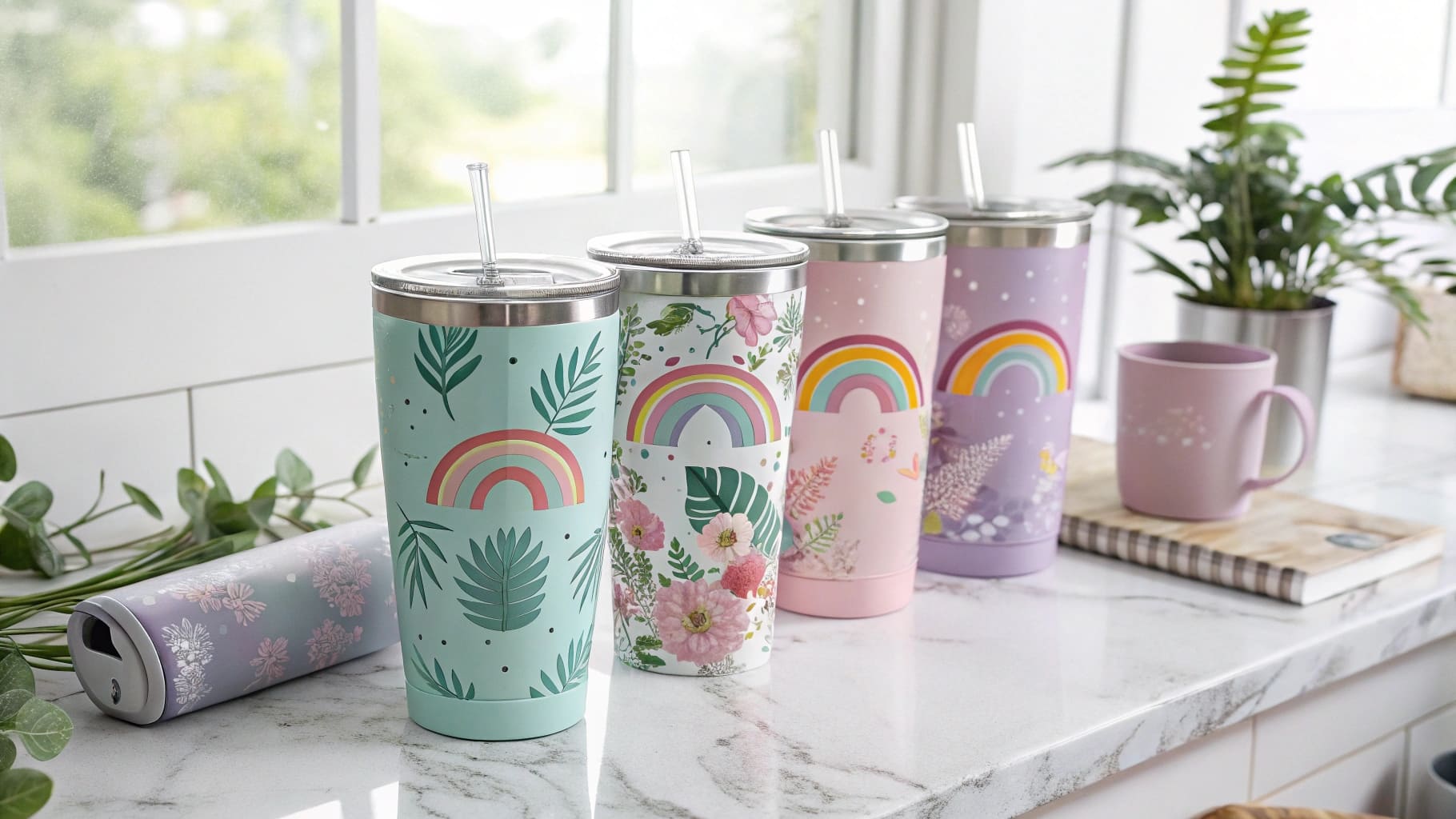
An insulated mug is called a vacuum insulated mug or double-wall insulated mug2. The vacuum layer between two stainless steel walls prevents heat transfer. This design keeps beverages hot for 12 hours and cold for 24 hours without external condensation.
The terminology matters more than you think. When I quote prices to North American buyers, I always clarify the exact product type. Here is what different terms actually mean in our factory.
A vacuum insulated mug uses double-wall construction with air removed from the gap between walls. The vacuum stops heat conduction. We manufacture these with 18/8 food-grade stainless steel. The inner wall touches your beverage. The outer wall stays room temperature.
Some buyers call them thermal mugs3 or insulated coffee mugs. These terms work too. The key feature stays the same: vacuum insulation technology. When you source for healthcare gifting, the technical name matters less than the compliance documentation.
Most healthcare organizations prefer the term "insulated tumbler mug" in their RFQ documents. This combines mug functionality with tumbler portability. I always mirror their terminology in quotes to avoid confusion.
| Term | Common Usage | Technical Accuracy |
|---|---|---|
| Vacuum Insulated Mug | Professional/Industrial | High |
| Thermal Mug | Consumer/Retail | Medium |
| Insulated Coffee Mug | Marketing/Casual | Medium |
| Double-Wall Mug | Technical Specifications | High |
The manufacturing process determines the actual insulation performance. I tell buyers to focus on vacuum quality rather than terminology. A poorly manufactured "vacuum mug" performs worse than a well-made "thermal mug."
What Is the Difference Between a Mug and a Tumbler?
A hospital in Texas ordered 500 "mugs" from me last year. They received tumblers instead. The sales rep misunderstood their needs. I had to remake the entire order. This mistake cost us $2,400 and three weeks.
A mug features a handle and wider opening designed for hot beverages consumed while stationary. A tumbler has a cylindrical handleless design that fits cupholders, optimized for cold beverages and mobile use. Mugs prioritize sipping comfort while tumblers emphasize portability and spill prevention.
Understanding this difference saves healthcare buyers from specification errors. Let me break down the practical implications for nurse gifting programs.
Mugs work best for break room settings. Nurses drink coffee at their stations. The handle stays cool even with hot contents. The wider opening allows faster cooling and easier cleaning. Most insulated mugs hold 12-16 oz, matching standard coffee servings.
Tumblers suit active healthcare environments better. They fit in cupholder-equipped mobile carts. The narrow opening reduces spill risk during patient rounds. Tumblers typically hold 20-30 oz, supporting hydration throughout long shifts.
I manufacture both types. Healthcare buyers should consider the actual use environment. Operating room nurses need different drinkware than administrative staff. Tumblers with secure lids work better for mobile nursing roles. Mugs suit stationary positions like triage or reception.
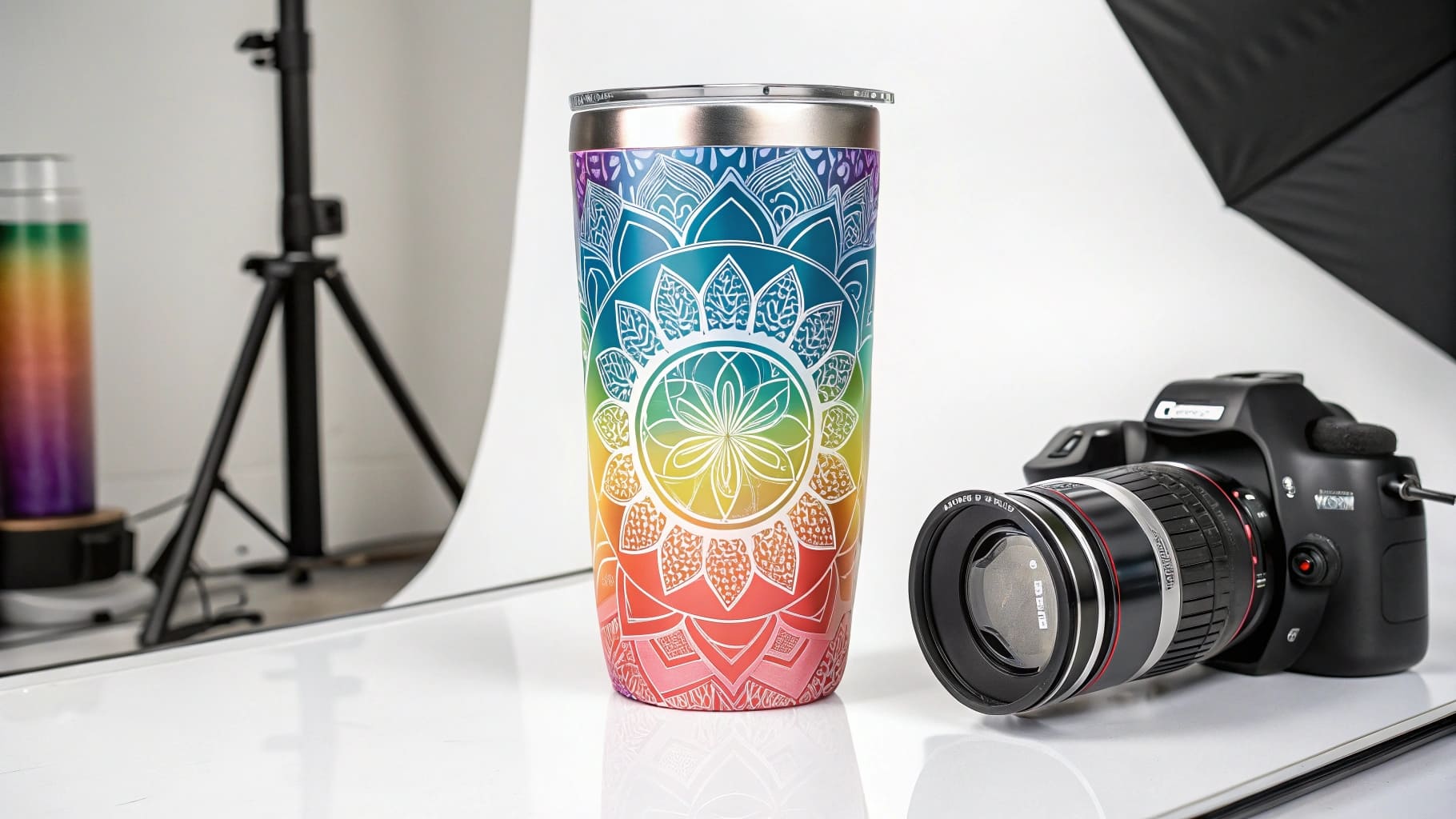
The customization options4 differ too. Mug handles limit graphic placement area. You can only print on the outer body. Tumblers offer 360-degree graphic possibilities. For nurse appreciation gifts, this affects how prominently you can display medical symbols or appreciation messages.
| Feature | Insulated Mug | Insulated Tumbler |
|---|---|---|
| Handle | Yes | No |
| Cupholder Fit | Usually No | Yes |
| Primary Use | Stationary/Hot Drinks | Mobile/Cold Drinks |
| Typical Volume | 12-16 oz | 20-30 oz |
| Graphic Area | Limited by Handle | 360-degree |
| Spill Risk | Higher | Lower with Lid |
Price differences matter for compliance. Mugs cost $0.50-1.00 more per unit due to handle welding complexity. For bulk healthcare orders staying under $15 per item, this affects how much you can spend on customization.
Why Shouldn't You Put Carbonated Drinks in a Yeti?
I received an angry email once. A healthcare distributor's client complained that our nurse-themed tumbler "exploded" when opened. The nurse had stored Coca-Cola in it overnight. The pressure buildup forced the lid off suddenly. The incident nearly caused a compliance complaint.
Carbonated drinks should not be stored in sealed vacuum insulated vessels because carbonation creates internal pressure as CO2 escapes the liquid. This pressure can compromise lid seals or cause sudden violent opening. The sealed environment prevents pressure release, unlike open containers where carbonation dissipates safely into air.
This technical limitation becomes a liability issue for healthcare gifting. Buyers must communicate usage restrictions clearly when distributing these items. I now include warning cards with every healthcare order.
The science behind this issue is simple. Carbonated beverages contain dissolved carbon dioxide under pressure. In an open container, CO2 gradually escapes. You see this as bubbles. In a sealed vacuum insulated tumbler, the CO2 has nowhere to go. It builds pressure inside the vessel.
Temperature changes make this worse. If you seal a cold carbonated drink then let it warm up, the pressure increases dramatically. In healthcare settings where tumblers sit in warm break rooms or cars, this creates a safety hazard.
The vacuum insulation itself contributes to the problem. Regular containers allow some pressure to escape through material porosity or loose caps. Vacuum insulated tumblers seal extremely well to maintain temperature. This perfect seal traps all the pressure inside.
I have tested this in our factory. We sealed Sprite in one of our 20oz tumblers. After 4 hours at room temperature, the internal pressure measured 30 PSI. That is enough to shoot the lid off violently. Some liquid sprayed out when we carefully opened it.
For healthcare compliance, this matters because:
- Injury risk violates workplace safety standards
- Spills damage medical equipment or records
- Sudden loud noises disrupt patient care environments
- Sticky residue creates cleaning burdens
I recommend buyers include clear usage instructions with nurse-themed tumblers. The warning should appear on the packaging and any accompanying gift cards. Some buyers print it directly on the tumbler bottom using laser engraving.
Alternative solutions exist. Some manufacturers offer pressure-relief lids specifically for carbonated beverages. These lids cost $1.50-2.00 more per unit. For healthcare gifting programs with tight budgets, this usually exceeds the compliance threshold.
The better approach is clear communication. I provide buyers with pre-written warning text they can include in their gift presentations. Most healthcare workers understand the limitation once explained. They appreciate practical drinkware even with usage restrictions.
How Do Healthcare Compliance Requirements Affect Tumbler Sourcing?
I spent six hours on a call last quarter. A hospital network in Vancouver needed 5,000 nurse appreciation tumblers. Their legal department required documentation I had never provided before. Supply chain transparency. Labor compliance certificates. Material origin statements. Value attestation forms.
Healthcare gifting compliance requires transparent unit cost documentation, food-grade material certifications, and pricing that keeps total gift value under institutional thresholds of $10-25 per recipient. Suppliers must provide detailed invoicing that separates base cost, customization fees, and shipping to demonstrate compliance during audits.
This requirement separates professional B2B suppliers from general merchandise vendors. I have adapted our quotation process specifically for healthcare buyers. Let me explain what documentation actually matters.
Anti-kickback regulations govern healthcare gifting in most developed markets. These laws prevent gifts that could influence purchasing decisions or referrals. For employee recognition programs, the rules focus on monetary value. Gifts exceeding specific thresholds require reporting or become prohibited entirely.
In the United States, most healthcare organizations follow a $10-25 per item limit. Canada typically uses similar thresholds. European healthcare systems often have stricter limits, sometimes as low as €5-10. I always ask buyers their specific institutional policy before quoting.
The documentation burden falls on the buyer, but suppliers enable compliance. I provide itemized quotes showing base tumbler cost, graphic setup fees, logo printing cost per unit, packaging expenses, and shipping. This breakdown lets buyers demonstrate to auditors that the gift value stays within limits.
Food-grade certification becomes mandatory. Healthcare environments require products that meet safety standards. For stainless steel tumblers, this means 18/8 stainless steel composition, FDA-approved powder coating, and BPA-free lids. I provide certification documents with every healthcare order.
Material origin matters too. Some healthcare buyers require US-sourced materials or fair-trade certifications. I manufacture in China, so I am transparent about this. We provide factory audit reports and labor compliance certificates5. Some buyers cannot work with Chinese suppliers due to institutional policies. I appreciate when they tell me this upfront rather than wasting time on quotes.
The customization cost significantly impacts compliance. Laser engraving costs $1.50-2.50 per tumbler. Screen printing costs $0.80-1.20 per unit. Powder coating in custom colors adds $1.00-1.50. For a basic stainless steel tumbler starting at $4.50 FOB, customization can push the unit cost to $8.00-9.00 before shipping and duties.
Buyers must calculate landed cost, not just FOB price. A tumbler quoted at $7.00 FOB might cost $11.00 landed after shipping, duties, and domestic freight. This exceeds many compliance thresholds. I help buyers run these calculations during the quoting process.
| Cost Component | Typical Range | Compliance Impact |
|---|---|---|
| Base Tumbler (20oz) | $4.50-6.50 | Foundation |
| Logo Printing | $0.80-2.50 | Moderate |
| Custom Color | $1.00-1.50 | Moderate |
| Packaging | $0.30-0.80 | Low |
| Shipping (per unit) | $1.00-2.00 | High |
| Duties/Taxes | 10-25% of FOB | High |
Minimum order quantities affect healthcare buyers differently. I require 500-unit MOQs for custom graphics. Smaller healthcare departments cannot meet this threshold. They must join consortium purchasing or accept stock designs. Some buyers coordinate with multiple departments to aggregate orders.
The graphic content itself faces restrictions. Nurse-themed designs cannot imply brand endorsements or create perceived obligations. I avoid pharmaceutical logos, specific hospital system branding that could suggest partnerships, or messages that imply reciprocity. Simple medical symbols, appreciation text, or generic nursing imagery work best.
I worked with a buyer who needed compliance-ready documentation templates. I now provide a standard healthcare gifting package including itemized invoices, material safety data sheets, food-grade certifications, factory audit reports, and a value attestation letter. This documentation set costs me time but closes healthcare deals that other suppliers lose.
What Customization Options Keep Nurse Tumblers Within Compliance Budgets?
I quoted a project last month for 1,000 nurse appreciation tumblers. The buyer wanted full-color graphics, custom powder coating6, laser engraving, and premium gift boxes. The unit cost came to $18.50 landed. Their compliance limit was $12.00. We had to restart the entire specification process.
Budget-compliant customization for nurse tumblers relies on screen printing for graphics, stock stainless steel finish, standard silicone lids, and minimal packaging. This combination keeps unit costs at $6.00-8.00 FOB, allowing room for shipping and duties while staying under $12-15 landed cost limits.
Knowing which customization features provide maximum visual impact at minimum cost helps healthcare buyers make smart specification decisions. I will break down the cost-benefit analysis of each option.
Screen printing offers the best value for nurse graphics. Setup costs $80-150 for one-color designs. Per-unit printing adds only $0.80-1.20. The graphics look professional and withstand 1,000+ dishwasher cycles. I recommend one or two-color designs featuring nursing symbols, appreciation text, or simple illustrations.
Laser engraving creates a premium appearance but costs more. The per-unit price runs $1.50-2.50. The engraved area shows the natural steel color against the outer finish. This works beautifully on colored tumblers but barely shows on plain stainless steel. Healthcare buyers often choose this for executive gifts where higher unit costs are acceptable.
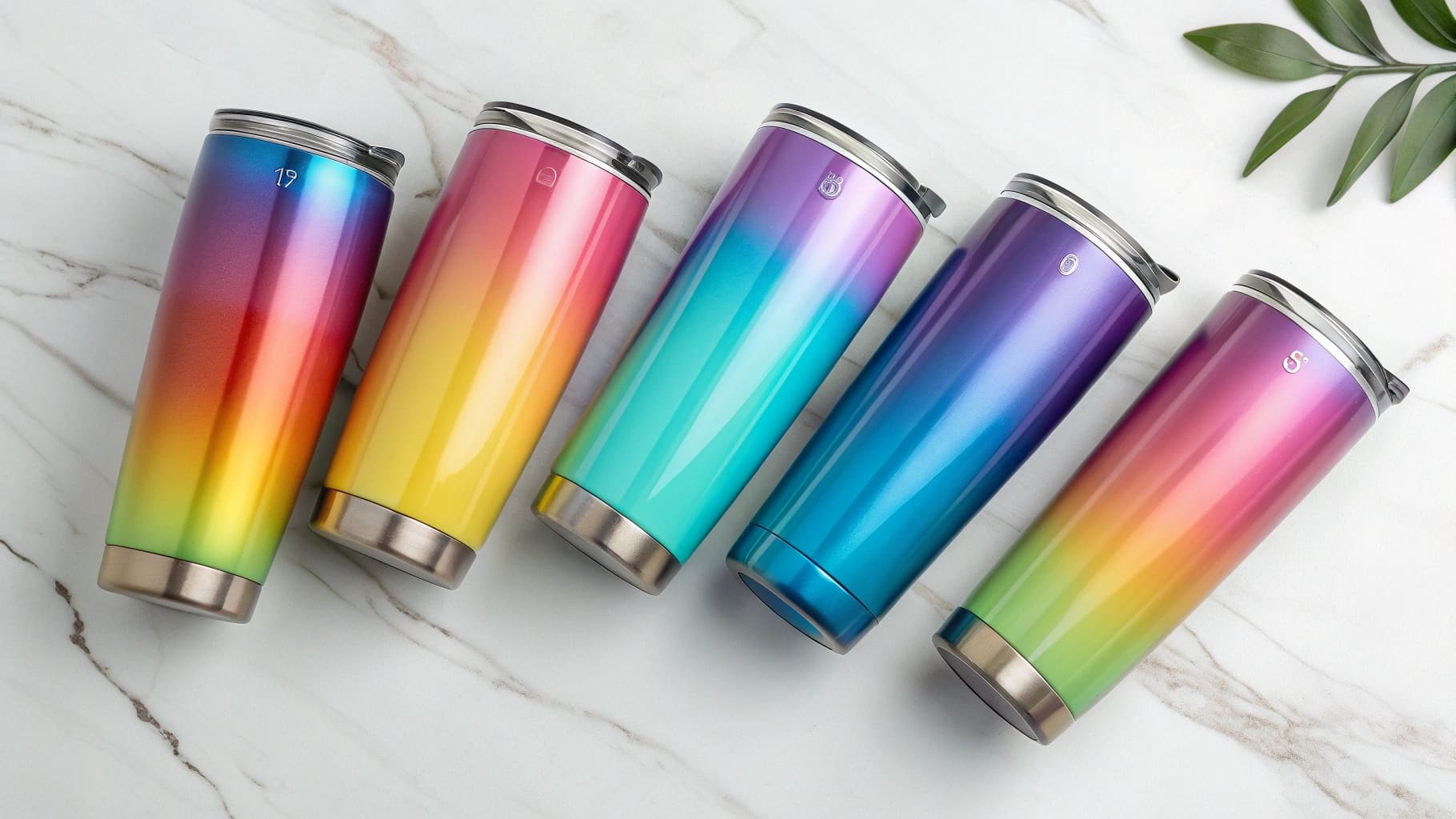
Powder coating in custom colors adds $1.00-1.50 per tumbler. Stock colors like white, black, or silver cost nothing extra. For nurse appreciation programs, I suggest using stock stainless steel finish with colorful screen-printed graphics. This saves the powder coating cost while still looking attractive.
Full-color printing using pad printing or heat transfer costs $2.00-3.50 per unit. The graphics look impressive but quickly exceed compliance budgets. I reserve this option for smaller executive appreciation programs rather than large-scale nurse gifting.
Lid options affect both cost and functionality. This separates the compliant gift (tumbler) from the personalized message (card), keeping the tumbler value clearly documented.
The MOQ negotiation matters for smaller healthcare facilities. I typically require 500 units for custom graphics. But I work with buyers who aggregate orders from multiple departments or facilities. A regional healthcare network can combine orders from five clinics to reach volume pricing while keeping per-location quantities manageable.
How Should Healthcare Buyers Communicate Usage Guidelines with Nurse Tumblers?
Three months ago, a buyer called me frustrated. Their nurses loved the appreciation tumblers but several complained about lid leaks. After investigation, I discovered the nurses were using them for smoothies with large fruit chunks. The debris prevented proper lid sealing. Nobody had explained the product limitations.
Usage guidelines should accompany every healthcare tumbler distribution through printed insert cards specifying temperature limits, carbonation restrictions, liquid type recommendations, and cleaning instructions. Clear communication prevents product dissatisfaction and liability issues while maximizing the gift's practical value for nursing staff.
I now provide buyers with template language for usage guidelines. This protects both the distributor and the end recipient. The communication approach matters as much as the product specification.
The insert card should be simple and direct. Nurses work in high-stress environments. They will not read lengthy instructions. I recommend a 4x6 inch card with bullet points covering essential information. The card fits inside the tumbler during packaging, ensuring recipients see it immediately.
Essential usage guidelines include liquid type restrictions. Tumblers work perfectly for water, coffee, tea, juice, and sports drinks. They should not be used for carbonated beverages when sealed, dairy-based drinks stored longer than 4 hours, or liquids with large particles that block lid seals.
Temperature guidance prevents misuse. These tumblers maintain hot beverages at 140-160°F for up to 12 hours. They keep cold drinks at 35-45°F for up to 24 hours. Recipients should not microwave the tumblers or put them in freezers. The vacuum insulation fails under extreme temperature cycling.
Cleaning instructions affect longevity. Hand washing with warm soapy water preserves the vacuum seal best. Dishwasher use is acceptable but may reduce insulation performance over time. Recipients should avoid abrasive cleaners that damage the interior finish or graphics.
Lid maintenance often gets overlooked. The rubber gasket in screw-on lids needs periodic cleaning to prevent mold growth. I recommend removing and washing the gasket weekly. Replacement gaskets cost only $0.30-0.50, but most recipients never think about this until the lid starts leaking.
Some healthcare buyers include QR codes linking to video demonstrations. This works well for tech-savvy nursing staff. The video shows proper lid attachment, cleaning procedures, and usage tips. Production costs $200-400 but serves unlimited recipients through a simple printed QR code.
I also suggest including my direct contact information on the insert card. If nurses experience product issues, they can reach me instead of complaining to the gifting organization. This protects the buyer's reputation while giving me opportunities to provide customer service that builds future business.
The liability protection aspect matters for healthcare organizations. Clear usage guidelines with documented distribution create a reasonable care defense if someone misuses the product. I have seen buyers avoid legal issues because they could demonstrate proper safety communication.
One creative approach I have seen uses gamification. A hospital in Ontario created a "tumbler care challenge" where nurses shared photos of their well-maintained tumblers on an internal social media platform. This encouraged proper care while building community engagement around the appreciation gift.
What Documentation Should B2B Buyers Request from Tumbler Suppliers?
Last year, a healthcare buyer lost a $45,000 order during an audit. They could not prove their nurse appreciation tumblers met food-grade standards. Their supplier had provided only a basic invoice. No certifications. No material specifications. The compliance department rejected the entire program retroactively.
B2B buyers should request itemized quotes separating all cost components, material safety data sheets, food-grade compliance certificates, factory audit reports, manufacturing process documentation, and sample approval records. This documentation package enables compliance verification and protects buyers during institutional audits.
I maintain a documentation checklist specifically for healthcare orders. This ensures buyers receive everything needed for compliance before production begins. The upfront documentation effort prevents downstream audit failures.
The itemized quote must break down every cost element. Base tumbler price, graphic setup fees, per-unit printing costs, lid costs, packaging expenses, shipping estimates, and duty calculations should all appear as separate line items. This transparency lets buyers demonstrate to auditors exactly how the gift value was calculated.
Material safety data sheets confirm chemical composition. For stainless steel tumblers, the MSDS should specify 18/8 stainless steel composition, powder coating material specifications, and lid component materials. Healthcare organizations need this documentation to ensure products meet institutional safety standards.
Food-grade compliance certificates prove the product is safe for beverage contact. I provide FDA certification for the United States and LFGB certification for Europe. These certificates should show the testing laboratory, test dates, and specific compliance standards met. Generic certificates without testing details are worthless during audits.
Factory audit reports demonstrate ethical manufacturing. Many healthcare organizations require suppliers to meet labor standards and environmental regulations. I provide BSCI audit reports and ISO 9001 certification. Some buyers request specific audits like SEDEX or SA8000. I accommodate these requests when possible.
Manufacturing process documentation shows quality control. This includes production flow charts, quality checkpoints, defect rates, and inspection procedures. Healthcare buyers use this information to assess supplier reliability and predict product consistency across large orders.
Sample approval records create a legal reference point. Before production, I send samples for buyer approval. The buyer signs off on the sample quality, graphics placement, and specifications. This signed approval protects both parties if disputes arise about the final product meeting expectations.
Country of origin documentation matters for customs and institutional purchasing policies. I provide commercial invoices, packing lists, and certificates of origin. Some healthcare organizations restrict purchases from specific countries. Clear origin documentation prevents surprises after orders are placed.
Insurance certificates protect buyers from supplier failures. I carry product liability insurance up to $2 million. The certificate names the buyer as an additional insured party for large healthcare orders. This transfers some risk away from the buyer's organization.
Timeline documentation establishes realistic expectations. I provide production schedules showing each manufacturing stage, quality control checkpoints, and shipping milestones. Healthcare buyers often need gifts delivered for specific appreciation events. Clear timeline documentation helps them plan around our actual capabilities.
I also maintain a document retention policy. All order documentation stays on file for five years. If a healthcare organization faces a compliance audit three years after purchasing tumblers, I can still provide the original certificates and specifications. This long-term documentation support differentiates professional B2B suppliers from casual vendors.
One documentation element buyers often forget is the customization artwork approval. I require buyers to sign off on digital proofs showing exactly how graphics will appear on the tumbler. This proof includes color specifications, placement measurements, and final design. Without signed artwork approval, disputes about graphic quality become impossible to resolve.
Conclusion
Healthcare gifting compliance transforms simple promotional product purchases into complex procurement projects requiring documentation, specification precision, and supplier transparency. Insulated tumbler mugs with nurse graphics can meet institutional requirements when buyers prioritize value verification, clear usage communication, and proper supplier documentation over superficial customization appeal.
-
This resource will clarify the food-grade safety standards necessary for healthcare gifting compliance. ↩
-
Explore this link to learn about the technology behind double-wall insulated mugs and their applications. ↩
-
This resource will help you understand the differences between thermal mugs and insulated mugs for better sourcing. ↩
-
Explore various customization options for nurse tumblers to enhance their appeal while maintaining compliance. ↩
-
Learn about the importance of labor compliance certificates in ensuring ethical sourcing for healthcare gifts. ↩
-
Explore the implications of custom powder coating on costs and compliance for healthcare gifts. ↩