
Are Insulated Straw-Cap Water Bottles Dishwasher-Safe Under OEM Test Plans?
You spend months finding the perfect insulated water bottle supplier. Then your customers complain about damaged lids after one dishwasher cycle. Your reputation takes the hit, not the manufacturer's.
Most insulated straw-cap water bottles are NOT fully dishwasher-safe1. The bottle body can handle dishwasher heat, but straw mechanisms, silicone seals, and vacuum integrity often fail under repeated high-temperature cycles. OEM test plans verify which specific components survive dishwasher use and which require hand-washing.
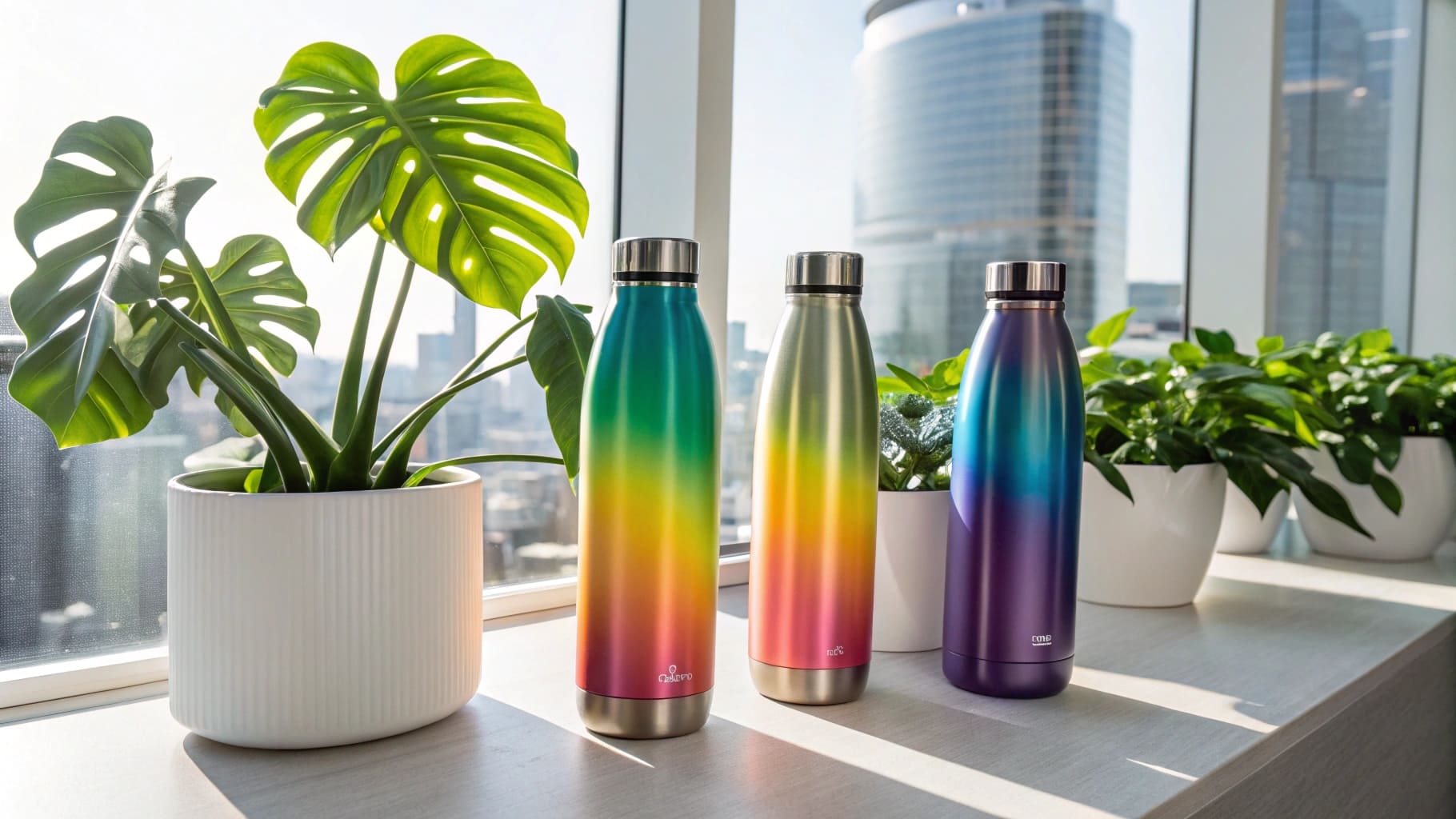
I learned this the hard way during my early days at Icobottle. A Canadian distributor returned an entire shipment because the straw caps warped in commercial dishwashers. The manufacturer claimed "dishwasher-safe" on their spec sheet. But they never specified which parts or which dishwasher settings. That costly mistake taught me to demand component-level testing documentation from every supplier.
Can You Put Insulated Water Bottles in the Dishwasher?
Your customers expect convenience. They want to toss everything into the dishwasher after a long day. But vacuum-insulated bottles are complex products that respond differently to high heat than regular drinkware.
You can put most insulated water bottle bodies in the dishwasher, but the vacuum seal may degrade over time. Hand-washing extends product life significantly. Straw caps, silicone seals2, and plastic components require case-by-case evaluation based on materials and construction quality.
Understanding Multi-Component Construction
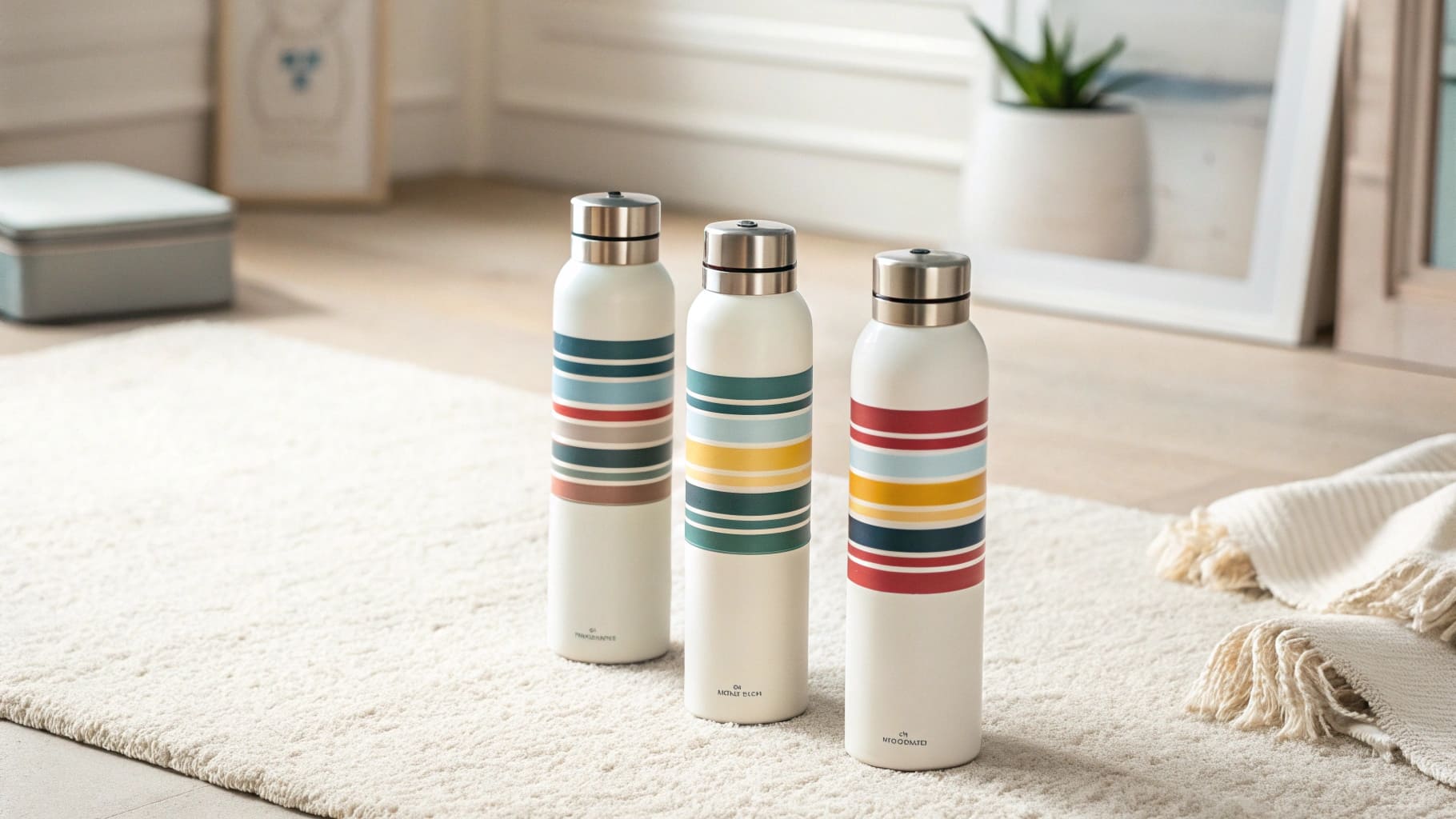
Insulated straw-cap water bottles3 contain five distinct component groups. Each behaves differently under dishwasher conditions.
| Component | Typical Material | Dishwasher Vulnerability | Recommended Cleaning |
|---|---|---|---|
| Bottle Body | 304/316 Stainless Steel | Low (body only) | Top rack safe |
| Vacuum Seal | Air Gap | High (thermal shock) | External only |
| Straw Cap | PP/Tritan Plastic | Medium to High | Hand wash preferred |
| Silicone Straw | Food-Grade Silicone | Low | Dishwasher safe |
| Rubber Seals | EPDM/Silicone | Medium | Top rack safe |
The vacuum seal is your biggest concern. This air gap between the inner and outer walls creates insulation. Dishwasher heat causes rapid temperature changes. The outer wall heats up fast. The inner wall stays cooler. This temperature difference creates pressure changes inside the vacuum space. Over many cycles, microscopic gaps can form. The vacuum weakens. Your bottle loses its ability to keep drinks cold or hot.
I test this regularly with our production batches. I put sample bottles through 50 dishwasher cycles at 65°C. Then I measure temperature retention. A quality bottle should lose less than 10% of its insulation performance. Cheaper bottles can lose 30% or more. That performance drop shows up in customer complaints six months after purchase.
The straw mechanism presents different problems. Most flip-up straws use small springs or hinges. These metal parts can corrode in dishwasher detergent. The locking mechanism gets loose. The cap starts leaking. I see this frequently with budget-priced products from Southeast Asian manufacturers.
Are Yeti Insulated Water Bottles Dishwasher Safe?
Yeti built their reputation on durability claims. But even they recommend specific cleaning methods. Understanding their approach helps you evaluate other suppliers' dishwasher-safe claims critically.
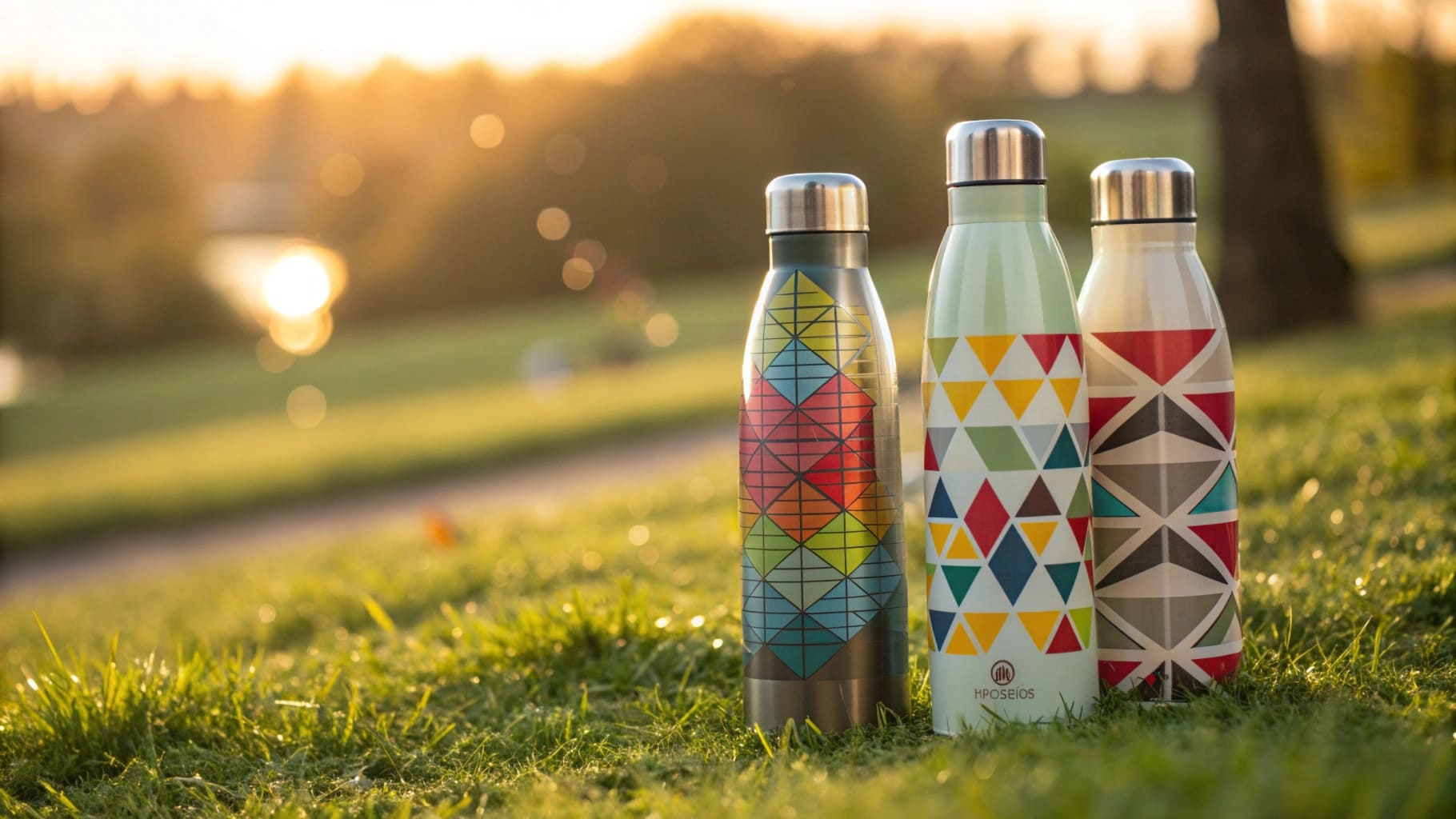
Yeti stainless steel bottle bodies are dishwasher-safe, but they recommend hand-washing to preserve exterior finishes. Their MagSlider lids are top-rack dishwasher-safe only. The Chug Cap and straw caps require hand-washing to prevent component degradation.
Premium Brand Cleaning Standards
Yeti's cleaning guidelines reveal important truths about dishwasher compatibility. They manufacture high-quality products with premium materials. Yet they still recommend hand-washing for maximum longevity.
Here is what happens during a typical dishwasher cycle:
Temperature Phase Analysis
The pre-wash hits 45°C. Your bottle heats up quickly. The main wash reaches 65-70°C in most home dishwashers. Commercial dishwashers go higher, sometimes 80°C or more. The heated dry cycle adds another thermal stress. The bottle cools down rapidly when the door opens.
This thermal cycling affects different materials in different ways. Stainless steel handles it well. The metal expands and contracts uniformly. But powder coating4 on the exterior surface expands at a different rate than the steel underneath. Over time, this creates microscopic cracks. Water gets into these cracks. The coating starts to peel.
I recommend buyers examine the powder coating attachment method. Good manufacturers apply powder coating at 180-200°C and cure it properly. This creates a stronger bond. Cheaper suppliers cure at lower temperatures to save energy costs. Their coating fails faster in dishwashers.
The lid assembly faces harsher conditions. Plastic components soften at high temperatures. The threads that screw onto the bottle can deform slightly. Do this enough times and the cap gets loose. Liquid leaks out during transport. Your customer's bag gets soaked. They blame you, not the manufacturer.
Yeti uses Tritan plastic for their caps. This material resists heat better than standard polypropylene. It costs more. Budget suppliers skip this upgrade. They use PP plastic that meets food safety standards but warps faster in hot water.
I learned to ask suppliers: what grade of plastic do you use for caps? What is the heat deflection temperature? Can you provide material safety data sheets? Most sales representatives cannot answer these questions. That tells me their factory does not have proper quality control.
Are Hydro Flask Straw Lids Dishwasher Safe?
Hydro Flask takes a different approach to dishwasher compatibility. They design specific lid types for different use cases. Understanding this helps you communicate realistic expectations to your customers.
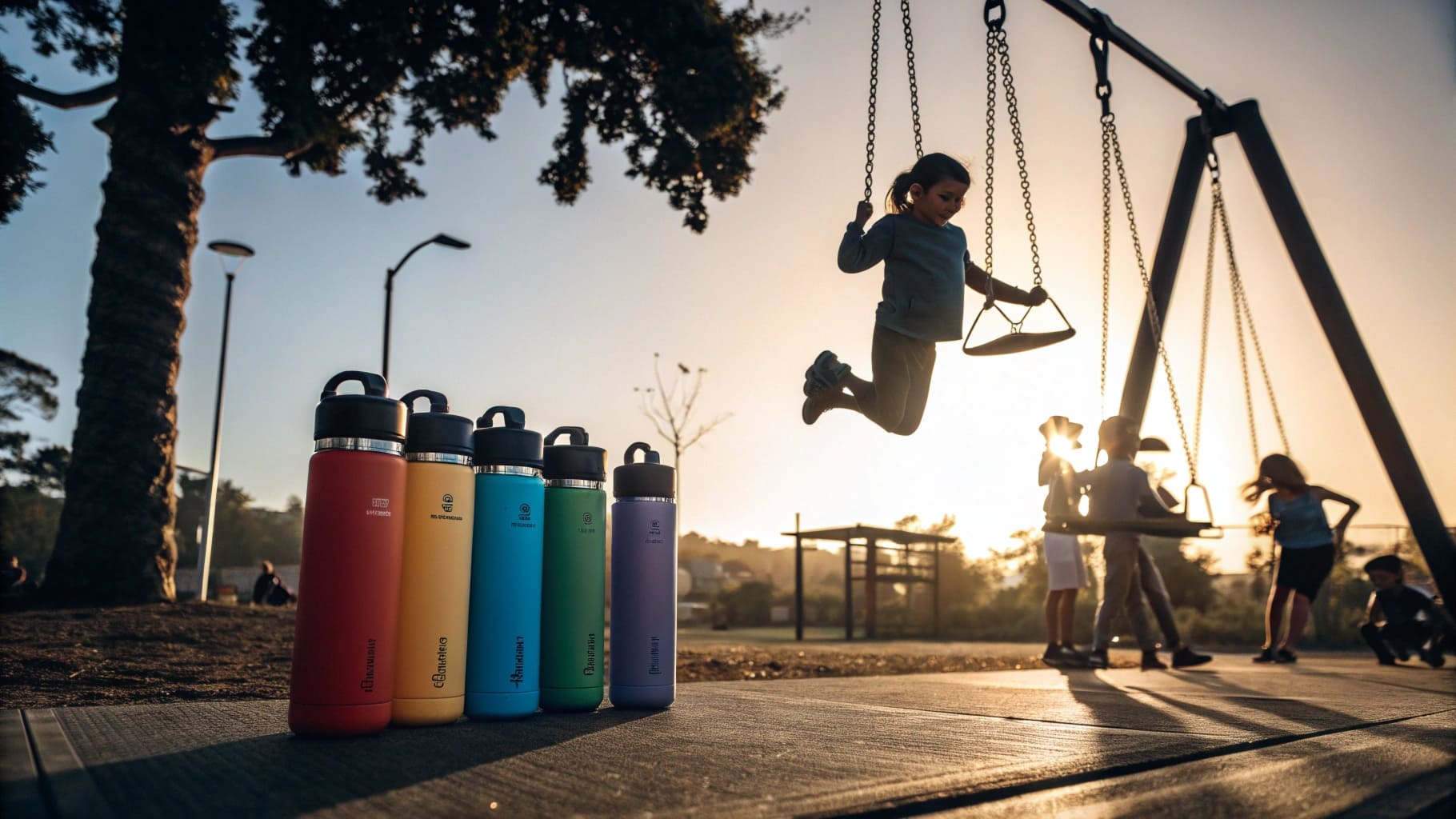
Hydro Flask straw lids are top-rack dishwasher-safe according to manufacturer specifications. The silicone straws themselves handle dishwasher heat well. However, they recommend removing the straw from the lid before dishwashing to ensure thorough cleaning and prevent component damage.
Component-Level Testing Requirements
When I evaluate a new supplier's straw-lid products, I run specific tests. These tests reveal whether their "dishwasher-safe" claims hold up in real-world use.
Straw Component Analysis
The silicone straw is usually the most dishwasher-resistant component. Food-grade silicone remains stable up to 200°C. Normal dishwashers never reach this temperature. The problem is not heat damage. The problem is how the straw connects to the lid.
Most designs use a friction fit. The straw pushes into a hole in the lid. A small lip or bulge on the straw prevents it from falling out. Dishwasher water jets hit this connection point with high pressure. Over time, the silicone stretches. The fit becomes loose. The straw falls out during use.
I test this by measuring the straw diameter before and after 100 dishwasher cycles. Quality silicone should expand less than 0.2mm. Poor-quality silicone can expand 0.5mm or more. That tiny difference means the straw will fall out after a few months of regular dishwasher use.
The flip-top mechanism presents another failure point. This part combines plastic housing with a small spring and hinge pin. The spring is often stainless steel. The pin might be stainless steel or plastic depending on cost decisions. Dishwasher detergent is alkaline. It attacks certain metals. A poor-quality spring will corrode and lose tension. The lid will not close properly.
I ask suppliers: what grade of stainless steel do you use for springs? 304 is minimum. 316 is better. Some budget suppliers use plain carbon steel with a thin coating. This fails quickly in dishwasher conditions.
Seal Integrity Testing
The rubber seals around the straw opening are critical. These seals prevent leaks. They must maintain flexibility and compression strength after dishwasher exposure.
| Seal Property | Before Dishwashing | After 50 Cycles | After 100 Cycles | Acceptable Change |
|---|---|---|---|---|
| Shore Hardness | 50A | 52A | 55A | <10A increase |
| Compression Set | 15% | 18% | 22% | <25% total |
| Tear Strength | 25 N/mm | 23 N/mm | 20 N/mm | >18 N/mm |
I measure these properties in our testing lab. Cheap EPDM rubber hardens significantly after repeated dishwasher cycles. It becomes brittle. The seal cracks. Water leaks through. Quality food-grade silicone5 seals maintain their properties much better.
Many suppliers use silicone for visible parts but EPDM for hidden seals to cut costs. You cannot see this difference without disassembling the lid. I always request a sample lid to take apart. I examine every seal material. I compare it against the specification sheet. Inconsistencies are common.
The BPA-free claims deserve scrutiny too. Most suppliers now use BPA-free plastics6. But BPA-free does not mean dishwasher-safe. Some BPA-free plastics degrade faster in hot water than old BPA-containing plastics. You need to verify the specific plastic grade, not just the BPA-free certification.
I once received a shipment where the straw lids claimed dishwasher-safe and BPA-free. After 20 dishwasher cycles, the plastic housing developed stress cracks. The supplier insisted their product met all safety standards. They were right about safety. But they were wrong about dishwasher durability. Those are two different specifications.
Conclusion
Insulated straw-cap water bottles need component-specific dishwasher testing. Request detailed OEM test reports for each part. Verify vacuum seal integrity after thermal cycling. Clear care instructions protect your brand reputation and reduce returns.
-
Discover the true meaning of dishwasher-safe and how it affects the longevity of insulated bottles. ↩
-
Find out how silicone seals hold up in dishwashers to ensure your products remain leak-proof. ↩
-
Explore this link to understand the dishwasher safety of insulated straw-cap water bottles and avoid costly mistakes. ↩
-
Discover how powder coating impacts the durability of insulated bottles in dishwashers. ↩
-
Discover the advantages of food-grade silicone in water bottles and its dishwasher safety. ↩
-
Explore the relationship between BPA-free plastics and dishwasher safety to make informed choices. ↩