
Are 40oz insulated bottles viable for Q4 when MOQ, EXW/FOB tiers, and DDP math are clear?
I see many buyers chase 40oz bottle trends too late, then freight cost, slow production, and weak checks turn a strong Q4 idea into dead stock.
Yes, I see 40oz insulated bottles as viable for Q41 if I lock production early, compare MOQ tiers, calculate DDP landed cost, and use sea freight. I do not judge the project by EXW price alone because logistics and tariffs can take a large part of margin.
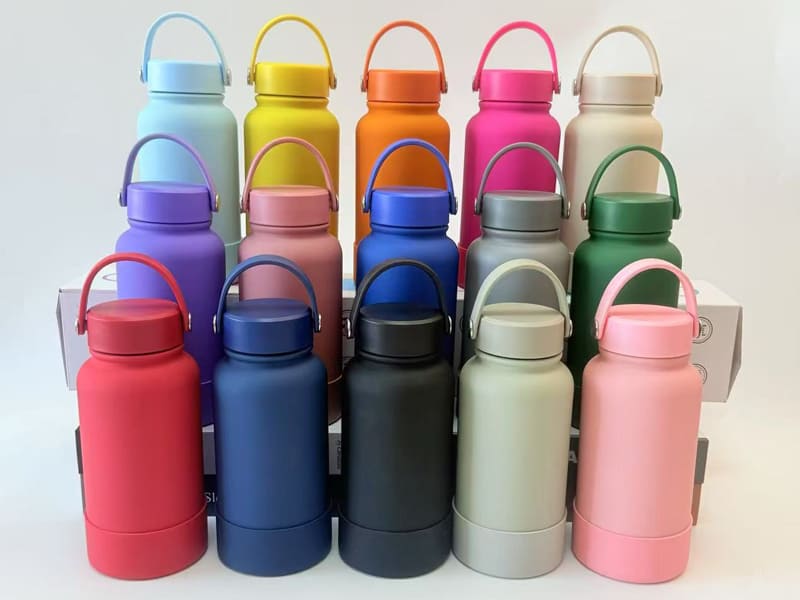
I treat the 40oz insulated bottle as a Q4 product with strong demand and heavy risk at the same time. The size looks simple, but it changes carton volume, container loading, freight cost, retail pricing, and customer return risk. I have seen buyers ask only for a low unit price, then later find that the landed cost is too high for Canada, the United States, or Europe. I prefer to start with a full cost view. I compare EXW, FOB, and DDP. I also check MOQ because a slightly higher order can reduce the real unit cost. When I plan for Q4, I do not ask only, “Can the factory make it?” I ask, “Can I land it before the sales window, with stable quality, real certificates, and enough margin left?”
What's the best insulated drink bottle?
I see buyers lose margin when they choose a bottle by looks only, because poor welds, weak lids, and fake claims create returns fast.
The best insulated drink bottle uses food-grade stainless steel, double-wall vacuum insulation2, reliable lid sealing, and consistent quality control. I prefer bottles with strong weld points, tested leak resistance, useful mouth size, and a supplier that can provide real inspection support and clear export documents.
I judge the bottle from the inside first
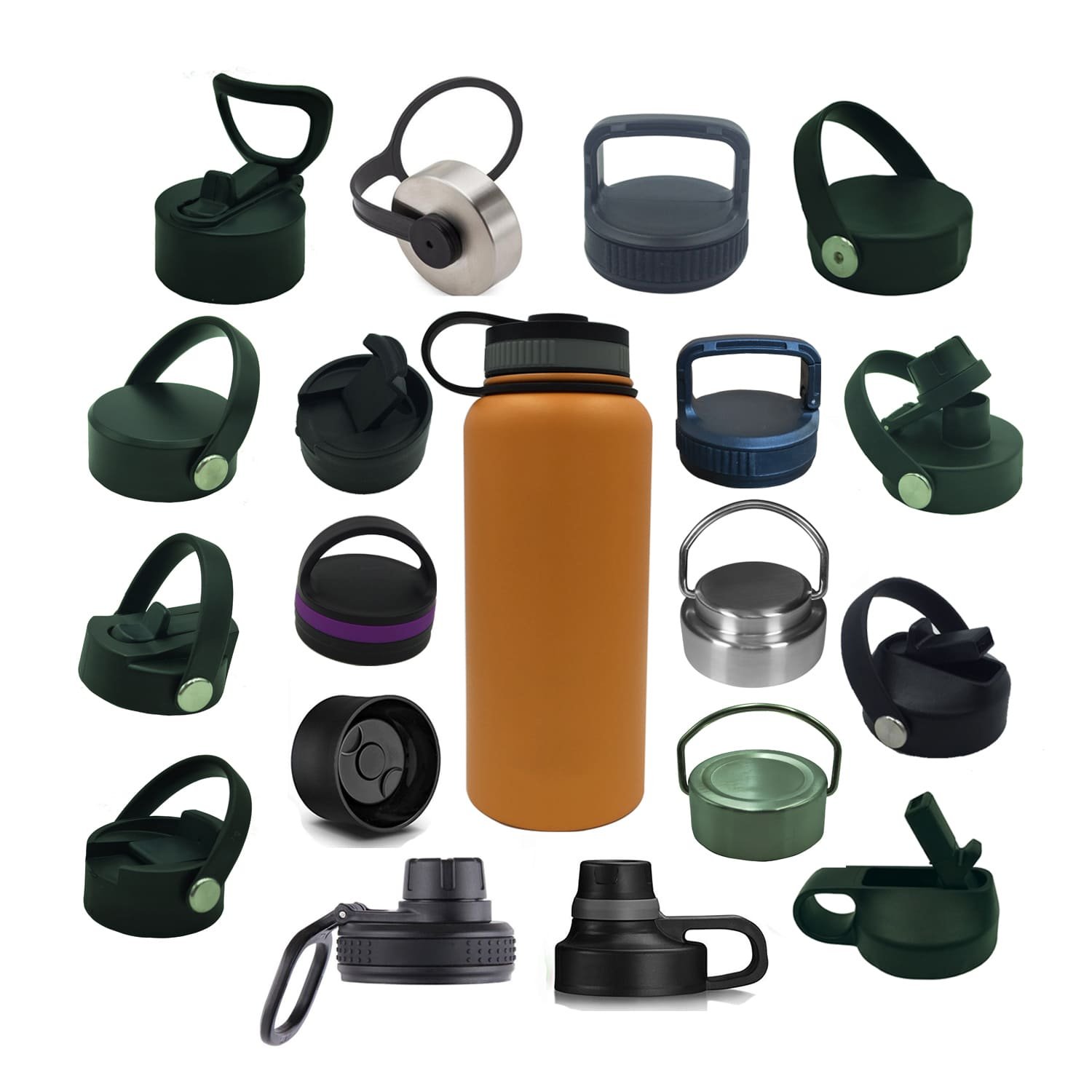
I do not start with the color card. I start with the steel grade, wall structure, vacuum process, and lid design. A 40oz insulated bottle is large, so a small defect becomes more painful for the buyer. If the lid leaks, the customer complains. If the bottle loses vacuum, the brand takes the blame. If the surface coating chips too fast, the retail price looks unfair. I often tell buyers that the best bottle is not the most expensive bottle. The best bottle is the one that holds quality across the full order. One golden sample means little if mass production changes.
| Check point | What I look for | Why I care |
|---|---|---|
| Steel body | 304 stainless steel for most projects, 316 for higher-end needs3 | I want safe contact with drinks and strong rust resistance |
| Insulation | Double-wall vacuum structure, with copper lining for premium lines4 | I want stable cold and hot performance |
| Lid seal | Silicone gasket, firm thread, clean fit | I want fewer leaks and fewer returns |
| Coating | Powder coating or quality spray finish | I want better scratch resistance and better shelf look |
| Inspection | Random checks for vacuum, leakage, surface, and packing | I want the shipment to match the approved sample |
I connect quality with Q4 profit
For Q4, I care about speed, but I do not trade away inspection. A delayed shipment hurts, but a bad shipment can hurt more. I like to confirm the testing plan before the deposit. I also like to make the supplier send clear production photos and packing details. For B2B buyers, quality is not only a product issue. It is also a sales issue. A good 40oz bottle helps the distributor sell at a premium after rebranding. A weak one pulls down trust with every return.
| Buyer goal | Bottle choice | My practical view |
|---|---|---|
| Corporate gifting | Clean shape, stable color, good logo area | I keep the look simple and the branding clear |
| Outdoor retail | Strong handle, leak-proof cap, tough coating | I focus on durability and ice retention |
| Fitness market | Wide mouth, straw lid, grip-friendly body | I focus on daily use and easy cleaning |
| Premium rebrand | Better finish, copper lining, strict packing | I protect the buyer’s retail price |
Can you put ice in an insulated water bottle?
I see some buyers worry that ice will damage the bottle, but the real risk is poor vacuum quality and hard-to-clean mouth design.
Yes, I put ice in a proper insulated water bottle. A good vacuum-insulated bottle can hold ice without outside condensation. For 40oz bottles, I prefer a wide mouth because it accepts normal ice cubes, cleans more easily, and improves the user experience.
I use ice performance as a fast quality signal
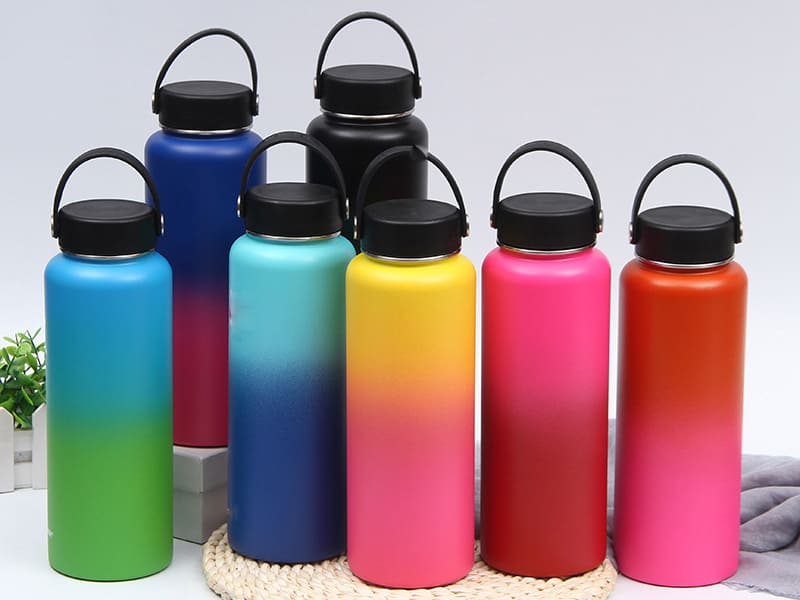
Ice retention is one of the easiest ways for a buyer to understand bottle quality. I do not rely only on the supplier’s “keeps cold” claim. I prefer a simple sample test. I fill the bottle with ice and water. I close the lid. I check outside condensation, lid sweating, and ice life over time. If the outside body gets wet fast, the vacuum may be weak. If the lid leaks when tilted, the gasket or thread needs attention. If the mouth is too narrow, the end user may struggle with ice and cleaning. For 40oz bottles, this matters a lot because many customers buy this size for long workdays, gym use, driving, and outdoor use.
| Ice-use factor | What I check | What it tells me |
|---|---|---|
| Mouth opening | Around 2.5 to 3 inches for many 40oz designs | I know normal ice cubes can fit |
| Outside body | No heavy condensation during normal use | I know the vacuum is likely stable |
| Lid area | No leaking when tilted or carried | I know the gasket and thread are better |
| Cleaning access | Brush can reach inside easily | I know repeat use will be more likely |
| Handle strength | Cap or handle holds the filled weight | I know the bottle can handle daily carry |
I match ice claims with the selling channel
I do not sell one message to every market. For outdoor and sports buyers, I highlight ice retention, leak resistance, and a strong handle. For office and corporate gift buyers, I highlight cold drinks, hot drinks, and logo finish. The same 40oz bottle can fit different buyers, but the lid and packaging must match the market. A straw lid works well for fitness and car use. A screw cap works better when the buyer wants leak-proof transport. A paracord handle may help outdoor sales. A silicone boot can reduce dents and give a stronger look. I treat accessories as part of the margin plan, not only as extra parts.
| Market | Ice message I use | Product detail I check |
|---|---|---|
| Outdoor retail | I keep drinks cold during long trips | I check cap seal and body strength |
| Fitness brand | I support daily hydration with easy sipping | I check straw lid quality and cleaning |
| School or team order | I offer large capacity and logo space | I check coating and logo durability |
| Corporate gift | I give a practical premium item | I check color match and gift packing |
I include ice use in inspection
I prefer to add a simple ice and leakage check into pre-shipment inspection. I do not need every unit tested for full cold hours, but I want random checks from cartons. I also want carton drop checks because 40oz bottles are bulky and can dent during shipping if packing is weak. When the shipment goes to Canada, the United States, or Europe, a small packing saving can create large claims later. I would rather spend a little more on proper inner bags, dividers, and carton strength. That choice protects the buyer’s brand and the supplier relationship.
Can a tumbler be used for hot drinks?
I see buyers mix tumblers and bottles in one product plan, then customer complaints appear because each lid serves a different use.
Yes, I use a tumbler for hot drinks if the lid is designed for sipping and heat-safe use. A tumbler works well for office, car, and desk settings. A closed bottle works better when leak-proof carrying is more important than easy sipping.
I separate tumbler use from bottle use
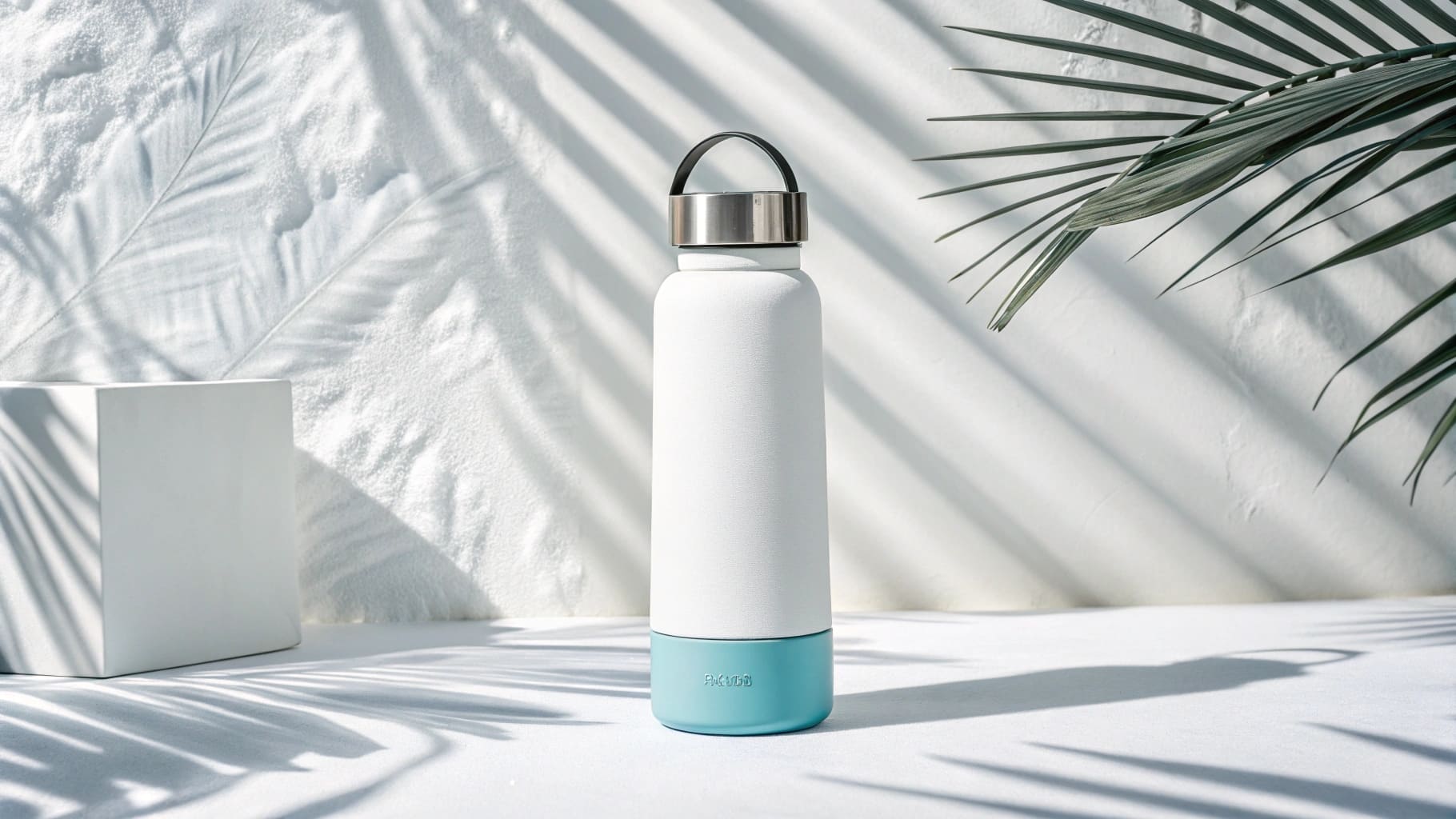
A tumbler and an insulated bottle may use similar vacuum technology, but I do not position them the same way. A tumbler is usually easier for hot coffee or tea because the user can sip with less effort. It often has a sliding lid, press-fit lid, or magnetic style lid. That is useful in a car or at a desk. A 40oz bottle often has a threaded cap, straw lid, or carry handle. That is better for cold water, outdoor use, or gym use. When I plan a Q4 product mix, I use this difference to reduce confusion. I do not want customers to expect a tumbler lid to be fully leak-proof if it was made for sipping.
| Product type | Best use | Lid style I prefer | Main warning |
|---|---|---|---|
| Tumbler | Coffee, tea, office, car | Sliding or press-fit lid | I do not promise full leak-proof performance unless tested |
| Insulated bottle | Water, ice, outdoor, travel | Threaded cap or straw lid | I check the seal and handle strength |
| Coffee mug | Desk, meeting room, short trips | Sip lid with handle | I check heat comfort and coating |
| Travel bottle | Daily carry and commute | Screw cap with silicone gasket5 | I check leakage in bags |
I use hot-drink claims with care
Hot drink claims can help sales, but I make them clear. I do not say a bottle is perfect for boiling drinks unless the design supports safe use. Heat creates pressure. Some lids need care when opened after hot liquid sits inside. A tumbler with a sip lid is often more comfortable for coffee. A closed bottle can keep coffee hot for a long time, but it may not be the best drinking experience in a meeting or car. For B2B buyers, this point is important because customer use drives reviews. I prefer clear packaging language. I may say “keeps drinks hot” and then explain the correct lid use. I also check that the lid material, straw material, and gasket can handle heat when the project needs it.
| Hot-drink issue | What I ask the factory | Why I ask |
|---|---|---|
| Lid material | I ask if the lid is heat-safe | I want safe use for coffee and tea |
| Seal behavior | I ask how it performs with hot liquid | I want fewer leaks and pressure issues |
| Drinking comfort | I ask how users sip from the lid | I want fewer complaints |
| Label wording | I ask for clear care instructions | I want the buyer to avoid misuse claims |
I turn the difference into a Q4 strategy
For Q4, I see strong value in dual-temperature messaging, but I do not use it blindly. If the buyer sells corporate gifts, I position the item as a useful daily drinkware product. I talk about cold water, hot coffee, logo printing, gift packing, and stable color. If the buyer sells outdoor or sports products, I talk more about ice retention, leak-proof carry, tough coating, and accessories. I also adjust the MOQ plan. A buyer can use one body shape with different lids and colors to serve more channels, but this only works if the factory controls parts well. Mixed lids can create packing errors if the order is rushed. I prefer to confirm each SKU, barcode, carton mark, and spare lid plan before production starts.
| Sales channel | Message I use | Product setup I choose |
|---|---|---|
| Corporate gifts | I present a premium daily bottle | Simple colors, clean logo, gift box |
| Sports retail | I focus on hydration and ice retention | Straw lid, handle, silicone boot |
| Outdoor shop | I focus on strength and carry comfort | Leak-proof cap, paracord handle, tough coating |
| Coffee audience | I choose a tumbler or mug first | Sip lid, heat-safe parts, stable grip |
How I read MOQ, EXW, FOB, and DDP before I accept a 40oz Q4 order?
I see low EXW quotes tempt buyers, but the real bill appears later through cartons, freight, tariffs, and delayed shipping.
I treat MOQ, EXW, FOB, and DDP as one cost chain. A higher MOQ can lower unit cost, but 40oz bottles are bulky. I calculate landed cost before I approve the order because freight and duties can take a large share of total cost.
I do not let MOQ scare me too early
For 40oz insulated bottles, many factories prefer MOQ from 1,000 to 3,000 units, especially with custom logo and color. I still ask for 500 units when the buyer is testing the market, but I do not assume 500 is cheaper in real terms. The EXW unit price may drop only a small amount when the order moves from 500 to 1,000 units, but the production setup, color change, logo setup, and packing work become easier to spread across the order. That is why I compare tiers before I decide. I also check whether the factory can keep the same color and lid parts for repeat orders. Q4 stock runs fast, so repeat supply matters.
| Order level | What I expect | My concern |
|---|---|---|
| 500 units | Possible sample market run | Higher unit cost and less factory priority |
| 1,000 units | Better price and smoother production | Buyer must trust the sales forecast |
| 3,000 units | Stronger cost position | Inventory risk becomes higher |
| Mixed colors | Better market testing | Packing and carton marks need strict control |
| One color | Easier production and lower risk | Market choice is less flexible |
I compare EXW and FOB with real handling cost
EXW looks clean because it only shows the factory price. But I still need inland pickup, export handling, customs documents, and port cost. FOB includes more export-side work, so it often gives me a cleaner base for overseas freight calculation. I usually ask for both. I do not choose only the lower visible number. I ask what is included, what carton size is used, and how many units fit in a container. A 40oz bottle takes space. Even if the unit price looks good, the carton volume can push up landed cost. For sea freight, container loading matters. For air freight, volumetric weight can make the order too expensive.
| Price term | What it includes in my view | When I use it |
|---|---|---|
| EXW | Factory-side product price | I use it when my forwarder controls China-side handling |
| FOB | Product plus export-side work to port | I use it for cleaner ocean freight planning |
| CIF | Cost and freight to destination port | I use it with care because local charges still remain |
| DDP | Landed delivery to buyer’s address | I use it to see the closest real cost picture |
I use DDP math before I promise margin
DDP helps me see the real selling risk. For bulky 40oz bottles, logistics and tariffs can become a large part of landed cost. I often see buyers focus on a small EXW gap, like a few cents or a few percent, while ignoring ocean freight, duties, customs, local delivery, and warehousing. That mistake is dangerous in Q4 because there is little time to correct it. If sea freight is delayed, air freight may not save the plan because the volume is too high. I prefer to lock container space early and keep the selling calendar realistic. If the goods must arrive for Black Friday or Christmas sales, I want production started far earlier than many buyers expect.
| Cost item | Why it changes the result | My action |
|---|---|---|
| EXW price | It is only the factory starting point | I use it for supplier comparison |
| FOB cost | It adds export-side work | I use it for ocean freight quotes |
| Ocean freight | It can rise fast before peak season | I book space early |
| Tariffs and duties | They vary by destination and code | I confirm with the forwarder |
| Local delivery | Bulky cartons cost more to move | I include it in DDP |
| Inspection cost | It protects the order before shipment | I add it before final payment |
I connect payment with inspection
I do not like full payment before I see production results. I prefer a deposit, production updates, inspection, and balance payment before shipment or under agreed terms. This structure helps both sides. The factory has cash to produce. The buyer has control before goods leave China. I also pay close attention to certificates. I have seen buyers worry about certificate fraud, and I understand why. I prefer certificates that match the product, material, supplier name, and testing scope. If the buyer sells in Canada, the United States, or Europe, weak documents can block sales or create legal risk. Good paperwork is not decoration. It is part of the product.
| Purchase risk | My control method | Result I want |
|---|---|---|
| Late shipment | I set a production schedule and check progress | I protect the Q4 sales window |
| Poor quality | I inspect samples and mass production | I reduce returns |
| Fake certificates | I verify document details and test scope | I protect the buyer’s market access |
| Payment risk | I link balance payment with inspection | I keep leverage before shipment |
| Logistics shock | I compare DDP before order approval | I protect final margin |
Conclusion
I see 40oz insulated bottles as viable for Q4 when I plan early, verify quality, control MOQ, and use DDP math before committing.
-
"Who NEEDS More than 1 Water Bottle? Apparently, Everyone.", https://scholarworks.wmich.edu/cgi/viewcontent.cgi?article=4978&context=honors_theses. Market research indicates elevated consumer demand for insulated drinkware products during the fourth quarter, driven by holiday gifting and seasonal outdoor activities, though specific size preferences vary by region and year. Evidence role: general_support; source type: research. Supports: seasonal demand patterns for insulated drinkware products during Q4. Scope note: General drinkware category data may not isolate 40oz bottle performance specifically ↩
-
"Vacuum insulation panel core materials and modelling the thermal ...", https://dr.lib.iastate.edu/bitstreams/f77c7126-f49f-4b7f-b58d-7f1c941b1f20/download. Vacuum insulation minimizes heat transfer by eliminating conduction and convection between inner and outer walls, as thermal energy cannot efficiently traverse the near-vacuum space, resulting in significantly reduced temperature change compared to single-wall containers. Evidence role: mechanism; source type: encyclopedia. Supports: the physical principle by which vacuum insulation reduces heat transfer. ↩
-
"Stainless Steel (SS) Safety Profile", https://www.fda.gov/media/165146/download. Both 304 and 316 stainless steel grades meet food-contact safety standards in major markets, with 316 offering superior corrosion resistance due to molybdenum content, making it preferable for acidic beverages and marine environments. Evidence role: definition; source type: government. Supports: the food-safety characteristics and regulatory acceptance of 304 and 316 stainless steel grades. ↩
-
"A Brief Overview of Vacuum Insulation", https://thermtest.com/a-brief-overview-of-vacuum-insulation-and-the-benefits-its-low-thermal-conductivity-provides. Copper coatings in vacuum-insulated containers can enhance thermal performance by reflecting radiant heat, as copper's low emissivity reduces radiative heat transfer across the vacuum gap, though the practical improvement depends on coating quality and vacuum integrity. Evidence role: mechanism; source type: research. Supports: the thermal performance effect of copper lining in vacuum-insulated containers. ↩
-
"Guidance for Industry: Preparation of Premarket Submissions for Food ...", https://www.fda.gov/regulatory-information/search-fda-guidance-documents/guidance-industry-preparation-premarket-submissions-food-contact-substances-chemistry. Food-grade silicone elastomers are approved for repeated food contact in major regulatory jurisdictions and maintain sealing properties across a wide temperature range (typically -40°C to 230°C), making them suitable for both hot and cold beverage applications. Evidence role: definition; source type: government. Supports: the food-safety regulatory status and temperature tolerance of silicone gasket materials. ↩