
Struggling with steel choices for your products? Bad steel means unhappy customers and damaged reputation. Learn 304 vs 201 to protect your brand.
304 stainless steel (18/8) offers excellent rust protection, making it food-grade and perfect for items like water bottles. 201 steel is cheaper but less durable and can rust, a risky choice.
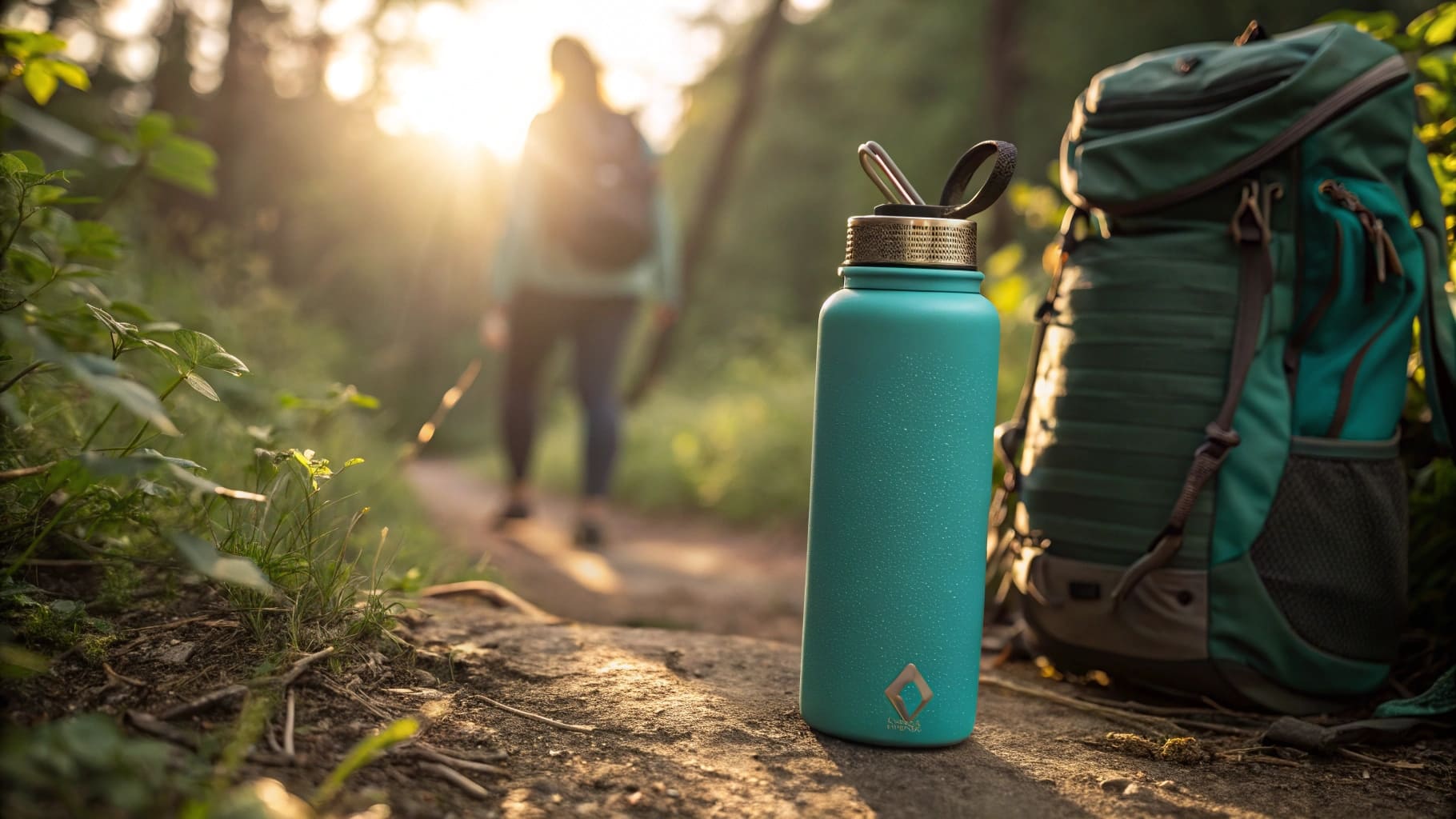
Choosing the right stainless steel is a big decision for your business. It directly impacts your product quality, customer satisfaction, and ultimately, your bottom line. As a manufacturer of stainless steel products like hip flasks and water bottles, I've learned these differences firsthand. Now that we've touched on the main distinction between 304 and 201, you probably have more specific questions. Many of my clients, like Mark Shenng from Canada, often ask about other grades too. Let's dive deeper into some common comparisons to give you a clearer picture, so you can make informed purchasing decisions.
What is the difference between ss301 and ss304?
Confused by stainless steel grades like 301 and 304? Choosing the wrong one can lead to product issues and unexpected costs. I'll explain the key differences simply.
SS304 is best for food-grade items like our water bottles due to its superior rust resistance and formability. SS301 is stronger and harder, often used for structural parts, not usually for drinkware.
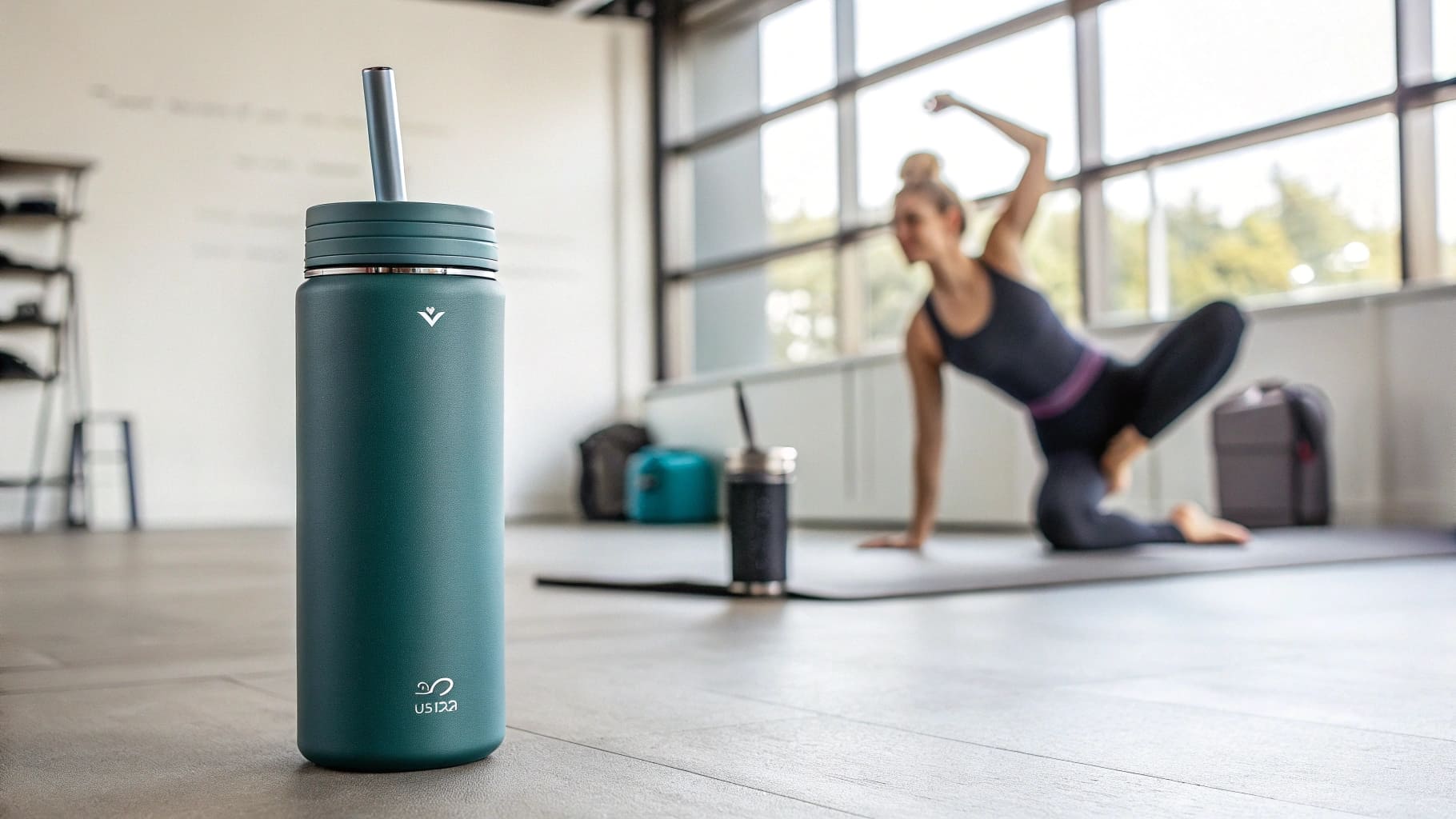
You might see SS301 and SS304 numbers and wonder how different they really are, especially if you're sourcing materials for products like water bottles or hip flasks. They are both austenitic stainless steels, meaning they share a similar crystalline structure, which makes them non-magnetic in their annealed state. However, their specific recipes – their chemical compositions – give them distinct properties and make them suitable for different jobs. As a B2B buyer, understanding these nuances is crucial.
Composition Differences
The main difference in their make-up lies in the carbon and chromium content. SS301 generally has a higher carbon content (e.g., up to 0.15%) and slightly less chromium (e.g., 16-18%) compared to SS304 (carbon typically <0.08%, chromium 18-20%). SS304 also reliably contains more nickel (around 8-10.5% for 304 vs 6-8% for 301). These variations might seem small on paper, but they significantly change how the steels behave under stress and in various environments, impacting both manufacturing and end-use performance.
Key Property Variances
Because of these compositional tweaks, SS301 can achieve much higher tensile strength and hardness through cold working (like rolling or drawing at room temperature). It work-hardens rapidly. This makes it great for applications needing springiness or high structural strength. SS304, with its higher chromium and nickel content, offers superior corrosion resistance, particularly against oxidation and common organic acids found in foods and beverages. It's also known for its excellent formability and weldability, which is crucial when we're shaping it into complex designs like our tumblers or coffee mugs at Icobottle.
| Feature | SS301 | SS304 (18/8) |
|---|---|---|
| Primary Use | High strength, springs, structural parts | Food-grade, general corrosion resistance |
| Strength | Higher, especially after cold work | Moderate, good ductility |
| Formability | Good, but work hardens quickly | Excellent |
| Corrosion Res. | Fair to good | Excellent |
| Weldability | Fair | Excellent |
| Typical Nickel | ~6-8% | ~8-10.5% |
Typical Applications
So, for our business at Icobottle, where we focus on top-quality drinkware like water bottles, hip flasks, and tumblers, SS304 is the clear and non-negotiable choice. Its corrosion resistance ensures the purity of beverages and the longevity of the product, meeting international food safety standards. I'd only consider SS301 if I were manufacturing components like strong clips, fasteners, or structural elements for other industries, not the main body of a food or beverage container. For your procurement needs, focusing on SS304 for drinkware ensures you meet the quality and safety standards your customers expect.
What is the difference between ss304 and ss310?
Is SS310 a better choice than SS304 for your drinkware needs? Using over-specced material means wasted money without real benefit. Let's see if it's actually worth it for you.
SS304 is great for everyday items needing rust resistance, like our coffee mugs. SS310 excels in very high temperatures, suitable for industrial heat applications, not typically for consumer drinkware products.
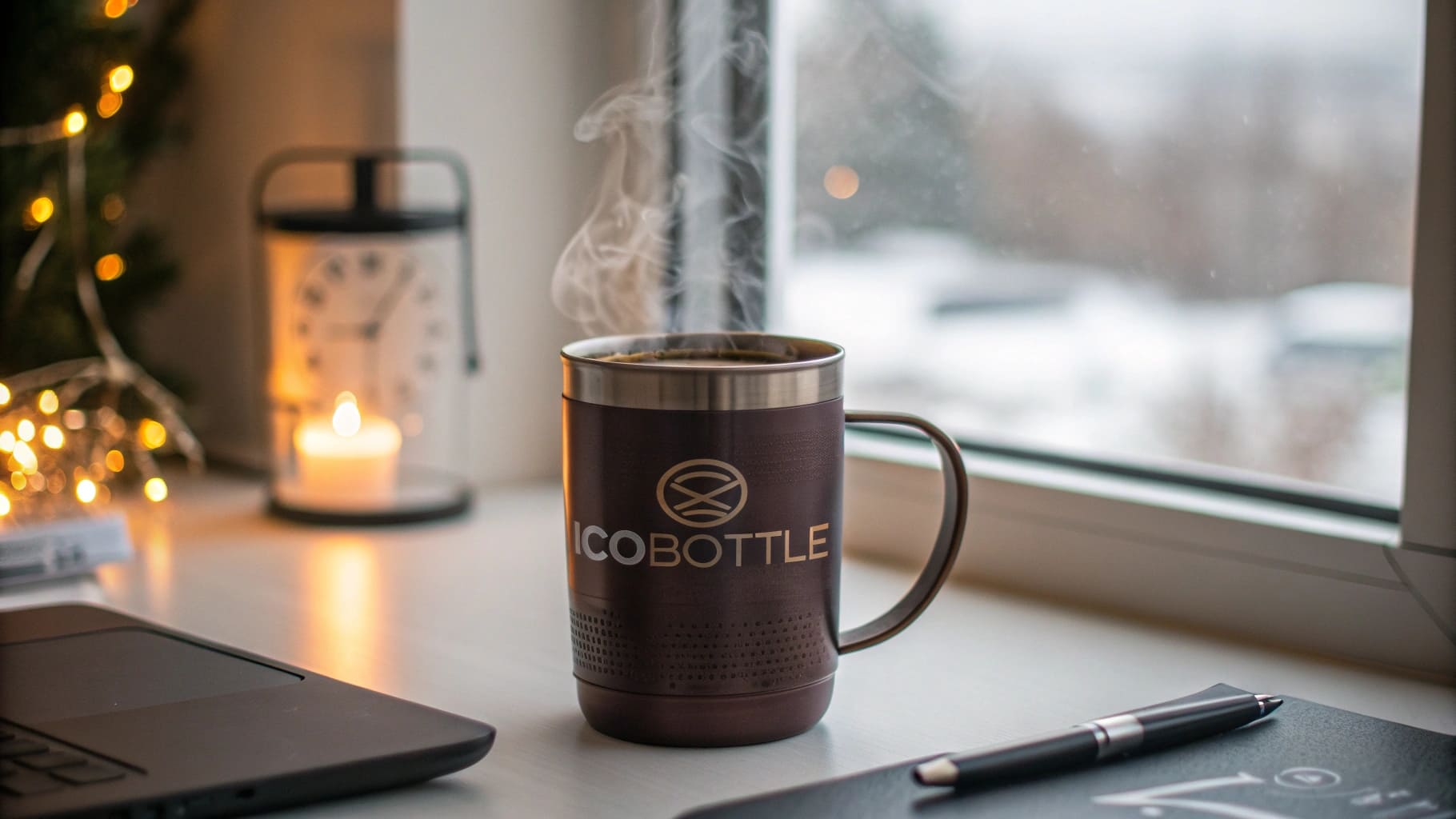
When we talk about SS304 versus SS310, the biggest difference comes down to how they handle extreme heat and highly corrosive environments. As a procurement officer, you're always balancing cost against performance and specifications, so understanding this distinction is key to avoiding unnecessary expenditure. Both are good austenitic stainless steels, but SS310 (and its lower carbon version, SS310S) is a specialized grade designed for much more demanding conditions than typical drinkware will ever encounter.
Composition for Heat
SS310, often referred to as "25/20 stainless" due to its composition, contains significantly more chromium (around 24-26%) and nickel (around 19-22%) compared to SS304 (which has about 18-20% chromium and 8-10.5% nickel). This substantially richer alloy mix of these key elements is precisely what gives SS310 its superior strength and resistance to oxidation at very high temperatures. The higher nickel content also improves its resistance to some corrosive environments.
Performance at High Temperatures
This enhanced composition means SS310 has excellent resistance to oxidation (scaling) and maintains good strength at continuous service temperatures up to about 1150°C (2100°F), and even higher for intermittent service. In contrast, SS304 is generally recommended for continuous service up to around 870°C (1600°F). Beyond this temperature, SS304 can suffer from excessive scaling and a significant reduction in strength. SS310 is also more resistant to carburization (absorption of carbon at high temp) and sulfidation (reaction with sulfur compounds at high temp) than SS304.
| Feature | SS304 (18/8) | SS310 / SS310S (25/20) |
|---|---|---|
| Chromium (Cr) | ~18-20% | ~24-26% |
| Nickel (Ni) | ~8-10.5% | ~19-22% |
| Max Use Temp. | ~870°C (1600°F) continuous | ~1150°C (2100°F) continuous |
| Primary Use | General corrosion, food-grade apps | High-temp furnaces, kilns, heat exchangers, burners |
| Corrosion Res. | Excellent (general atmospheric/food) | Excellent, esp. at high temps & some chemicals |
| Cost | Standard | Significantly higher |
Cost and Application Fit
For the products we manufacture at Icobottle – water bottles, coffee mugs, tumblers, and hip flasks – SS304 provides all the necessary corrosion resistance for contact with various beverages and for daily use, including cleaning. It ensures food safety and product longevity, which are paramount for our brand. Using SS310 for such applications would be an unnecessary over-specification. This leads to significantly higher material costs without any discernible benefit to the end-user of a water bottle or coffee mug. In my experience, I only encounter requirements for SS310 or SS310S when discussing projects involving industrial furnace parts, kiln linings, heat treatment equipment, or exhaust systems. For your drinkware products, SS304 remains the optimal choice, balancing top quality with sensible economics.
Is 201 stainless steel good for outdoor use?
Thinking 201 steel is fine for outdoor gear due to its lower cost? This common misconception can backfire badly. Poor outdoor performance will quickly damage your brand's reputation and lead to customer dissatisfaction.
Generally, 201 stainless steel isn't recommended for outdoor use, especially for items that get wet. It has lower rust resistance than 304 and can corrode quickly when exposed to weather.
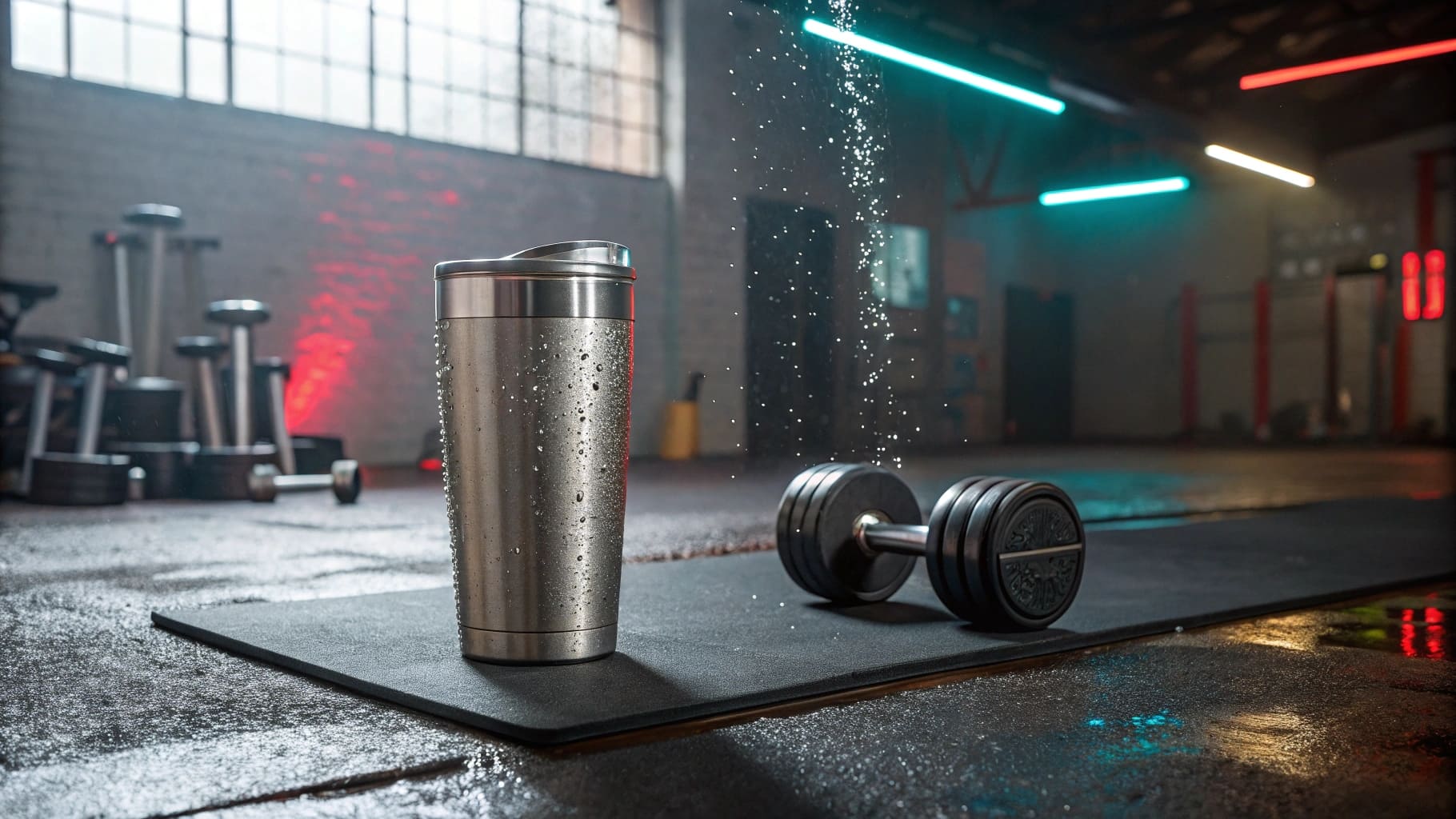
This is a question I hear quite often from procurement officers like Mark, especially those new to sourcing stainless steel products or those under pressure to aggressively manage costs: "Is 201 stainless steel good for outdoor use?" My extensive experience in this industry, supplying B2B clients worldwide, tells me that, for most applications, particularly for items like water bottles, camping cookware, or any gear that will be frequently exposed to the elements, the answer is generally no. It might save a few cents per unit initially, but this can cost you much more in the long run due to returns, complaints, and damage to your brand image.
The Problem with 201's Composition
The core issue with 201 stainless steel, and why it's cheaper, lies in its chemical makeup. To reduce manufacturing costs, a significant portion of the expensive nickel (a key element for ensuring good corrosion resistance and formability) is replaced with manganese and nitrogen. While manganese does increase strength and nitrogen can enhance pitting resistance to some degree, neither can fully replicate the superior, broad-spectrum corrosion protection that nickel provides, especially in the concentrations found in 304 grade (typically 8% or more). This makes 201 a less "stainless" steel when challenged.
| Property Impact | SS201 (Lower Nickel, Higher Mn/N) | SS304 (Higher Nickel) | Outdoor Implication for Drinkware |
|---|---|---|---|
| General Corrosion | Lower resistance | Higher resistance | SS201 more prone to surface rust/stains |
| Pitting/Crevice Corr. | Moderate resistance, varies by env. | Good resistance | SS201 can fail in coastal/moist/acidic areas |
| Stress Corr. Cracking | More susceptible in chloride env. | More resistant than 201 | Risk of failure under specific loads/env. |
| Appearance | Can tarnish/dull more quickly | Maintains luster longer | Affects perceived quality & longevity |
| Cost | Lower | Higher | Initial saving vs. long-term durability |
Real-World Outdoor Performance
In outdoor settings, products are constantly challenged by moisture – rain, humidity, morning dew – and potentially more aggressive elements like salt spray in coastal regions, acidic rain in industrial areas, or even residues from certain types of soil or food. Under these conditions, 201 stainless steel is much more likely to develop unsightly rust spots, pitting (small localized holes that can deepen over time), or an overall tarnished appearance much faster than 304 grade. Imagine a customer who buys a sleek-looking 201 steel camping mug or water bottle, only to find it dotted with rust after a single weekend trip or a few washes. This experience reflects poorly on the product and your brand's reputation for quality and reliability.
Why 304 is the Reliable Choice for Outdoors
For any product intended for outdoor use that needs to maintain its appearance, hygiene, and structural integrity over time, I always steer my clients at Icobottle towards 304 stainless steel. The higher nickel content in 304 (typically 8-10.5%) along with its 18-20% chromium helps form a more stable, tenacious, and self-repairing passive chromium oxide layer on the steel's surface. This invisible layer is what gives stainless steel its "stainless" quality, providing robust protection against the various corrosive forces encountered outdoors. While 304 might have a slightly higher upfront material cost, it's an investment in product longevity, customer satisfaction, and brand trust – all of which are crucial for long-term B2B success and repeat business. For items that will be regularly exposed to moisture, 304 is the baseline for quality.
Conclusion
Choosing the right stainless steel is vital for your products. For quality, safety, and durability, especially in food-grade items like bottles, 304 is superior. Understand these differences well.
