
Struggling with flasks that don't keep drinks hot or cold long enough? This means wasted drinks and inefficient production for your brand. Let's explore how design optimization solves both.
Optimizing flask design involves balancing advanced insulation features, like high-grade vacuums and reflective layers, with efficient manufacturing processes. This means focusing on streamlined shapes, standardized parts, and advanced production techniques to achieve top performance without sacrificing cost-effectiveness for businesses like yours.

As a manufacturer, I've spent years looking at these details. It's a constant search for that sweet spot between amazing performance and making things efficiently. So, let's dig into how these flasks actually work. Understanding that is key to making them better for everyone, especially for bulk buyers like you who need reliable products.
How does a vacuum flask work to keep things insulated?
Ever wonder how your flask really keeps your coffee hot for hours? Not knowing means you might not choose the best product for your customers. I'll explain the simple science behind it.
A vacuum flask uses a double-wall construction1. The air between these walls is sucked out, creating a vacuum. This vacuum greatly reduces heat transfer through conduction and convection, keeping the contents hot or cold.

The magic of a vacuum flask, or thermos, really comes down to its clever design. This design aims to fight heat transfer2. Heat likes to move in three main ways: conduction, convection, and radiation. A good flask tackles all three effectively.
Breaking Down Heat Transfer in a Flask
- Conduction: This is heat moving through direct touch. Think of a hot pan heating your hand. In a flask, the double walls have a vacuum between them. This means there's very little material for heat to travel through. So, heat doesn't easily pass from the inner wall (holding your drink) to the outer wall.
- Convection: This is heat moving through the flow of liquids or gases. An example is hot air rising. The vacuum between the walls also stops this. With no air, or very little, there's no medium for convection currents. So, these currents cannot form and carry heat away.
- Radiation: This is heat moving as electromagnetic waves. Think of the sun warming your face. High-quality flasks often have a reflective coating. This coating, like copper or silver, is on the outside of the inner wall, inside the vacuum space. This layer reflects heat radiation. It reflects heat back towards the contents if hot, or away from the contents if cold.
Here's a simple table to show this:
| Heat Transfer Type | How a Flask Minimizes It | Key Design Feature |
|---|---|---|
| Conduction | Reduces direct material contact | Double-wall with vacuum |
| Convection | Eliminates air/fluid movement | Vacuum between walls |
| Radiation | Reflects heat waves back/away | Reflective inner coating |
When we at Icobottle design our flasks, we focus on these principles. For instance, ensuring the vacuum is as complete as possible is a big step. Even a tiny bit of air can reduce insulation. It’s a constant effort, but getting it right means your customers get a flask that truly performs.
How does the vacuum in thermos flask prevent heat loss?
Still puzzled by how just a vacuum stops heat effectively? Understanding this helps you appreciate quality and spot a superior flask for your inventory. Let's look closer at the vacuum's specific role.
The vacuum in a thermos flask is crucial. It removes most air molecules between the double walls. This significantly minimizes heat transfer by conduction (direct touch) and convection (air movement). These are primary ways heat escapes.
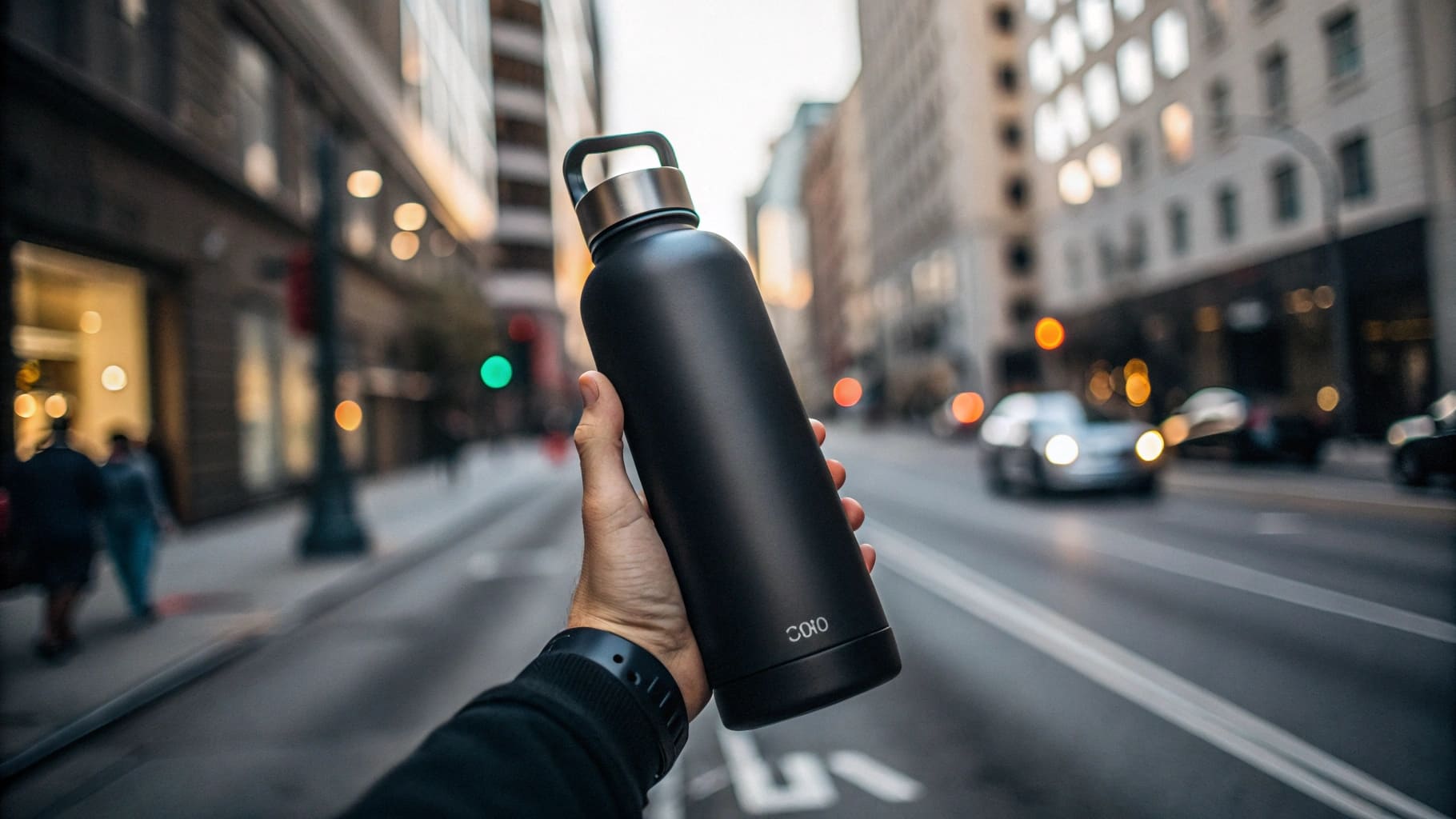
The vacuum is the heart of a thermos flask's insulating power. As I mentioned, heat mainly travels through conduction and convection when a flask tries to keep its temperature. Let's really zoom in on how the vacuum handles these.
The Vacuum's Role Against Heat Transfer
Imagine the space between the two stainless steel walls of a flask. If it were filled with air, the molecules in that air would constantly bump into each other.
- Stopping Conduction: If the inner wall is hot from your coffee, its molecules vibrate fast. These vibrations would pass to air molecules. Then, they would pass to the outer wall's molecules. You'd feel the outside of the flask get warm. A vacuum removes most of these air molecules. With very few molecules, there's almost nothing to conduct heat across the gap. It’s like trying to pass a message through a crowd versus an empty room; the empty room makes it much harder.
- Stopping Convection: Air, when heated, expands. It becomes less dense and rises. Cooler, denser air falls. This creates convection currents that carry heat away. If you remove the air by creating a vacuum, there's no medium for these currents to form. The heat simply has nowhere to go using this method.
Think of it this way:
| Heat Loss Method | With Air Between Walls | With Vacuum Between Walls |
|---|---|---|
| Conduction | Air molecules transfer heat energy from inner to outer wall. | Very few molecules, so minimal direct heat transfer. |
| Convection | Heated air rises, creating currents that carry heat away. | No air, so no convection currents can form. |
Achieving a high-quality vacuum is a key manufacturing step for us at Icobottle. We use specialized pumps and sealing processes. If the seal isn't perfect, air will slowly leak back in. Then, the flask's performance drops a lot. That's why quality control on the vacuum process is so important. For a procurement officer like Mark Shenng, understanding this focus on vacuum quality is key. It helps ensure you're getting a product that will last and perform as promised.
How does a vacuum flask maintain temperature?
Want to know the secret to a flask keeping its cool (or heat) all day? This knowledge ensures you pick a flask that genuinely delivers on its promise to your customers. I'll reveal the combined strategies for lasting temperature control.
A vacuum flask maintains temperature by using its double-wall vacuum to stop conduction and convection. A reflective layer minimizes radiation. Plus, an airtight lid prevents heat escape or entry, ensuring long-lasting thermal performance.
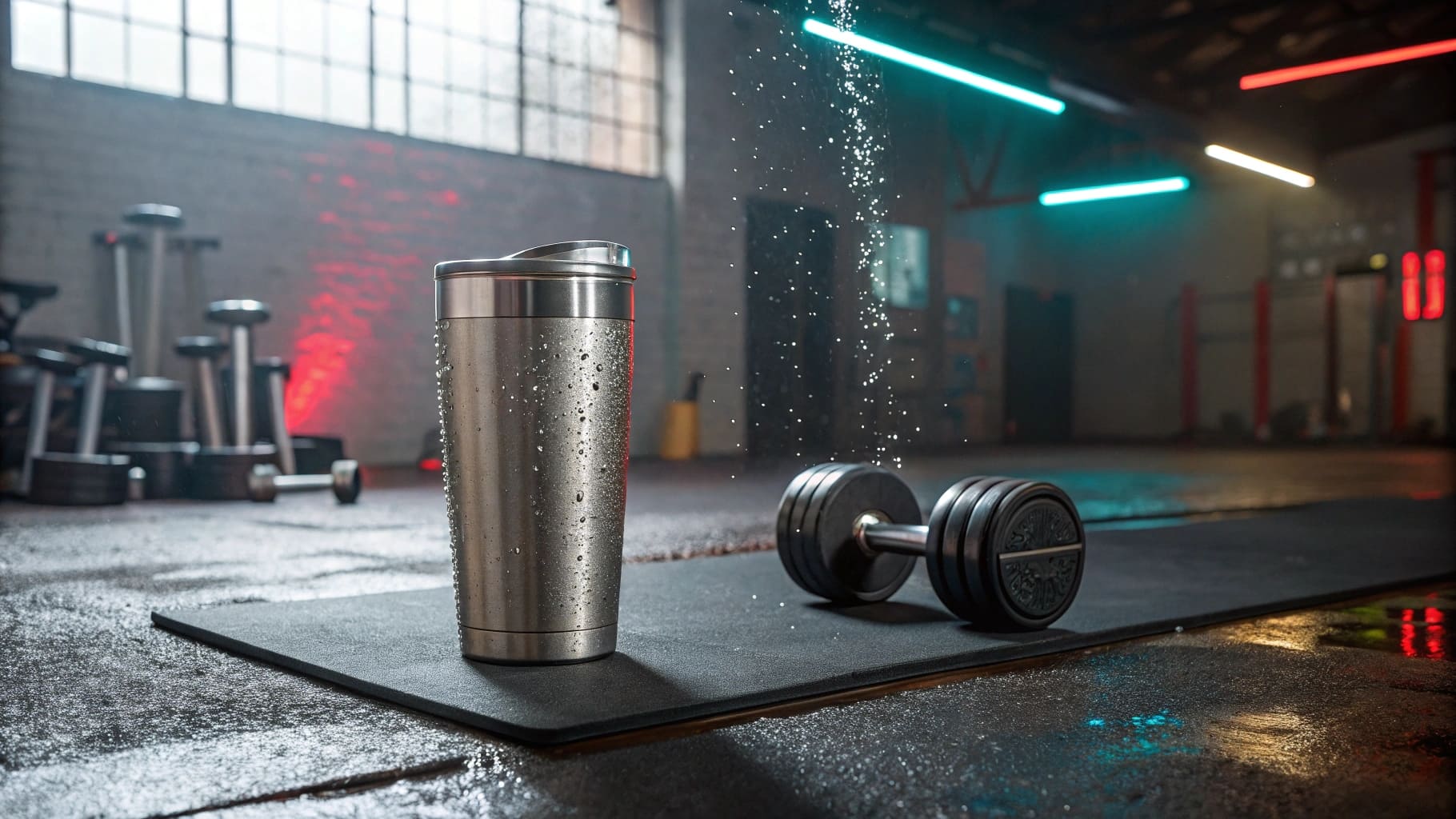
Maintaining temperature in a vacuum flask isn't just about one single feature. It's a team effort from several design elements working together. We've talked about the vacuum stopping conduction and convection. We also talked about the reflective layer3 tackling radiation. But there's more to it, especially when we think about overall design for both performance and efficient production.
Key Factors in Temperature Maintenance and Production
- The Vacuum Quality: This is most important. A deeper, more complete vacuum means better insulation. At Icobottle, we invest in vacuuming technology. This technology pulls more air out and seals it tight. This can slightly increase production time per unit. However, the performance gain is significant.
- Reflective Layer: As mentioned, a copper or silver lining inside the vacuum space reflects heat. Applying this layer evenly and ensuring it sticks well adds a step to production. But it greatly boosts thermal retention.
- Material Choice: We typically use 304 or 316 stainless steel4. Both are excellent for durability and food safety. 316 stainless steel offers slightly better corrosion resistance. This can be a selling point for certain markets. The material itself doesn't insulate much. But its ability to hold the vacuum and withstand use is vital.
- Lid Design: This is often forgotten! A poorly designed or sealed lid can be a major point of heat loss. We focus on tight-fitting lids with good seals. These are often silicone gaskets. The complexity of the lid also affects manufacturing. A simple screw-top is easier to make than a complex one-touch pour spout. But the latter might be preferred by consumers.
- Construction & Welding: The quality of the welds that join the inner and outer walls is critical. It helps maintain the vacuum over time. We use precise welding techniques. This ensures a perfect, durable seal. Automated welding can improve consistency and speed here.
- Streamlined Shapes: Complex shapes can look nice. However, simpler cylindrical designs are generally easier and faster to manufacture. They also tend to have a more uniform vacuum space. This can be good for consistent insulation. This is a classic choice between looks and production efficiency.
Here's how these factors impact both insulation and production:
| Design Factor | Impact on Insulation | Impact on Production Efficiency |
|---|---|---|
| High-Grade Vacuum | Greatly reduces conduction & convection | Slower process, needs special equipment |
| Reflective Coating | Minimizes radiation heat loss/gain | Extra manufacturing step, material cost |
| Material (304/316 SS) | Durable, keeps vacuum integrity | Material cost, 316 is slightly harder to work with |
| Airtight Lid | Stops heat escape/entry through the opening | Complex lids mean more assembly time/cost |
| Robust Welds | Ensures long-term vacuum retention | Needs precise methods, automation helps |
| Body Shape | Simple shapes give uniform vacuum space | Simple shapes are faster/cheaper to make |
For B2B buyers like you, understanding this balance is very important. You want great insulation. But you also need products that can be made reliably and at a good price. We're always working on that balance at Icobottle. We aim for top-tier thermal performance that’s also smart to produce at scale. For someone like Mark, who buys in bulk and rebrands, knowing that we consider both these aspects means he gets a dependable product. This product supports his business model effectively.
Conclusion
Optimizing flask design means better insulation and efficient production. This balance delivers high-quality, cost-effective thermal products for happy customers and successful businesses like yours.
-
Learning about double-wall construction can enhance your understanding of product design and its impact on thermal efficiency. ↩
-
Exploring heat transfer types will deepen your knowledge of insulation, helping you make informed decisions about thermal products. ↩
-
Exploring the role of reflective layers can enhance your knowledge of thermal insulation, aiding in better product selection. ↩
-
Learning about the properties of these materials can guide you in selecting durable and safe vacuum flasks for your customers. ↩