
Struggling to find great insulated bottles that don't break the bank? Worried about balancing cost with what your customers expect? I can help you understand true value.
The best value stainless steel insulated water bottles under $50 offer a smart mix. They have reliable quality. They use safe materials like 304 steel. And they have a cost that works for your B2B business and your target retail price.
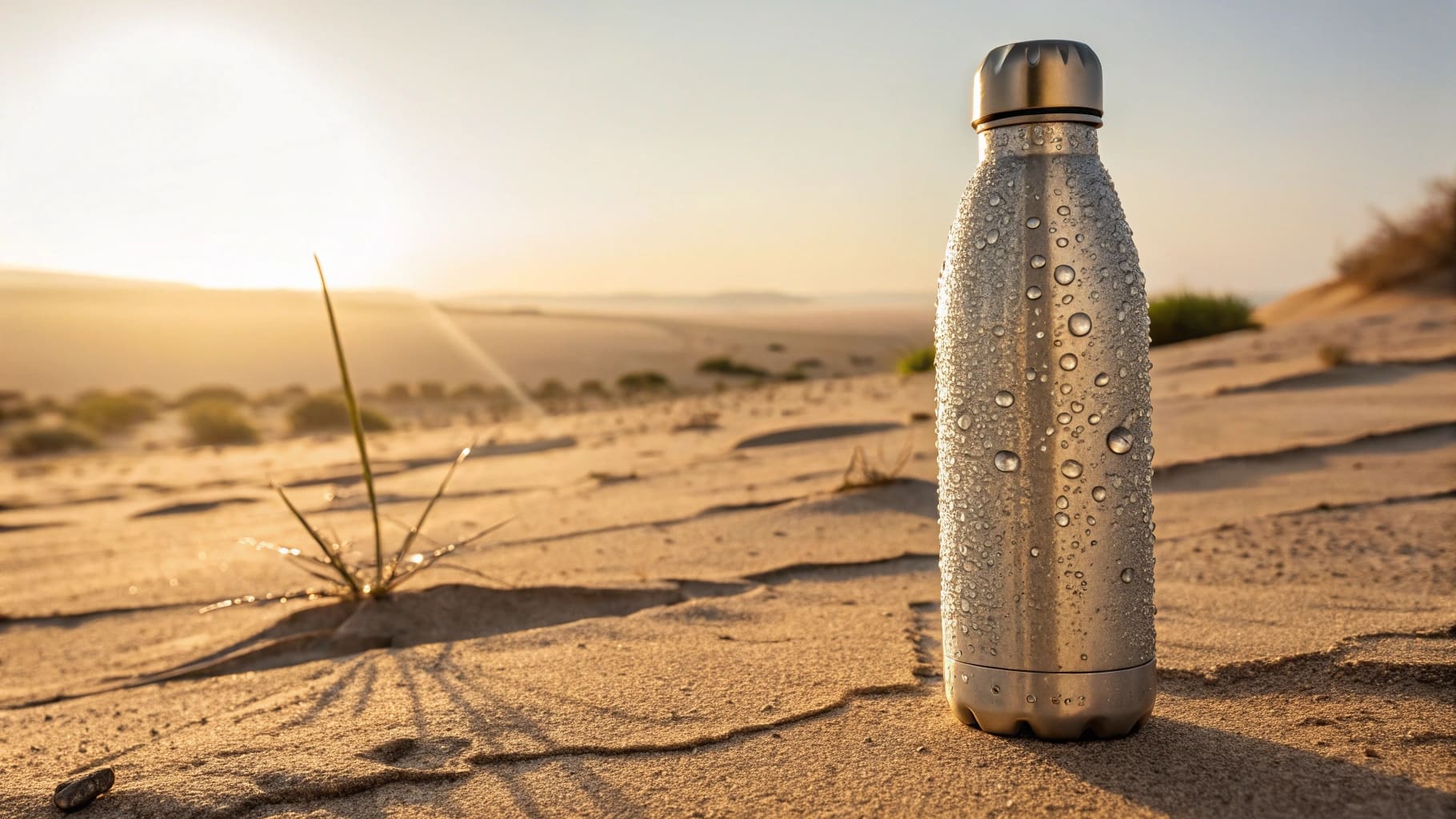
For business-to-business buyers, like importers or brands, "best value" means more than just the factory price. You are likely targeting a retail price under $50. But the real value comes from a smart combination of several important things. It's not just about the price tag when the container leaves my factory here at Icobottle. It is about the total package. Let's look into what makes a bottle a genuinely good buy for your business needs. We need to go deeper than just the initial cost.
Is a hydro flask worth it?
Do you see those high prices for big brand bottles and wonder if they are really worth it? Are you concerned about meeting the expectations your customers have, set by these well-known brands?
For B2B buyers, brands like Hydro Flask set a high standard. They show what customers expect in how well a bottle keeps drinks hot or cold and how long it lasts. The "worth" for you comes from finding bottles of similar quality. This lets you build your own brand without paying for the big brand name.
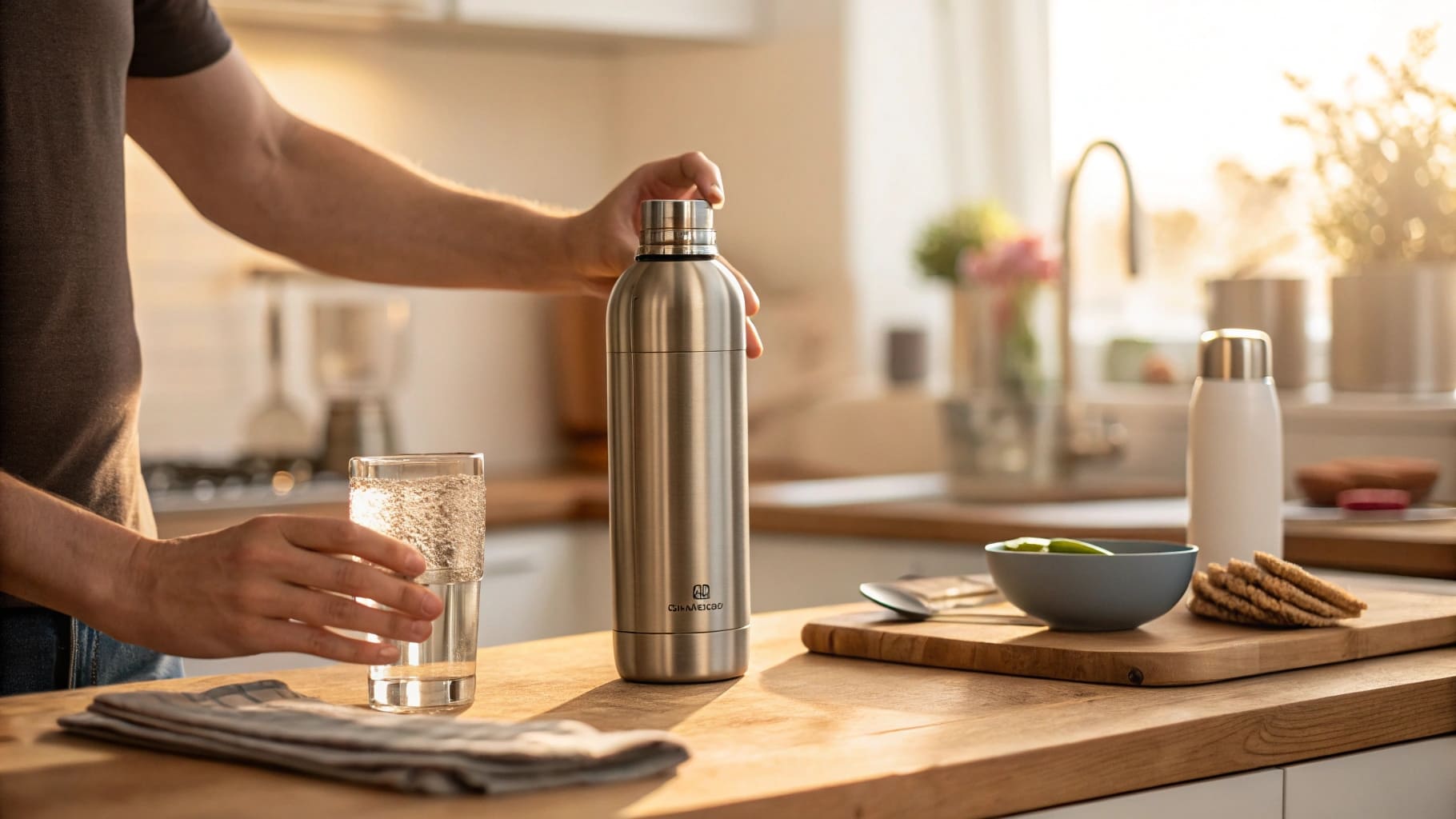
When I talk to business owners like Mark, who buys stainless steel water bottles for his company in Canada, this question often comes up. He knows premium brands set a high bar. Customers see these brands. They expect certain things like excellent temperature control. They want drinks to stay cold for 24 hours or hot for 12 hours. They also expect the bottle to be tough. It should handle daily use. Good looks are also important. The challenge for importers like Mark is to find products that give customers a similar good feeling. This way, they can build their own brand's reputation. They can do this without the big marketing costs that premium brands have. At Icobottle, we focus on making bottles that meet these performance and durability standards. We use quality 304 stainless steel1. We also focus on a clean design. This means you can offer a product that feels premium. You can do this at a price point that makes sense for your business and your customers. The goal is to provide a product that lets you establish your own brand's value. You want your customers to feel they got something special.
Key Benchmarks Set by Premium Brands
Premium brands like Hydro Flask usually excel in a few key areas:
- Thermal Performance: They use double-wall vacuum insulation2 effectively.
- Durability: Often made from high-grade 18/8 (304) stainless steel, making them resistant to rust and drops.
- Design and Finish: They offer appealing colors, ergonomic designs, and high-quality powder coating.
- Lid Quality: Leak-proof and functional lid designs are crucial.
Achieving Similar Quality for Your Brand
As a B2B buyer, you can source products with comparable features:
| Feature | What to Look For | Why It Matters for Your Brand |
|---|---|---|
| Insulation | Double-wall vacuum insulation | Delivers on customer thermal expectations |
| Material | Food-grade 304 (18/8) stainless steel | Ensures durability, safety, and premium feel |
| Lid Construction | BPA-free materials, secure seals, functional design | Prevents leaks, enhances user experience |
| Exterior Finish | Durable powder coating or quality paint | Improves grip, aesthetics, and perceived value |
Finding a manufacturer who can deliver these aspects consistently is key. It's not about copying, but about providing genuine quality that allows your brand to shine. This is how you build long-term brand equity.
Is a stainless steel water bottle safe?
Are you worried about the safety of materials in the products you sell? Do you want to make sure you meet strict rules and keep your customers' trust? This is a very important point.
Yes, stainless steel water bottles are very safe if they are made from the right materials. This means food-grade stainless steel, like 304 or 316. It also means the lids should be BPA-free. The bottles must also follow rules like FDA or LFGB standards3 for things that touch food.
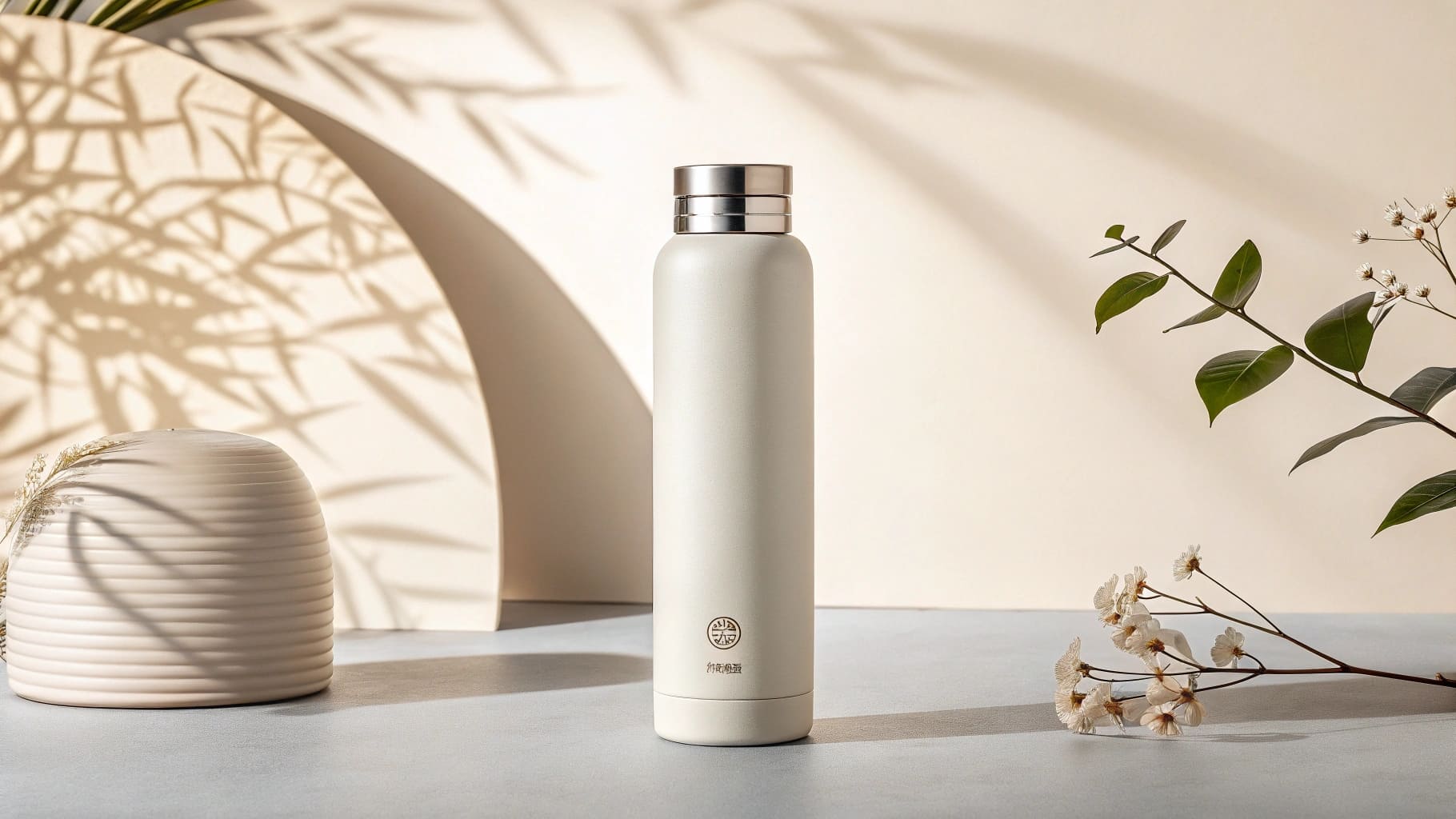
This question of safety is something I always discuss with my clients. It's a basic need, not a luxury. For any B2B buyer, especially those like Mark who are experienced and quality-conscious, making sure the product is safe is the top priority. Using food-grade stainless steel is essential. The most common type is 304 stainless steel, also known as 18/8 steel. It has 18% chromium and 8% nickel. These elements make it very resistant to rust and corrosion. It does not react with drinks, so it keeps the taste pure. For some special needs, like very acidic drinks or extra protection, 316 stainless steel is an even better choice. It has molybdenum, which gives it more corrosion resistance. Beyond the steel, the lids and seals must be safe too. We always ensure our lids at Icobottle are made from BPA-free plastics4 like polypropylene (PP) or Tritan. The seals are usually food-grade silicone. These materials ensure no harmful chemicals get into the water. This focus on safety is critical for getting into markets like America and Europe. It also builds trust in your brand. No one wants to risk their customers' health or their company's reputation.
Understanding Material Safety
The safety of a stainless steel water bottle depends heavily on the materials used. Here's a breakdown:
- Food-Grade Stainless Steel:
- 304 (18/8) Stainless Steel: This is the industry standard for food and beverage containers. It's chosen for its excellent corrosion resistance, durability, and the fact that it doesn't leach harmful chemicals or metallic tastes into beverages.
- 316 Stainless Steel: This grade offers even higher corrosion resistance due to the addition of molybdenum. It's often preferred for medical applications or if the bottle will frequently hold highly acidic or salty liquids. While more expensive, it can be a good choice for specific needs.
- Lids and Seals:
- BPA-Free Plastics: Lids are commonly made from plastics like Polypropylene (PP #5) or Tritan. It's crucial these are certified BPA-free (Bisphenol A), as BPA is a chemical linked to health concerns.
- Food-Grade Silicone: Seals and gaskets are typically made from silicone, which is inert, stable at high temperatures, and doesn't react with food or drinks.
Compliance and Certifications
To ensure safety, look for suppliers who can provide proof of compliance with international standards:
| Standard | Region/Focus | What it Means |
|---|---|---|
| FDA | USA (Food and Drug Administration) | Regulations for materials that come into contact with food. |
| LFGB | Germany & EU (Lebensmittel-, Bedarfsgegenstände- und Futtermittelgesetzbuch) | German food and feed code; often considered stricter than FDA for some aspects. |
| REACH | EU (Registration, Evaluation, Authorisation and Restriction of Chemicals) | Aims to protect human health and the environment from chemical risks. |
Working with a supplier like Icobottle, who understands and adheres to these standards, is vital. It protects your customers and your business from potential problems. Mark, for example, always asks for certifications. He knows certificate fraud can be an issue, so he appreciates suppliers who are transparent and provide genuine documentation.
What water bottle should I buy?
Do you feel lost with all the choices for your business? Are you not sure how to pick a bottle that really fits your specific B2B needs? Let's make this clearer.
Business-to-business buyers should look for water bottles that offer a smart mix. This includes reliable quality people can trust. It means proven safety with the right materials. And it means a cost that works well for their business plan and the price they want to sell at.
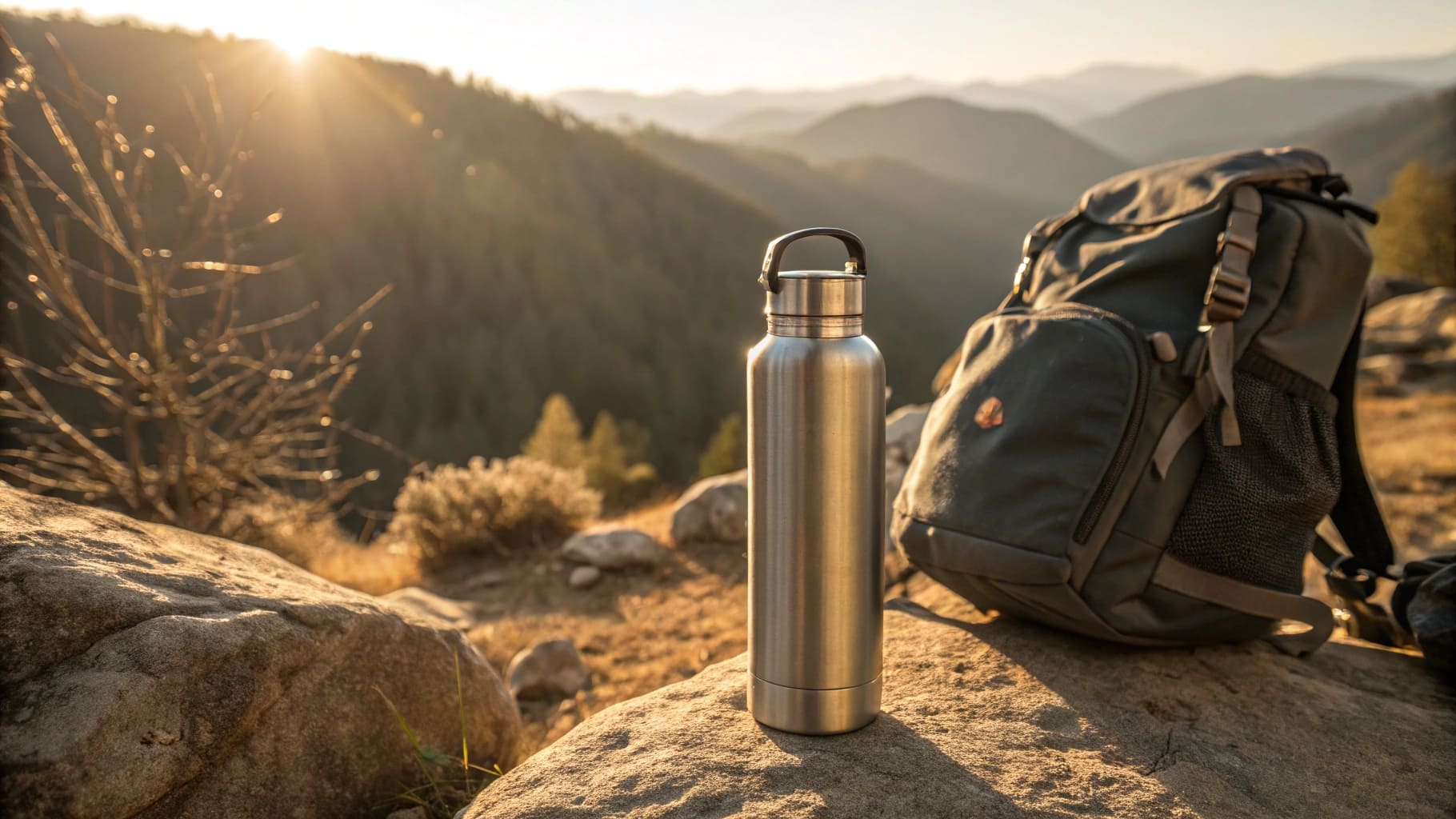
When a B2B client, like Mark from Canada, asks me "What water bottle should I buy?", I know he's looking for more than just a product. He is looking for a manufacturing partner. This partner needs to deliver consistently on several key things. First, reliable quality and performance are important. The bottle should keep drinks hot or cold as promised. It should be durable. Second, verified material safety is a must. This means using food-grade stainless steel and BPA-free parts, backed by proper certifications. Third, the cost structure must support his business model. It needs to allow him to rebrand and distribute the bottles in Canada at a premium, while still offering value to his customers. Mark is sensitive to quality, but he also needs competitive pricing. He often sources from developing countries like China and Vietnam to achieve this balance. The "best value" for him is found in a supplier who understands all these connected needs. This includes good communication, which is one of his pain points if it's inefficient. On-time delivery is another big concern, as delays can mean missing peak sales seasons. As a supplier, Icobottle focuses on being that reliable partner. We offer top-quality products with options for customized logos and colors, perfect for building a brand. We understand the importance of quality inspections, certifications, logistics, and clear payment methods – all things Mark focuses on during his purchases.
Key Factors for B2B Bottle Selection
For a B2B buyer, the decision process for "what bottle to buy" involves several layers beyond the product itself.
-
Defining Your Target Market and Brand Position:
- Are you aiming for a budget-friendly segment, a mid-tier market, or a premium offering?
- What specific features will appeal to your customers (e.g., specific lid types, unique designs, extra-large capacity)?
- This helps narrow down the type of bottle and the quality level required.
-
Evaluating Supplier Capabilities:
- Product Quality & Consistency: Can the supplier consistently produce bottles that meet your specifications? Ask for samples. Understand their quality control processes.
- Material Safety & Compliance: As discussed, ensure they use food-grade materials and can provide valid certifications (FDA, LFGB). This is crucial for someone like Mark who is wary of certificate fraud.
- Customization Options: What are their capabilities for logos (e.g., screen printing, laser engraving), colors (powder coating, spray paint), and custom packaging? This is key for building your brand.
- Production Capacity & Lead Times: Can they handle your order volume? What are their typical production times? This is important to avoid delays that Mark has experienced.
- Communication & Support: Is the sales team responsive and knowledgeable? Good communication can prevent many problems. Mark's pain point with inefficient communication highlights this need.
- Logistics & Shipping: Do they have experience shipping to your country (e.g., America, Europe)? Can they assist with or manage logistics?
- Pricing & Payment Terms: Is the pricing competitive for the quality offered? Are the payment terms fair and secure?
-
Considering Total Cost of Ownership (TCO):
- Don't just look at the ex-factory price.
- Factor in shipping costs, import duties, taxes.
- Consider the potential costs of poor quality (returns, damage to brand reputation) or delays (missed sales).
A slightly higher unit price from a reliable supplier who delivers on quality and time can often result in a lower TCO.
For my clients at Icobottle, including those with profiles similar to Mark, I always try to understand their broader business goals. This helps me recommend the best bottle and the best service package to support their success.
Conclusion
Finding the best value stainless steel water bottle for your B2B needs means more than just price. It is about a reliable partner who delivers quality, ensures safety, and truly supports your business success.
-
Learn about the advantages of 304 stainless steel in water bottles, including durability and safety, which can enhance your product offerings. ↩
-
Discover the science behind double-wall vacuum insulation and how it ensures optimal temperature control for beverages. ↩
-
Discover the differences between FDA and LFGB standards and why they matter for food safety compliance in products. ↩
-
Learn about the significance of BPA-free plastics in ensuring health safety for consumers and maintaining product integrity. ↩
