
Struggling to see if insulated bottles are truly green or save money? Many buyers question their real value. Discover how they benefit your business and customers.
Yes, high-quality insulated water bottles are genuinely eco-friendly. They reduce single-use plastic waste. They are also cost-effective in the long run. This is due to their durability and reusability, offering great value for everyone.
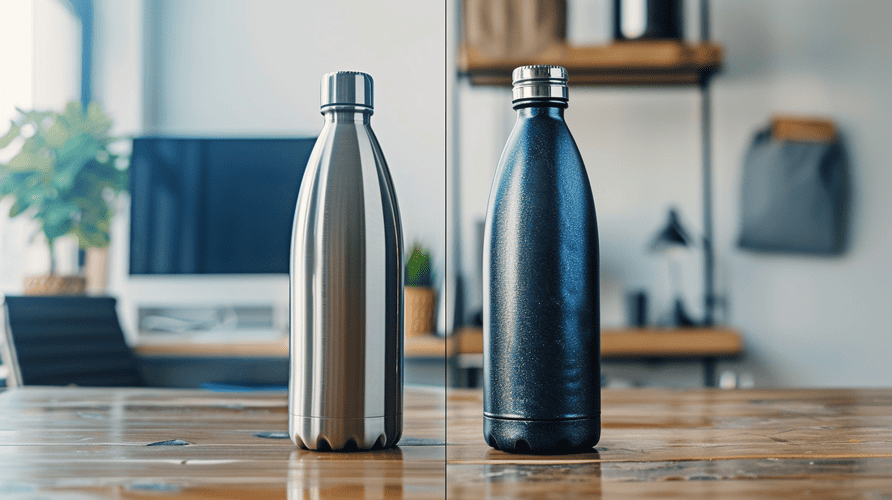
I get these questions a lot. This is especially true from smart buyers like Mark Shenng in Canada. He knows the market. He always looks for the best for his customers. It's important for him, and for you, to understand the real deal with these bottles. Let's dig into some common concerns. We can see how they actually create opportunities for your business.
What are the disadvantages of insulated water bottles?
Worried about the downsides of insulated bottles? Maybe the higher price or their bulkiness? These concerns can make some buyers hesitate. See how these "disadvantages" actually highlight their long-term value.
The main disadvantages often mentioned are a higher initial cost compared to disposable ones. Sometimes, their weight or size is also a point. But, their durability means long-term savings and less waste. This makes them a smart buy for end-users.
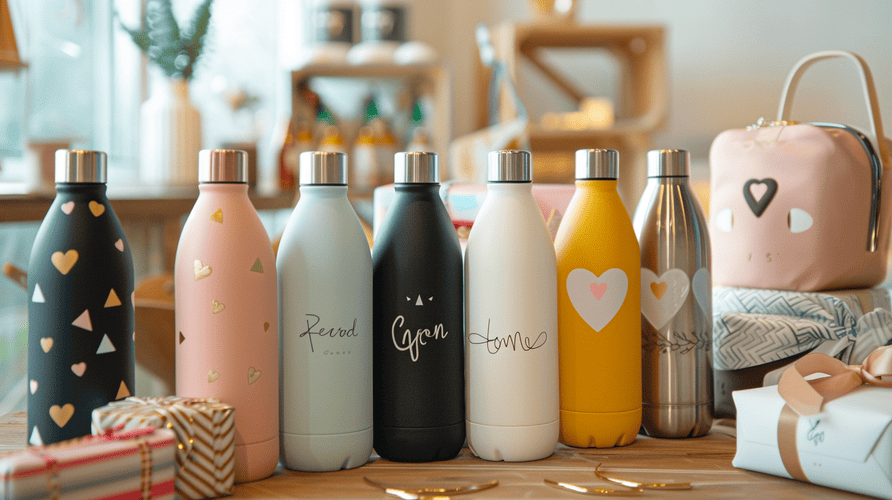
When I talk to business owners like Mark, they often ask about the downsides. They want to be prepared for questions from their own customers. It is wise to understand these points. Let's look at them.
Understanding Perceived Disadvantages
The initial cost is one thing. Their physical size or weight is another. But these are not really problems when you look closer.
| Perceived Disadvantage | B2B Perspective / Opportunity |
|---|---|
| Higher Initial Price | Focus on Total Cost of Ownership (TCO). A quality insulated bottle lasts for years. This reduces how often people need to buy new ones. So, it's actually cheaper over time than many disposable plastic bottles. This also means a better value for the end customer. |
| Bulk/Weight | This often means superior insulation performance. Quality materials like food-grade stainless steel have some natural weight. This weight is also a sign of durability and a long-lasting product. You can also offer various sizes to suit different needs. |
Yes, an insulated bottle costs more to buy at first than a simple plastic bottle. I remember a client, a startup boss, who was a bit hesitant about this initial cost. I explained to him that if his customers buy one good bottle from him, they might use it for three, five, or even more years. Think about how many single-use plastic bottles they avoid buying in that time. That is a big saving for the customer. It is also great for our planet. For your business, it means you get happy customers. These customers will trust the quality you provide. This helps build your brand's reputation. The weight is often directly related to the quality of the stainless steel. It's also related to the double-wall vacuum insulation that keeps drinks hot or cold. It is a sign of a product that is built to last.
Is it safe to drink water from an insulated water bottle?
Are you concerned about safety? Can you truly trust insulated bottles with your health and your customers' health? Customers need full assurance that their drinkware is completely safe. Learn why quality stainless steel is a dependable and safe choice.
Yes, it is very safe to drink from well-made insulated water bottles. Reputable manufacturers like us at Icobottle use food-grade stainless steel. This is usually 304 (18/8) or sometimes 316 stainless steel. These materials do not leach harmful chemicals. They also do not retain or transfer flavors. This ensures pure-tasting water and other beverages.
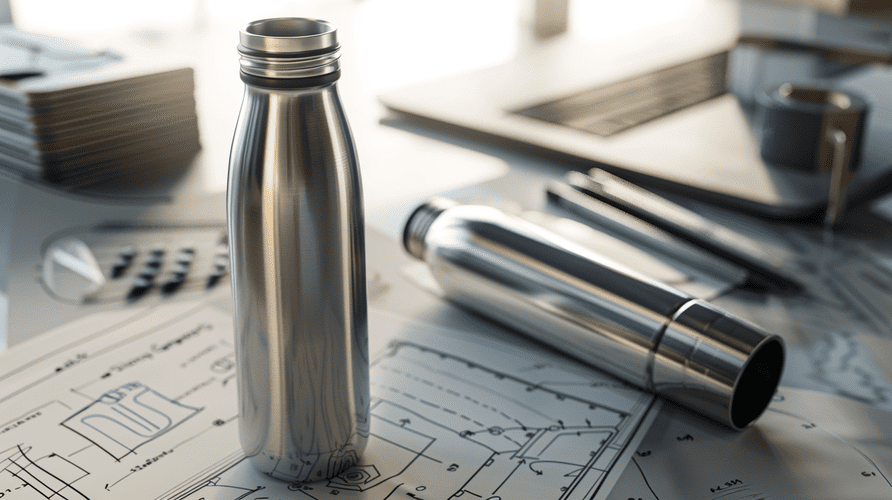
Safety is a very big concern for everyone. It should be. Mark, for example, is very strict about quality inspection. He always asks for certifications. He knows his customers in Canada expect safe, reliable products. This is definitely not an area where you should try to cut corners.
Key Safety Aspects for B2B Buyers
As a B2B buyer, you need to ensure the products you source are safe. Here are some key things to look for:
- Material Choice is Crucial: Always insist on food-grade stainless steel for the main body of the bottle.
- 304 (18/8) Stainless Steel: This is the industry standard for high-quality drinkware and food containers. It has excellent corrosion resistance and is very safe. Most of our Icobottle products use this type of steel.
- 316 Stainless Steel: This type offers even better corrosion resistance. It is especially good against salts and acidic substances. It is sometimes called marine-grade stainless steel and is a premium option.
- No Harmful Chemicals: Good quality stainless steel does not need any internal artificial coating. So, there is no risk of chemicals leaching from a coating.
- BPA-Free Components: All plastic parts, like lids, spouts, or seals, must be BPA-free. This is a non-negotiable point. We always ensure our lids and other components meet international food safety standards like FDA (U.S. Food and Drug Administration) and LFGB (German Food and Commodities Act).
- Certifications are Your Proof: Ask your suppliers for them! Material safety data sheets (MSDS), FDA compliance reports, LFGB test results – these documents are your proof of safety and quality. I always provide these to my clients at Icobottle. It helps them build trust with their own market. Mark mentioned that certificate fraud by some suppliers is one of his pain points. That is why working with transparent and reliable suppliers is so important. We stand by our certifications.
I once had a new procurement officer from a large company in the United States visit our factory in China. She spent a whole day just looking at our quality control processes. She also reviewed our material certifications very carefully. She told me later, "Aries, your transparency and commitment to quality are why we will do business with Icobottle." That is the level of assurance you should seek from your suppliers. It is also the level of assurance you should provide to your customers.
Are stainless steel water bottles lined with plastic?
Are you confused about bottle linings? Do stainless steel bottles secretly hide plastic inside them? Misinformation can damage trust in your products. Get clarity on why high-quality stainless steel bottles do not need, and do not have, plastic linings.
No, high-quality stainless steel water bottles do not have internal plastic linings. The stainless steel itself is the safe, food-contact surface. This is a key difference from some aluminum bottles, which often do require an internal lining.
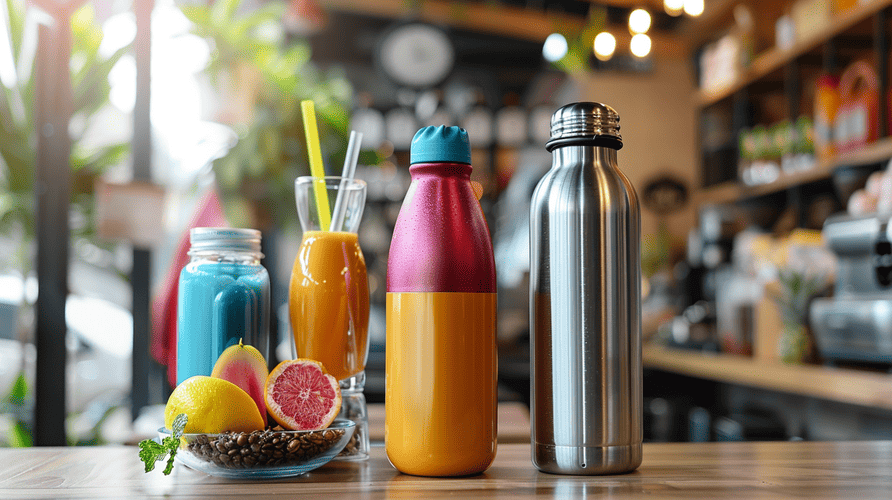
This question comes up quite often. It is usually because some other types of metal bottles, especially older or cheaper aluminum ones, do have linings. Mark, being an experienced professional in this business, knows this distinction very well. But it is important for all buyers to understand this clearly.
Stainless Steel vs. Lined Aluminum: A Clear Comparison
Understanding the difference helps you explain the benefits of stainless steel to your customers.
| Feature | High-Quality Stainless Steel Bottle (e.g., Icobottle) | Lined Aluminum Bottle |
|---|---|---|
| Internal Surface | Bare, polished food-grade stainless steel (e.g., 304 or 316) | Often an epoxy resin or plastic polymer lining |
| Reason for Lining | Not needed. Stainless steel is naturally non-reactive with most drinks. | Needed to prevent aluminum from reacting with the drink's contents (which can alter taste and leach aluminum). |
| Potential Safety Concern | Very low. Stainless steel is stable and inert. | Potential for the lining to degrade, chip, or leach chemicals over time, especially if damaged or exposed to heat. BPA was a concern in older linings. |
| Taste Impact | No flavor transfer. Drinks taste pure. | Can sometimes impart a metallic or plastic taste if the lining is affected or of poor quality. |
The real beauty of using food-grade stainless steel is its inertness. This means it does not react with water, coffee, tea, juice, or most other beverages. That is why we at Icobottle champion stainless steel for our products. You can confidently tell your customers, "Our bottles feature a 100% stainless steel interior." This is a very strong selling point, especially for health-conscious and eco-aware consumers. It means no worries about BPAs or other unknown chemicals from a plastic lining breaking down over time. It also means that drinks will taste exactly as they should, with no metallic or plastic aftertaste. I always highlight this important benefit to clients like Mark. It helps them differentiate their quality offerings in the market. It's a message of purity, safety, and durability.
Conclusion
Insulated bottles are truly eco-friendly and cost-effective. For B2B, they offer quality, sustainability, and build customer trust. This makes them a smart investment for your brand.
