
Are handled stainless cups dishwasher-safe in 2026? Marking and lab methods?
A cup can look strong, then fail in a dishwasher. I reduce that risk with clear marking and real wash-cycle lab checks.
Handled stainless cups can be dishwasher-safe in 2026 when the steel is food grade, the handle joint survives heat cycles, and the finish passes repeated detergent exposure. I verify this with grade marking, mill certificates, XRF checks, and multi-cycle dishwasher testing before I make the claim.
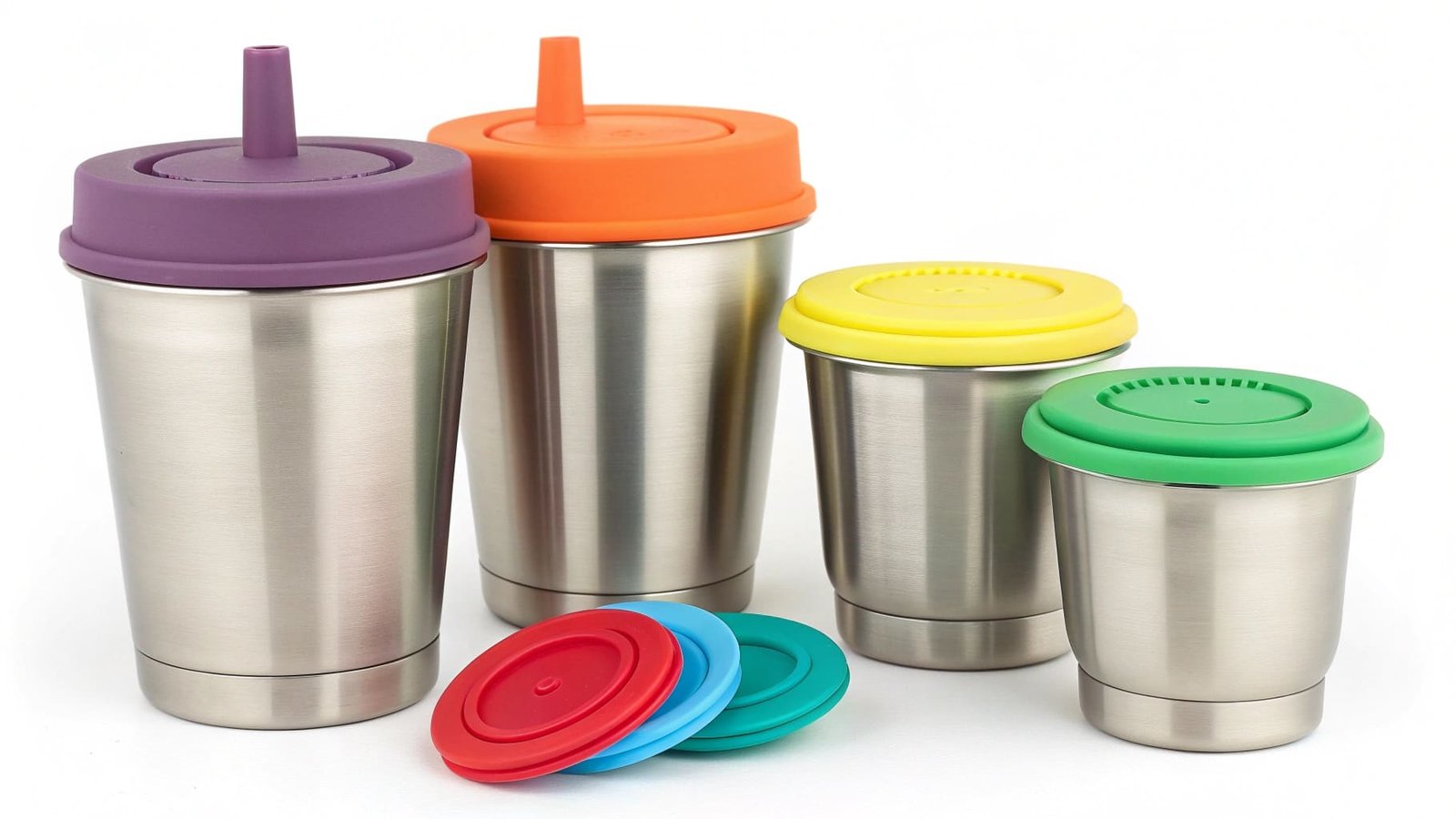
I treat dishwasher safety as a tested promise, not a sales phrase. I know a buyer may see “dishwasher-safe” printed on a box and think the issue is simple. I do not see it that way. I look at the steel grade, the handle structure, the coating, the logo method, and the final lab report. I once checked a handled cup sample that had a good body, but the welded handle showed fine cracks after repeated hot wash cycles. That sample looked acceptable on day one, but it was not safe for a brand order. If I buy or supply handled stainless cups for Canada, America, or Europe, I need proof that the cup can survive the real kitchen, not only the product photo.
How can you tell if stainless steel is safe?
A shiny cup can still be risky. I get nervous when a supplier hides the grade, because poor steel can stain, rust, or leach.
I tell if stainless steel is safe by checking permanent grade marks, mill test certificate1s, and XRF results. I prefer 304 or 316 stainless for drinkware. I avoid unmarked steel, vague 18/8 claims without documents, and samples that fail heavy metal checks.
My material safety check
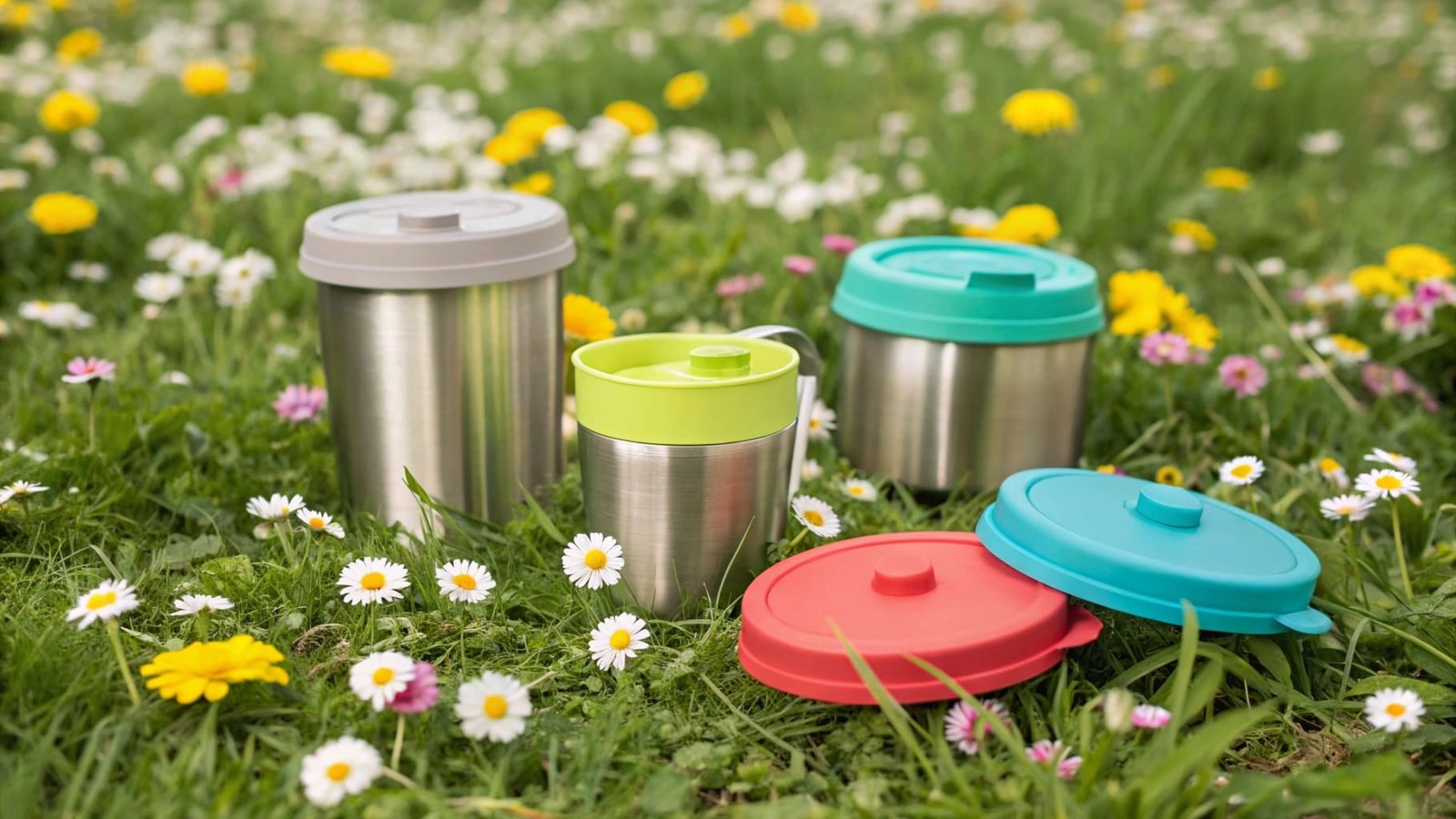
I do not trust stainless steel by its shine. I trust the full chain of proof. For drinkware, I first check the base marking. I prefer a permanent laser-etched mark because it is hard to remove and easy for the buyer to inspect2. I then ask for a mill test certificate. I read the chromium and nickel content because these two elements tell me whether the steel can resist corrosion3 in daily washing. I also use XRF testing when I need a fast screening result for heavy metals and grade match. I treat XRF as a practical check, not as a replacement for full lab reports.
I also pay attention to the difference between safe steel and safe product. A cup body may use 304 stainless, but a handle joint, decoration, or colored coating can still create risk. I ask the factory to confirm all food-contact parts, and I check whether the inner wall has any coating. I prefer uncoated stainless for the drinking area because it gives fewer unknowns.
| My check point | What I accept | What I question |
|---|---|---|
| I check the base mark | I accept clear 304, 316, 18/8, or 18/10 marking | I question blank bases and soft printed claims |
| I check the certificate | I accept a mill test certificate with matching batch details | I question old files and certificates without batch links |
| I check the lab method | I accept XRF screening and food-contact migration tests | I question a supplier who only sends a product photo |
| I check the metal choice | I accept 304 or 316 for normal drinkware | I question 201 for repeated wet use |
| I check the whole cup | I accept proof for steel, handle, coating, and logo | I question proof for the body only |
I have learned that certificate fraud is not always obvious. A weak supplier may send a clean-looking PDF, but the file may not match the batch. I ask for sample labels, production dates, and test item photos. I also compare the tested sample with the bulk sample. If the shape, color, handle, or lid is different, I do not treat the report as enough proof. This step is slow, but it protects the buyer from a shipment that looks legal on paper and fails in the market.
How do chefs keep stainless steel pans clean?
A clean pan teaches a hard lesson. I see stainless stay beautiful when people clean it fast, but stains grow when water sits.
Chefs keep stainless steel pans clean by washing them soon after use, using alkaline degreasers for oil, removing mineral stains with mild acid, rinsing well, and drying at once. I use this lesson for cups, but I do not confuse chef cleaning with dishwasher safety.
What chef cleaning teaches me about cups
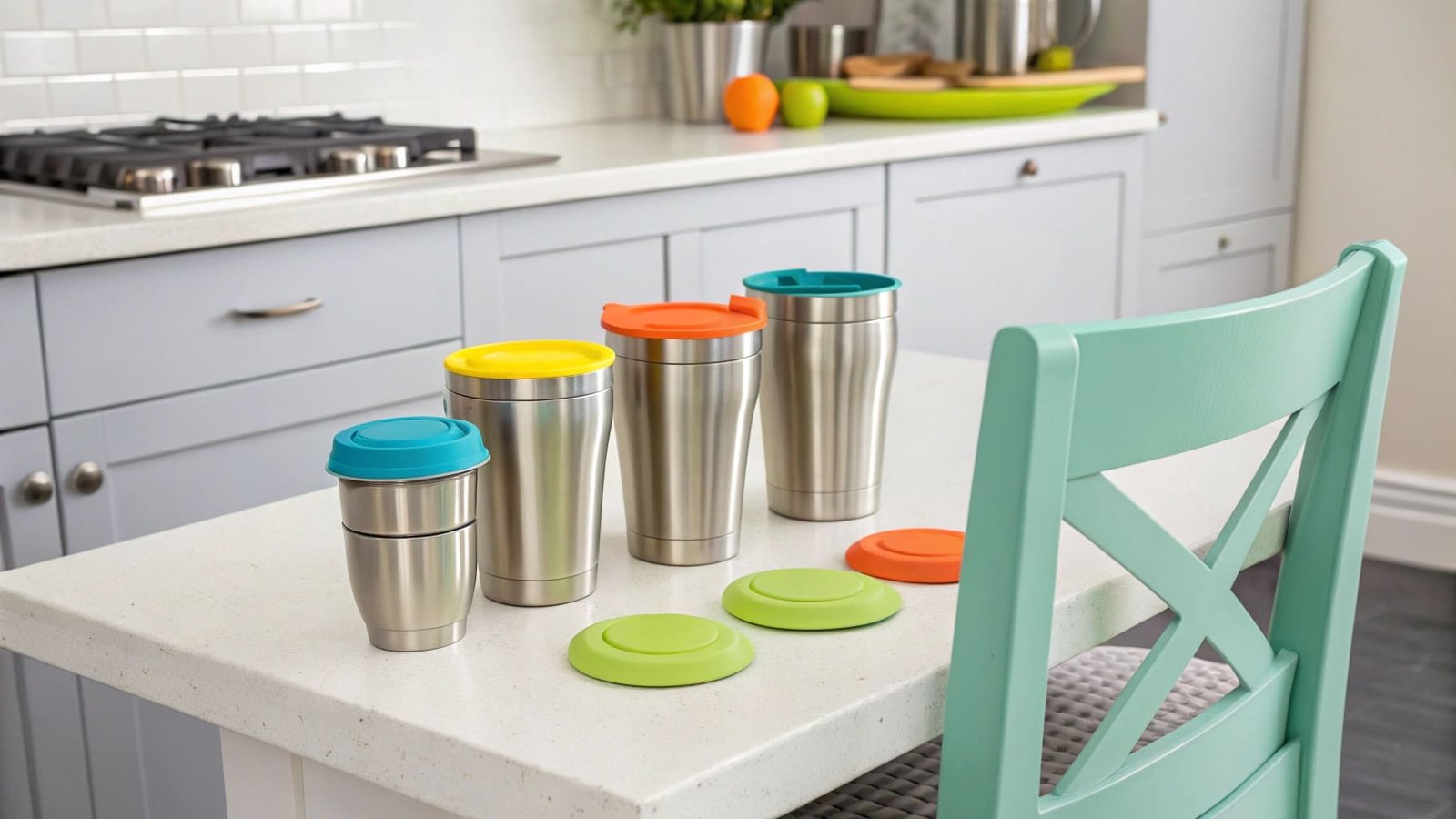
I often study how professional kitchens handle stainless steel because chefs push metal harder than most home users. A chef usually removes food and oil quickly. The pan does not sit overnight with salty sauce. The chef uses a strong cleaner when grease sticks, then rinses the pan well. The chef also dries the metal fast because standing water causes spots and can leave mineral marks. This process protects stainless steel because the contact time is short and the surface is not trapped in moisture.
I cannot copy this idea directly to handled cups in dishwashers. A home or office dishwasher creates a different condition. The cup may sit with coffee, tea, or sports drink before washing. The machine uses hot water, high-pH detergent, and a long drying stage. The cup may also touch other metal items inside the rack. The handle may heat and cool at a different speed from the cup body. This repeated movement can stress welds, rivets, and decorative parts.
| My comparison point | What I see in chef cleaning | What I see in dishwasher use |
|---|---|---|
| I check contact time | I see quick washing and fast drying | I see long wet time and slow drying |
| I check detergent strength | I see controlled cleaner use | I see strong detergent used again and again |
| I check heat stress | I see hot water but shorter exposure | I see repeated heat cycles in a closed space |
| I check surface risk | I see hand attention on stains | I see hidden residue near handles and seams |
| I check finish care | I see gentle hand contact when needed | I see rubbing, stacking, and chemical attack |
I use chef cleaning as a warning. Stainless steel is durable, but it is not magic. If a handled cup has a powder-coated finish, a soft logo print, or a weak handle weld, the dishwasher can expose that weakness faster than hand washing. For B2B orders, I ask the factory to test the real finished cup, not a plain steel body. I want the same handle, same coating, same logo, and same lid. I also ask for photos after each test stage because small changes show up before full failure. A dull coating, a lifted logo edge, or brown marks near the weld can tell me the cup is not ready for a premium rebrand.
Why should you not put stainless steel in the dishwasher?
A dishwasher feels convenient, but it can punish a weak cup. I have seen loose handles and peeling coating ruin repeat orders.
I do not put some stainless steel cups in the dishwasher because heat, high-pH detergent, long moisture contact, and mixed metals can damage handles, coatings, welds, and decorative parts. I only approve dishwasher use after repeated cycle testing and inspection.
Where dishwasher failure usually starts
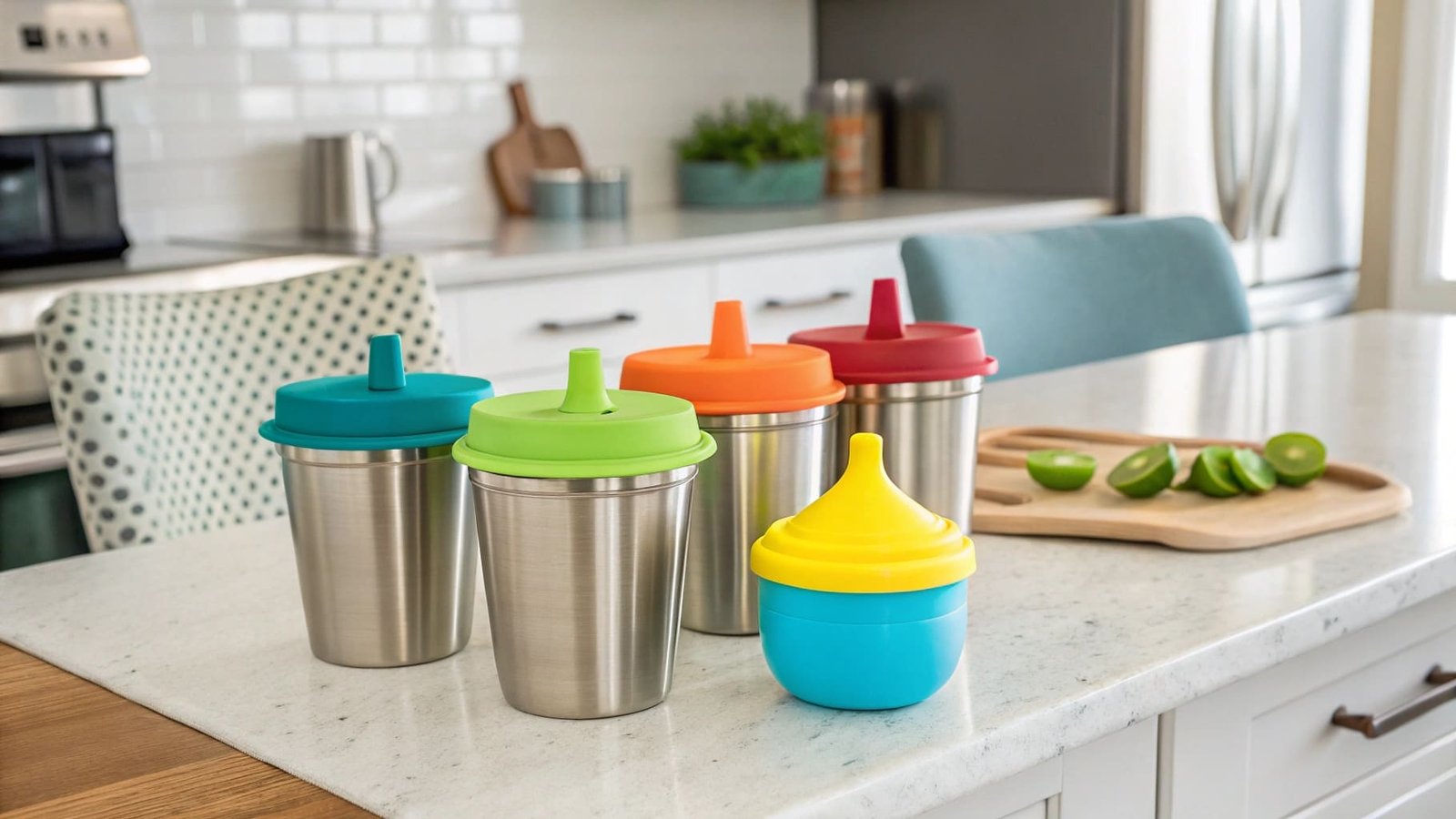
I do not think the main risk is always the stainless steel body. Premium 304 and 316 stainless steel can handle normal dishwasher conditions well. The bigger risk usually sits around the parts that make the cup attractive or easier to hold. The handle may be welded, riveted, or attached by another method. Each method reacts differently when heat expands the metal and cooling shrinks it again4. If a weld has poor penetration, tiny cracks can form. If a rivet area traps water, stains or bacteria risk can grow. If a handle uses a hidden insert, I ask what metal is inside.
The second risk is the finish. Powder coating looks good on retail shelves, and it helps brands stand out. But a harsh detergent can attack weak coating over time. I ask for coating adhesion tests5 and dishwasher cycle tests before I accept a dishwasher-safe claim. I also check the logo method. Laser engraving is usually more stable than soft printing, but it still needs clean edges and good process control.
| My risk area | Why I worry | What I test before approval |
|---|---|---|
| I check welded handles | I worry about micro-cracks from heat movement | I test repeated wash cycles and handle strength |
| I check riveted handles | I worry about water traps and residue | I inspect seams and dry areas after washing |
| I check powder coating | I worry about peeling, fading, and rough edges | I test adhesion before and after dishwasher cycles |
| I check printed logos | I worry about color loss and rubbing | I test detergent exposure and abrasion |
| I check mixed metals | I worry about galvanic corrosion | I avoid copper, brass, or unknown inserts when possible |
| I check lids and accessories | I worry about silicone swelling and plastic warping | I test each part as a complete set |
I use a repeated dishwasher test because one wash tells me very little. A sample may pass one cycle and still fail after a season of use. For a serious B2B order, I prefer a test plan that repeats the washing process many times. I check appearance, coating, handle movement, leakage points, odor, rust marks, and logo stability. I also record the detergent type, water temperature, rack position, and drying method. I do this because a vague test report is not useful when a buyer has to protect a brand.
I also separate “dishwasher-safe” from “dishwasher-recommended.” A product may survive the dishwasher, but I may still recommend hand washing if the design uses a special finish, a delicate logo, or a decorative handle. I explain this clearly on the product instruction sheet. I do not want a customer to believe every stainless cup should be treated the same. A plain brushed stainless cup has a different risk level from a colored handled cup with a large printed logo.
In my own supplier checks, I ask for a final sample from mass production, not only a golden sample from development. I then compare the sample with the report. I check whether the handle shape, coating color, and logo process match the tested item. If they do not match, I ask for a new test. This may feel strict, but delayed shipments and failed market claims cost more than a proper check before production.
Conclusion
I treat dishwasher safety as a tested promise, not a sales phrase. I check steel, handle, finish, and documents before I approve bulk orders.
-
"How to Read and Interpret Mill Test Reports", https://www.millsteel.com/blog/blog-how-to-read-mill-test-reports. Mill test certificates are documents issued by steel producers that certify the chemical composition and mechanical properties of a material batch, typically conforming to standards such as EN 10204 for traceability. Evidence role: definition; source type: institution. Supports: what mill test certificates are and their purpose in material verification. ↩
-
"TYKMA Electrox: Laser Engraving Machines | A Trusted Laser ...", https://www.permanentmarking.com/. Laser marking creates permanent marks on metal surfaces through localized material removal or oxidation, offering superior resistance to abrasion and chemical exposure compared to printed or stamped markings. Evidence role: general_support; source type: research. Supports: that laser marking creates permanent marks on metal surfaces. ↩
-
"Passivation (chemistry)", https://en.wikipedia.org/wiki/Passivation_(chemistry). Chromium forms a passive oxide layer that protects stainless steel from corrosion, while nickel stabilizes the austenitic structure and enhances resistance to acidic environments. Evidence role: mechanism; source type: encyclopedia. Supports: that chromium and nickel contribute to corrosion resistance in stainless steel. ↩
-
"Thermophysical Properties of Stainless Steels", https://www.osti.gov/servlets/purl/4152287. Metals exhibit thermal expansion when heated and contraction when cooled due to increased atomic vibration at higher temperatures, with austenitic stainless steels showing coefficients around 17–18 μm/(m·K). Evidence role: mechanism; source type: encyclopedia. Supports: that metals undergo dimensional changes with temperature variation. ↩
-
"D3359 Standard Test Methods for Rating Adhesion by Tape Test", https://www.astm.org/d3359-23.html. Standardized coating adhesion tests, such as ASTM D3359 cross-hatch and pull-off methods, evaluate the bond strength between coatings and substrates under controlled conditions. Evidence role: general_support; source type: institution. Supports: that standardized adhesion tests exist for evaluating coating quality. ↩