
Can Insulated Tumblers Survive FBA Carton Specs, Inserts, and Drop Testing?
I have seen strong tumblers fail before they reach buyers. One weak carton can turn a good product into refunds, bad reviews, and lost season sales.
Yes, insulated tumblers can survive FBA when I control carton strength, product inserts, unit protection, and drop testing before shipment. I treat packaging as part of the product, not as an afterthought, because Amazon handling is strict and often rough.
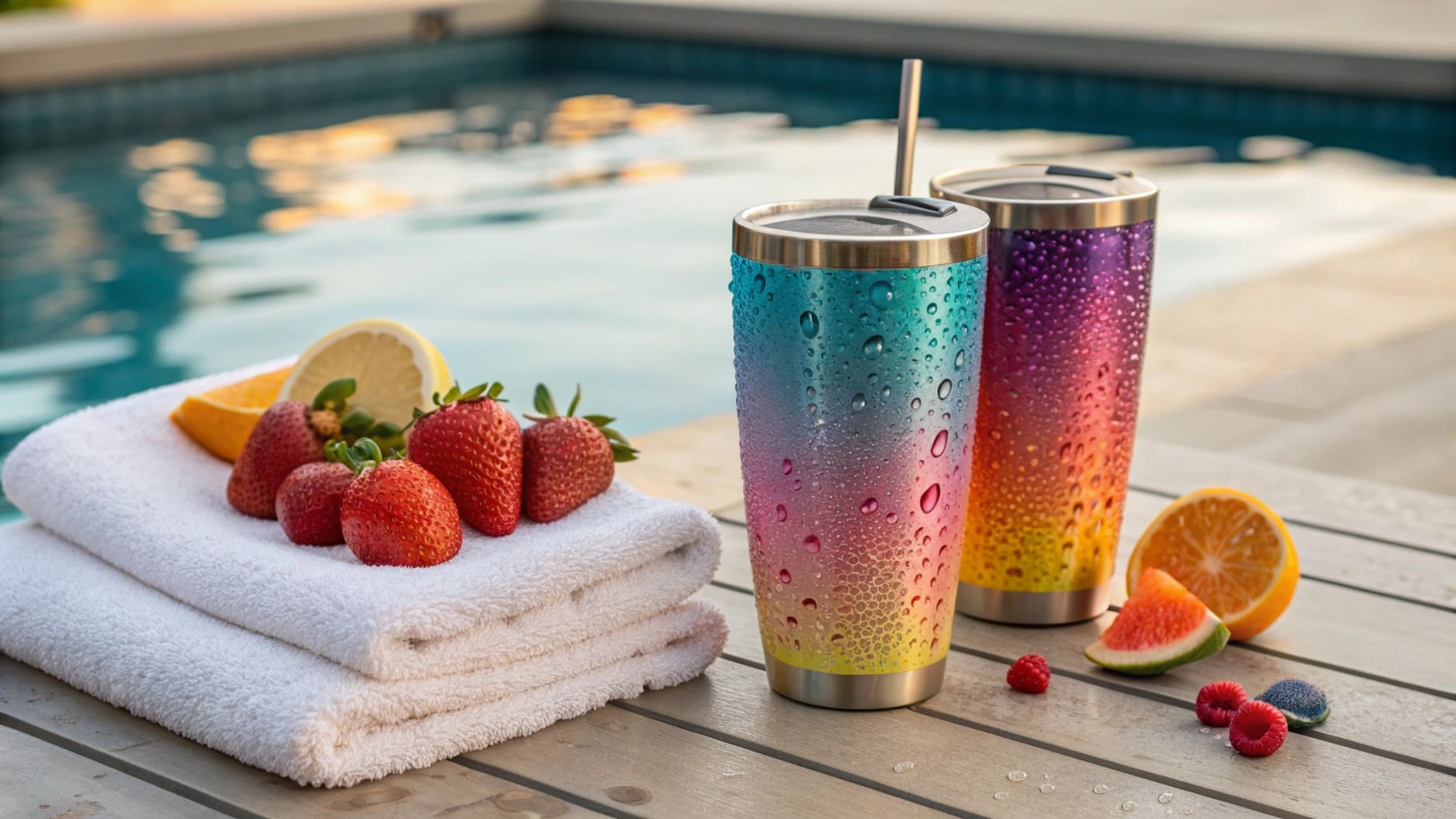
I always tell buyers that an insulated tumbler is not only a stainless steel item. It is a vacuum product, a coated product, and a retail product at the same time. If I protect only the steel body, I may still lose the lid, the finish, the gift box, or the vacuum seal. If I protect only the gift box, I may still face dents after warehouse handling. So I look at FBA survival from the full chain: factory packing, master carton design, inserts, pallet loading, drop testing, and final inspection. This is where many suppliers speak in general words, but I prefer to speak in testable details.
What Is The Difference Between Insulated And Non Insulated Tumblers?
I have watched buyers compare only price and miss the real risk. The cheaper tumbler may look fine, but its temperature performance can fail fast.
An insulated tumbler uses double-wall vacuum construction to slow heat transfer1. A non insulated tumbler uses a single wall and loses temperature much faster. I see insulated tumblers as higher value items, but I also treat them as higher risk items during production and shipping.
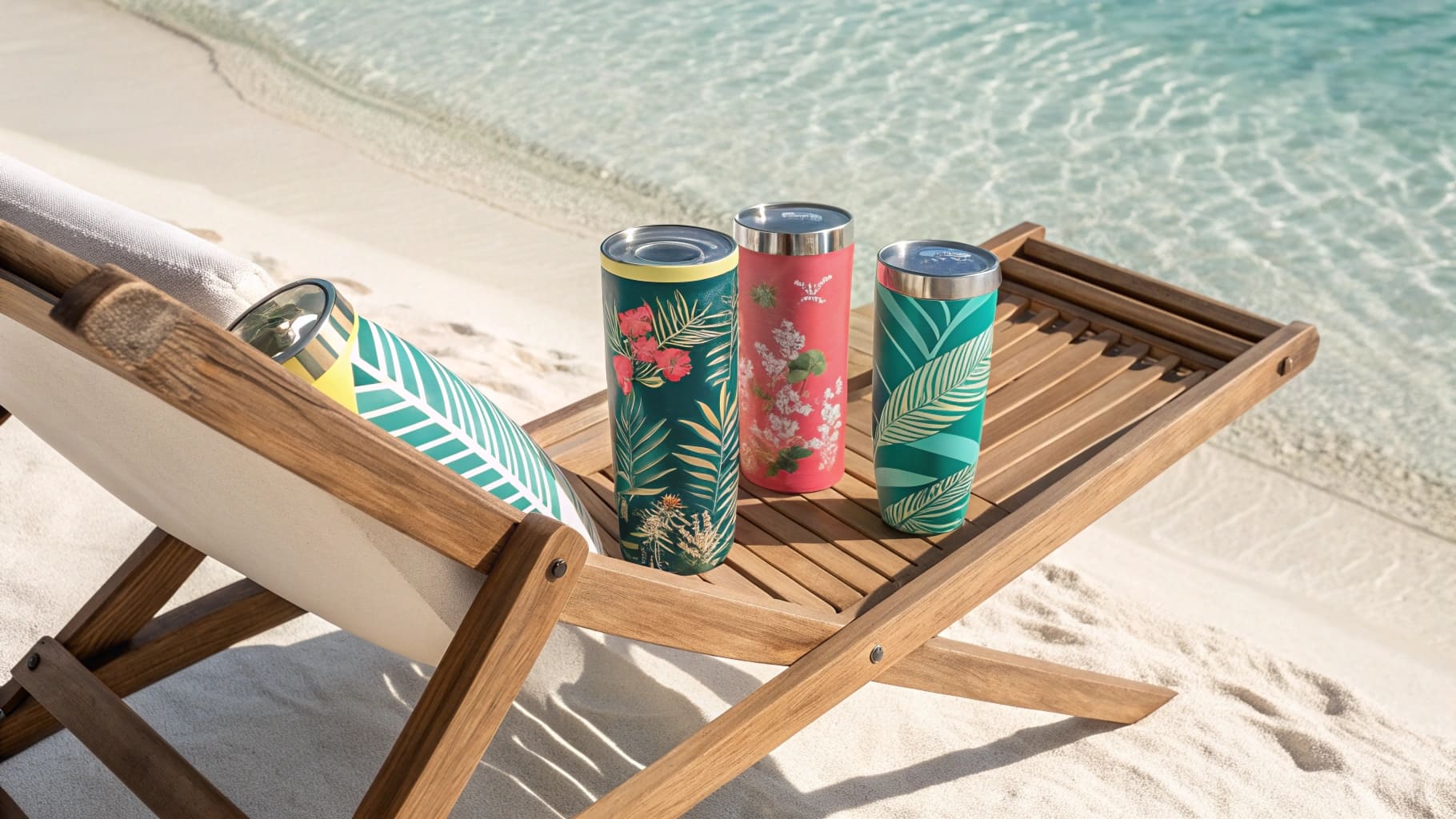
Why I Treat Vacuum Structure As A Packaging Risk
I see the biggest difference inside the wall, not only on the outside. An insulated tumbler has an inner wall, an outer wall, and a vacuum space between them. This space helps hold hot or cold drinks for many hours. A non insulated tumbler has no vacuum barrier, so heat moves through the steel body quickly. This difference changes the selling price, the user experience, and the way I pack the product.
| Item | Insulated tumbler | Non insulated tumbler |
|---|---|---|
| Wall structure | I use double-wall vacuum construction | I use single-wall construction |
| Heat retention | I expect long hot or cold performance | I expect short temperature hold |
| Retail position | I see it as a premium product | I see it as a basic product |
| Shipping risk | I protect the body, coating, lid, and vacuum | I mainly protect the body and surface |
| Quality control | I check vacuum performance and leakage risk | I check shape, polish, and basic finish |
Why I Check More Than The Carton
I always ask a simple question during packing design. Can the tumbler still perform after the carton falls, slides, and gets pressed? A vacuum leak may not be visible at first. A small dent near the bottom or seam can break the promise of insulation2. This is why I do not judge packaging only by how neat it looks.
| Risk point | What I check | Why I care |
|---|---|---|
| Vacuum base | I check dents and loose points | I want stable temperature performance |
| Rim area | I check roundness and finish | I want the lid to fit well |
| Coating | I check scratches and chips | I want the brand to look premium |
| Lid | I check cracks and gasket position | I want fewer customer complaints |
| Gift box | I check corner crush | I want retail-ready appearance |
How I Link Construction To FBA Survival
I build carton specs around the weakest point of the tumbler. If the tumbler has a powder coating, I add protection against rubbing3. If it has a clear lid, I protect against pressure. If it has a slim base, I avoid empty space inside the box. I prefer inner paper trays, molded pulp, EPE foam, or custom cardboard inserts, based on the order target and budget.
I also care about carton weight. I do not like cartons that become too heavy because warehouse workers may drop them harder. I prefer a master carton that is strong, compact, and easy to handle. I also prefer tight packing, but I do not force too many units into one carton. When a buyer plans FBA, I explain this early because late packaging changes can delay the shipment and hurt the sales window.
What Is A Good Insulated Tumbler?
I have seen buyers ask for the best price first. I understand that need, but a low price means little if returns destroy the margin.
A good insulated tumbler has safe stainless steel, stable vacuum performance, durable coating, a reliable lid, and packaging that can pass handling tests. I define “good” by what survives real use and real logistics, not only by what looks good in a sample photo.
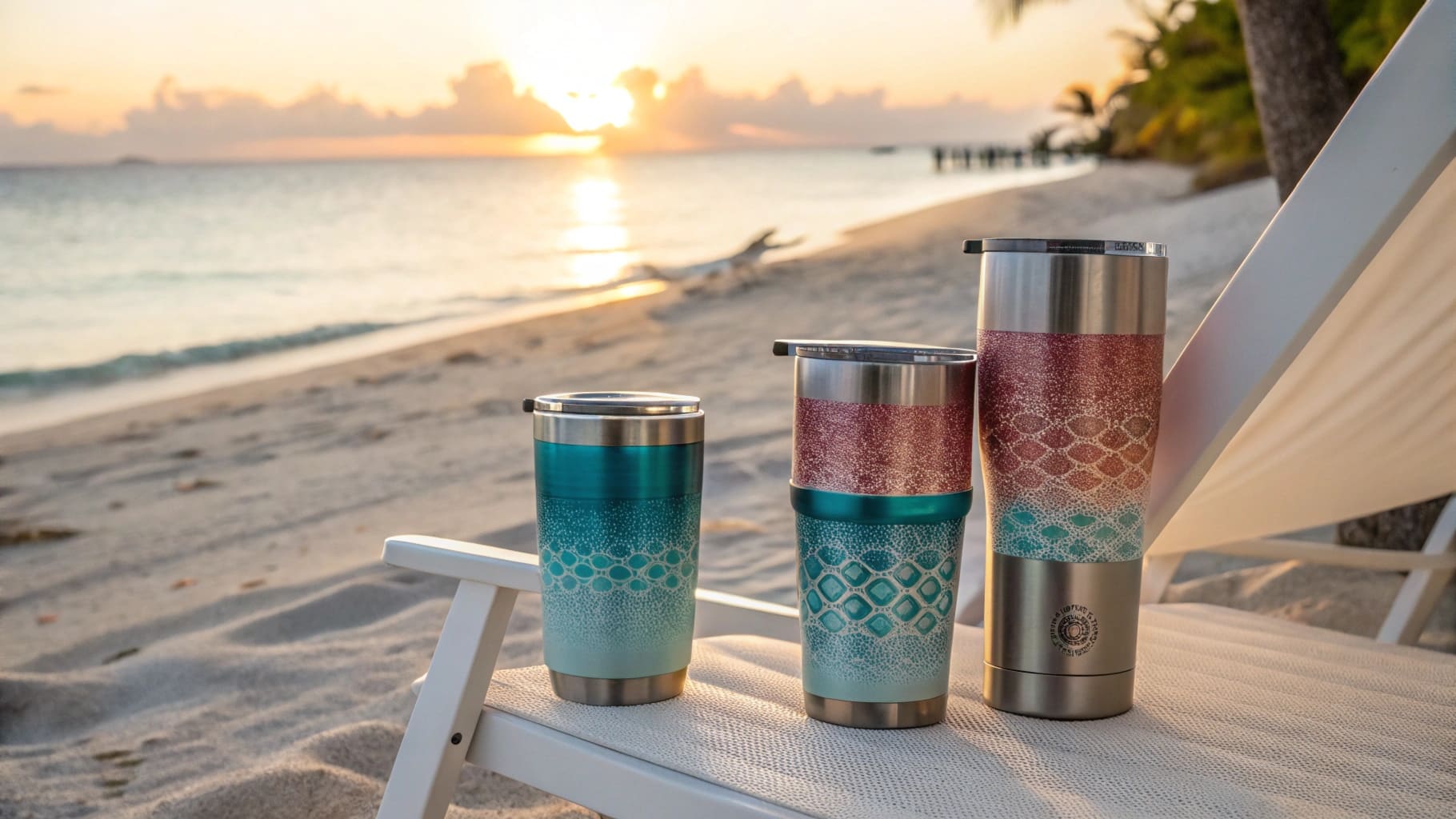
How I Define A Good Tumbler Before Production
I start with the steel. I prefer food-grade stainless steel for the inner wall because the drink touches this surface4. I also check the outer wall thickness because it affects strength and feel. I do not want a tumbler that feels too light if the buyer sells into a premium market. A good tumbler should feel stable in the hand. It should also sit flat on the table and fit common cup holders if that market needs it.
| Quality area | My standard check | Buyer value |
|---|---|---|
| Steel material | I ask for material records | I reduce food contact risk |
| Vacuum performance | I test hot or cold retention | I protect product claims |
| Lid seal | I test fit and gasket | I reduce leak complaints |
| Surface finish | I check coating adhesion | I protect brand image |
| Size tolerance | I check height, diameter, and rim | I keep batch consistency |
Why The Lid Often Decides The Review
I have learned that buyers often focus on the bottle body, but users complain fast when the lid leaks or feels cheap. A good lid must match the tumbler body well. The silicone gasket must stay in place. The drinking opening must feel smooth. If the tumbler is sold for coffee, the lid should handle heat without smell or warping.
I also look at lid packing. A clear plastic lid can crack if pressure sits on the wrong point. I do not like loose lids moving inside gift boxes. I prefer a fixed insert or a paper sleeve that stops movement. This small detail can decide whether the product arrives clean and complete.
| Lid issue | My packing response | Result I want |
|---|---|---|
| Loose lid | I lock it with an insert | I avoid rubbing and cracks |
| Gasket shift | I check assembly before packing | I avoid leaks |
| Scratched lid | I use a bag or separator | I protect appearance |
| Pressure mark | I keep clearance in the box | I reduce breakage |
How I Build FBA Carton Specs Around A Good Product
A good tumbler still needs a good carton. I usually design packaging in layers. The first layer protects the product surface. The second layer protects the retail box. The third layer protects the full carton during transit. This simple view helps me explain packaging costs to buyers who need both quality and competitive pricing.
| Packaging layer | What I use | Why I use it |
|---|---|---|
| Product layer | I use poly bag, paper wrap, or sleeve | I stop surface rubbing |
| Insert layer | I use cardboard insert, pulp tray, or foam | I control movement |
| Retail box layer | I use thick enough paperboard | I keep the box saleable |
| Master carton layer | I use strong corrugated carton | I handle stacking and drops |
| Pallet layer | I use corner guards and stretch film | I protect long distance shipping |
I also suggest drop testing before mass shipment. I do not treat it as a formal show. I treat it as a practical check. I drop a packed carton on corners, edges, and faces. Then I open the carton and inspect the real damage. If the gift box corners crush, I improve the carton. If the tumbler moves, I improve the insert. If the lid cracks, I change the inner protection. This saves more money than arguing after arrival.
Can You Put Coffee In An Insulated Tumbler?
I have heard buyers say that any stainless steel cup can hold coffee. That sounds simple, but poor steel and poor finishing can change taste.
Yes, I can put coffee in a high-quality insulated tumbler when the inner wall uses safe stainless steel and proper surface treatment. I prefer a smooth, clean inner finish because coffee oils and acid can expose weak material choices over time.
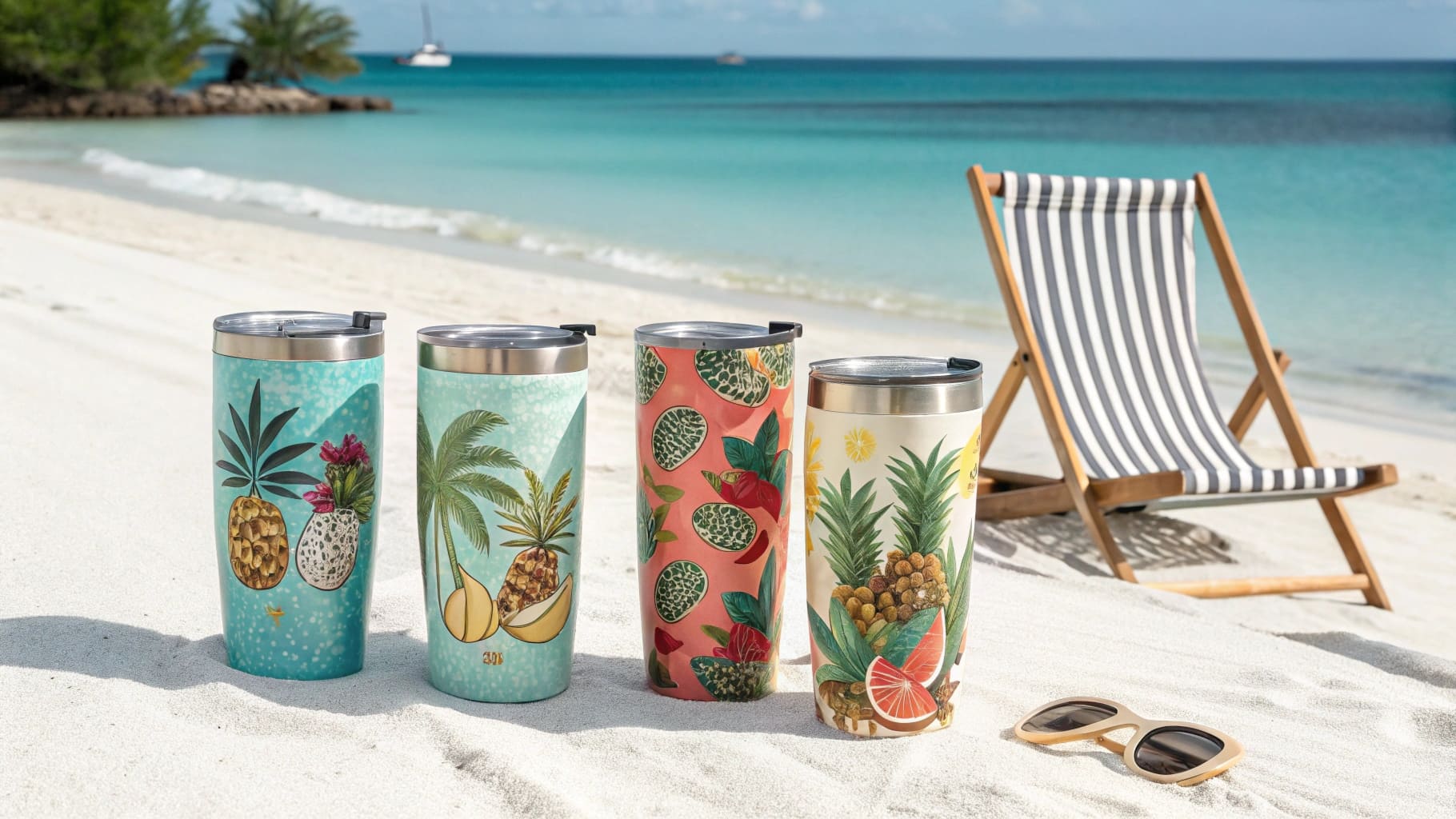
Why Coffee Makes Material Quality More Important
I treat coffee as a serious test for a tumbler. Coffee is hot, acidic, and oily. It can leave smell, stain weak surfaces, and expose poor finishing. A good inner wall should not give a metal taste. It should not hold odor after normal cleaning. It should also resist corrosion during repeated use.
| Coffee concern | What I check | Why it matters |
|---|---|---|
| Metallic taste | I check inner steel grade and finish | I protect drinking experience |
| Odor retention | I check inner smoothness | I support repeat use |
| Staining | I check polish and passivation quality | I keep the tumbler easy to clean |
| Heat safety | I check lid material and gasket | I reduce user complaints |
| Brand trust | I check test reports | I protect buyer reputation |
How I Discuss Coffee Use With B2B Buyers
I often speak with buyers who sell into Canada, America, and Europe. Many end users drink coffee every day, so the tumbler must work in that routine. I ask buyers what their customer will do. Will the user put hot coffee in the tumbler during a commute? Will the user leave coffee inside for hours? Will the user clean it in an office sink? These small use scenes guide my product advice.
I also remind buyers that the surface inside the tumbler is not a place to cut corners. A cheaper tumbler may look close from outside. The inside can tell a different story after weeks of use. If coffee smell stays, the user will not blame the factory. The user will blame the brand printed on the tumbler.
| Buyer question | My practical answer |
|---|---|
| Can I sell it for coffee? | I say yes if the material and lid are suitable |
| Will it keep coffee hot? | I check vacuum performance before I confirm claims |
| Will it smell after use? | I check inner finish and cleaning performance |
| Will the lid leak? | I test the lid seal and gasket fit |
| Can I use a low-cost option? | I explain the risk to reviews and repeat sales |
Why Coffee Tumblers Need Stronger Packaging Discipline
Coffee tumblers often sell as lifestyle products. The user expects the finish to look clean and premium. A scratch on a powder-coated tumbler can reduce perceived value before the first drink. This is why I connect coffee use with packaging discipline. A beautiful coating must survive the trip before it can impress the user.
I prefer to separate accessories inside the box. A stainless steel straw, cleaning brush, or extra lid can damage the tumbler coating if it moves freely. I use small bags, paper sleeves, or fixed positions in the insert. I also check whether the retail box can handle pressure from the accessory set.
| Accessory | Packing method I prefer | Risk I avoid |
|---|---|---|
| Straw | I use a separate sleeve | I avoid scratches |
| Brush | I fix it in the insert | I avoid loose movement |
| Extra lid | I wrap or separate it | I avoid cracking and rubbing |
| Silicone boot | I pack it in place or bagged | I avoid deformation |
| Cloth bag | I fold it cleanly | I protect presentation |
I also use carton testing to protect the final brand promise. If the tumbler is for coffee lovers, the packaging must keep the surface clean, the lid intact, and the box ready for sale. I have seen peak season shipments suffer because packaging was treated as a small detail. I do not treat it that way. I treat it as a quiet insurance policy for the buyer’s margin.
Conclusion
I believe insulated tumblers can survive FBA when I control product quality, inserts, carton strength, drop testing, and shipment details before mass production.
-
"Vacuum flask", https://en.wikipedia.org/wiki/Vacuum_flask. The insulating property of double-wall vacuum construction derives from the near-elimination of gas molecules in the interstitial space, which substantially reduces both conductive and convective heat transfer; this principle underlies the Dewar flask and its commercial descendants. Evidence role: mechanism; source type: encyclopedia. Supports: That a vacuum gap between two walls inhibits heat transfer by eliminating conduction and convection pathways, explaining the insulating effect of double-wall vacuum construction. Scope note: General physics sources describe the principle for laboratory-grade vacuum vessels; performance in consumer-grade stainless tumblers depends on the achieved vacuum level, which varies by manufacturer. ↩
-
"Mechanical Damage - PHMSA", https://www.phmsa.dot.gov/sites/phmsa.dot.gov/files/docs/technical-resources/pipeline/gas-distribution-integrity-management/65991/mechanicaldamagefinalreport.pdf. Engineering literature on vacuum-insulated panels and vessels indicates that deformation of the enclosing structure can breach hermetic seals or create micro-pathways for gas ingress, degrading the vacuum level and substantially increasing effective thermal conductivity. Evidence role: mechanism; source type: research. Supports: That mechanical deformation of the outer wall of a vacuum-insulated vessel can compromise the hermetic seal or alter wall geometry, resulting in vacuum loss and reduced thermal performance. Scope note: Most documented evidence concerns industrial cryogenic vessels or vacuum-insulated panels; direct experimental data on consumer stainless steel tumblers are limited in peer-reviewed sources. ↩
-
"Application of electrostatic powder coating on wood composite panels ...", https://bioresources.cnr.ncsu.edu/resources/application-of-electrostatic-powder-coating-on-wood-composite-panels-using-a-cooling-method-part-1-investigation-of-water-intake-abrasion-scratch-resistance-and-adhesion-strength/. Materials testing of organic powder coatings, including assessments per ASTM D968 and similar abrasion standards, demonstrates that coating integrity depends on film thickness and cross-link density; surface-to-surface contact under sustained pressure or vibration can result in measurable gloss and adhesion loss. Evidence role: general_support; source type: research. Supports: That powder-coated surfaces exhibit finite abrasion resistance and can be scratched or worn by repeated contact with packaging materials or adjacent products during transit. Scope note: Published abrasion data typically derive from flat substrate specimens under controlled laboratory conditions; extrapolation to tumbler geometries in shipping environments involves additional variables not captured in standard coupon tests. ↩
-
"Regulatory Status of Components of a Food Contact Material", https://www.fda.gov/food/packaging-food-contact-substances-fcs/determining-regulatory-status-components-food-contact-material. Regulatory guidance from food safety authorities, including the U.S. FDA, identifies certain stainless steel alloys as acceptable for food-contact applications on the basis of their corrosion resistance and chemical inertness under normal use conditions. Evidence role: expert_consensus; source type: government. Supports: That specific grades of stainless steel are recognized as safe for food and beverage contact under applicable regulatory frameworks. Scope note: Regulatory acceptance criteria vary by jurisdiction; the article does not specify which grade or standard is being invoked, so the cited source provides general contextual support rather than direct confirmation of the manufacturer's claims. ↩