
Which straw lid tumblers pass pull tests, hinge life, and target sip flow rates?
I see many buyers lose money when a straw lid looks strong but fails in daily use. The problem grows after rebranding and shipment.
I qualify straw lid tumblers by three checks: pull force above 18 lbs, hinge life above 10,000 cycles1, and sip flow between 8 and 12 mL per second2. I treat these results as the basic line before I discuss price, color, logo, or packaging.
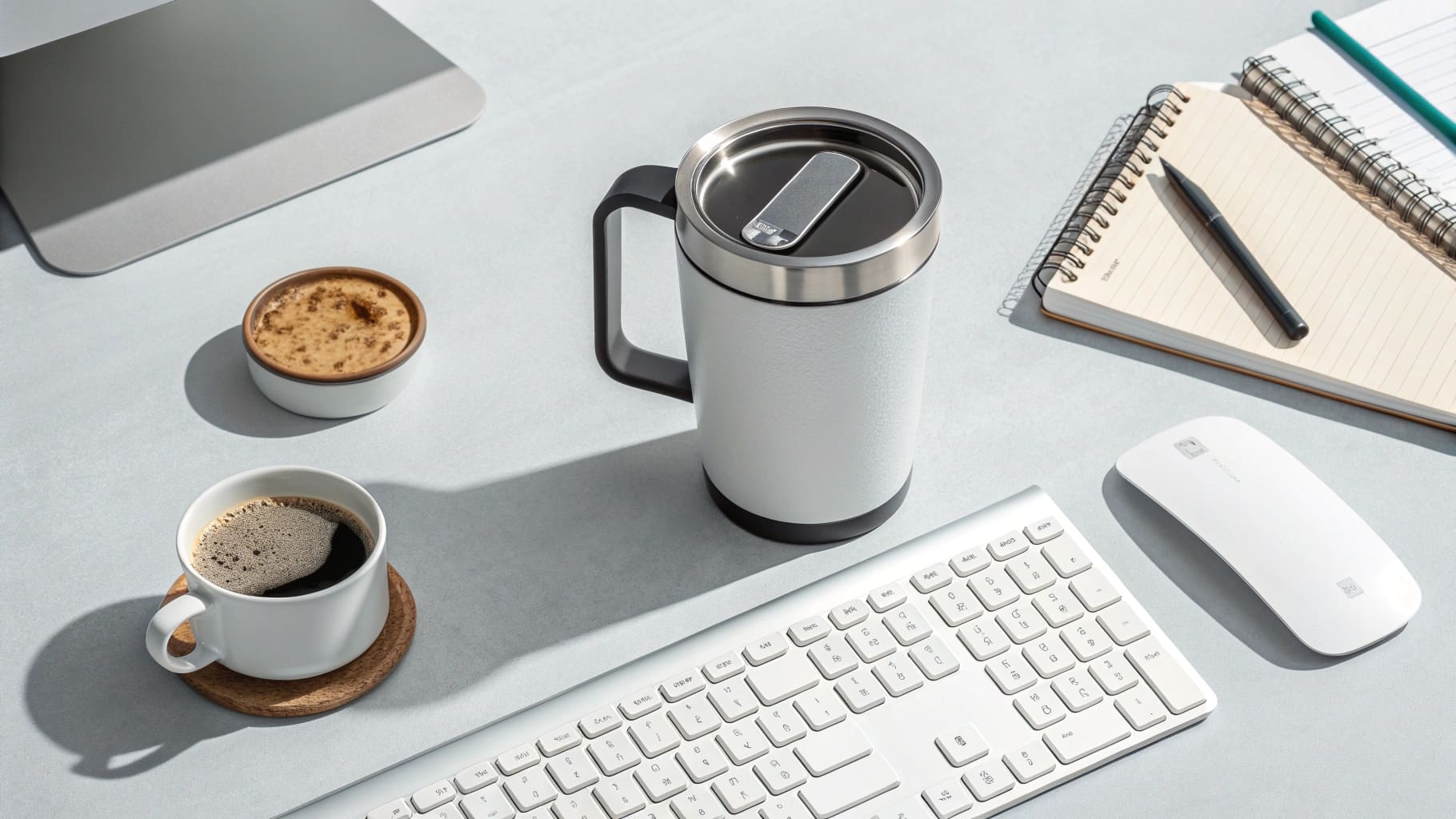
I always tell buyers that a tumbler is not only a cup. It is a promise to the end user. If the lid pulls off in a car, the brand takes the blame. If the hinge cracks before the season ends, the distributor pays the cost. If the straw flow feels too slow or too fast, customers complain even when the steel body is good. I have seen buyers focus on vacuum time, wall thickness, and carton price first. I understand that habit. But I also see straw lids create many hidden after-sales problems.
In my daily work with stainless steel drinkware, I check the lid before I check the decoration. A good logo cannot save a weak hinge. A nice powder coating cannot fix poor sip flow3. A low price can look smart in the order stage, but it can become expensive after returns, lost shelf time, and poor reviews. I use these three performance points because they are simple, clear, and easy to compare across suppliers.
What is the number one tumbler?
I often hear this question from buyers who want a safe answer. The risk is that brand fame can hide product detail.
I do not judge the number one tumbler by name alone. I judge it by stable lid pull strength, long hinge life, correct sip flow, clean certification, steady insulation, and on-time delivery. For B2B buying, the best tumbler is the one that protects margin and reduces complaints.
How I define a top tumbler for wholesale?
I do not think the number one tumbler is always the most famous one. I think it is the tumbler that matches the buyer’s channel. A Canadian distributor may need a lid that survives warehouse handling, retail display, and daily commuter use. A gift company may need color accuracy and logo clarity. A sports brand may need a straw lid that stays secure in outdoor use. I start with use case, not with brand name.
| Test area | My target | Why I care |
|---|---|---|
| Pull test | Above 18 lbs | I want the straw lid to resist accidental pulling |
| Hinge life | Above 10,000 cycles | I want the flip part to survive normal use |
| Sip flow | 8 to 12 mL per second | I want the user to drink with comfort |
| Leak check | Stable after tilt and movement | I want fewer complaints in transport and use |
| Material check | Food-contact safe | I want the product to pass market checks |
Why I do not stop at consumer ranking?
I have seen famous tumblers win attention because of strong marketing. That does not mean every B2B buyer should follow that path. A wholesale buyer needs repeat supply, stable color, correct cartons, useful certificates, and clear payment terms. I ask for test data before I accept sales words. I also ask how the factory controls silicone parts, straw length, hinge pins, and cap tolerance. These small parts decide user experience.
When I work with procurement people like Mark, I know they care about quality and price at the same time. I respect that. I do not push the highest cost option by default. I compare risk. If a lid saves a few cents but causes returns, the order is not cheaper. If a factory gives strong pull test data and keeps lead time stable, I see that as real value.
What is better than the Yeti tumbler?
I see many buyers compare every tumbler with Yeti. The problem is that a premium retail name does not always fit a wholesale plan.
A tumbler can be better than Yeti for B2B when it offers similar insulation, stronger customization, tested straw lids, lower MOQ, faster sampling, and better total landed cost. I look for factory control, not only consumer brand image.
Where factory tumblers can win?
I respect Yeti because it built trust in the premium tumbler market. I also know many B2B buyers do not need to buy a retail story. They need a product they can rebrand, price, and sell in their own market. A direct factory tumbler can be better when the factory controls mold, coating, lid testing, and packing. It can also be better when the buyer needs custom colors, custom logos, and private packaging.
| Buying point | Retail brand route | Direct factory route |
|---|---|---|
| Logo control | Limited | Flexible |
| Color choice | Limited by stock | Custom by project |
| MOQ | Often fixed by reseller | Can be planned by model |
| Lid test access | Hard to get | Easier to request |
| Cost structure | Brand premium included | Factory cost is clearer |
| Lead time control | Depends on reseller | Can be discussed directly |
Why I use total landed cost?
I do not look at unit price alone. I look at product cost, packaging cost, inland transport, sea or air freight, duty, inspection, storage, and delay risk. A cheap tumbler can be expensive if it misses the peak sales season4. A higher quote can be safer if the supplier gives stable test reports, honest production updates, and clear inspection support.
I also look at straw lid design. A Yeti-style body can impress customers, but the lid must still pass the real use test. I want the pull force to stay above 18 lbs. I want the hinge to reach at least 10,000 cycles. For buyers in Europe, I like to prepare for higher expectations, such as 15,000 cycles, because the market is strict about consumer protection. I prefer silicone-reinforced hinge areas because they often last longer than simple plastic joints5.
I tell buyers to ask for real samples from mass production material. A perfect showroom sample does not mean the bulk order will match. I ask for photos, videos, and inspection records during production. I also ask the supplier to explain what happens if the straw lid fails the agreed test. A serious factory should answer this question without delay.
Who makes the best tumblers?
I know this question sounds simple. The hard part is that many suppliers can make a nice sample but not stable bulk goods.
The best tumbler maker is the supplier that controls stainless steel forming, vacuum insulation6, coating, lid tooling, straw flow, inspection, certification, and shipment timing. I prefer manufacturers that share test standards clearly and accept third-party inspection before loading.

What I check inside a manufacturer?
I judge a manufacturer by process control. I want to know how the factory checks stainless steel grade, welding, vacuum performance, coating adhesion, and lid assembly. For straw lid tumblers, I pay special attention to the lid workshop. Many buyers check only the cup body because it feels more valuable. I think that is a mistake. The lid is the part that users touch many times each day. It is also the part that often breaks first.
| Factory ability | What I ask for | What it tells me |
|---|---|---|
| Material control | Steel and plastic records | I can trace the base quality |
| Lid pull test | Test method and result | I can judge lid security |
| Hinge cycle test | Cycle count and failure point | I can judge daily durability |
| Sip flow test | mL per second result | I can judge drinking comfort |
| Certificate support | Current documents | I can lower market risk |
| Shipment plan | Production and loading schedule | I can protect the sales season |
Why communication quality matters?
I have learned that poor communication creates the same damage as poor production. A buyer may lose a whole season because a sales person hides a delay or answers too slowly. I prefer a supplier who gives clear updates, even when the news is not perfect. I want the factory to tell me when raw material arrives, when lid injection starts, when coating begins, when inspection is booked, and when loading is planned.
I also pay attention to certificate risk. Some suppliers show documents that look real but do not match the product, model, or material. I do not like vague answers on this point. I ask for product-specific documents when the market needs them. I also ask whether the certificate covers the lid material, silicone parts, straw, coating, and stainless steel body. A tumbler is a full product, not only a steel shell.
For buyers who source from China or Vietnam, I suggest a simple rule. I ask the supplier to prove before I trust. I want samples. I want test records. I want clear photos. I want pre-shipment inspection. I want payment terms that match risk. I do not think this is unfriendly. I think this is normal B2B work.
How I balance price and quality?
I know many company owners need competitive pricing. I also know the cheapest quote often removes something from the product. It may use a thinner lid wall. It may use weaker hinge plastic. It may skip cycle testing. It may use a straw bore that makes flow too low. It may rush packing and create scratches. These problems are not always visible in the first sample.
I like to compare quotes with the same test standards. If one supplier quotes with a 10,000-cycle hinge and another does not test the hinge, the two prices are not equal. If one supplier controls sip flow between 8 and 12 mL per second and another has no flow target, the cheaper offer carries more risk. I tell buyers to make the specification sheet clear before price negotiation. Clear standards make a stronger negotiation because every supplier must quote the same product.
Conclusion
I choose straw lid tumblers by test results first. I trust pull strength, hinge life, sip flow, clear certificates, and honest delivery more than brand noise.
-
"Product durability and life", https://www.govinfo.gov/content/pkg/GOVPUB-C13-1a1852d93e946b0be95e63e67c301314/pdf/GOVPUB-C13-1a1852d93e946b0be95e63e67c301314.pdf. Standards bodies such as ASTM International publish mechanical fatigue and cycle-life test methods for plastic components that provide context for hinge durability benchmarks used in consumer drinkware evaluation. Evidence role: definition; source type: institution. Supports: Accepted cycle-count benchmarks for plastic hinge durability testing in consumer product applications. Scope note: A direct standard specifying 10,000 cycles for tumbler straw-lid hinges was not identified; the figure may reflect supplier convention rather than a formally published requirement. ↩
-
"Biomechanics of Sequential Swallowing in Healthy Adults - PMC", https://pmc.ncbi.nlm.nih.gov/articles/PMC12704915/. Research on oral fluid intake mechanics and straw bore hydrodynamics can provide a physiological basis for defining comfortable sip flow rates, typically expressed in milliliters per second. Evidence role: mechanism; source type: research. Supports: The physiological or ergonomic basis for a comfortable liquid flow rate through a drinking straw. Scope note: The specific range of 8–12 mL/s cited in the article may reflect supplier testing convention; peer-reviewed literature on straw flow comfort thresholds is limited. ↩
-
"Regulations, Laws & Standards | CPSC.gov", https://www.cpsc.gov/Regulations-Laws--Standards. Powder coating is an electrostatic dry finishing process applied to metal substrates; for consumer drinkware, coating adhesion and chemical safety are evaluated under standards such as ASTM D3359 for adhesion and applicable food-contact regulations governing exterior coatings. Evidence role: definition; source type: institution. Supports: The nature of powder coating as a surface finish for stainless steel drinkware and the safety or durability standards that apply to it. Scope note: Regulatory requirements for powder coatings on drinkware exteriors vary by market and depend on whether the coating contacts food or beverage directly. ↩
-
"The price of delay: How supply chain disruptions spread into consumer ...", https://cepr.org/voxeu/columns/price-delay-how-supply-chain-disruptions-spread-consumer-prices. Supply chain management research documents that late delivery relative to peak demand periods results in lost sales, markdown costs, and reduced inventory turns, collectively representing a significant financial penalty for buyers dependent on seasonal sell-through. Evidence role: general_support; source type: research. Supports: The financial impact on retailers and distributors when supply chain delays cause products to miss peak seasonal demand windows. Scope note: Quantified impact varies widely by product category, channel, and market; general supply chain findings may not directly reflect the drinkware wholesale segment. ↩
-
"Research Progress on Fatigue Life of Rubber Materials - PMC - NIH", https://pmc.ncbi.nlm.nih.gov/articles/PMC9654122/. Polymer engineering literature documents that silicone elastomers exhibit superior cyclic fatigue resistance compared to rigid thermoplastics such as polypropylene, supporting their use in high-cycle hinge applications. Evidence role: mechanism; source type: research. Supports: The mechanical fatigue and durability advantages of silicone elastomers over rigid thermoplastics in living-hinge or flex-hinge applications. Scope note: Performance differences depend on specific silicone grade, hinge geometry, and load conditions; general material data may not directly replicate tumbler lid hinge configurations. ↩
-
"How Do Insulated Tumblers Work? A Complete Guide", https://greenssteel.com/blogs/news/how-do-insulated-tumblers-work-a-complete-guide?srsltid=AfmBOoohInTXKMkEVqNHb8hgMC8PusVgDaMJiDnvZxAzsxxK7J--dtiz. Vacuum insulation in double-wall containers reduces heat transfer by eliminating conductive and convective pathways between the inner and outer walls, relying primarily on radiation as the remaining heat transfer mode, a principle described in standard thermodynamics and heat transfer references. Evidence role: mechanism; source type: encyclopedia. Supports: The thermodynamic mechanism by which vacuum insulation in double-wall containers reduces heat transfer and maintains beverage temperature. Scope note: Actual insulation performance in commercial tumblers depends on vacuum quality, wall geometry, and any residual gas pressure, which vary by manufacturer and are not captured by the general physical principle alone. ↩