
Is storing lighter fluid in hip flasks safe, even with material risks and warning labels?
I see a small flask and a dangerous shortcut. Lighter fluid can leak, smell, ignite, and damage trust. I would never treat it as harmless.
I do not consider storing lighter fluid in hip flasks safe. I treat hip flasks as beverage containers, not fuel containers. I worry about flammable vapor, residue, seal damage, odor, user injury, and brand liability more than the stainless steel body itself.
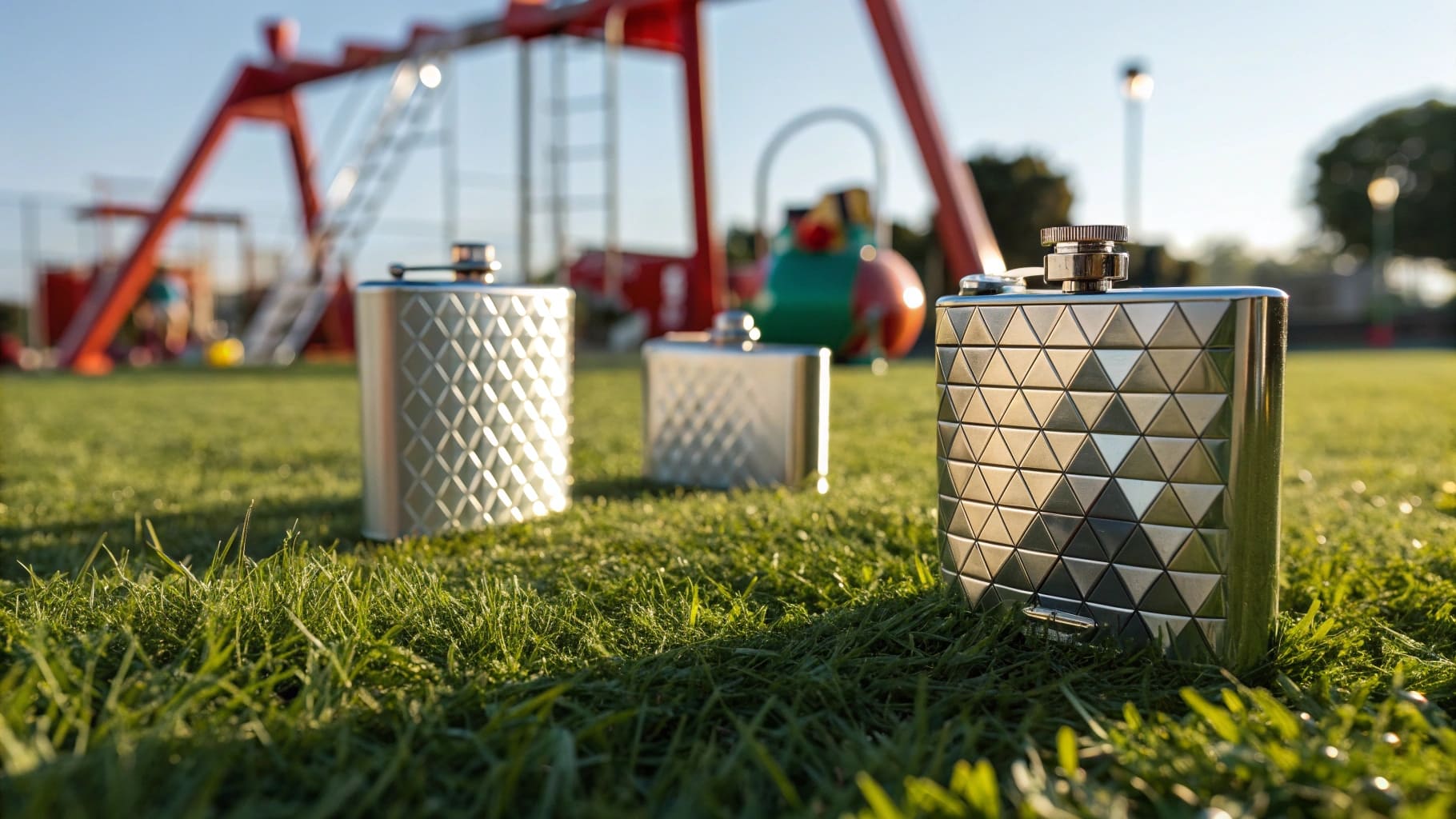
I have met buyers who asked simple material questions that were not simple at all. A stainless steel flask looks strong, so people may think it can hold anything. I see the problem in that assumption. A hip flask is not only a metal shell. It has a cap, a sealing ring1, a welded body, a finish, and a purpose. I want to show where the real risk hides, because one wrong use can become one delayed shipment, one claim, or one damaged brand.
Can you use lighter fluid on stainless steel?
I understand the temptation. Stainless steel looks tough, but one unsafe cleaner can leave odor, fire risk, and questions that a buyer cannot ignore.
I do not recommend using lighter fluid on stainless steel hip flasks. Stainless steel may survive brief contact, but lighter fluid can leave flammable residue and strong odor. I prefer safe cleaners, fast rinsing after accidental contact, and clear warnings against chemical storage.
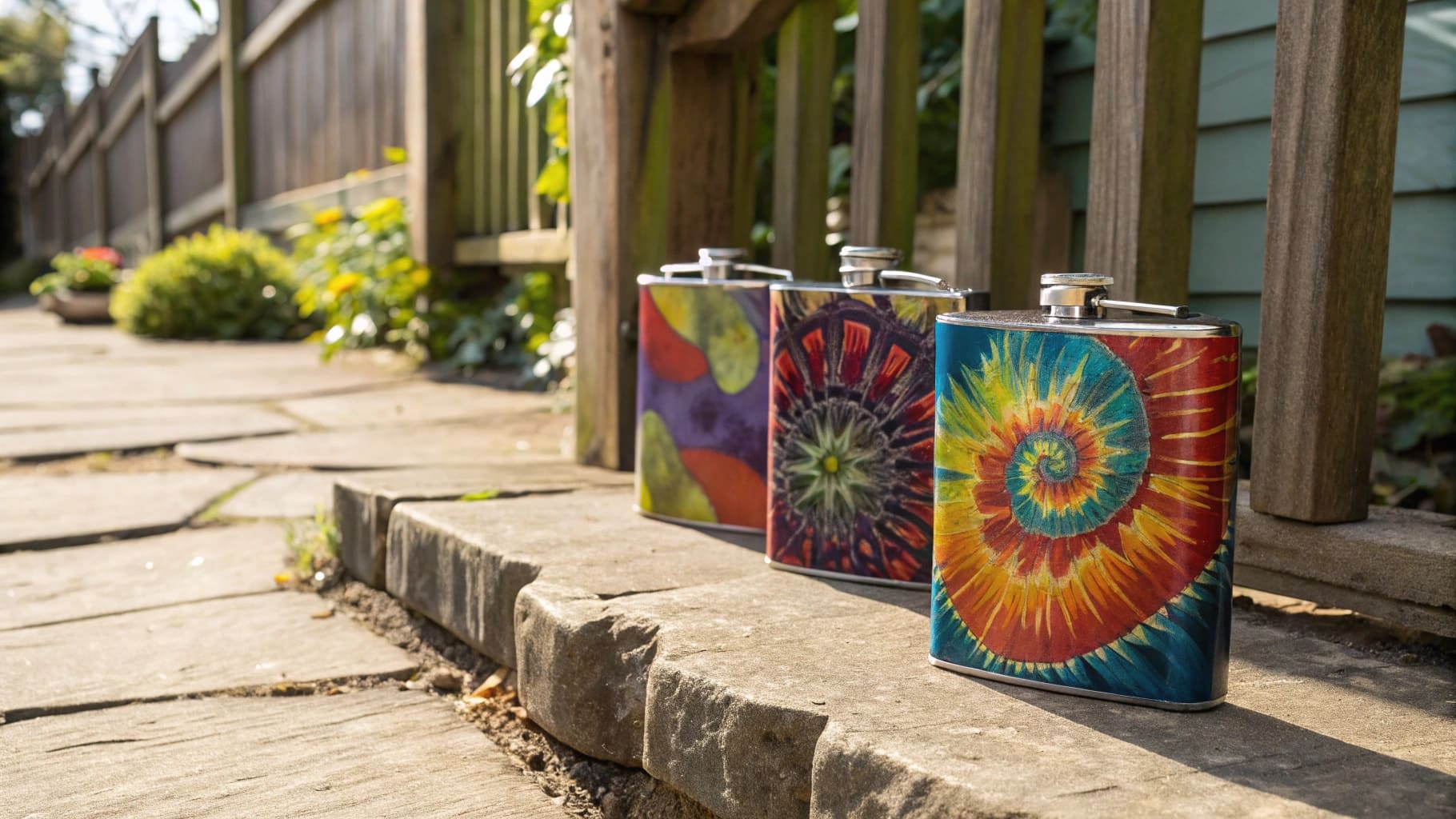
How I separate metal resistance from product safety
I treat stainless steel resistance as only one part of the answer. I know good stainless steel can resist many liquids for a short time2. I also know a finished flask is more than bare steel. I check the cap liner, sealing ring, coating, polishing paste residue, and inner weld area. I do this because lighter fluid can move into small spaces. It can also leave vapor inside the flask after the liquid is poured out. I see vapor as the main danger, because it can ignite when the user opens the flask near a flame.
| Area I check | What I expect | What I do |
|---|---|---|
| Stainless body | I expect short contact to cause little visible damage. | I still reject storage because vapor risk remains. |
| Sealing ring | I expect some materials to absorb smell. | I test odor and fit after exposure concerns. |
| Cap threads | I expect liquid to stay in small gaps. | I clean and dry the area with extra care. |
| Inner surface | I expect residue to affect taste and smell. | I use warm water and mild soap after accidental contact. |
How I handle accidental contact
I tell my customers that accidental contact is different from planned storage. If lighter fluid touches the outside of a stainless steel product, I would remove it at once. I would wash the surface with mild soap and warm water. I would rinse it well. I would dry it fully in open air, far from sparks, flame, heat, and smoking areas. I would not ship or resell any flask that still has fuel smell. I would not allow my team to use lighter fluid as a normal cleaner, because the smell can stay and the safety message becomes confusing.
For a business buyer, I see the bigger issue as product control. If a supplier says, “The metal is fine,” I still ask about the seals, labels, packing inserts, and user instructions. I need the whole product to tell the same story. The story must be simple. I make beverage flasks for beverage use only.
What are hip flasks made of?
I see buyers lose money when they only ask about the outer steel. The full flask structure decides leakage, smell, safety, and brand trust.
I usually make quality hip flasks from food-grade stainless steel, often type three zero four or type three one six. I also check the cap, sealing ring, welds, inner finish, and coating, because these parts affect taste, leakage, cleaning, and safety warnings.
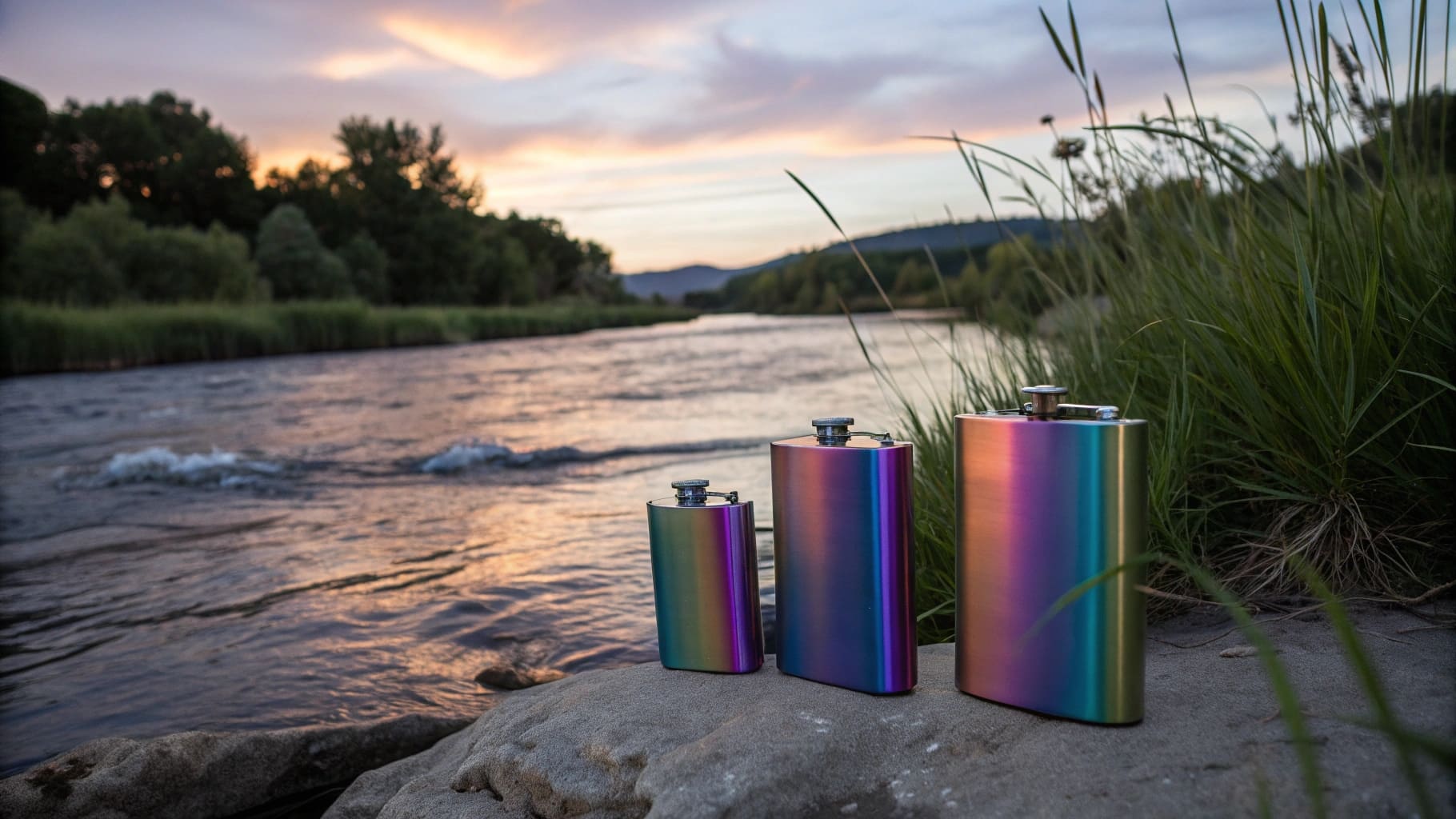
What I include in a flask material check
I do not treat a hip flask as a simple metal box. I treat it as a small container that must touch drink safely and keep its shape during normal use. I prefer food-grade stainless steel because it resists rust, keeps a clean look, and works well for spirits like whiskey, vodka, and rum. I see type three zero four as a common and practical choice for many orders. I see type three one six as a stronger option when a buyer wants higher resistance, even if the cost is higher.
| Part of the flask | What I check | Why I care |
|---|---|---|
| Main body | I check the stainless steel grade. | I need corrosion resistance and stable quality. |
| Inner wall | I check polishing and cleanliness. | I need the drink taste to stay clean. |
| Welded seams | I check smoothness and leakage. | I need the flask to pass inspection. |
| Cap | I check fit and thread quality. | I need easy use and tight closure. |
| Sealing ring | I check smell and contact safety. | I need no odor and no hidden leak. |
Why I ask for proof before shipment
I learned that a nice sample does not always mean a safe bulk order. I have seen buyers worry about fake certificates, unclear material reports, and sales people who answer fast but not accurately. I respect that concern. I also know that many procurement officers understand pricing and sales channels, but they may not know the technical side of stainless steel. So I try to make my documents clear.
I ask for a material certificate. I ask for product photos during production. I ask for random inspection before packing. I ask for leak testing when the order needs it. I also ask my team to keep warning labels consistent with the product purpose. If the flask is for beverage use, the label should not leave room for risky use. I would rather answer a hard question before shipment than handle a claim after the product reaches the market.
Why do people carry hip flasks?
I see a flask as a lifestyle product, but misuse can turn lifestyle into risk. A good design must guide people before trouble starts.
I see people carry hip flasks because they want a small, strong, and private way to carry spirits during travel, events, camping, or gifting. I design them for beverage use only, not fuel, chemicals, or other unsafe liquids.
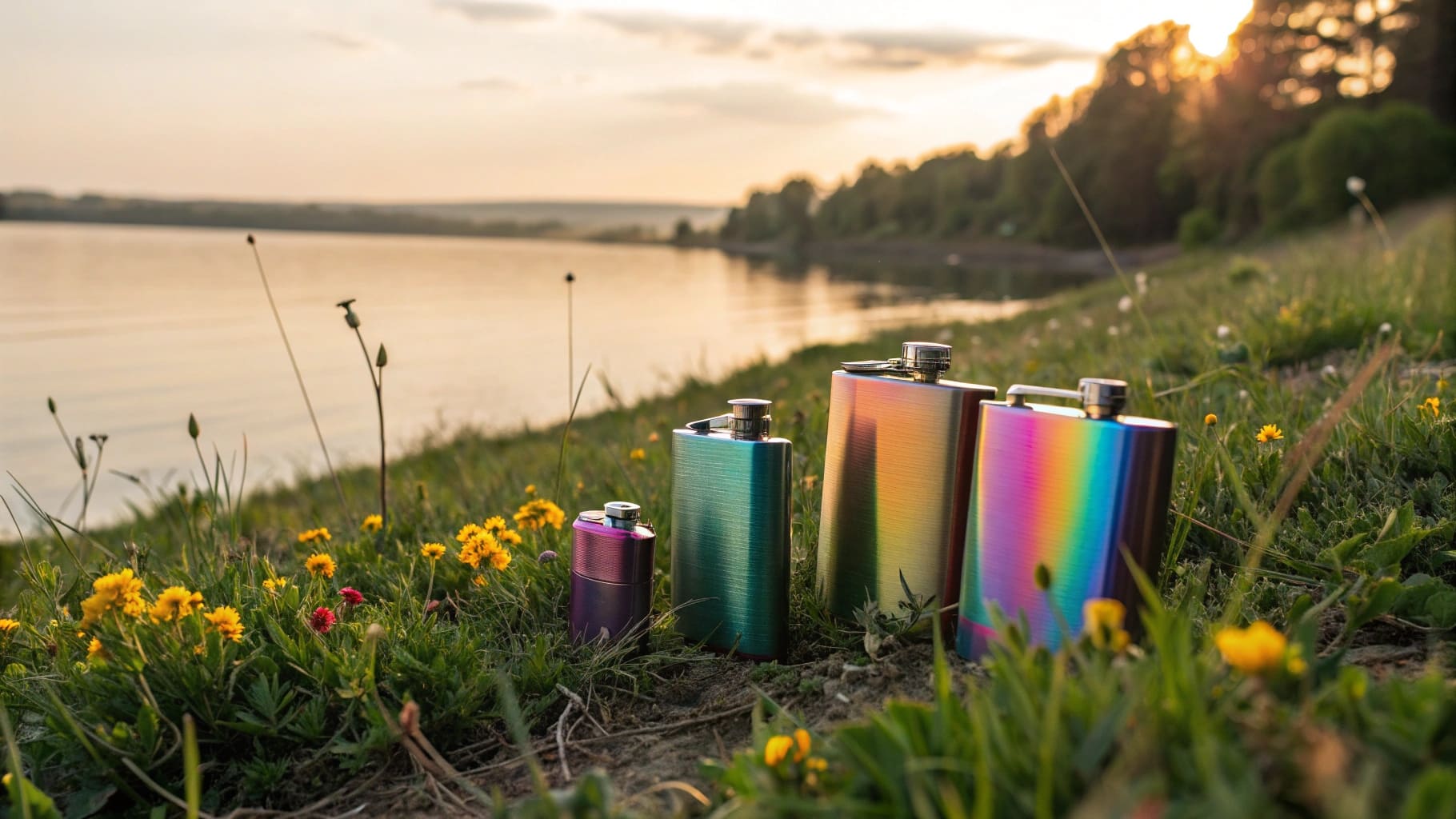
How I understand the real use case
I know most users carry hip flasks for simple reasons. They want portability. They want a stronger option than glass. They want a compact item for outdoor events, weddings, concerts, fishing, camping, or personal gifts. A stainless steel hip flask works well in these cases because it is light, durable, and easy to brand with a logo or color finish. For wholesale buyers, this also makes the product attractive. A company can rebrand the flask, place it in gift sets, or sell it with outdoor and bar accessories.
| User reason | What I design for | What I warn against |
|---|---|---|
| Travel use | I design for compact beverage storage. | I warn against fuel or chemical storage. |
| Outdoor use | I design for strength and easy carrying. | I warn against heat, flame, and unsafe liquids. |
| Gift use | I design for clean finishing and logo space. | I warn against unclear product purpose. |
| Brand resale | I design for stable quality and repeat orders. | I warn against missing safety labels. |
How I connect design with warning labels
I do not see warning labels as decoration. I see them as part of product design. A buyer may focus on unit price, logo quality, carton strength, and delivery time. I focus on those points too. But I also look at the small words that protect the end user and the brand. A hip flask should say that it is for beverage use only. It should also warn users not to store flammable liquids, lighter fluid, fuel, acids, medicines, or unknown chemicals. I would keep the message direct, because users do not read long safety text when they are in a hurry3.
I also place the warning where it can be seen. I may use a packing insert, a hang tag, a sticker, or printed carton text. I may also add a care card that tells the user to wash the flask before first use, dry it after use, and avoid long storage of acidic drinks. I see this as a practical way to reduce returns and claims. I also see it as a way to show the buyer that the supplier understands risk, not only production.
Conclusion
I treat hip flasks as beverage products only. I protect buyers by checking material, seals, labels, inspection, and supplier discipline before any order.
-
"YUSUD Lighter Gasket Seal Compatible with Zippo, Metal Repair ...", https://www.amazon.com/Lighter-Gasket-Repair-Anti-Evaporation-Accessories/dp/B0CYSKNL55. Chemical compatibility data for elastomers indicate that many common gasket materials, including certain grades of rubber and thermoplastic elastomers, exhibit swelling and permeation when exposed to aliphatic hydrocarbon solvents, which can compromise seal integrity and result in persistent odor retention. Evidence role: mechanism; source type: research. Supports: The susceptibility of common elastomeric sealing materials to swelling, degradation, or odor absorption when exposed to hydrocarbon solvents such as naphtha. Scope note: Compatibility depends strongly on the specific elastomer compound used; hip flask manufacturers do not always disclose seal material specifications, making direct comparison conditional. ↩
-
"Stainless Steel Chemical Resistance Charts", https://hayata.com/wp-content/uploads/catalog-stainless-steel-chemical-resistance-charts.pdf. Materials engineering references document that austenitic stainless steels, including type 304, exhibit good resistance to aliphatic hydrocarbons under ambient conditions, with corrosion rates typically remaining low during brief contact, though prolonged exposure or presence of contaminants can alter this behavior. Evidence role: general_support; source type: research. Supports: The general chemical resistance of austenitic stainless steel grades to hydrocarbon liquids under short-term exposure conditions. Scope note: Short-term resistance to the metal body does not encompass the full flask assembly including seals, coatings, and welds, which may respond differently to the same chemicals. ↩
-
"Effect of Warning Labels on Consumer Motivation and Intention to Avoid ...", https://pmc.ncbi.nlm.nih.gov/articles/PMC9029137/. Human factors and consumer behavior research consistently finds that warning label length, placement, and format significantly affect whether users read and comply with safety instructions, with studies indicating that verbose or poorly positioned warnings are frequently ignored in real-use conditions. Evidence role: expert_consensus; source type: research. Supports: Empirical findings on consumer engagement with product warning labels and the factors that reduce warning comprehension and compliance. Scope note: Findings vary by product category, user demographic, and label design; the specific context of hip flask warning labels has not been independently studied in the literature. ↩