
What AQL should you set for lid seals on travel coffee mugs to prevent leaks?
A leaking mug looks like a small defect, but I have seen it break buyer trust, trigger returns, and ruin a seasonal launch1.
I usually set AQL 1.5 for travel coffee mug lid seal integrity, and I move to AQL 1.0 for premium programs. I treat visible gasket damage, missing seals, and confirmed hot-liquid leakage as shipment-stopping defects.
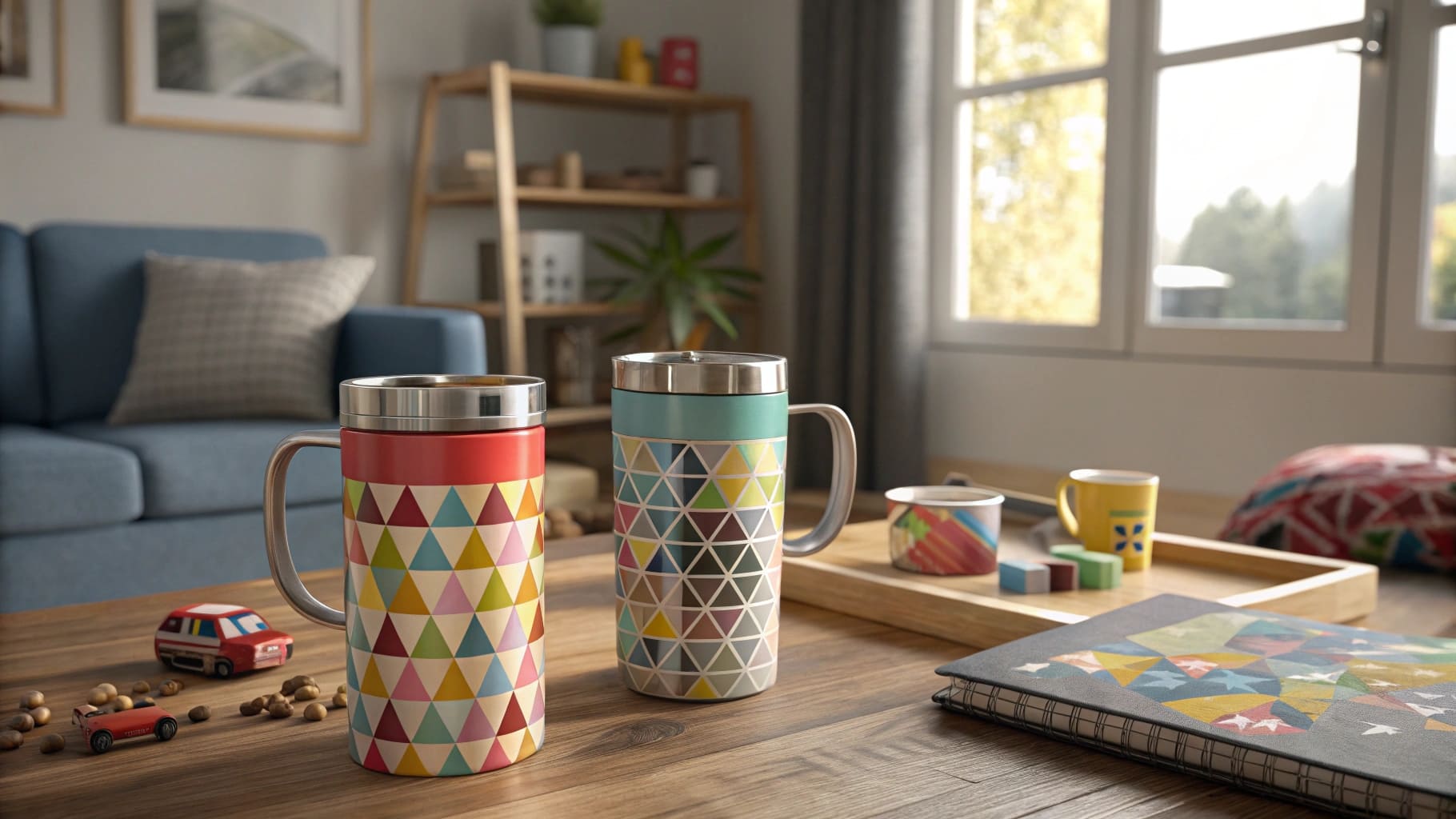
I do not choose AQL by habit. I choose it by risk. In my work with North American and European buyers, lid leakage is one of the fastest ways to damage a rebranded product. A buyer can accept a small scratch on a carton, but he will not accept coffee inside a laptop bag. So I look at seal quality, lid design, factory testing, and shipment timing together. If I miss one part, the full order can still fail in the market.
What makes a travel mug leak-proof?
Many buyers blame the silicone ring first, but I have learned that leaks usually come from a weak whole lid system.
A travel mug becomes leak-proof when the gasket, lid thread, drinking port, air vent, and cup rim work together under heat, pressure, and movement. I check the whole system, not only the seal material.

I look at seal integrity as a system
I start with the gasket, but I never stop there. A good silicone gasket needs stable elasticity. It must compress well when the lid closes. It must also recover after repeated opening and closing.2 If the gasket becomes too soft with hot coffee, the lid can lose pressure. If it becomes too hard in cold weather, the seal can leave small gaps.3
I also check the lid thread. A poor thread can create uneven pressure on the seal. One side may look closed, but the other side may have a small path for liquid. I have seen this problem on samples that looked perfect on a desk. They failed when I shook them with hot water.
I test the parts that buyers often miss
| Area I check | What I want to see | What can cause leakage |
|---|---|---|
| I check the silicone gasket | I want smooth edges and stable compression | A cut, flash, weak elasticity, or wrong size can open a leak path |
| I check the lid thread | I want even locking force | A loose thread can reduce gasket pressure |
| I check the drinking port | I want a tight closure after repeated use | A weak flap or slider can leak during movement |
| I check the cup rim | I want a flat and clean sealing surface | A dented rim can break the seal |
| I check the air vent | I want controlled pressure release | A poor vent can drip when the mug tilts |
I use hot-liquid leak tests because cold water is too kind. I also ask for shake tests, inverted tests, and repeated open-close tests. For B2B orders, I prefer to find the weak point before the cartons leave the factory, not after the buyer’s customers start posting complaints.
What is the best leakproof coffee travel mug?
The word best can hide risk, because a beautiful mug can still leak if the lid design is not matched to use.
I see the best leakproof coffee travel mug as a mug that matches the buyer’s market, passes hot-liquid leak tests, uses stable silicone, and has clear inspection rules before shipment. Premium buyers often need stricter seal control than value buyers.

I match the mug to the market first
I do not give every buyer the same answer. A premium brand in Canada may need a double-wall vacuum insulated stainless steel mug with a smooth powder coating, a high-end lid, and a medical-grade silicone seal4. A value-focused buyer may choose a simpler flip-top lid with food-grade silicone. Both can be good choices, but they cannot use the same quality promise.
A premium mug usually faces higher customer expectations. The retail price is higher, so the customer expects a cleaner finish, better insulation, and a lid that feels solid. In that case, I suggest AQL 1.0 for lid seal integrity. I also suggest extra in-line checks before final inspection.
A value mug still needs strong leak control. I do not accept the idea that a cheaper mug can leak. The difference is usually in lid style, decoration, packaging, and user features, not in basic safety and function.
I compare leakproof choices by real use
| Buyer target | Lid style I often see | Seal control I suggest | Risk I watch closely |
|---|---|---|---|
| I serve premium retail brands | I see 360-degree drinking lids or strong push-button lids | I suggest AQL 1.0 and hot-liquid testing | I watch for complex parts that can fail after repeated use |
| I serve mid-range distributors | I see screw lids, slider lids, or flip lids | I suggest AQL 1.5 with clear defect rules | I watch for uneven lid fit and gasket movement |
| I serve promotion projects | I see simple lids with printed logos | I still suggest leak tests on random samples | I watch for rushed production and weak inspection |
I also ask for clear certificates, but I do not trust a certificate by picture alone. I check the product scope, material name, factory name, and test date. I have met buyers who were hurt by fake or unrelated documents. So I prefer clean paperwork, direct answers, and inspection records that match the exact mug model.
Which is the best travel coffee mug?
Many importers search for one perfect mug, but I usually see the best choice change with brand position and sales channel.
The best travel coffee mug for B2B is the one that balances leak control, insulation, surface finish, logo durability, certification, lead time, and landed cost for the target market. I do not judge the mug by shape alone.
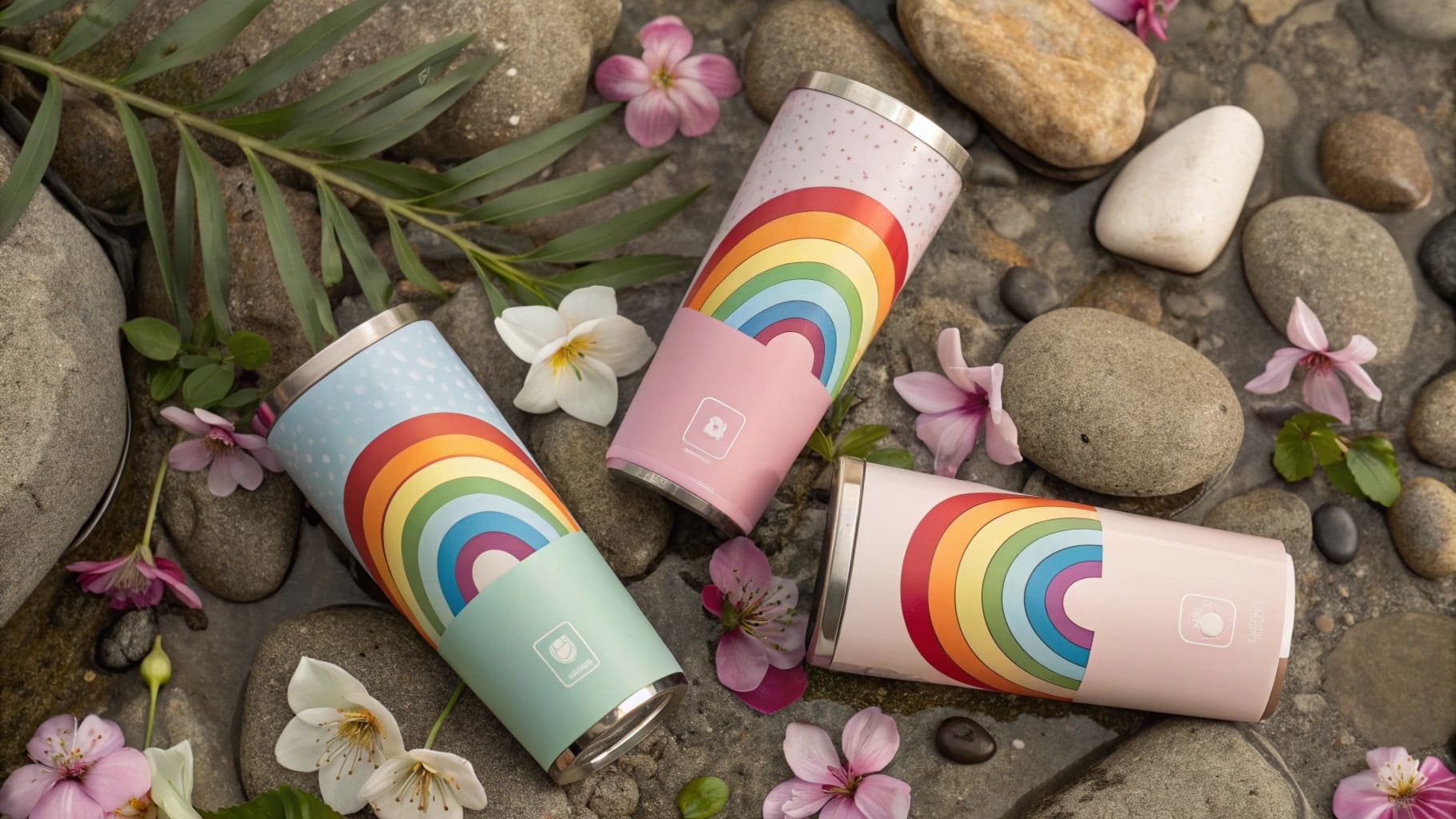
I judge the mug like a procurement officer
When I help a buyer choose a travel coffee mug, I do not only ask which design looks nice. I ask where the mug will sell, how much the customer will pay, and when the shipment must arrive. I also ask how the buyer plans to rebrand it. A strong stainless steel body with a weak logo process can still create trouble. A stable lid with late delivery can still miss the best selling season.
For buyers like a Canadian distributor or company owner, the best mug is usually not the most expensive one. It is the mug that protects margin and protects reputation at the same time. I believe this is where many sourcing mistakes happen. A buyer may push hard on price and then accept a loose inspection plan. That saving can disappear fast when returns begin.
I use a clear buying table before I confirm the order
| Decision point | What I check | Why I care |
|---|---|---|
| I check leak control | I set AQL 1.5 or AQL 1.0 for lid seals | I want to reduce returns and complaints |
| I check insulation | I test heat retention with real use conditions | I want the mug promise to match the sales claim |
| I check coating and logo | I review color, adhesion, and printing position | I want the rebranded product to look consistent |
| I check certification | I verify that documents match the material and model | I want to avoid false compliance claims |
| I check lead time | I confirm material, production, inspection, and shipping dates | I want the order to arrive before peak season |
| I check payment terms | I tie balance payment to passed inspection when possible | I want the buyer and factory to share quality pressure |
I also push for clear communication before production starts. I prefer written defect definitions, sealed approval samples, and photos from key production steps. I do not like vague promises such as “no problem” or “same as sample” without records. If the order has a peak sales window, I ask the factory to reserve material early and share a realistic schedule. Fast replies are useful, but accurate replies are more useful.
For me, the best travel coffee mug is the one that survives real customer behavior. Customers will throw it into bags. They will drink in cars. They will wash it many times. They will close the lid in a hurry. So I choose designs that can handle that daily stress, and I use inspection rules that force the factory to respect the seal.
Conclusion
I protect each mug program by setting tight seal AQL, testing like real users, and choosing designs that match the buyer’s market.
-
"ESSAYS ON PRODUCT RETURNS IN A CLOSED-LOOP SUPPLY CHAIN", https://etda.libraries.psu.edu/files/final_submissions/15436. Research on e-commerce and retail returns consistently identifies product not matching description or failing to function as intended among the leading causes of return; functional failures, such as leakage in a product marketed as leak-proof, carry heightened return and negative-review risk because they contradict an explicit product claim. Evidence role: general_support; source type: research. Supports: That functional product defects are a primary driver of consumer product returns and reduced customer trust. Scope note: Specific return rate data for travel mugs or drinkware with seal defects is not widely published; available figures are typically aggregated across product categories. ↩
-
"design and analysis of silicone gasket sealing for waterproof", https://rex.libraries.wsu.edu/view/pdfCoverPage?instCode=01ALLIANCE_WSU&filePid=13338221280001842&download=true. Compression set, typically measured per ASTM D395, quantifies the degree to which an elastomer fails to recover its original thickness after sustained compressive load; silicone rubbers generally exhibit low compression set compared to other elastomers, but elevated temperatures and repeated cycling can degrade this property and reduce sealing force over time. Evidence role: mechanism; source type: institution. Supports: The material property of compression set in silicone elastomers and its relationship to long-term sealing performance. Scope note: General material data on compression set may not directly predict in-service performance for a specific lid-gasket geometry or use frequency. ↩
-
"Silicone rubber", https://en.wikipedia.org/wiki/Silicone_rubber. Silicone elastomers maintain flexibility across a broad temperature range (approximately −55 °C to +200 °C for many food-grade formulations), but modulus and hardness do increase at low temperatures and long-term exposure to elevated temperatures can accelerate compression set, both of which can reduce effective gasket sealing force. Evidence role: mechanism; source type: research. Supports: How silicone rubber mechanical properties change across hot and cold temperature ranges relevant to beverage container use. Scope note: Specific temperature thresholds for performance degradation depend on the particular silicone compound grade and gasket geometry. ↩
-
"Inventory of Food Contact Substances Listed in 21 CFR", https://hfpappexternal.fda.gov/scripts/fdcc/index.cfm?search=silicone&set=IndirectAdditives. The U.S. FDA regulates food-contact silicone materials under 21 CFR Part 177.2600, which specifies rubber articles intended for repeated use; 'medical-grade' silicone is a separate classification governed by biocompatibility standards such as ISO 10993, and while some manufacturers market travel mug seals using this term, food-grade certification under applicable FDA or EU regulations is the more directly relevant compliance category for beverage containers. Evidence role: definition; source type: government. Supports: What distinguishes medical-grade from food-grade silicone and how regulatory frameworks classify silicone for food-contact applications. Scope note: Regulatory classifications differ between jurisdictions; the article does not specify which market's regulatory framework applies. ↩