
Are Bottle Cleaning Brushes the Most Overlooked Accessory in Your Water Bottle Bundle?
Most B2B buyers focus on the bottle itself. They ignore the brush. Then the customer complaints come in, and the damage is already done.
A bottle cleaning brush is more than a free gift. It is a product that directly affects how your customers feel about your brand. Choosing the right bristle material, tip guard, and packaging spec can reduce return rates and increase customer loyalty in your target market.
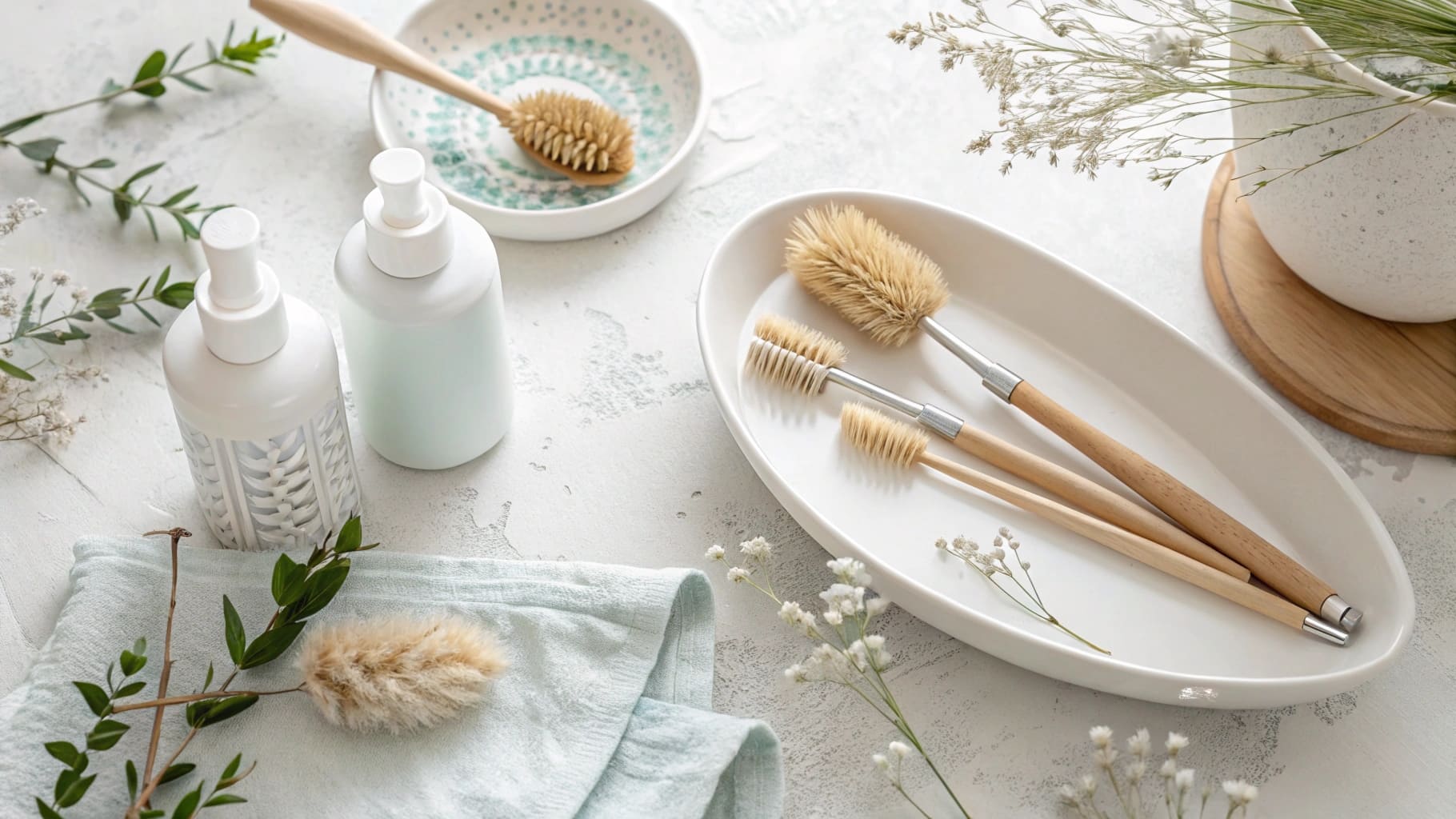
I have worked with many buyers who treat brushes as an afterthought. They pick whatever is cheapest and move on. But when you are selling stainless steel water bottles at a premium price, the accessories you bundle matter just as much as the bottle itself. In this post, I will walk you through the key questions every B2B buyer should answer before placing a brush order.
What Is the HSN Code for Bottle Cleaning Brush?
You ordered the brushes. They arrive at customs. Then your shipment gets held for two weeks because of a classification error. That delay can cost you an entire peak season.
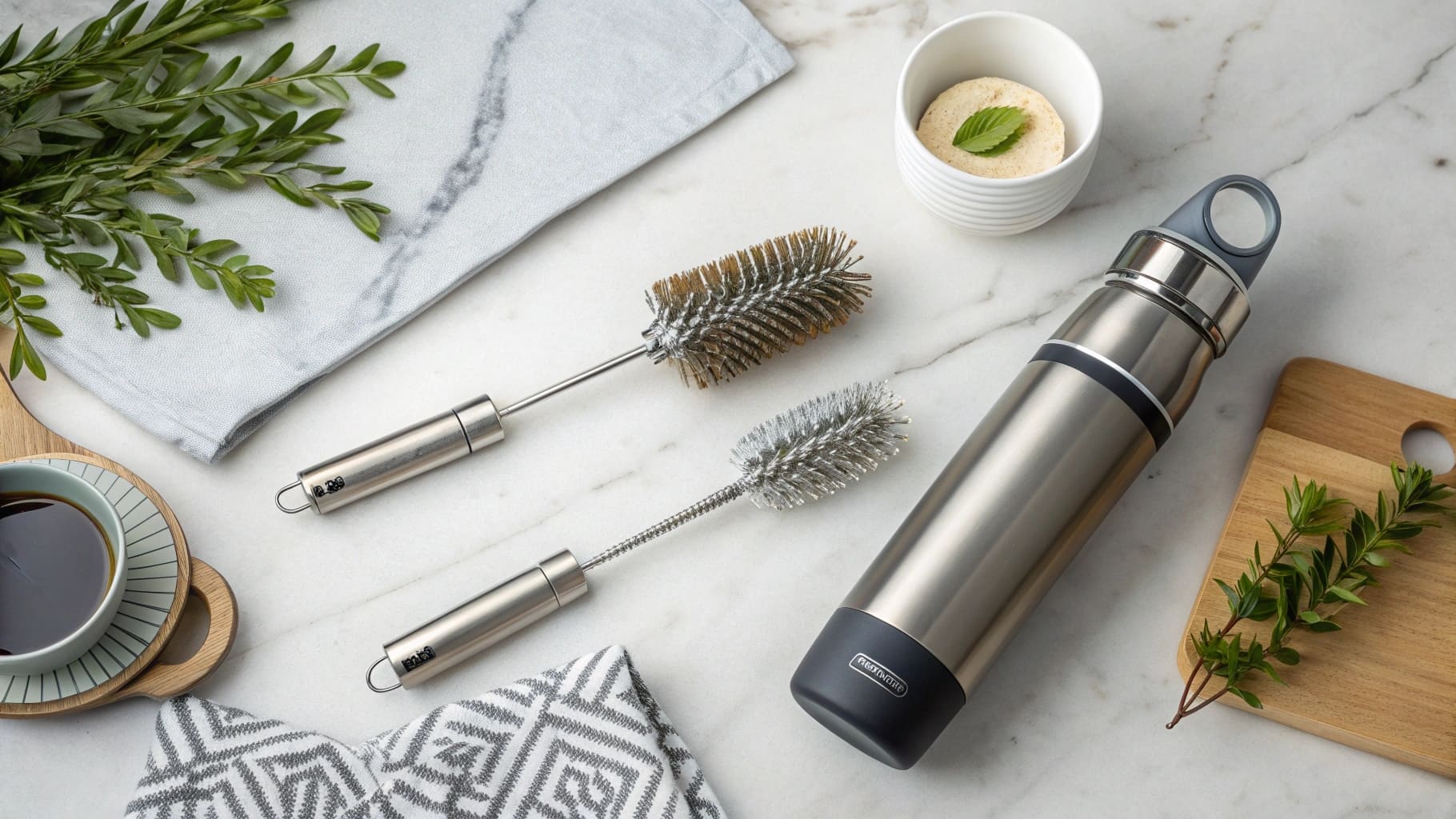
Bottle cleaning brushes are most commonly classified under HSN code 9603.29 or 9603.901. The correct code depends on the materials used and the intended purpose of the brush. Getting this right before your shipment leaves the factory saves time, money, and stress at the border.
Why HSN Classification Matters More Than You Think
Many buyers treat HSN codes as an administrative detail. I do not. I treat it as a risk management issue.
The wrong HSN code can trigger a re-inspection at the port of entry. In some cases, customs authorities may reclassify your goods on arrival and apply a higher duty rate2. For a large container shipment of mixed goods — bottles, brushes, lids, and other accessories — this can create a cost overrun that was never part of your budget.
Here is a simple breakdown of the most relevant HSN codes for bottle brushes:
| HSN Code | Description | Common Use Case |
|---|---|---|
| 9603.29 | Brushes for cleaning bottles or similar articles | Standard bottle cleaning brushes |
| 9603.90 | Other brushes not elsewhere classified | Multi-purpose or specialty brushes |
| 3924.90 | Plastic household articles | Brushes classified primarily as plastic goods |
The code that applies to your product depends on what your supplier declares as the primary material. A brush with a plastic handle and nylon bristles may be classified differently from one with a stainless steel handle and silicone bristles. These are not the same product in the eyes of a customs officer.
When I work with suppliers at Icobottle, I always ask them to confirm the HS code they use on export documents before the order ships. I also recommend buyers work with a licensed customs broker in their home country to cross-check the classification. This single step has saved multiple buyers I know from costly port delays.
For buyers importing into the US or EU, the duty rate tied to the HSN code can vary by several percentage points3. On a 10,000-unit order, that difference adds up fast. I have seen buyers absorb unexpected duty charges that wiped out their margin on an entire shipment. Always verify. Never assume. Ask your supplier directly, get it in writing, and confirm it with your broker before the container is loaded.
What Is the Best Bottle Brush at America's Test Kitchen?
Your end customers do research before they buy. If the brush you bundle does not hold up to basic testing, they will notice — and they will leave a bad review about a product you spent months sourcing.
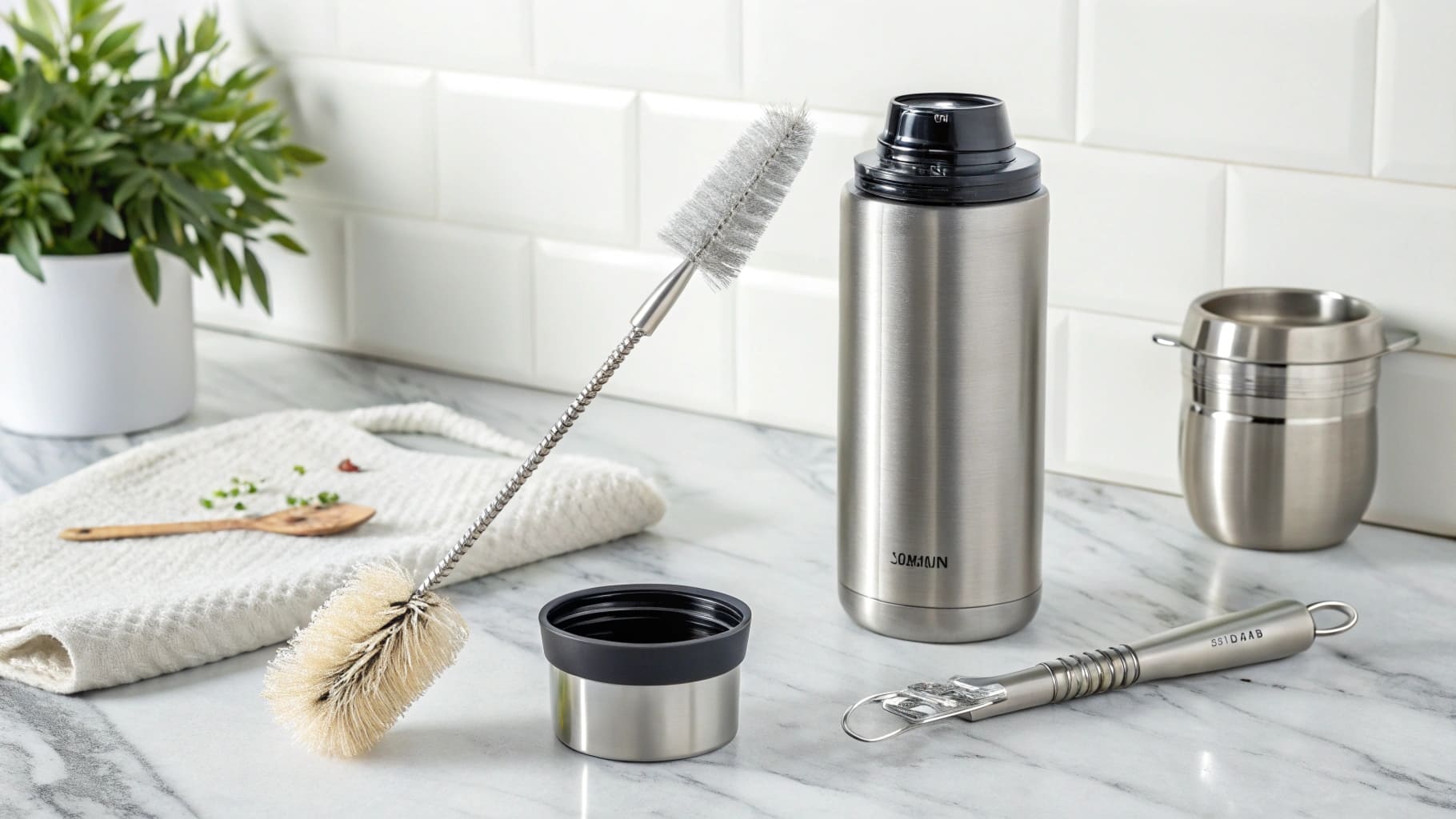
America's Test Kitchen evaluates bottle brushes based on cleaning reach, bristle durability, and whether the brush scratches or leaves residue inside a bottle4. Their top-rated brushes consistently share a few common traits: dense bristle coverage, a firm but flexible stem, and a non-scratch tip guard made from soft material.
What B2B Buyers Can Learn From Consumer Testing Standards
I do not sell directly to consumers. But I pay close attention to what consumer testing organizations say about product quality. The reason is simple: your customers sell to consumers, and their satisfaction depends on every item in the bundle you put together.
Organizations like America's Test Kitchen evaluate brushes the way a demanding end user would. They run repeated wash cycles. They test whether bristles shed after heavy use. They check whether the tip guard scratches the interior of a narrow-mouth bottle. These are exactly the failure points that generate customer complaints and returns in the real world.
Here is a comparison of the features that top-rated brushes typically share:
| Feature | Why It Matters | What to Ask Your Supplier |
|---|---|---|
| Bristle density | Cleans more surface area per stroke | Request a bristle count or density spec |
| Bristle material | Affects scratch risk and long-term durability | Ask for nylon or silicone options with food-grade cert |
| Tip guard design | Prevents scratching bottle interior | Request a soft silicone tip as standard |
| Handle material | Affects grip comfort and corrosion resistance | Specify stainless steel or BPA-free plastic |
| Stem flexibility | Helps reach curved bottle bottoms | Test with a 750ml narrow-mouth bottle sample |
When I source brushes for bundling with stainless steel water bottles, I use these same criteria as a sourcing checklist. I ask suppliers to provide test reports showing bristle retention after at least 100 wash cycles. I also request food-grade material certification for every component that contacts the inside of the bottle5. Buyers in North America and Europe will ask for this documentation before they place a large order. Having it ready shortens your sales cycle.
The point is not to copy the exact product that any one testing organization recommends. The point is to use their evaluation framework as a standard for what you will and will not accept from a supplier. If your brush meets those standards, you have a product that supports a premium price point and reduces return rates across your distribution channel. If it does not meet those standards, you are building a liability into every bundle you ship.
Packaging matters here too. A brush that looks cheap in its packaging undermines the perceived value of the bottle it comes with. Even in B2B bundles, I recommend retail-ready packaging with clear material labeling. It signals quality before the customer even opens the box.
Do I Need to Sterilize a Bottle Brush?
A customer uses a bottle brush to clean a baby bottle. The brush itself is full of bacteria from the last use. Now you have a hygiene complaint, and it started with the accessory, not the bottle.
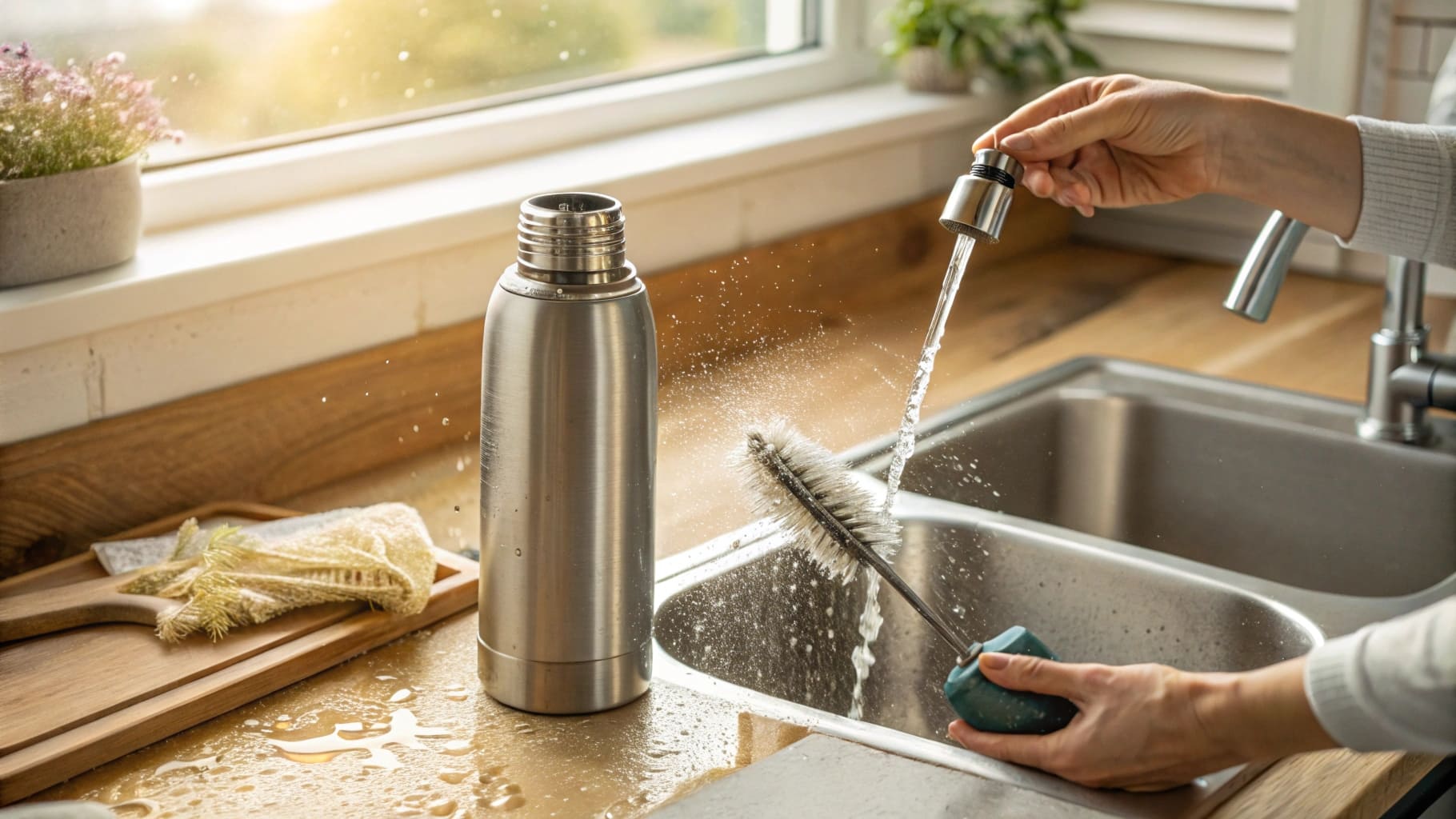
Yes, sterilization matters — especially for buyers serving parents, health-conscious consumers, or any segment with strict hygiene expectations. A brush that cannot be boiled or sanitized is a risk to your brand reputation, not just your end customer's health.
How to Choose Brushes That Meet Sterilization Requirements
The sterilization question is really a material selection question in disguise. Not all brush materials can handle heat. Some will warp, shed bristles, or leach chemicals when exposed to boiling water. If your end customers need to sterilize their brushes, you need to source materials that survive the process without breaking down.
Here is how the most common bristle and handle materials perform under sterilization conditions:
| Material | Max Temperature Tolerance | Suitable for Boiling | Notes |
|---|---|---|---|
| Silicone bristles | Up to 220°C | Yes | Best choice for high-hygiene markets |
| Nylon bristles | Up to 120°C | Yes, with short exposure | May soften with prolonged boiling |
| Polyester bristles | Up to 80°C | No | Not recommended for sterilization use |
| Stainless steel handle | Up to 300°C | Yes | Durable, no corrosion risk |
| BPA-free plastic handle | Up to 100°C | Marginal | Must confirm specific resin specs with supplier |
When I work with buyers targeting the parenting market or the health and fitness segment, I always recommend silicone-tipped brushes paired with stainless steel handles.
This combination handles boiling water sterilization without degrading, and it signals quality to the end customer at a glance. It also reduces the risk of a supplier substituting cheaper materials mid-production, because the spec is clear and testable.
There is one more thing buyers often miss. Sterilization is not just about the bristles. It is about the entire brush construction. A brush with a wooden handle will absorb water and grow mold over time, regardless of how often the customer boils it. A brush with a hollow handle can trap water inside and become a bacteria source between uses6. When reviewing samples from a supplier, I check the handle construction the same way I check the bristles. I look for solid, non-porous materials with no hidden cavities where moisture can collect.
For buyers building a complete bottle care bundle, I recommend including a brief sterilization guide in the packaging. This does not need to be complicated. A simple printed card with temperature limits and care instructions reduces customer confusion and protects you from liability claims. Your supplier should be able to provide the technical data you need to write that guide. If they cannot give you a clear temperature tolerance figure for every material in the brush, that is a red flag. A good manufacturer knows their own product specifications.
MOQ and carton planning are the final piece of the brush sourcing puzzle. Most brush suppliers set MOQs between 500 and 2,000 units per SKU. If you are bundling brushes with bottles, your brush MOQ needs to align with your bottle order volume. I recommend confirming carton dimensions and gross weight early in the sourcing process, because brushes add length to a carton and affect how many units fit in a container. A small change in brush length can reduce your container utilization by a meaningful amount on a large order7.
Conclusion
Bottle cleaning brushes affect your brand more than most buyers expect. Choose the right bristle material, confirm the HSN code, and source brushes that meet sterilization requirements. Your customers will notice the difference.
-
"9603.29.80.90 - Harmonized Tariff Schedule", https://hts.usitc.gov/search?query=9603298090. The World Customs Organization's Harmonized System nomenclature places brushes for cleaning bottles or similar articles under heading 9603, with subheadings determined by material composition and function; importers are advised to consult the official explanatory notes and a licensed broker for country-specific tariff schedules. Evidence role: definition; source type: institution. Supports: That brushes for cleaning bottles fall under HS Chapter 96, subheading 9603, as defined by the World Customs Organization Harmonized System nomenclature. Scope note: Country-specific tariff schedules may subdivide or reclassify headings differently from the base HS nomenclature; the WCO source establishes the international framework but not every national variation. ↩
-
"Post Summary Corrections - U.S. Customs and Border Protection", https://www.cbp.gov/trade/programs-administration/entry-summary/post-summary-correction. U.S. Customs and Border Protection (CBP) regulations and the EU Union Customs Code both grant customs authorities the power to review and amend tariff classifications at the point of entry, potentially resulting in additional duty assessments and delays. Evidence role: mechanism; source type: government. Supports: That customs authorities have the legal authority to reclassify imported goods and assess additional duties upon entry. Scope note: Specific procedures and appeal rights vary by jurisdiction; the general mechanism is well-established, but the frequency or likelihood of reclassification for this product category is not quantified in publicly available data. ↩
-
"9603.90.80.10 - Harmonized Tariff Schedule", https://hts.usitc.gov/search?query=9603908010. Published tariff schedules from the U.S. International Trade Commission (USITC) and the European Commission's TARIC database list specific ad valorem duty rates for subheadings within Chapter 96, confirming that misclassification can result in a different applicable rate. Evidence role: statistic; source type: government. Supports: That duty rates within HS Chapter 96 subheadings differ and that the applicable rate depends on correct classification. Scope note: Actual duty rates are subject to trade agreements, country of origin rules, and periodic schedule updates; the cited schedules reflect rates at a specific point in time and may not capture preferential rates available under bilateral agreements. ↩
-
"Everybody Needs a Bottle Brush - America's Test Kitchen", https://www.americastestkitchen.com/articles/7944-bottle-brush-underrated-kitchen-tool. America's Test Kitchen publishes equipment reviews that assess bottle brushes on functional criteria such as cleaning reach, bristle retention, and interior scratch risk, reflecting the standards applied by a widely recognized consumer testing organization. Evidence role: expert_consensus; source type: institution. Supports: That America's Test Kitchen applies structured performance criteria including cleaning reach, bristle durability, and scratch risk when evaluating bottle brushes. Scope note: ATK's full methodology and specific test protocols are proprietary; the criteria described in the article are consistent with ATK's published review summaries but cannot be independently verified without access to the complete evaluation. ↩
-
"Food Packaging & Other Substances that Come in Contact with Food", https://www.fda.gov/food/food-ingredients-packaging/food-packaging-other-substances-come-contact-food-information-consumers. In the United States, FDA regulations under 21 CFR govern materials suitable for food contact, while EU Regulation No. 10/2011 establishes requirements for plastic materials intended to contact food; both frameworks require that suppliers demonstrate compliance for components contacting beverage interiors. Evidence role: definition; source type: government. Supports: That food-contact material regulations in the US and EU require certification or compliance documentation for materials that come into contact with food or beverages. Scope note: Bottle cleaning brushes may not be classified as food-contact articles in all regulatory interpretations, since they are cleaning implements rather than packaging; buyers should confirm the applicable regulatory category with their compliance counsel. ↩
-
"Dishwashing sponges and brushes: Consumer practices ... - PubMed", https://pubmed.ncbi.nlm.nih.gov/33152572/. Microbiological studies of kitchen hygiene have identified standing water in enclosed or poorly ventilated cavities as a risk factor for bacterial growth, consistent with the principle that hollow implement handles retaining moisture between uses may harbor contamination. Evidence role: mechanism; source type: paper. Supports: That enclosed cavities in kitchen implements that retain standing water provide conditions conducive to bacterial proliferation. Scope note: Direct experimental studies specifically examining hollow brush handles as bacterial reservoirs are limited in the published literature; the cited mechanism is supported by general principles of microbial ecology rather than product-specific research. ↩
-
"A three-dimensional container loading algorithm for solving logistics ...", https://www.sciencedirect.com/science/article/pii/S2192437625000160. Logistics and supply chain literature establishes that container utilization rates are sensitive to carton dimensions, with small increases in any single dimension potentially reducing the number of cartons per container layer and compounding across a full load to produce a measurable reduction in total units shipped per container. Evidence role: mechanism; source type: research. Supports: That product and carton dimensions directly affect the number of units that can be loaded into a standard shipping container, influencing per-unit freight costs. Scope note: The magnitude of the effect depends on the specific dimensional change, carton stacking configuration, and container type; the article's characterization of the impact as 'meaningful' is directionally supported but not quantified. ↩