
Are Marine Stainless Cup Holders Worth the Premium Price?
Cheap cup holders corrode fast on boats. Saltwater destroys the wrong material in months. Here is what every buyer needs to know before placing an order.
Grade 316 stainless steel is the standard for marine cup holders. Its molybdenum content resists saltwater corrosion where Grade 304 fails. Drain holes, weld quality, and salt spray AQL results all determine whether a product survives at sea.
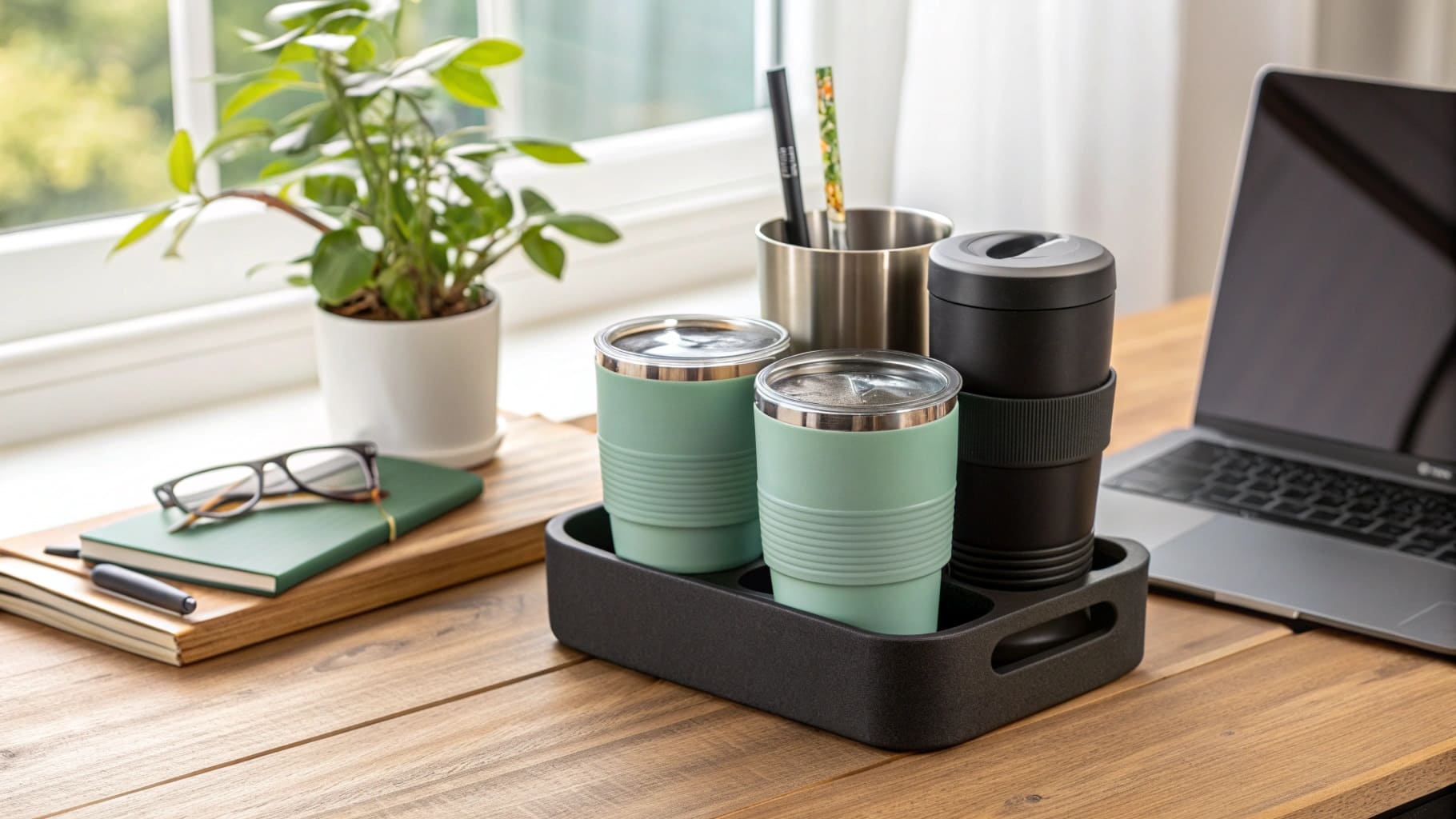
I have spoken with dozens of procurement officers over the years. The story is almost always the same. They ordered cup holders based on price, the supplier said "stainless steel," and six months later the product looked like it had been dug out of the ocean floor. The material grade printed on a spec sheet means nothing if the design, fabrication, and testing do not back it up. If you are buying marine cup holders in volume, this article will help you ask the right questions and avoid the mistakes that cost real money.
Is Stainless Steel 316 Marine Grade?
Buying the wrong steel grade for a marine environment is an expensive mistake. Corrosion sets in fast, returns are painful, and your brand takes the hit. So what makes 316 different?
Grade 316 stainless steel is universally accepted as marine grade. Its 2-3% molybdenum content gives it the ability to resist chloride attack in ways that Grade 304 simply cannot.1 For cup holders used on boats, this difference is the line between a product that lasts and one that fails.
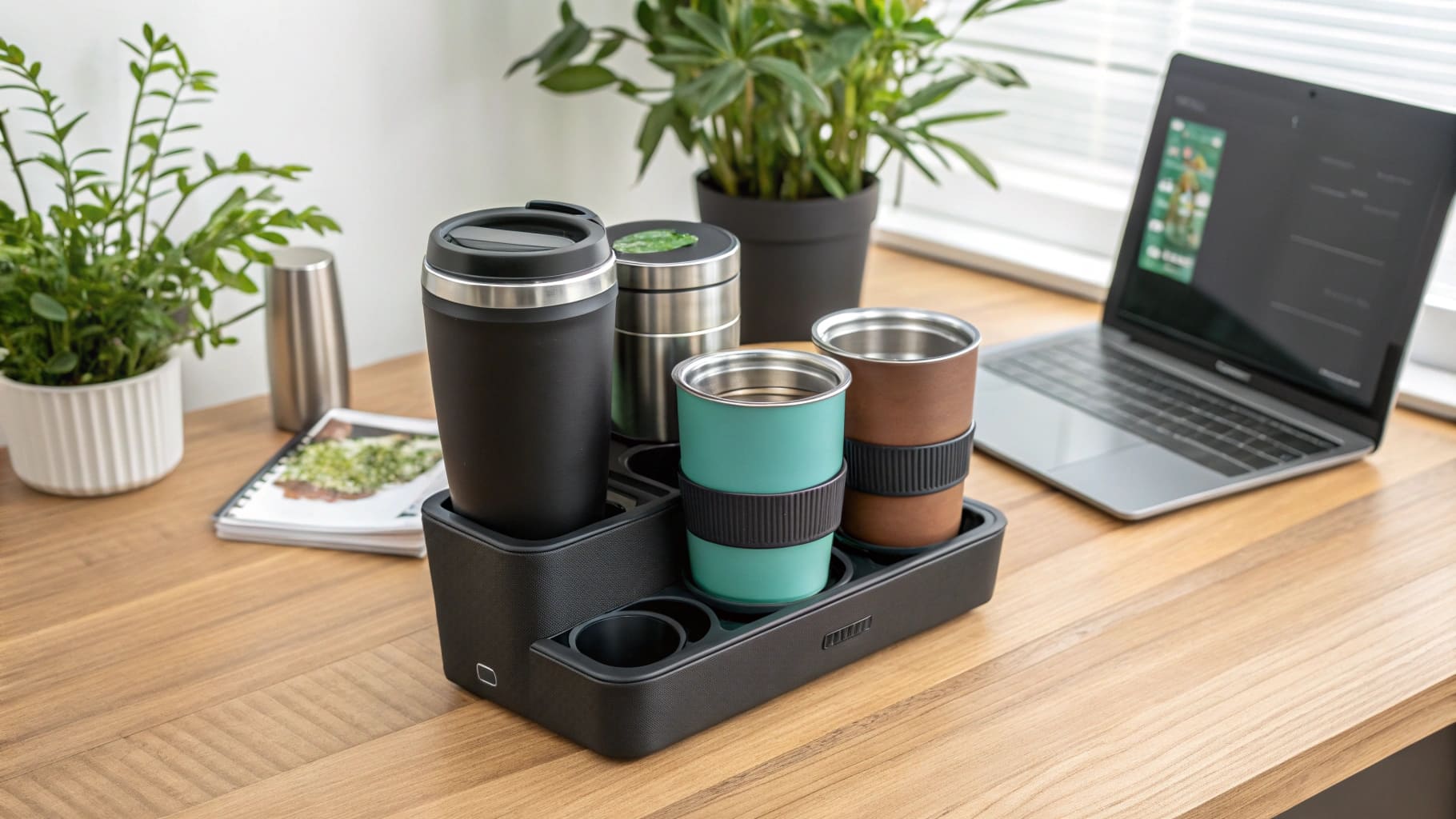
I always tell buyers to look past the "316" label and dig into the actual documentation. Here is why that matters.
The molybdenum in Grade 316 acts as a barrier against two specific failure modes: pitting corrosion and crevice corrosion.2 Pitting starts on the surface when chloride ions break through the passive layer. Crevice corrosion happens in tight spaces where oxygen levels drop, like joints and seams. Grade 304 has no defense against either of these in a saltwater environment. Grade 316 does, but only if the composition is correct.
This is where mill certificates become essential. A mill certificate confirms the actual chemical composition of the batch, not just the product label.3 Ask for certificates that meet ASTM A240 or an equivalent standard. Without this, you are taking the supplier's word for the material grade.
Beyond the material itself, passivation treatment matters. After fabrication, surface iron contamination must be removed. This step restores the chromium oxide layer that gives stainless steel its corrosion resistance. Skipping passivation reduces the material's protective properties even when the steel grade is correct.
For high-volume orders with complex drainage designs, I recommend specifying 316L. The "L" stands for low carbon. This variant handles welding better and reduces the risk of sensitization, which is a condition where carbon combines with chromium at weld zones and weakens corrosion resistance exactly where you need it most.4
| Property | Grade 304 | Grade 316 | Grade 316L |
|---|---|---|---|
| Molybdenum Content | None | 2-3% | 2-3% |
| Chloride Resistance | Low | High | High |
| Weldability | Good | Good | Better |
| Sensitization Risk | Low | Moderate | Low |
| Best Application | Indoor / dry | Marine | Marine with welding |
The table above shows why 316L is the right choice when your cup holders have complex geometry or welded drain structures. It is not just about the steel grade. It is about how the steel performs after it has been cut, formed, and welded in a factory.
What Are the Different Types of Cup Holders?
Not all cup holders look the same or install the same way. Picking the wrong type for your customer's vessel creates drainage problems, installation headaches, and product returns. So which type is right for which application?
Marine cup holders come in several distinct configurations. Each one is designed for specific installation conditions and vessel types. The type you specify affects drainage performance, installation complexity, and long-term durability in saltwater.
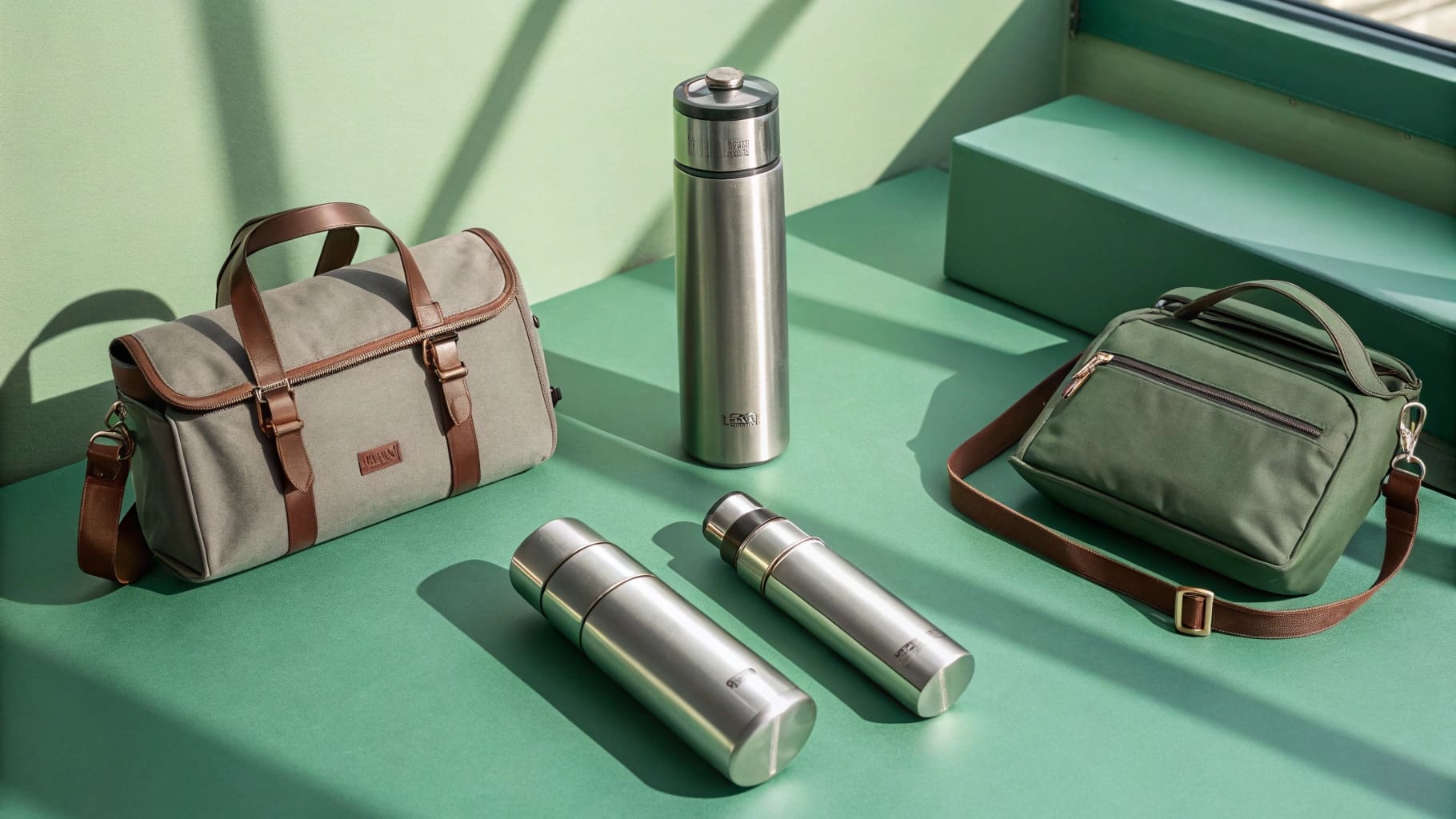
I have seen buyers overlook the drainage question entirely when evaluating cup holder types. That mistake shows up later as standing water, accelerated corrosion, and short product life. Let me break down each type so you can make the right call for your market.
Flush-Mount Holders
These sit level with the deck or console surface. They look clean and remove snag points, which matters on working boats. The trade-off is that they require precise cutout dimensions during installation. Drainage also needs to be built into the design because the cup cavity does not naturally direct water away. For OEM supply to boat manufacturers, flush-mount holders work well because installation happens in a controlled factory setting.
Recessed Drop-In Holders
This is the most common type for marine use. A flanged top ring sits above the surface, and the cup cavity drops below. This design naturally places the drain holes at the bottom of the cavity, which is exactly where they need to be. Water flows down and out without pooling. For aftermarket distribution, this type is the most practical because it installs in a standard round cutout.
Surface-Mount Holders
These bolt onto flat surfaces without any cutting. Installation is fast, which makes them popular for retrofits. The challenge is placement. They must be positioned so that water drains away from nearby electronics or sensitive areas. For buyers supplying retrofit accessories or aftermarket kits, surface-mount options offer flexibility that other types cannot.
Gimbal or Swivel-Style Holders
These add a mechanical pivot that keeps drinks stable in rough seas. The movement helps, but the pivot mechanism introduces crevice points where saltwater can collect and corrode. This type must be made from 316 stainless throughout, including all fasteners and pivot hardware. Mixing grades at any point creates a galvanic corrosion risk that will shorten product life.
| Type | Installation Method | Drain Design | Best Use Case | Crevice Risk |
|---|---|---|---|---|
| Flush-Mount | Cutout required | Custom | OEM / boat builders | Low |
| Recessed Drop-In | Standard round cutout | Natural bottom drain | Aftermarket / general | Low |
| Surface-Mount | Bolt-on | Depends on placement | Retrofits | Low |
| Gimbal / Swivel | Cutout or bolt-on | Varies | Rough water use | Higher |
Regardless of type, the drainage design is the most critical factor in a marine environment. Drain holes must sit at the lowest point of the cavity. The minimum diameter I recommend is 6mm. Anything smaller clogs with debris too easily. The interior surfaces should also be beveled so water moves toward the drain rather than collecting in flat pockets. Standing water is the fastest way to accelerate corrosion even in 316 stainless.
Is 316 Stainless Steel Good for Saltwater?
Material grade is only one part of the answer. Buyers who stop at "316 stainless" without checking design and testing standards end up with products that still corrode. So what does it actually take to perform in saltwater?
Grade 316 stainless steel performs well in saltwater when the design and manufacturing process back up the material. The chromium-nickel-molybdenum composition creates a self-repairing passive layer that resists chloride ion attack. But material alone does not guarantee long product life in marine conditions.

I have reviewed supplier certificates that showed the correct 316 composition while the actual product showed rust within a year. The reason is almost never the steel grade itself. It is the decisions made during design and fabrication. Here is how to evaluate beyond the material certificate.
Design Factors That Determine Real-World Performance
Standing water is the enemy of any stainless steel product in a marine environment. When saltwater sits in a joint or a low spot with no oxygen flow, the passive layer cannot regenerate. Crevice corrosion begins.5 This is why drainage design is not optional. It is structural protection.
Minimum wall thickness for structural integrity is 1.2mm. Thinner material is cheaper to produce but flexes under load, which opens micro-cracks at welds and formed edges. Those cracks become corrosion initiation points.
Welds require special attention. The heat of welding disrupts the passive layer at the joint. If the weld zone is not treated after fabrication, it becomes the weakest point in the product. Post-weld passivation or electropolishing addresses this directly.
Salt Spray Testing and AQL
Salt spray testing follows ASTM B117. The test exposes products to a continuous salt fog and measures how long they resist red rust. For marine-grade cup holders, the minimum acceptable result is 200 hours without red rust. Premium product targets 500 hours or more.
When I source cup holders for marine applications, I ask suppliers for AQL documentation that includes salt spray test results, not just material certificates. AQL sets the acceptable defect rate for a batch. If the supplier cannot provide both the material certificate and the salt spray results together, that is a signal worth taking seriously.
| Testing Standard | Minimum Pass Threshold | Premium Target | What It Covers |
|---|---|---|---|
| ASTM B117 Salt Spray | 200 hours | 500+ hours | Surface corrosion resistance |
| ASTM A240 | Chemical composition | Full mill cert | Material grade verification |
| AQL Inspection | Defect rate per batch | Combined with salt spray | Quality consistency |
Post-Fabrication Treatments
Electropolishing is a treatment that removes microscopic surface imperfections through an electrochemical process. It smooths the surface at a level that standard mechanical polishing cannot reach. Those tiny surface irregularities are where corrosion starts, so removing them can improve corrosion resistance by 30-40%. For products going into tropical waters or polluted coastal areas, specifying 316L plus electropolishing gives the best protection available from a standard production process.
Passivation and electropolishing are not the same thing. Passivation removes free iron from the surface and restores the chromium oxide layer. Electropolishing goes further by physically removing surface material to reduce roughness. Both treatments add cost, but both are worth specifying when your customer is buying for harsh marine conditions and expects the product to last.
Conclusion
Grade 316 stainless, proper drainage design, and verified salt spray AQL results are the three things that separate a good marine cup holder from a costly mistake. Get all three right.
-
"[PDF] Studies Related to Microbially Induced Corrosion of Stainless Steel ...", https://openprairie.sdstate.edu/cgi/viewcontent.cgi?article=2758&context=etd. A materials reference lists 316 stainless steel as containing about 2–3% molybdenum and explains that molybdenum improves resistance to chloride-induced pitting compared with 304 stainless steel. Evidence role: mechanism; source type: education. Supports: 316 stainless steel contains approximately 2–3% molybdenum, which improves chloride corrosion resistance compared with 304 stainless steel.. Scope note: The source supports the metallurgical mechanism and comparative tendency; actual service life still depends on design, finish, and exposure conditions. ↩
-
"Studies on the Cooperative Influence of Cr and Mo on the Pitting ...", https://pmc.ncbi.nlm.nih.gov/articles/PMC10707140/. Corrosion literature identifies molybdenum additions in austenitic stainless steels as increasing resistance to localized corrosion, especially pitting and crevice corrosion in chloride-containing environments. Evidence role: mechanism; source type: paper. Supports: Molybdenum in 316 stainless steel improves resistance to pitting and crevice corrosion.. Scope note: The word “barrier” is a simplified description; sources usually describe improved passive-film stability or higher localized corrosion resistance rather than an absolute barrier. ↩
-
"Mill test report - Wikipedia", https://en.wikipedia.org/wiki/Mill_test_report. A standards or inspection reference describes a mill test certificate as documentation reporting heat or batch-specific chemical composition and mechanical properties for supplied metal products. Evidence role: definition; source type: institution. Supports: A mill certificate documents the chemical composition of a specific batch or heat of metal.. Scope note: Certificate practices vary by standard and supplier, so the source supports the document’s purpose rather than guaranteeing authenticity or accuracy in every transaction. ↩
-
"Experimental investigation on solidification cracking & intergranular ...", https://pmc.ncbi.nlm.nih.gov/articles/PMC11328046/. Welding metallurgy references explain that low-carbon 316L reduces chromium carbide precipitation during welding, lowering sensitization and intergranular corrosion susceptibility near heat-affected zones. Evidence role: mechanism; source type: education. Supports: 316L’s low carbon content reduces weld-zone sensitization risk compared with higher-carbon 316.. Scope note: The source supports the metallurgical rationale for 316L; actual weld performance also depends on filler metal, heat input, cleaning, and post-weld treatment. ↩
-
"[PDF] Stifling of Crevice Corrosion and Repassivation: Cathode Area ...", https://www.numis.northwestern.edu/MURI/Publications/Papers/2015-Bocher-Corrosion.pdf. Corrosion sources describe stainless steel passivity as oxygen-dependent and explain that stagnant, chloride-containing crevices can become oxygen depleted, preventing repassivation and promoting crevice corrosion. Evidence role: mechanism; source type: paper. Supports: Stagnant saltwater in oxygen-depleted crevices can prevent stainless steel repassivation and initiate crevice corrosion.. Scope note: The source supports the general corrosion mechanism; the onset rate in cup holders depends on geometry, salinity, temperature, and cleaning frequency. ↩
